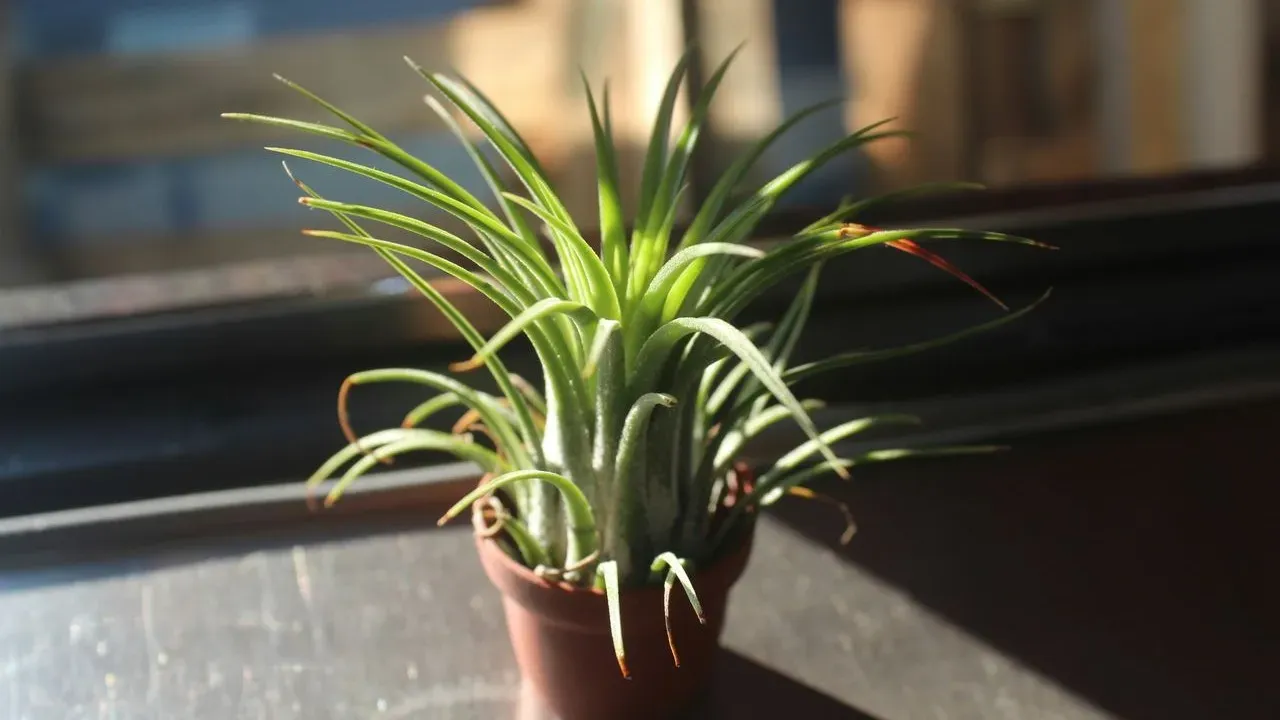

In the cool, often overcast conditions typical of the Pacific Northwest, plants that evoke distant tropics can seem out of reach. Bromeliads challenge that assumption. Their rosette forms and long-lasting blooms bring reliable color to indoor spaces when basic needs are met. The family includes thousands of species native mainly to tropical and subtropical parts of the Americas. Many grow as epiphytes in the wild, drawing moisture and nutrients from the air rather than soil. Popular houseplant types such as Guzmania, Neoregelia, Vriesea, and Aechmea stand out for their structured foliage and floral displays that often persist for months. Pineapple and certain air plants belong to the same group, though the focus here remains on the tank-forming varieties most commonly kept indoors. ## Distinctive Features That Set Bromeliads Apart Bromeliads develop in rosette patterns that funnel water toward the center. This adaptation supports both the plant and small wildlife in their native habitats. Foliage often carries silvery or patterned surfaces, while the blooms emerge in saturated pinks, yellows, and reds. These traits make the plants visually compelling even when not in flower. Gardeners in temperate regions value the plants precisely because the same structures that aid survival in the wild translate well to controlled indoor settings. The long-lived inflorescences reduce the need for constant replacement, offering sustained interest through changing seasons. ## Light and Placement Considerations Bright, indirect light suits bromeliads best in the Pacific Northwest. Overcast skies common to the region mean a spot near an east- or west-facing window often provides sufficient brightness without the risk of scorching afternoon sun. Harsh direct rays can fade foliage or damage tissue, so filtered conditions remain preferable. Outdoor placement works in sheltered spots such as covered patios during milder months, provided protection from frost and strong winds exists. Most varieties perform reliably when kept indoors year-round, where light levels stay consistent. ## Watering, Soil, and Drainage Practices Tank-forming bromeliads store water in the central cup formed by their leaves. Keeping this reservoir filled with room-temperature rainwater or suitable tap water supports the plant, while periodic flushing prevents stagnation and mineral buildup. The surrounding potting mix should dry slightly between waterings to avoid root issues. A coarse, well-draining mix promotes healthy roots. A blend of roughly 60 percent bark, 20 percent perlite, and 20 percent organic soil works well, or a commercial orchid mix serves as a ready alternative. Excellent drainage remains essential because the roots dislike prolonged moisture. ## Temperature, Humidity, and Feeding Needs Bromeliads generally thrive between 60 and 80 degrees Fahrenheit. Indoor environments in the Pacific Northwest usually fall within this range, though cold drafts from windows or doors and blasts from heating systems require monitoring. Outdoor specimens benefit from being moved inside before temperatures drop too low. Higher humidity levels help replicate native conditions. During drier indoor periods caused by heating or air conditioning, a pebble tray with water can raise local moisture around the plant. Fertilizer needs stay modest. A half-strength, low-nitrogen formula applied during the active growing season supplies adequate nutrients without risking salt accumulation in the central cup. ## Common Pests and Long-Term Care Bromeliads resist most pests, yet mealybugs and aphids occasionally appear. Prompt treatment with appropriate methods keeps plants healthy. With attention to these fundamentals, the plants reward growers with repeated cycles of colorful growth and extended bloom periods. Many enthusiasts find the combination of striking form and forgiving nature makes bromeliads a satisfying addition to collections. In the Pacific Northwest, where outdoor gardening pauses for months, these indoor performers extend the season of interest without demanding complex routines. Proper care transforms a potentially challenging climate into an opportunity for tropical accents that last. ([1])
AI Disclaimer: This article was created with the assistance of AI tools and reviewed by a human editor.