
It Has a Name: Submissive and Excitement Urination
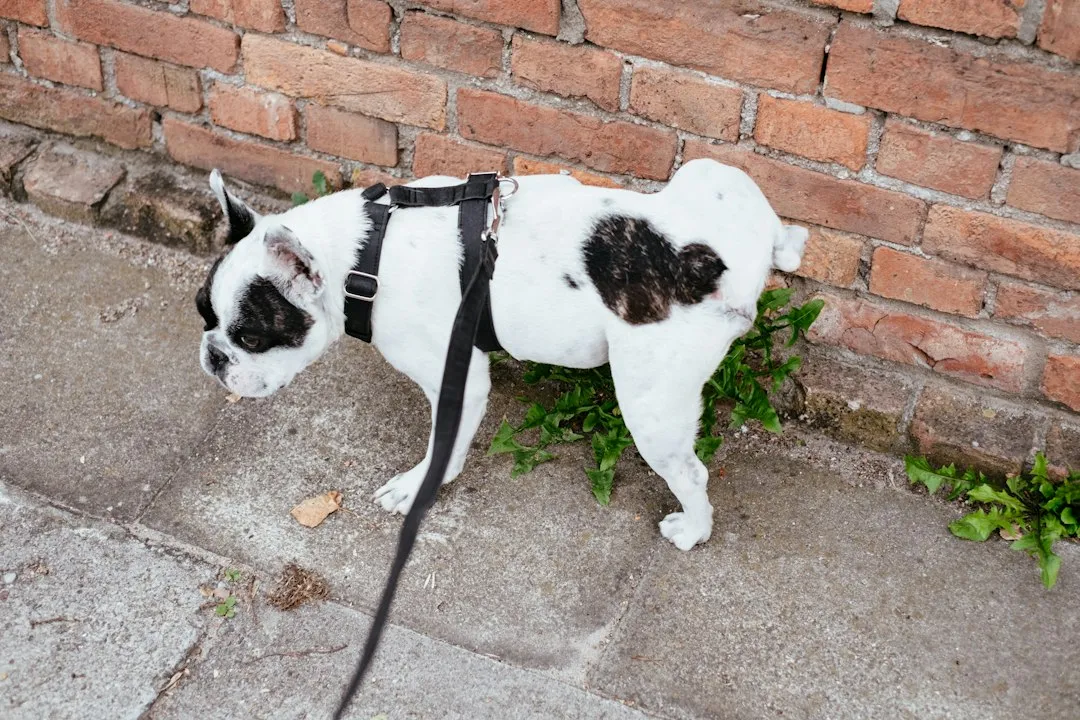
This behavior is an instinctual physical response to a spike in emotions, and it’s called submissive urination. It can happen when a dog gets excited during greetings or playtime with another dog or person they love. It can also happen when a dog is frightened or anxious, such as when being scolded.
Submissive urination can sometimes be confused with excitation urination. With excitation urination, submissive signals are absent and the urination occurs while the dog is standing or walking during greetings and playtime. These two types look similar from across the room, but they stem from very different emotional states. Understanding which one you’re dealing with changes how you respond.
It’s Completely Involuntary
Submissive urination is an involuntary reflex, not a housetraining failure. When a dog feels frightened, overwhelmed, or uncertain about an interaction, their body releases urine as an appeasement signal, similar to how another dog might lower its body or look away to say “I’m not a threat.”
The most important thing to know is that the behavior is usually involuntary. A dog may urinate during a greeting because of intense excitement, stress, fear, insecurity, submissive behavior, or, especially in puppies, immature bladder control. Scolding a dog for something it cannot physically control only makes the problem worse.
Puppies Are Especially Prone to It
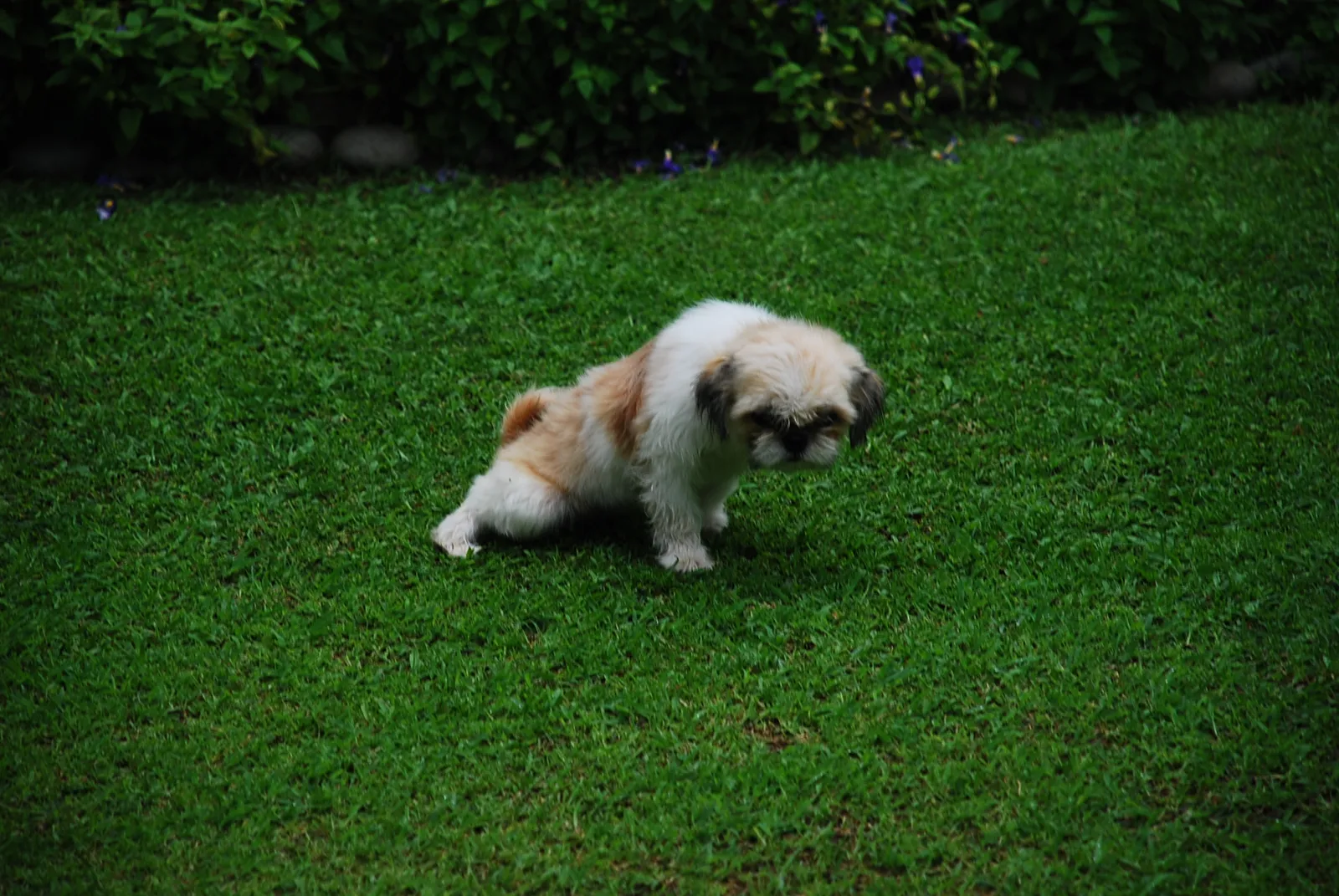
Many puppies urinate when they feel overwhelmed during greetings, play, or affection. At a young age, their bladder muscles are still developing, so they may not be able to hold urine during intense emotional moments.
Puppies simply don’t have a lot of control over their bladder, so when they experience a rush of emotions, holding it is quite difficult. Most puppies with submissive urination outgrow this behavior as they physically mature. This behavior may look like a housetraining problem, but it is different. If accidents only happen during highly stimulating situations, excitement urination is likely the cause.
The Root Cause Is Often Fear or Perceived Threat
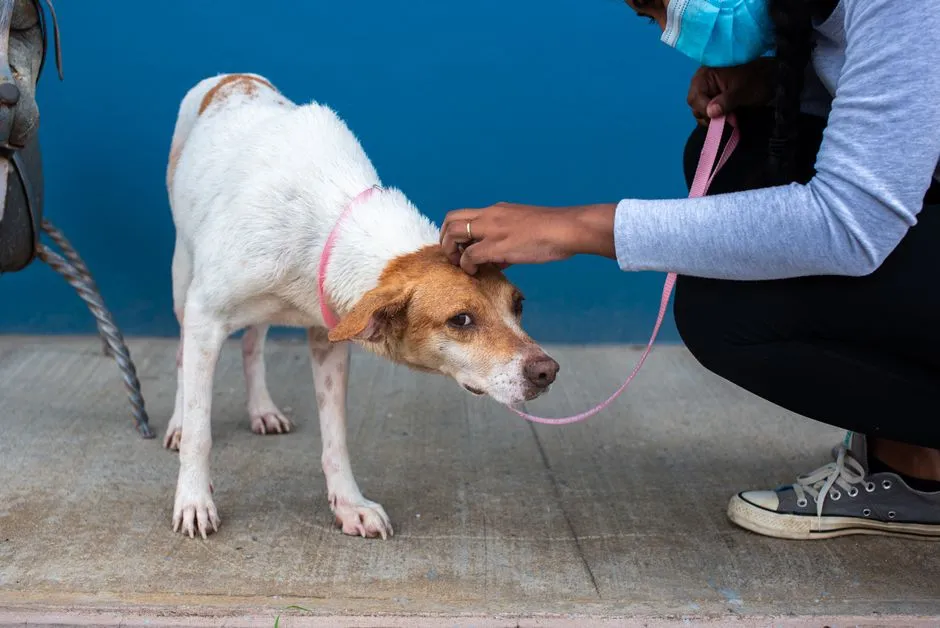
The underlying cause of submissive urination is fear. Triggers can include a person approaching, punishment, scolding, and a deep and loud voice. That’s worth sitting with for a moment. Your dog isn’t being defiant. It’s scared, even if you don’t intend to be threatening.
Common triggers include loud voices, scolding, or an angry tone, direct eye contact or someone looming or reaching over the dog, big enthusiastic greetings from people or other dogs, and past trauma or a history of harsh punishment. Dogs can also read threatening cues such as staring, fast movements, or people leaning over them, and in response they attempt to show signs of submission in order to allay those perceived threats.
It’s Also a Form of Dog-to-Dog Communication
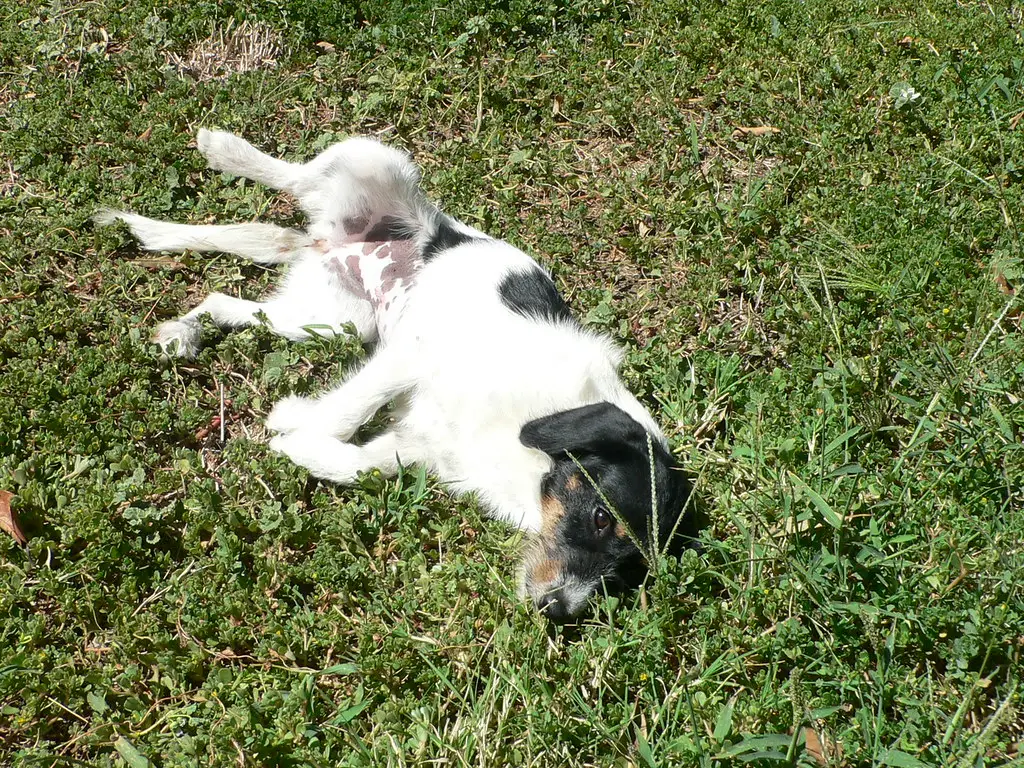
Some dogs display this behavior when they meet other dogs or people as a way of showing they are not a threat. Dog submissive urination is when your dog urinates because they are anxious or timid and want to acknowledge you as dominant. A dog may roll on their back and urinate, or stand and dribble when greeted, often when you return home.
This behavior mimics that of a tiny puppy, which is to roll on their back and let the mother clean up the urine. It’s an ancient, instinct-driven signal that carries over from early canine developmental stages, and it shows up most clearly in social situations where the dog feels a clear power difference.
Body Language Tells You Which Type It Is
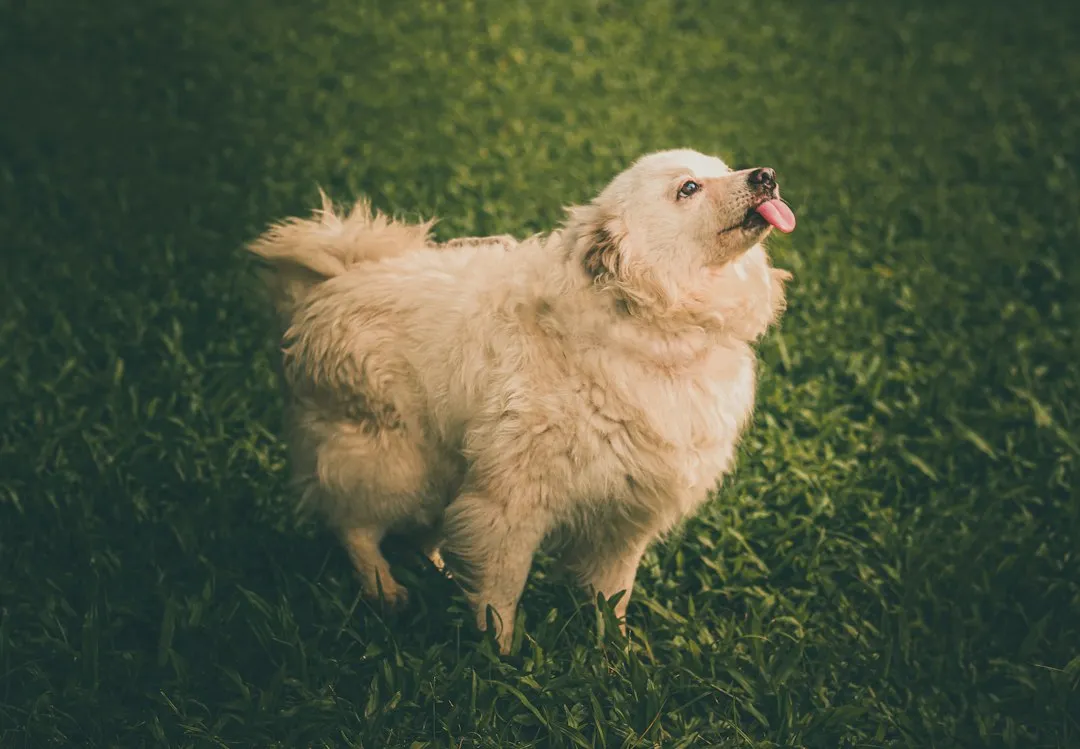
Submissive urination is associated with appeasing or uncertain body language. A dog may lower its body, tuck its tail, pull its ears back, avoid eye contact, crouch, turn away, or roll partly onto its back.
An excited dog, by contrast, may jump, spin, wag intensely, rush toward the person, vocalize, or struggle to stay still. The urination is not deliberate. The problem is usually the intensity of the emotional response rather than a lack of housetraining. Reading these physical cues helps you respond in the right way rather than making the moment worse.
Some Dogs and Breeds Are More Susceptible
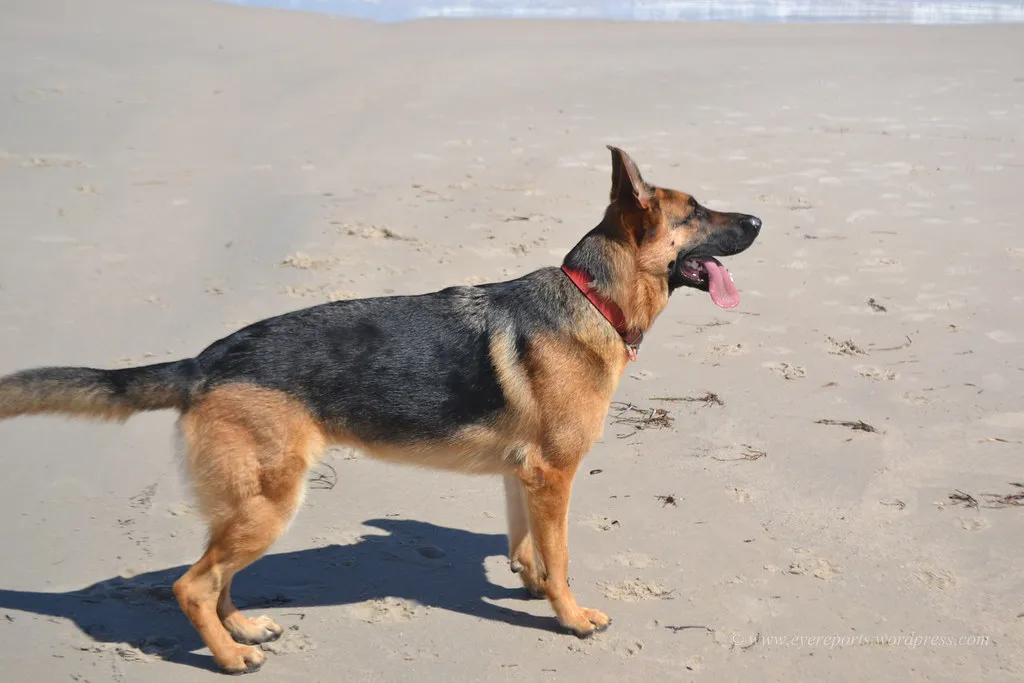
Although this problem can be seen in dogs of any age, these types of urination are most commonly seen in puppies and young female dogs. This could be because male puppies are somewhat more assertive or because they anatomically have a longer urethral tract.
Certain dog breeds such as German Shepherds, Cocker Spaniels, and Golden Retrievers have a genetic predisposition to submissive urination. Some data confirms that certain breeds are more prone to separation anxiety than others. Other causes of submissive urination include a traumatic early experience, a sheltered puppyhood, a history of punishment, unintentional reinforcement of the behavior by the owner, and potentially a genetic predisposition.
Your Reaction at the Moment Matters a Lot
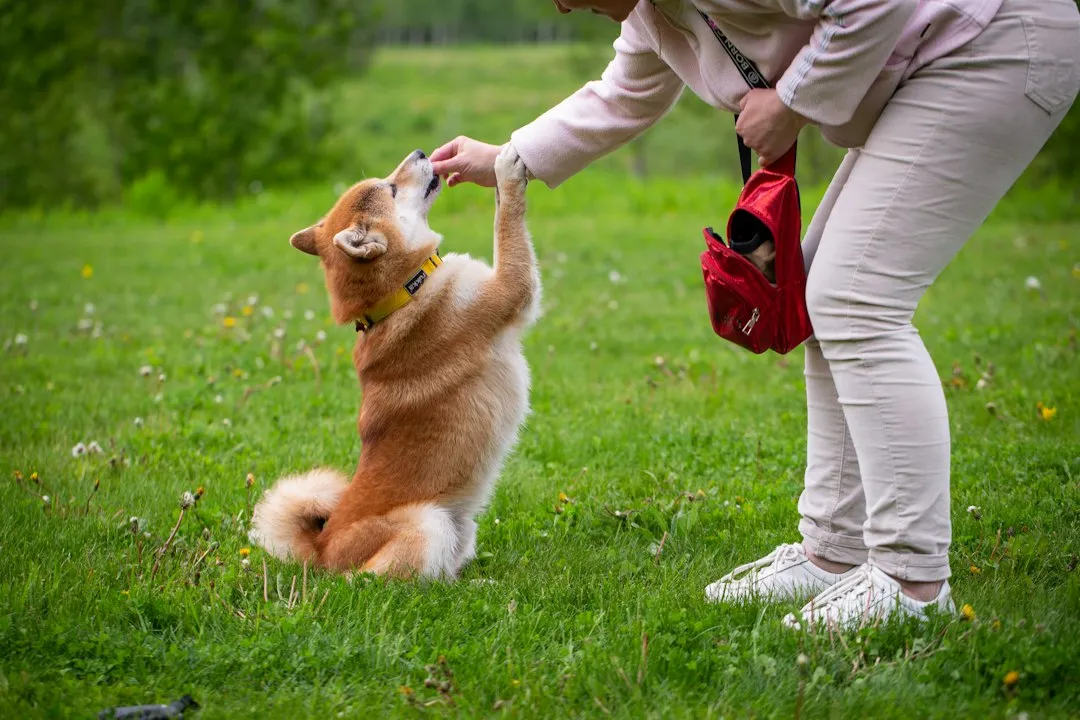
Owner intervention in the form of verbal reprimands or punishment only serves to make the dog more submissive, more anxious, more fearful, and more conflicted at further approaches. This is a counterintuitive but important truth. Your instinct might be to tell the dog off, but that worsens the very behavior you want to stop.
Punishing or reacting angrily to submissive urination worsens the behavior and makes it more likely to recur. Instead, in the case of submissive urination, control your reaction. Do not reassure or reinforce the behavior. Stay calm and quiet. That calm energy, consistently offered, is the most effective tool you have in the moment.
How to Reduce or Eliminate the Behavior Over Time
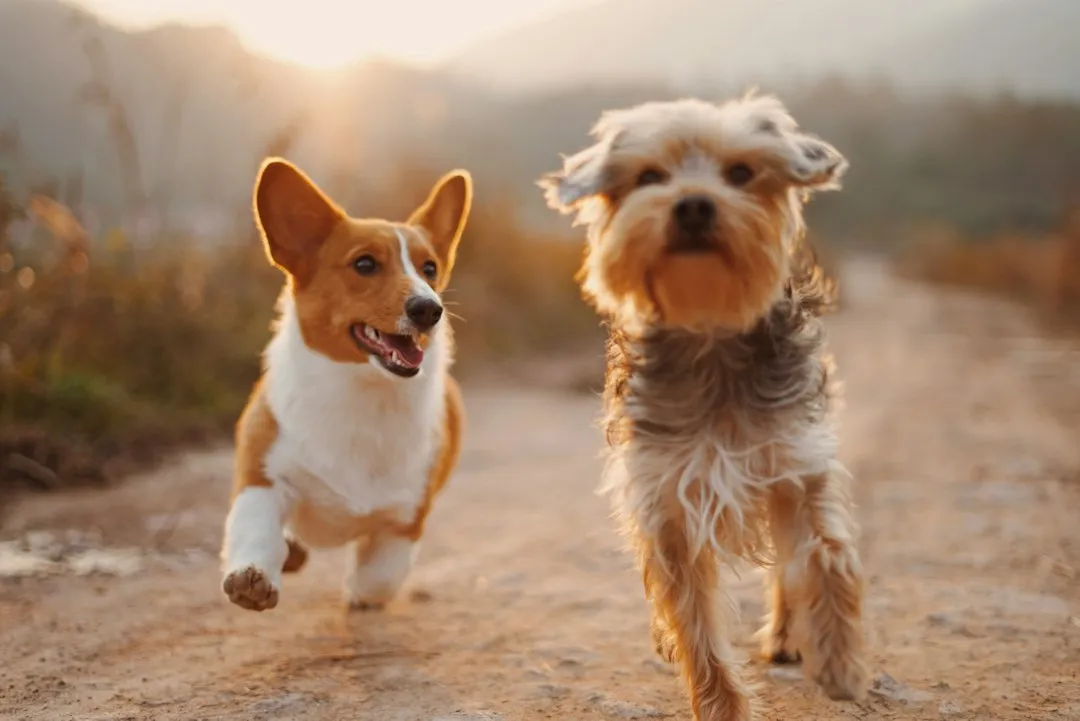
Even if you don’t intend to be imposing, standing tall, facing your dog, striding forward, making direct eye contact, or leaning over your dog can be perceived as a threat. Instead, kneel sideways to greet your dog and let them approach you. Coach all friends and family members to do the same.
Key to preventing this problem is to bolster the dog’s confidence so that they no longer feel the need to give an appeasement signal such as urination. This is done by using a combination of tactics such as reward-based training to bolster confidence, avoiding confrontational circumstances, and by keeping things low key. Encourage and reward confident postures such as sitting or standing. Teach alternatives to deferential behaviors. For example, have your dog sit or shake as you approach, and reward success.
When to Rule Out a Medical Cause
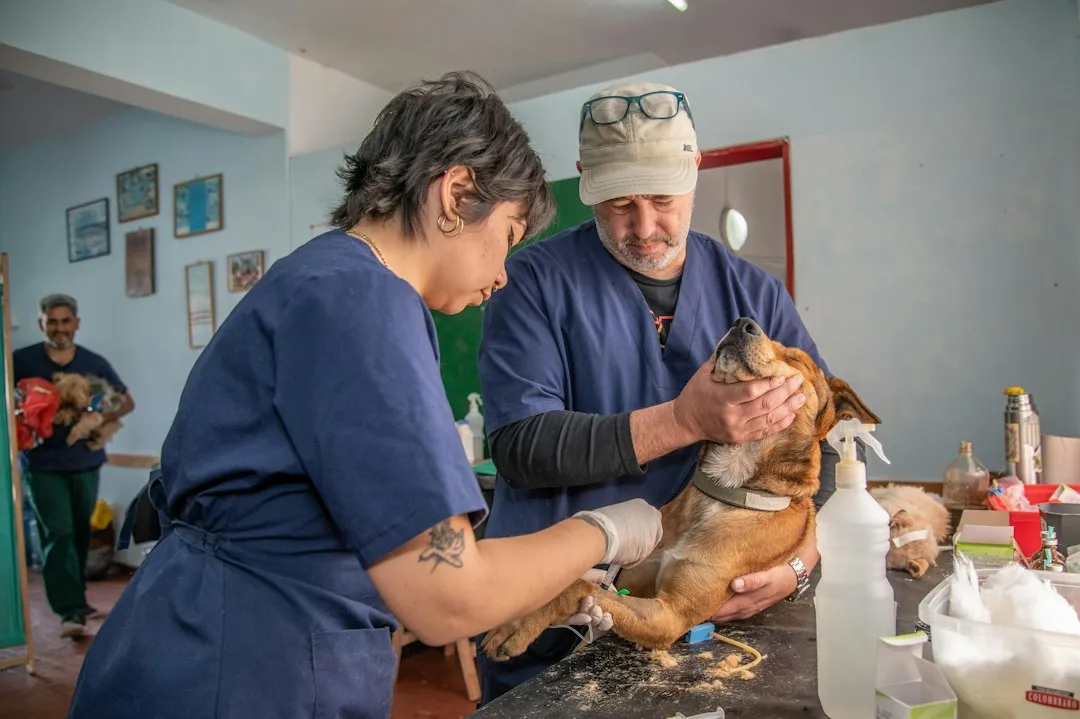
It’s important to rule out medical issues such as urinary tract infections or bladder stones, especially if accidents occur in other situations as well. A veterinarian can help confirm whether the cause is developmental or medical.
It is very important to rule out any medical conditions before tackling this problem, especially if the issue has arisen in a previously house-trained dog. Some medical conditions that may explain loss of bladder control include gastrointestinal upset, dietary change, urinary incontinence especially in elderly dogs or spayed females, and urinary tract infection. If you’re unsure, start with a vet visit before focusing on behavioral training.
The Takeaway
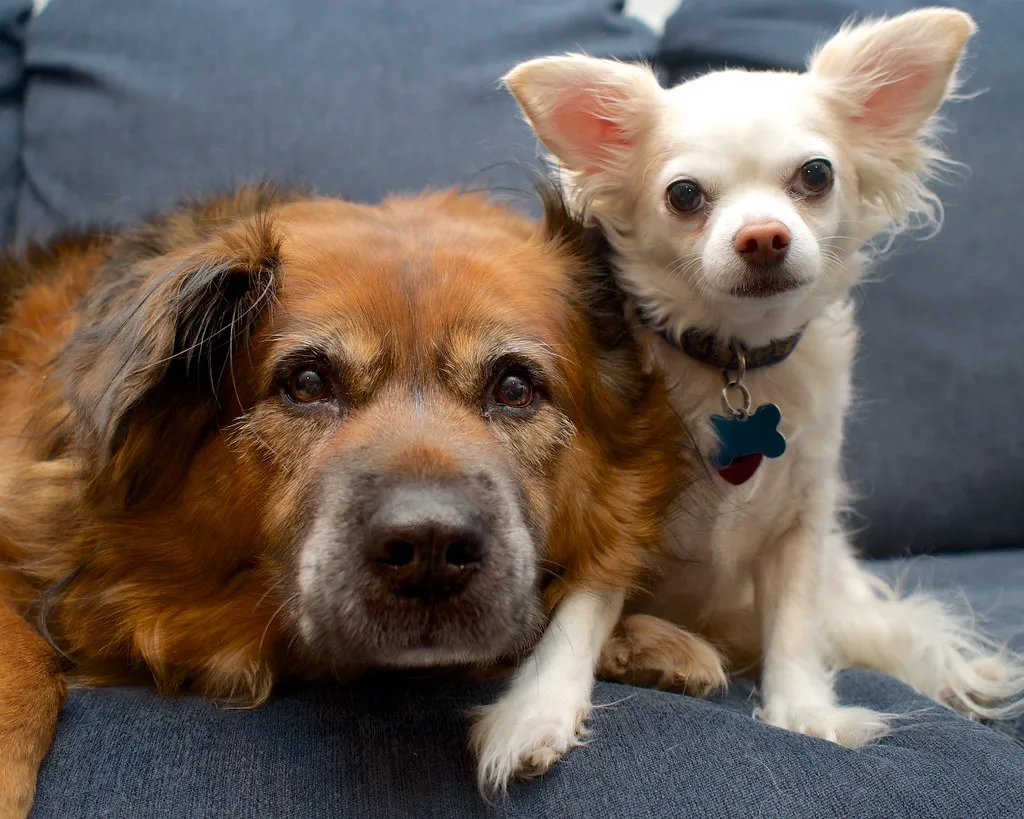
A dog that dribbles a little when you walk through the door isn’t broken, badly trained, or doing it to spite you. Submissive urination is an involuntary reflex, not a housetraining failure. When a dog feels frightened, overwhelmed, or uncertain about an interaction, their body releases urine as an appeasement signal.
With age, many dogs grow out of this problem, perhaps either because they gradually become less excitable during greeting or because they develop greater urine control with sexual maturity. Patience, calm greetings, and consistent confidence-building are what actually move the needle. The puddle on the floor is, in its own way, your dog trying very hard to communicate something. It’s worth listening.
AI Disclaimer: This article was created with the assistance of AI tools and reviewed by a human editor.