
1. What Are Your Certifications and Training?
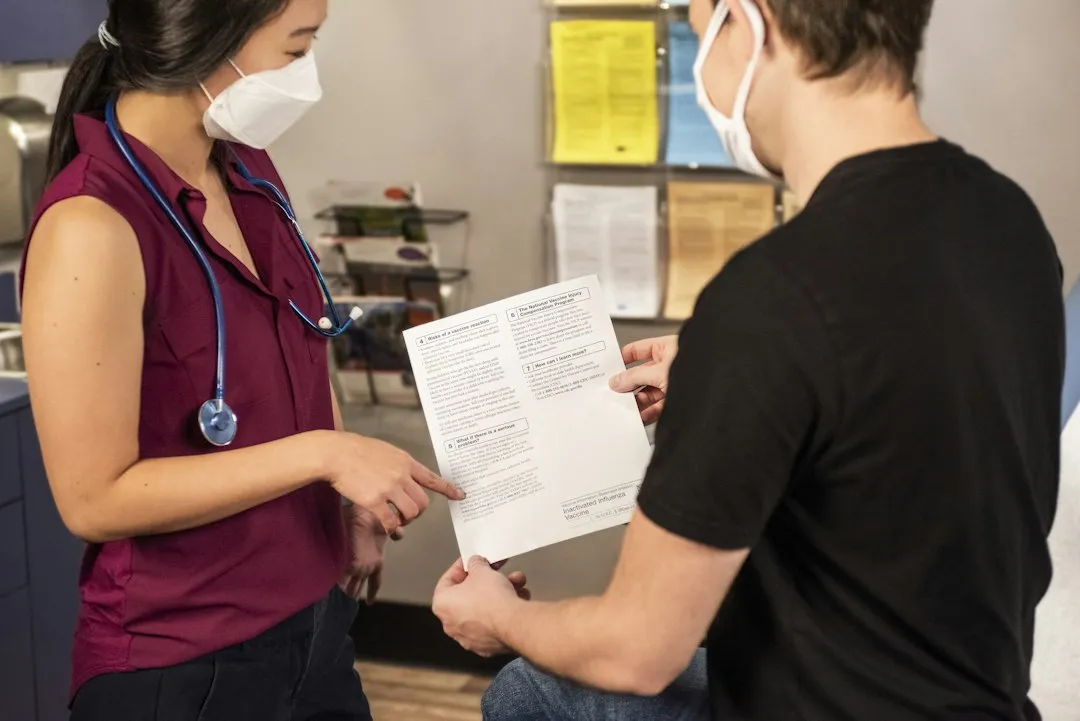
Credentials are a practical starting point, not a formality. Many states require home health aides to undergo clinical training and receive formal certification, though the exact requirements vary considerably depending on where you live. Asking directly about certifications reveals both the aide’s qualifications and their commitment to the field.
Beyond the baseline, it’s worth asking about ongoing training. CPR and first aid training are worth confirming, as is whether the aide has received any ongoing training recently. The home care field evolves, and an aide who pursues continuing education is generally more prepared for the unexpected.
Home health aides play a vital role in enhancing a patient’s quality of life and helping them achieve the highest possible level of functioning. That role demands real competence. A certification isn’t a guarantee of quality, but its absence is a red flag worth taking seriously.
2. Have You Worked with Someone Who Has My Loved One’s Specific Condition?
General caregiving experience matters, but condition-specific experience matters more. Someone who has worked with dementia patients brings a fundamentally different skill set than someone who has primarily helped with post-surgical recovery or mobility support. Asking whether an aide has experience with specific conditions, such as Alzheimer’s or dementia, can reveal whether they are truly prepared for your situation.
This question allows you to gauge a candidate’s familiarity with tasks that are commonly carried out on the job. A thoughtful answer usually includes not just the diagnosis but how they adapted care routines to the person’s needs. Vague or overly generic answers here are worth probing further.
This question also invites candidates to share other relevant experiences that aren’t reflected on their resume, which can include informal caregiving for family members or community work that shaped their approach. Sometimes the most valuable experience isn’t the most official one.
3. Can You Pass a Background Check?

This question isn’t about distrust. It’s about due diligence. About one in six people aged 60 and older experienced some form of abuse during 2023, according to the World Health Organization. Rates of abuse against older people have increased since the COVID-19 pandemic and are predicted to continue rising as many countries face rapidly aging populations.
In the United States, an estimated five million seniors are victims of financial exploitation, physical abuse, or neglect each year, and an estimated 84 percent of elder abuse cases go unreported, according to the U.S. Senate Special Committee on Aging. That underreporting is part of why screening matters before someone enters a home, not after something goes wrong.
Background check requirements vary by state but commonly include state criminal history checks, federal FBI fingerprint checks, sex offender registry searches, OIG/LEIE exclusion list screening, and state-specific abuse and neglect registry checks. If you’re working with an agency, ask specifically what their vetting process covers. Background checks help home care agencies screen prospective caregivers before hiring them, but the depth of those checks varies widely.
4. What Does a Typical Day of Care Look Like for You?
This open-ended question cuts through rehearsed answers. A good aide should be able to describe their daily routine in concrete, specific terms: how they greet a client, how they handle meals, how they manage medication reminders, how they adapt when something shifts. Walking through a typical day in their role as a home health aide reveals how organized, attentive, and consistent they actually are.
It’s worth asking what types of activities of daily living they assist with, whether they’re comfortable helping with mobility, bathing, and toileting, and whether they can assist with meal preparation and medication reminders. These aren’t minor details. They’re the core of what daily support looks like for most clients.
Personality also surfaces in this answer. Personality compatibility is hugely important because your loved one has to be comfortable with this person, and they’re going to see them multiple times a week. Someone who describes their day with warmth and specificity is usually someone who genuinely pays attention.
5. How Do You Handle Emergencies?

Every home care situation carries some degree of medical risk. A fall, a sudden change in vital signs, a medication error, or an unresponsive client can happen on any shift. Asking how they handle emergency situations should produce a clear, practiced answer rather than hesitation or vague reassurance.
Home health aide interviews should check, among other things, how an aide responds when a patient falls or refuses care, and how they chart a visit. These scenarios test both practical training and sound judgment under pressure. An aide who freezes in ambiguous situations, or who makes independent clinical decisions outside their scope, creates real risk.
The best answers typically reference a clear protocol: notify the appropriate person, document what happened, and follow the care plan. Ensuring the safety and well-being of patients isn’t a feeling, it’s a procedure, and a prepared aide can articulate exactly what that procedure looks like.
6. How Do You Communicate with Family Members?
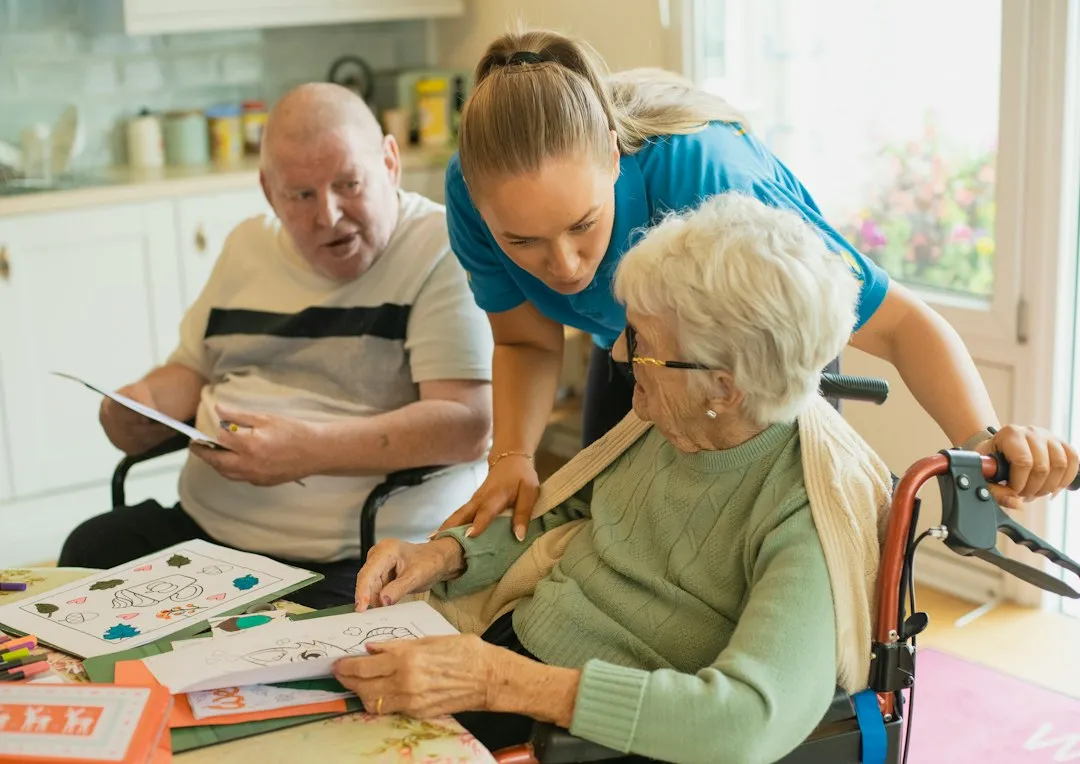
The relationship between a home care aide and a client’s family is often what makes or breaks the arrangement. Families need to stay informed without micromanaging. The aide needs enough autonomy to do their job well. Good communication is what makes that balance possible. Asking how they communicate with family members about a patient’s care, and how they’ve worked as part of a healthcare team, gives you a window into their professional habits.
An aide who actively works to keep family members or other caregivers up to date on the condition of their patient is one who understands that home care rarely happens in isolation. There are often physicians, therapists, and other support workers involved, and consistent communication ties all of that together.
It’s also fair to ask how they handle disagreements with clients or family members. How they handle conflicts or disagreements with patients or their families tells you whether they approach difficult conversations with professionalism or avoidance. That matters enormously when care needs evolve or expectations need to be adjusted.
7. Can You Provide References, and Are You Affiliated with a Licensed Agency?
References aren’t just a formality, they’re a chance to hear from someone who has actually experienced this person’s care firsthand. Asking for references related to past clients and employers is one of the most direct ways to verify that an aide’s self-presentation holds up in practice. A good aide will typically offer references without hesitation.
The question of agency affiliation carries real weight. If you’re working with an agency, it’s worth asking what their process is if you’re not satisfied with an aide, whether they provide a written care plan, and whether they accept Medicaid, Medicare, or long-term care insurance. These are structural questions that shape the entire care arrangement.
The industry itself is enormous and still growing. Employment of home health and personal care aides is projected to grow 18 percent from 2025 to 2035, much faster than the average for all occupations. The median caregiver turnover rate was 75 percent in 2024, which means consistent, stable care isn’t something to take for granted. Vetting an aide thoroughly, or vetting an agency’s own vetting process, is one of the most practical ways to reduce that instability before it affects your family.
Beyond the Interview: What to Watch For

An aide is someone being let into your parent’s home unsupervised. They have access to valuables, medications, and financial information, which is why no single question should carry all the weight. The interview is a starting point, not a verdict. Pay attention to how the candidate listens, how they respond to nuanced scenarios, and whether their demeanor feels appropriate for the role.
Home health aides need to have strong interpersonal communication skills and be confident in their ability to care for patients, and these skills are best evaluated in person, which is why the interview portion of the hiring process is so important for this role. Trust your read on the conversation, while also confirming it with documented credentials and real references.
The average annual cost of a home health aide is $77,792, with a private room in a nursing home costing $127,750, according to Genworth’s 2024 data. That cost gap makes home care an economically sound choice for many families, but only when the right aide is in place. Spending time on careful selection upfront pays dividends that are difficult to put a number on.
Final Thoughts
There’s no perfect script for choosing a home care aide. But there is a meaningful difference between rushing into a placement and taking the time to ask thoughtful, specific questions. The seven areas covered here represent the practical core of what families need to know before making this decision.
The home care sector now employs roughly 4.3 million workers, making it the single largest occupation in the United States. Within that workforce, quality ranges enormously. The questions you ask before saying yes are the filter that makes all the difference.
Good care is built on trust, and trust is built on transparency. Ask the hard questions early, verify the answers where you can, and remember that the goal isn’t just competence. It’s finding someone your loved one can actually feel safe around.
AI Disclaimer: This article was created with the assistance of AI tools and reviewed by a human editor.