
Flour Is Not a Fixed-Volume Ingredient
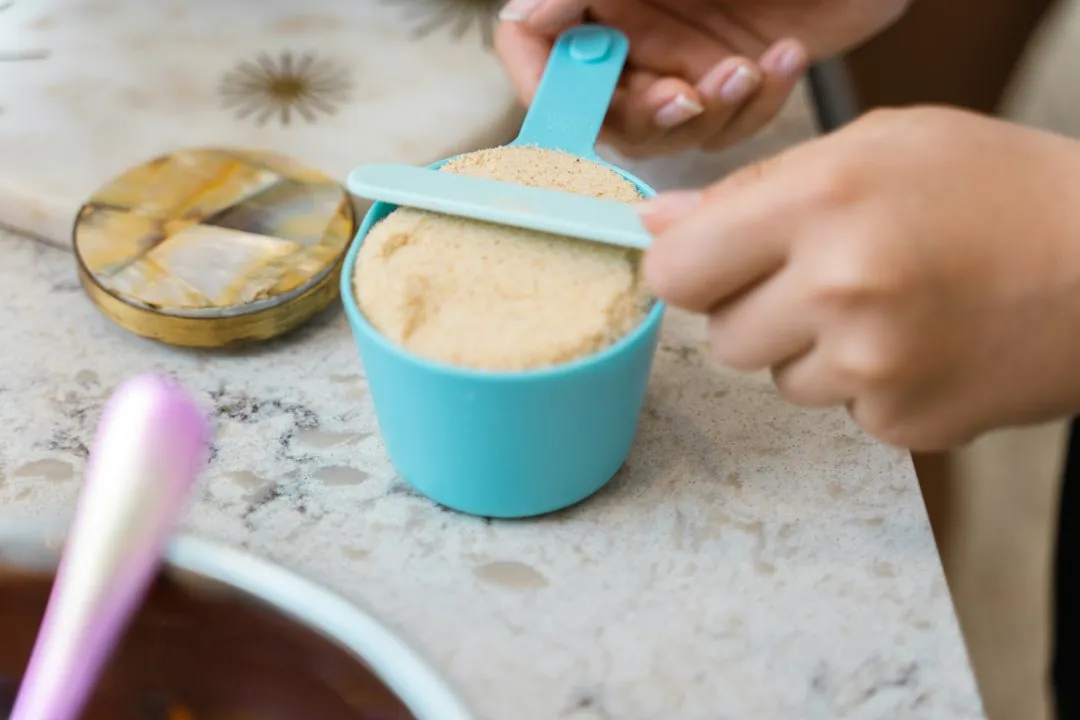
Flour is not a fixed-weight ingredient. Its density changes every time you handle it, and scooping packs extra flour into the cup while proper technique keeps it more consistent. The problem is that “proper technique” varies from person to person, and even from moment to moment in the same kitchen.
Flour behaves differently from many other dry ingredients because it is light, airy, and easily compressed. When you dip a measuring cup directly into a bag or bin, the cup pushes through the flour and packs it down. That packed flour weighs more than flour that has been aerated and spooned lightly into the cup.
Flour tends to compact with transportation and storage, and there is also the problem of humidity affecting its density. Neither of these things, however, will affect the weight of flour.
The Weight Variation Is Bigger Than You’d Think
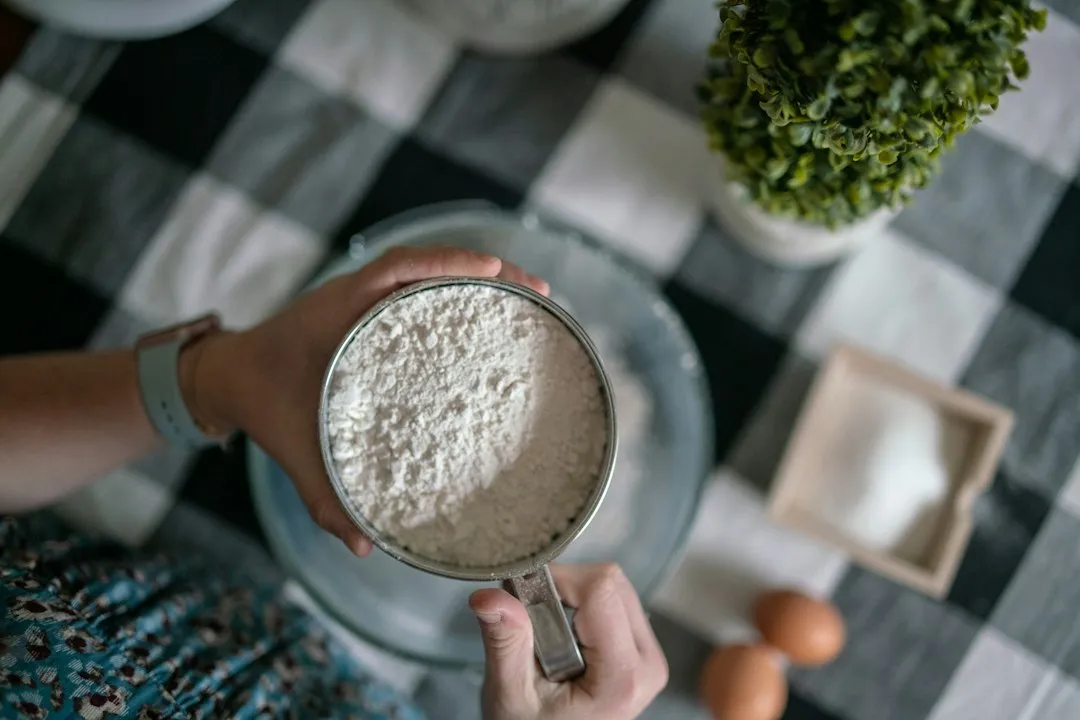
A measuring cup of flour can swing ten to twenty-five percent by weight. That might sound modest, but in baking, that margin is enormous. A recipe built on precise ratios falls apart quickly when your starting point is already off by a quarter.
Measuring flour by volume is wildly inconsistent because it all depends on how densely the flour is packed into the cup. If the flour is more condensed, a cup can hold up to 160 grams of all-purpose flour. If you fluff, scoop, and level as recommended, a cup will hold around 120 grams.
That 115 to 160 gram range represents up to a thirty-nine percent difference in flour weight from a single cup. Put simply, two people following the exact same recipe, using the exact same measuring cup, can end up with radically different amounts of flour without either of them doing anything obviously wrong.
Scooping Technique Creates Hidden Errors
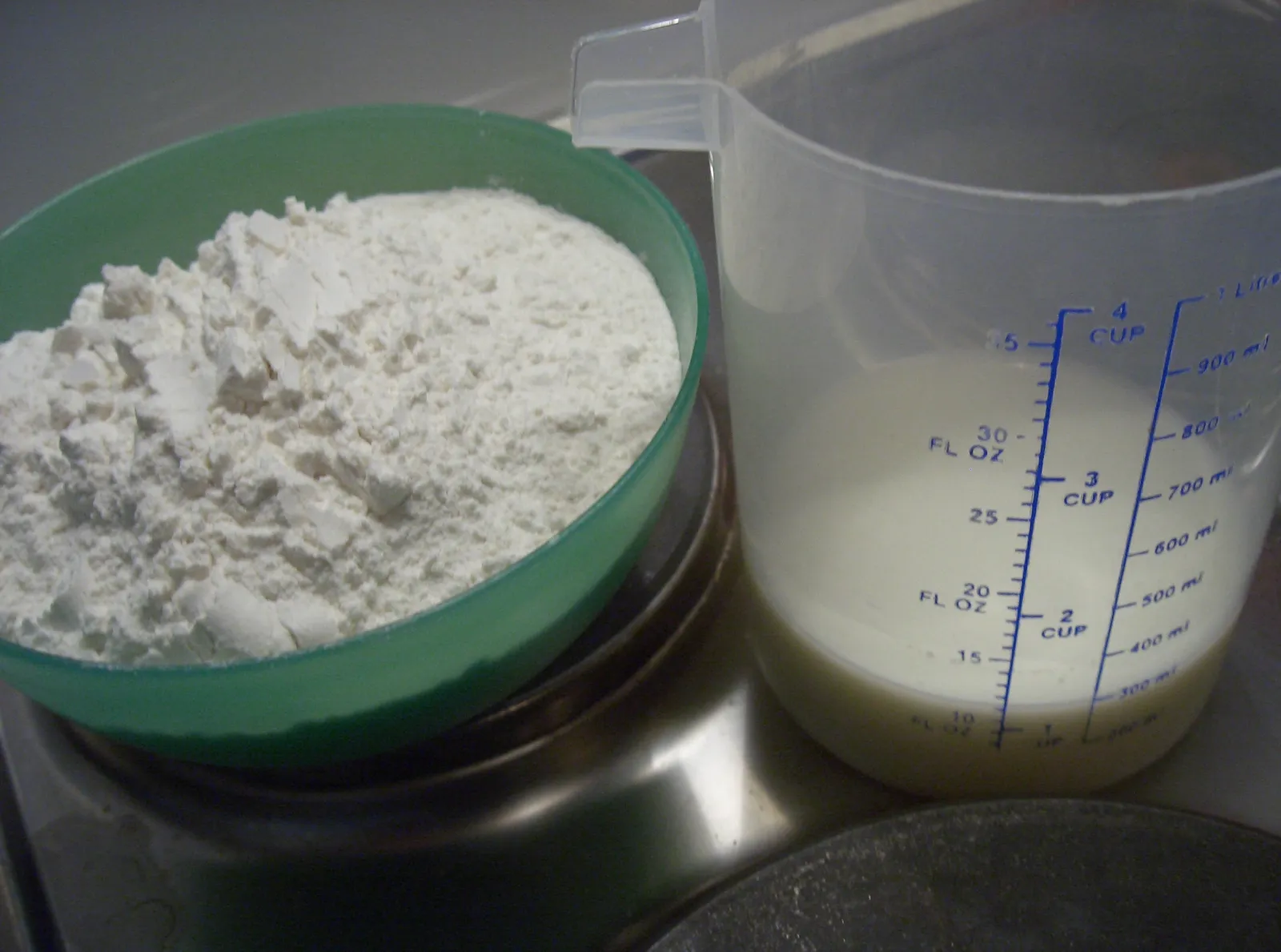
The correct way to measure flour is to spoon it loosely into your measuring cup and then level off the top with a knife. However, many bakers use the dip and sweep method, dipping their measuring cup into their bag of flour, which has the effect of packing the flour into the cup. This can create a totally different amount of flour.
J. Kenji Lopez-Alt from Serious Eats once completed an experiment with ten different people asked to measure a cup of flour. The results ranged from anywhere between four and six ounces. That’s a range wide enough to completely alter the texture of a baked good.
A multi-tester study documented by Cuisine at Home found that eight bakers measuring one cup of all-purpose flour produced weights ranging from 110 grams to 145 grams, a 35-gram spread around the 120-gram standard, depending solely on how each person filled the cup.
Humidity and Storage Conditions Change Flour’s Density
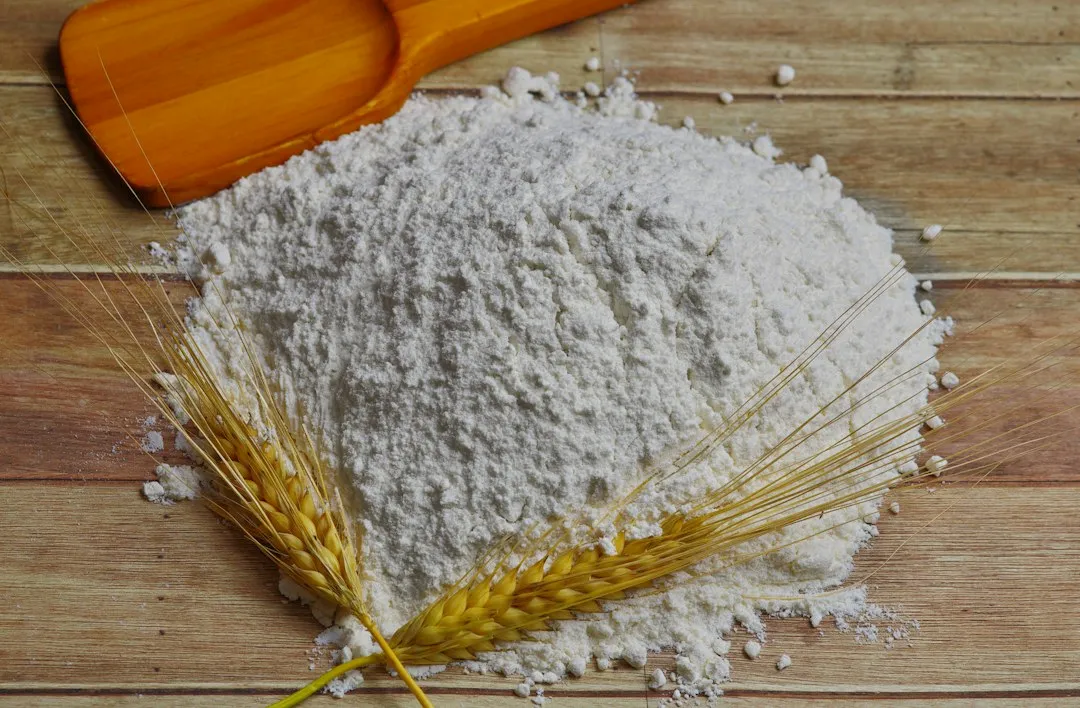
Volume can change based on technique, humidity, storage conditions, and how long the flour has been sitting in the container. This is a variable that most people never think about, yet it operates silently every time they bake.
Humidity is a real factor. Flour, sugar, cocoa, and baking soda all absorb water from the air. On a wet summer day, the same cup of flour weighs more than it did in dry winter air.
Settling is another factor. A bag of flour that bounced around in a grocery cart packs tighter than one that sat still on a shelf. The flour itself did not change, but the spaces between grains did. Weight is unaffected by any of this. A gram is a gram.
Different Flours Have Different Densities
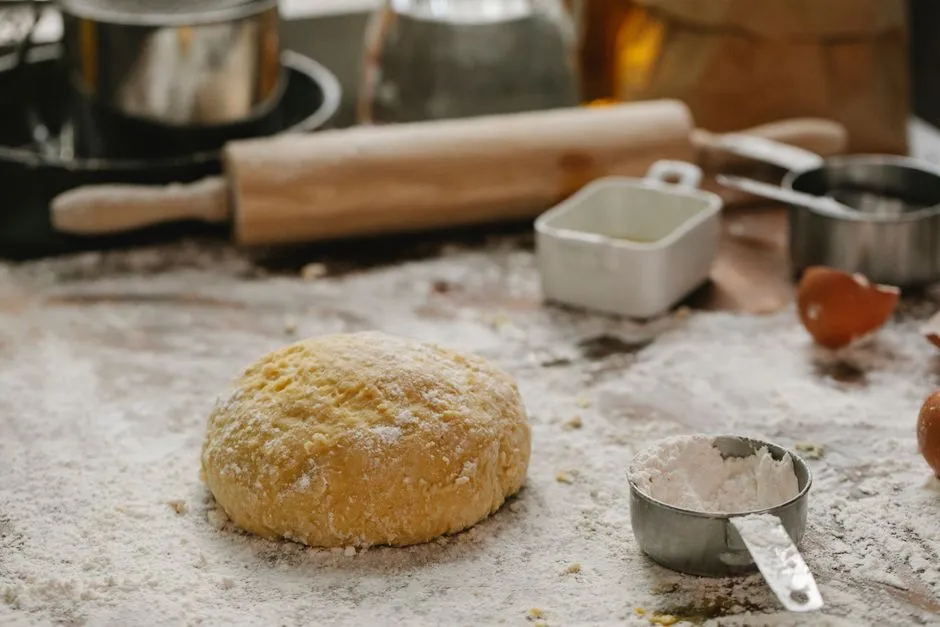
Wheat flour often weighs differently per cup than all-purpose flour, and softer flours such as pastry flour can also vary. That is because different flours have different grind characteristics, protein levels, bran content, and densities.
About 125 grams is standard for all-purpose flour measured by the spoon-and-level method. If you scoop straight from the bag you can end up with 150 grams or more. Bread flour is around 130 grams per cup and cake flour around 114 grams.
This means swapping one flour type for another while still relying on cup measurements introduces another layer of error. A cup of cake flour and a cup of bread flour are not interchangeable quantities, even if they occupy the same physical space.
Baking Is Chemistry, and Chemistry Needs Accurate Ratios
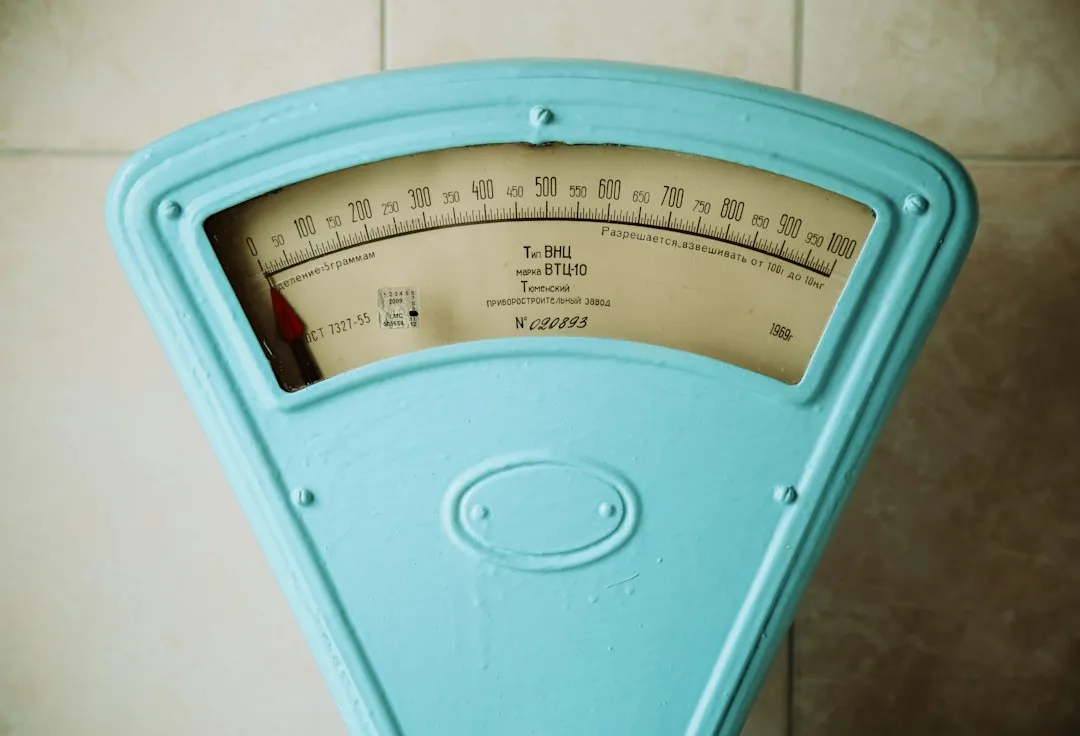
The deeper reason professional bakers weigh is chemistry. Baking is a set of chemical reactions that depend on ratios, specifically flour to water. Push any of those ratios off by ten percent and the bake responds. Push them off by twenty-five percent and the bake becomes a different food.
Baking is not like cooking, where you can add a little extra of this ingredient or leave out that ingredient. Baking is all about precision and accuracy so that you can achieve consistent results.
When measuring flour, the difference can be even more extreme, up to three to four tablespoons per cup. That means you might be adding up to three-quarters of a cup of additional flour to a typical bread recipe. That is not a minor adjustment. That is a structurally different dough.
Professional Bakers Use a System Called Baker’s Percentage
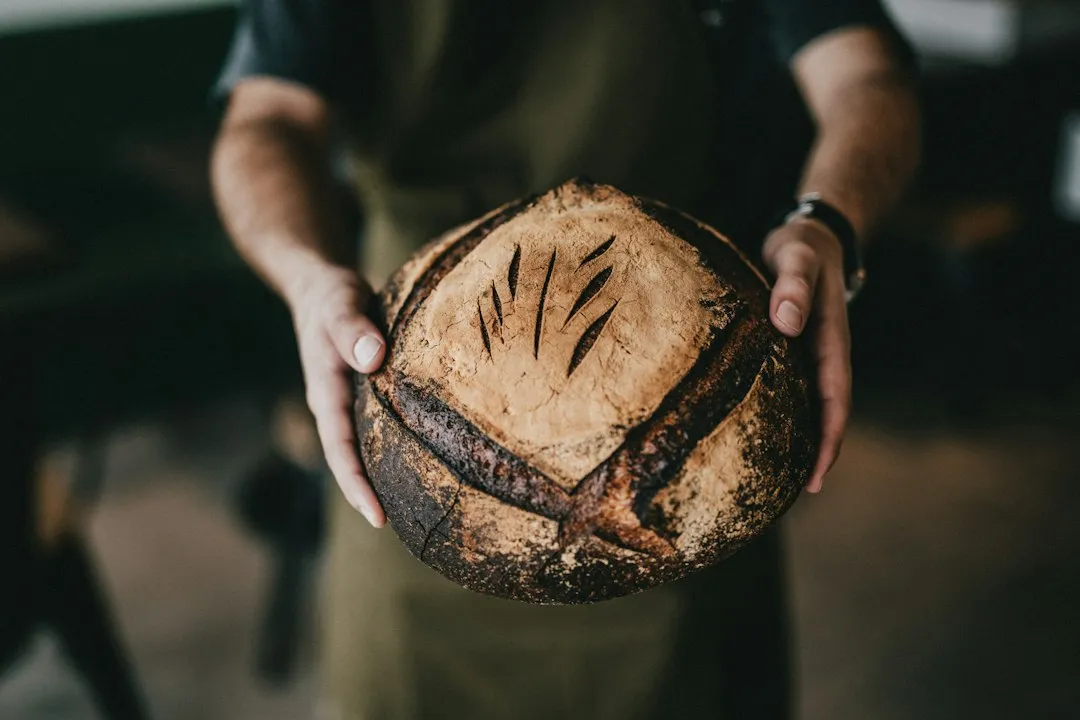
Baker’s math is a system that uses ratios, known as baker’s percentages, to measure ingredients in relation to the total weight of flour in a recipe. Instead of relying on volume measurements like cups, professional bakers weigh ingredients and calculate percentages to keep every batch consistent, no matter the size.
In baker’s percentage, flour is always set at 100 percent, and every other ingredient is calculated as a percentage of that flour weight. This method is used internationally to express formulas for bakery products such as pan bread, buns, rolls, cookies, cakes, crackers, and doughnuts. The system lets a baker predict how a dough will behave just by looking at its percentages.
Once you understand it, you can scale any recipe in seconds, diagnose a sticky dough before you’ve even touched it, and read a formula you’ve never seen before and know exactly how it’s going to behave. None of that is possible when working in cups.
Scales Are Faster, Cleaner, and More Consistent
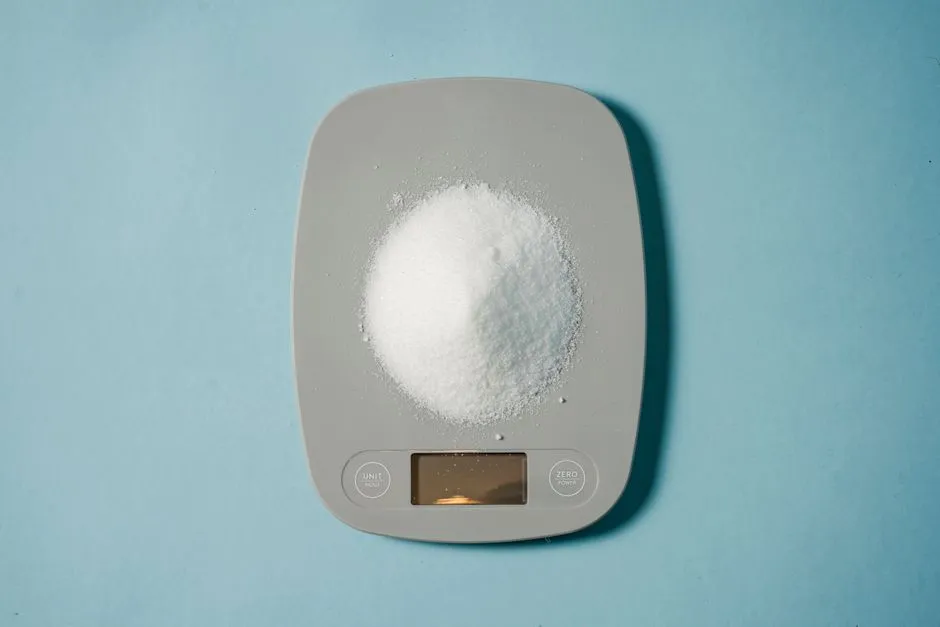
All you need to do is zero your scale, place the ingredient on the scale, and you’re done. You can even weigh one ingredient after another, in the same bowl, by simply zeroing your scale each time. That means fewer dishes, less mess, and no flour dusted across the counter.
There are several reasons the scale method wins. It is faster once you get used to it. It is cleaner because you use fewer measuring cups. Most importantly, it removes the inconsistency that comes with scooping and leveling.
If you are running a bakery program, even on a small scale, weighing flour should be the default. It helps standardize recipes across staff and reduces the chance that one batch turns out differently from the next. That consistency matters whether you’re baking two loaves or two hundred.
Measuring Cups Have Their Own Design Flaws
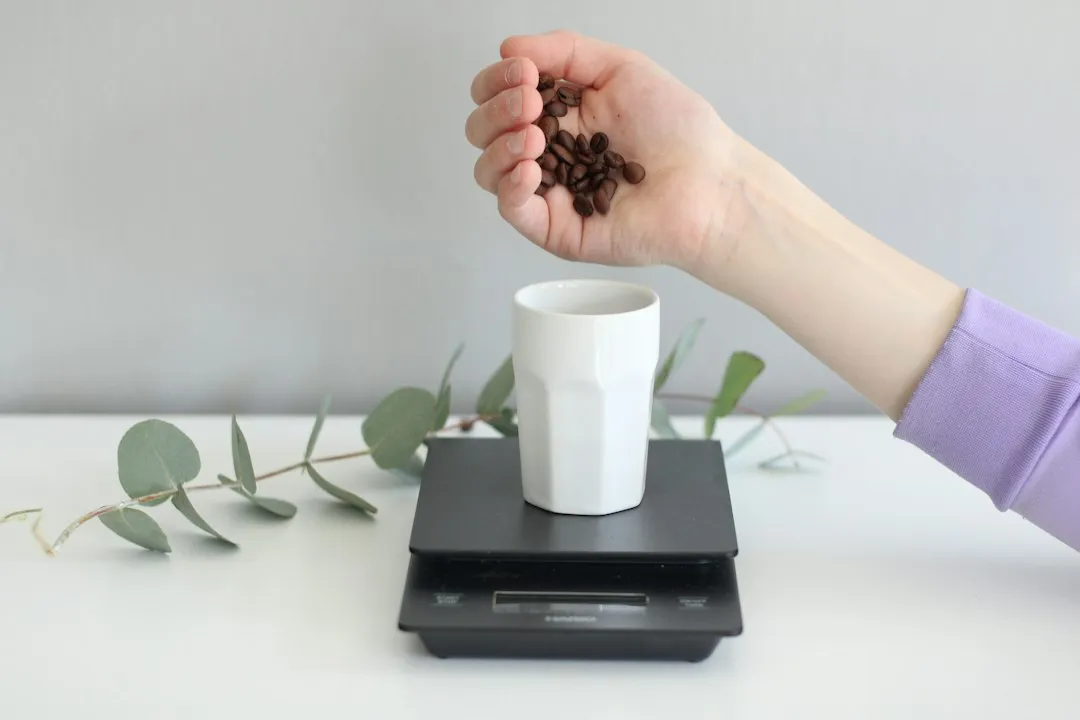
The scale doesn’t lie, but the typical measuring cup does. In fact, many trusted measuring cups are not up to test-kitchen standard. Then there’s the fact that many cup-users simply aren’t doing it right.
While dry measuring cups are more likely to be accurate than liquid measuring cups with their sometimes random line markings, a lot depends on how you fill the cup. The tool itself is only half the problem. The human using it is the other half.
Using a dry cup for liquids tends to result in overfilling, while using a liquid cup for flour makes leveling impossible. Most home kitchens contain a mix of both types, and the distinction often goes ignored.
Weighing Flour Is the Standard Everywhere Outside the U.S.
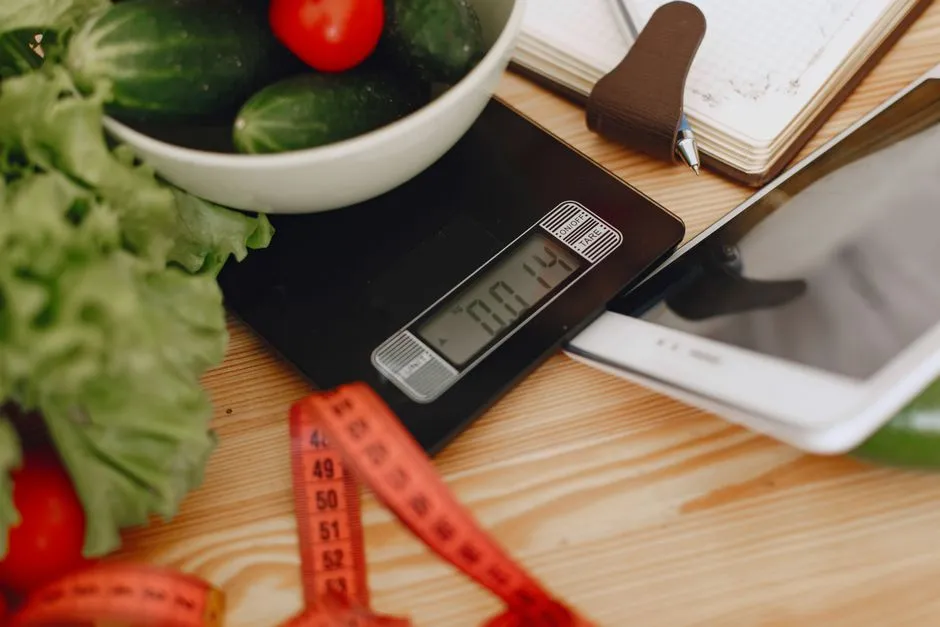
American bakers trying authentic British recipes are often surprised to find that English recipes tend to give ingredients in weights, like grams or ounces, rather than in cups, American style. This isn’t a cultural quirk. It reflects a more reliable system.
The reason home bakers in the United States haven’t adopted weight measurements is largely because digital scales were once hard to find and, if you could find one, they were expensive. That barrier is effectively gone now. Reliable digital kitchen scales are widely available and affordable.
Professional formulas and more precise baking recipes increasingly rely on grams instead of cups. King Arthur’s baking guides and reference materials consistently recommend using a digital scale for the best accuracy and repeatability. The shift is already happening in home kitchens too, and it’s well overdue.
The Takeaway
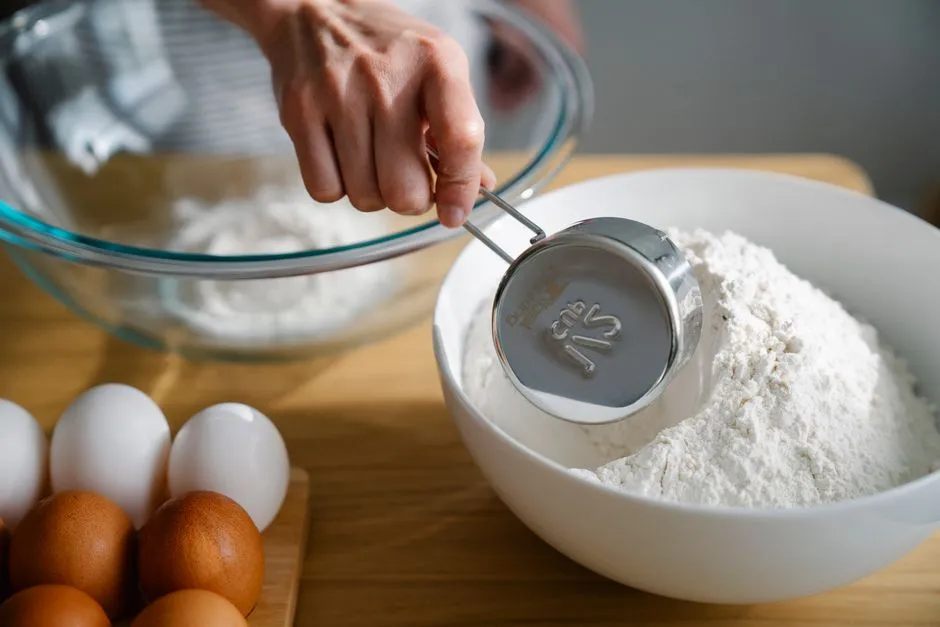
The measuring cup isn’t going anywhere soon, and for some baking tasks it works just fine. But for anything where texture, structure, and consistency matter, flour needs to be weighed. The evidence is clear, from controlled experiments to professional kitchen standards to the basic chemistry of how dough behaves.
A kitchen scale doesn’t require expertise. It just requires a small habit change. Once you make it, the difference in your baking tends to speak for itself.
AI Disclaimer: This article was created with the assistance of AI tools and reviewed by a human editor.