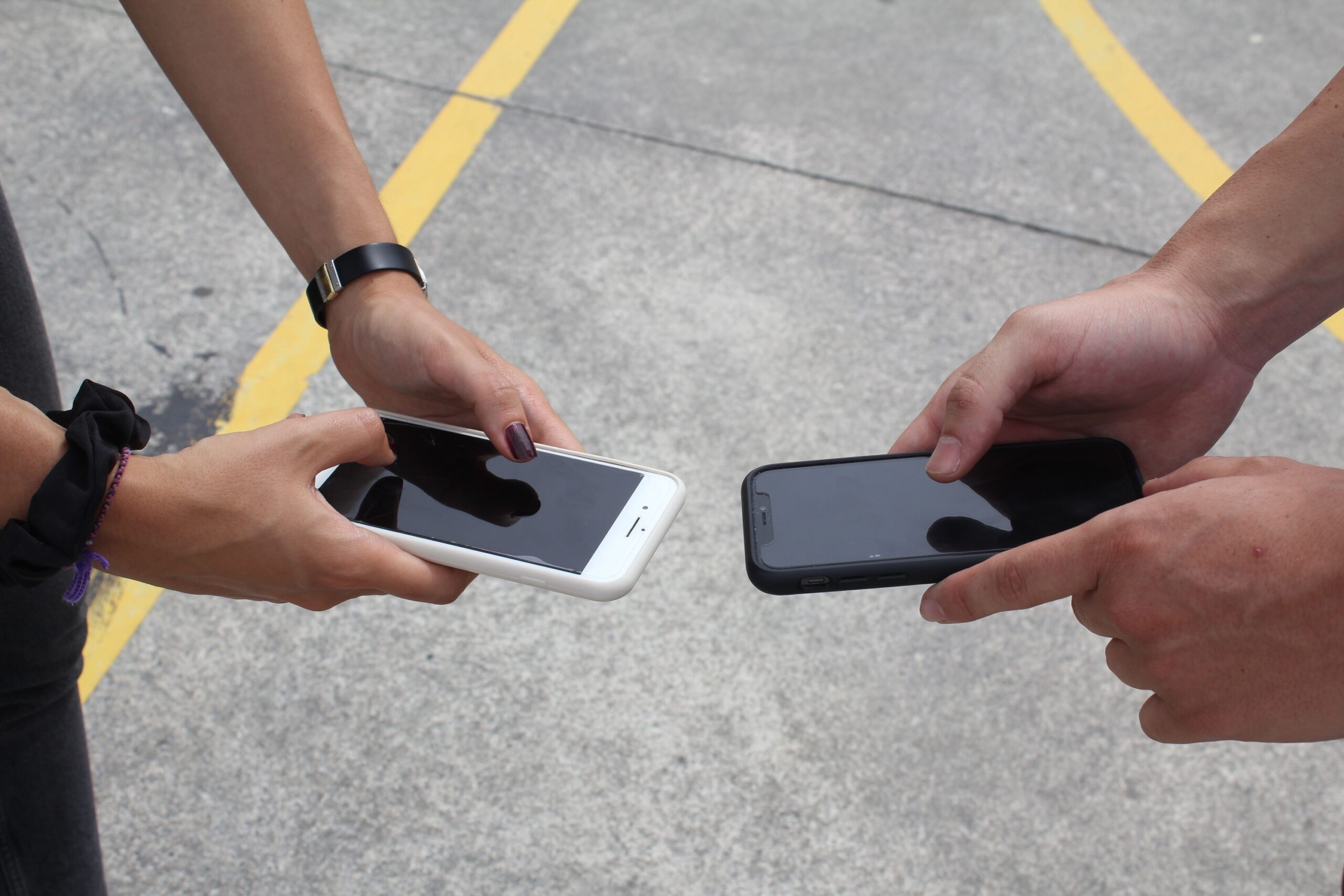

A Scam Built on Basic Human Instinct

The phone borrowing scam is effective because it’s personal and immediate. Unlike phishing emails or robocalls, this fraud happens face-to-face and plays on your instinct to help someone in need. That distinction matters. We have all been trained to watch out for suspicious links and robocalls, but far fewer people consider the danger in a live, in-person request.
A newer type of scam involves taking advantage of your kindness by asking to borrow your phone for some reason, and the scammer can get quick access to your sensitive financial data in a matter of seconds. The speed of the whole thing is what catches victims off guard. By the time the phone is returned, the damage may already be done.
How the Setup Actually Works

Across the country, reports have surfaced of people being approached in parking lots by people pretending to be in distress, saying they have lost their spouse, their child is upset, or they need to make an urgent call. The story varies, but the emotional pressure is consistent. Urgency is the weapon.
The scammer will pretend that it’s an emergency to get you to hand over your phone quickly and not doubt their intentions, but this can lead to bad consequences for you. They rarely seem threatening. They seem scared, flustered, or desperate. That presentation is entirely deliberate.
What Happens Once You Hand It Over

Once they get hold of an unlocked phone, they open mobile banking or payment apps like Zelle, Venmo, or Cash App, transferring funds or even taking out instant loans, all before handing the phone back. Victims often don’t realize what happened until they see large withdrawals or new loan accounts in their name.
One method is to install an app on your phone, which can allow the scammers to access your phone’s data or even mirror the screen. In other cases, the scammer, while pretending to use your phone, can install new applications or open existing ones to download personal information or change settings so that calls and messages are shared with their numbers, including alerts from banks.
Real Cases, Real Dollar Amounts

A moment of goodwill turned into a financial nightmare for one Atlanta woman who thought she was helping someone in need, only to find herself a victim of a scam. She was approached by a man claiming he had left his phone in a ride-share and alleged he was stranded without a way to contact his friends.
What she later learned was that the man had instead accessed her Venmo and Cash App accounts, transferring money from both before deleting the apps. She presumed he was trying to eliminate any trail of the theft. According to a police report, the man used her phone to steal a total of $6,696.32 from her accounts, transferring $4,665 from Venmo and $2,031.32 from Cash App.
One victim reportedly lost $7,000 after allowing someone to use her phone for “just a quick call.” Similar cases have resulted in millions of dollars in losses nationwide.
The “Virtual Pickpocket” Comparison

It’s called the “borrow your phone” scam, and police in multiple areas, as well as fraud experts across the country, are warning about it. Amy Nofziger, the director of fraud watch with AARP, likens this latest scam to a high-tech pickpocket.
Once they have your device, they go into your phone and find a peer-to-peer app, whether it’s Cash App, Venmo, or Zelle, and put in a phone number. You think they’re calling their loved one, but they’re actually transferring money out. Often you don’t realize they’ve gone into your Venmo, Cash App, or Zelle until you’re home and see the charge.
Children Are Used in Some Variations

Everyone with a cellphone should be aware of a scam happening in some cities. It involves a young person asking to use a phone. Two neighbors and total strangers were scammed out of money in seconds. They were each approached by a child riding a scooter who told them he needed help, saying his scooter ran out of funds and that he needed their phone to contact his mother.
One victim said she initially told the young person she would dial his mother’s number for him, but he insisted on texting instead. The boy claimed his mother used a government phone and didn’t receive calls. An hour later, she noticed an email saying her Cash App transaction was accepted, with a $1,100 transfer she had not authorized.
Police Departments Are Actively Warning the Public
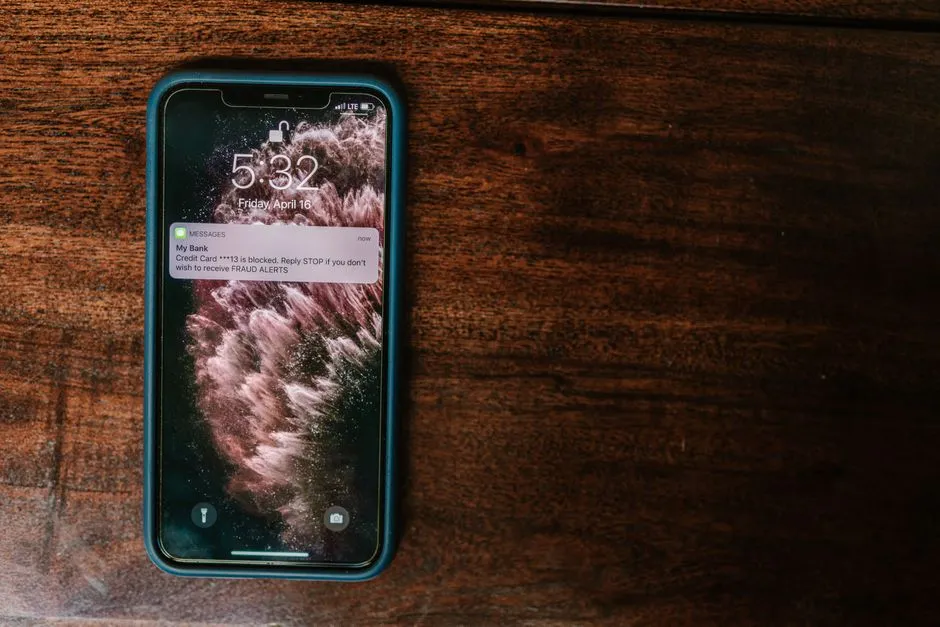
The Chesapeake Police Department is among those warning residents of a cellphone scam in which victims are being asked to lend their phone. Police advise caution if a stranger asks to borrow your phone and claims it is for an emergency, as the tactic is used by scammers to access personal info or transfer money through payment apps.
It’s a scam that has police departments from California to New York urging vigilance. The American Bankers Association and Microsoft have also cautioned against ongoing phone borrowing scams. The breadth of institutional warnings signals that this is not an isolated or regional problem.
Red flags to look out for include the stranger pressuring you urgently, asking to step out of sight with your phone, and being unable to provide clear details.
The Broader Scam Landscape It Lives Within
Malwarebytes data shows how effective scam attacks are becoming: roughly four in five people now say it’s hard to tell a scam from the real thing, up significantly from just a year ago. The phone borrowing scam thrives in that confusion. It does not rely on technology or a poorly worded email. It relies on your face and their performance.
The volume of phone scam calls increased from 2024 to 2025, and victims lose more to this type of scam than any other, according to the Federal Trade Commission. In the first half of 2025, victims lost an average of $3,690 to phone scammers. The in-person phone borrowing scam adds a physical dimension to a problem that is already growing.
What Scammers Can Do Beyond Stealing Money
Scammers may use your phone to charge unauthorized calls and generate revenue via tolls on your account, and they might attempt to gather personal information from your phone to exploit it for identity theft or other fraudulent activities. The theft does not always show up immediately as a cash withdrawal.
From intercepting OTPs to draining bank accounts, scammers can cause serious damage without victims even realizing it. The scammer, while pretending to use the phone, can install new applications or open existing ones to download personal information or change settings so that calls and messages are shared with their numbers. With this information, scammers have access to bank accounts and OTPs and can make unauthorized transactions, and can also change passwords.
How to Protect Yourself Without Being Unkind
If someone needs help, offer to call for them instead. Log out of financial apps when you are done using them. These two habits alone close most of the doors scammers rely on.
To protect yourself, police recommend politely declining or offering to make the call for them, keeping your phone locked when not in use, and staying alert. Keep your phone secured with Face ID, a PIN, or fingerprint lock, always. If someone is genuinely in distress, you can still help. You just do not need to hand over the device to do it.
If you believe you’ve been scammed, immediately contact your bank, change your passwords, and report the incident to the relevant authorities. Immediately contact your financial institutions if you see an alert for a transaction you do not recognize. If you contact the institution promptly, they may be able to trace, block, and possibly reimburse you for the transaction amount.
The Takeaway

Kindness is not a flaw. The impulse to help a stranger in apparent distress is one of the better parts of human nature, and scammers know that better than anyone. Your smartphone holds your personal information, financial details, and access to your entire digital world. Scammers know this and may try to trick you into handing it over, not to borrow it, but to steal from you. Once they have your unlocked phone, they can access your banking apps, digital wallets, and personal accounts in seconds.
Protecting yourself does not require suspicion of every person you meet. It only requires one simple shift: help the person, not the phone. Offer to make the call yourself, keep hold of the device, and walk away knowing you did something good without giving anything away.
AI Disclaimer: This article was created with the assistance of AI tools and reviewed by a human editor.