
The Hull Is Built to Be Tough
The outer shell of a pumpkin seed isn’t just decoration. According to a 2023 study published in ScienceDirect, pumpkin seed hulls are a rich source of insoluble fiber fractions comprising cellulose, hemicellulose, and lignin, which together form one of the toughest structural combinations in plant biology. That fibrous wall is designed by nature to protect the inner kernel through all kinds of conditions.
When you put a dry seed directly into the oven, you’re essentially trying to crisp a material that is structurally resistant to it. The hull is mostly tough cellulose, and dry heat dries it out and leaves it papery, while ten minutes in simmering water softens it enough to actually crisp in the oven. Skipping that softening step is where most people quietly go wrong.
Freshly Scooped Seeds Hold Far More Moisture Than You Think
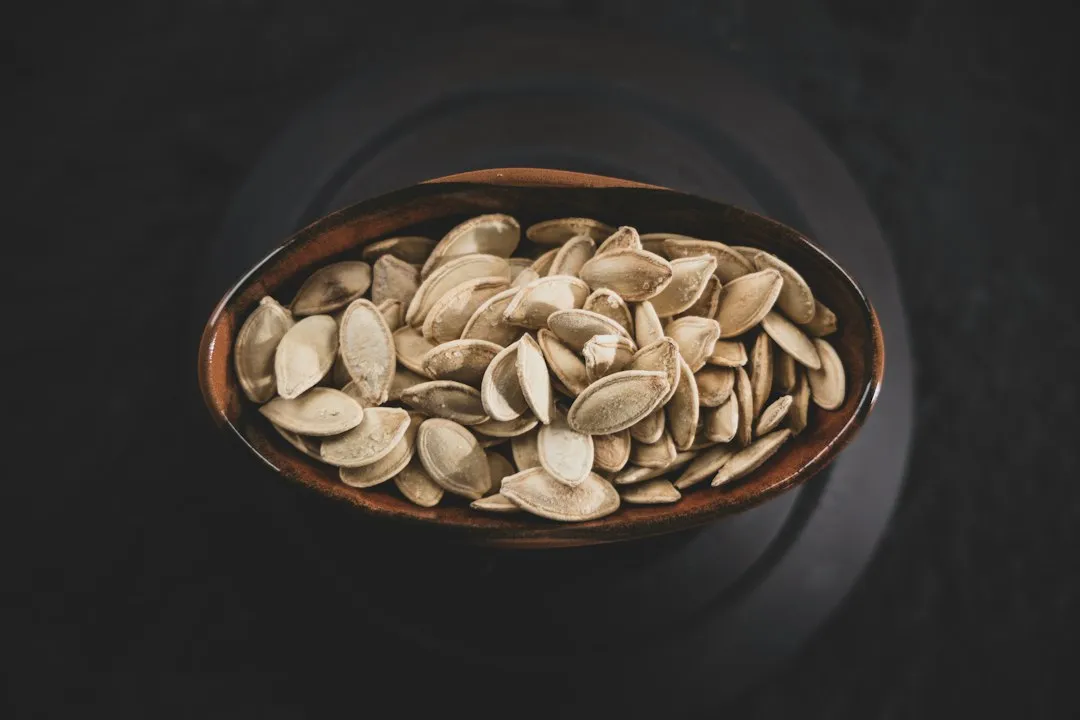
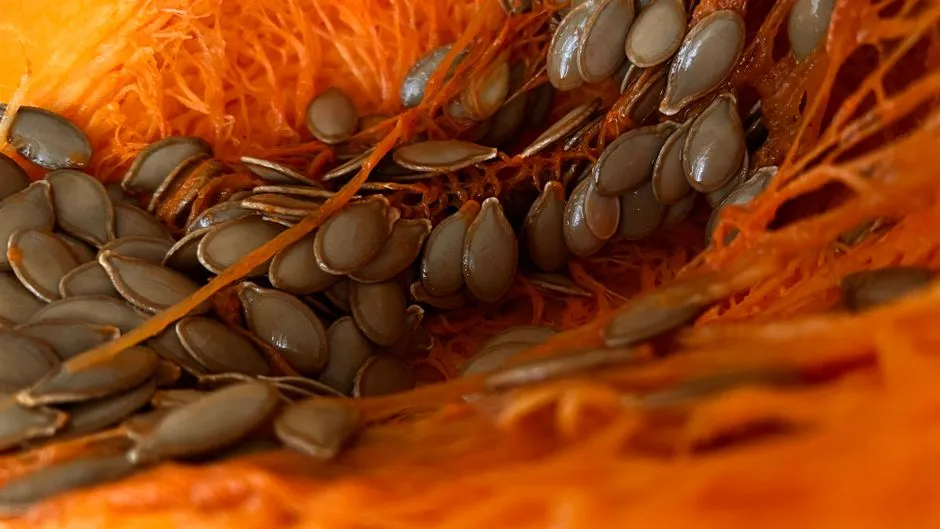
The moisture content of pumpkin seeds at harvest is high, sitting between 30 and 35 percent on a wet basis, so they must be dried for storage, transport, and processing. When you scoop seeds straight from a freshly carved pumpkin, they’re still carrying a significant water load inside and out.
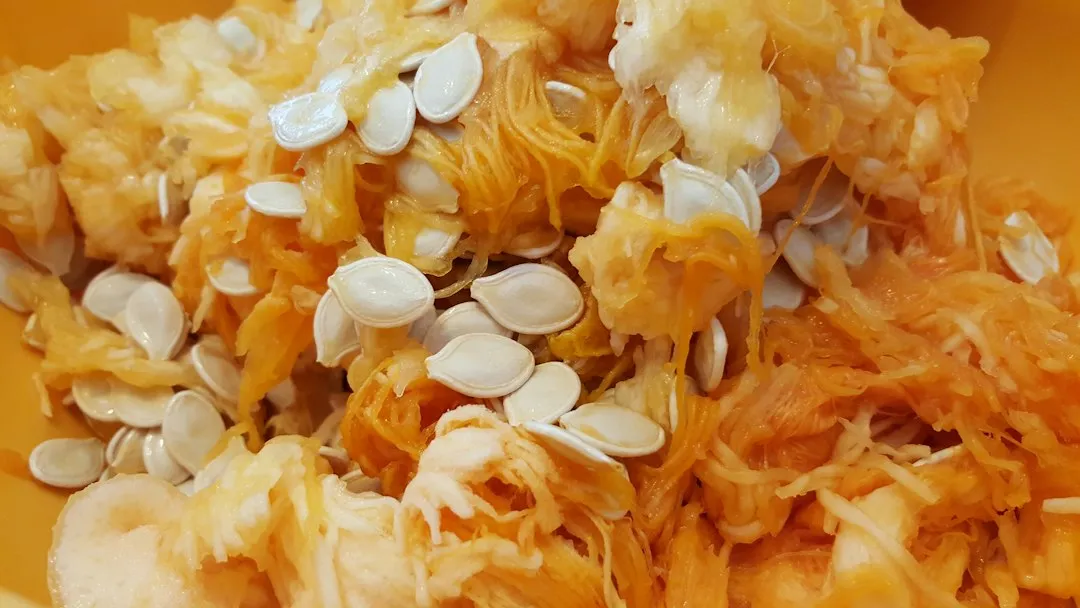
The enemy of a crunchy seed is moisture. When scooped from the pumpkin, the seeds are coated in a thick, sticky, fibrous layer of pulp, and this pulp holds an incredible amount of water. That sticky coating is the first obstacle, and rinsing alone doesn’t fully solve it.
Research published in a peer-reviewed journal confirms that an increase in roasting temperature from 110 to 160°C caused a decrease in moisture content of pumpkin seeds from 4.30% to 1.11%. Getting the moisture out, in other words, is the central job of roasting, not just flavoring.
What Happens in the Oven When Seeds Are Still Wet
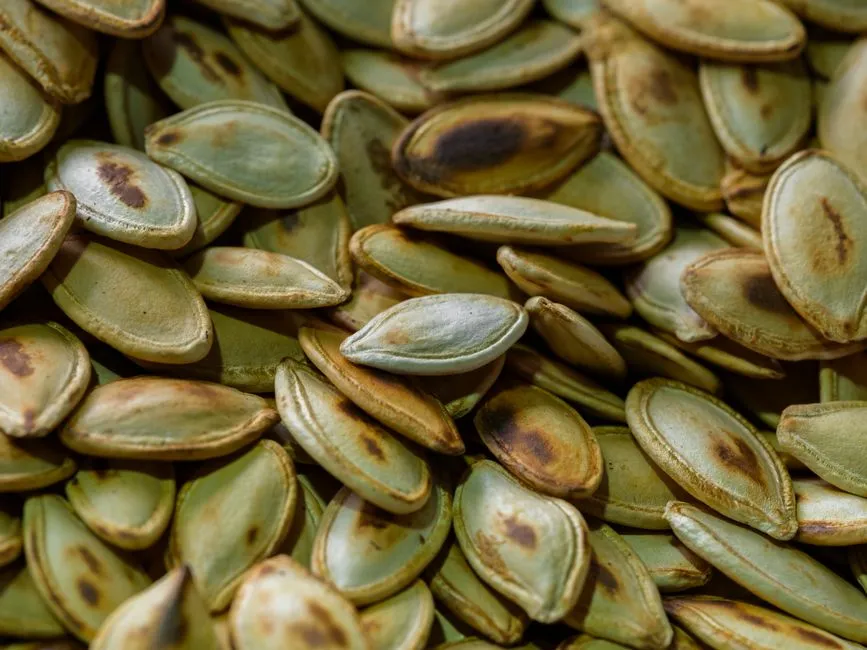
If the seeds or even microscopic bits of the pulp are introduced to the hot oven while still damp, they won’t roast; they will steam. That distinction matters more than most people realize. A steaming environment keeps the seed surface soft, not crisp.
When food containing water is heated, the water turns into steam. If there’s a lot of moisture, that steam can prevent the surface of the food from getting hot enough to brown, essentially steaming the food instead of roasting it. The oven becomes a sauna rather than a toaster.
Research also found that the Maillard reaction is less likely to occur in a higher moisture system, and elevated initial moisture content of seeds may result in diminished volatile formation during the roasting process. In plain terms, wet seeds don’t just come out chewy; they taste blander too.
Residual Pumpkin Pulp Makes Everything Worse
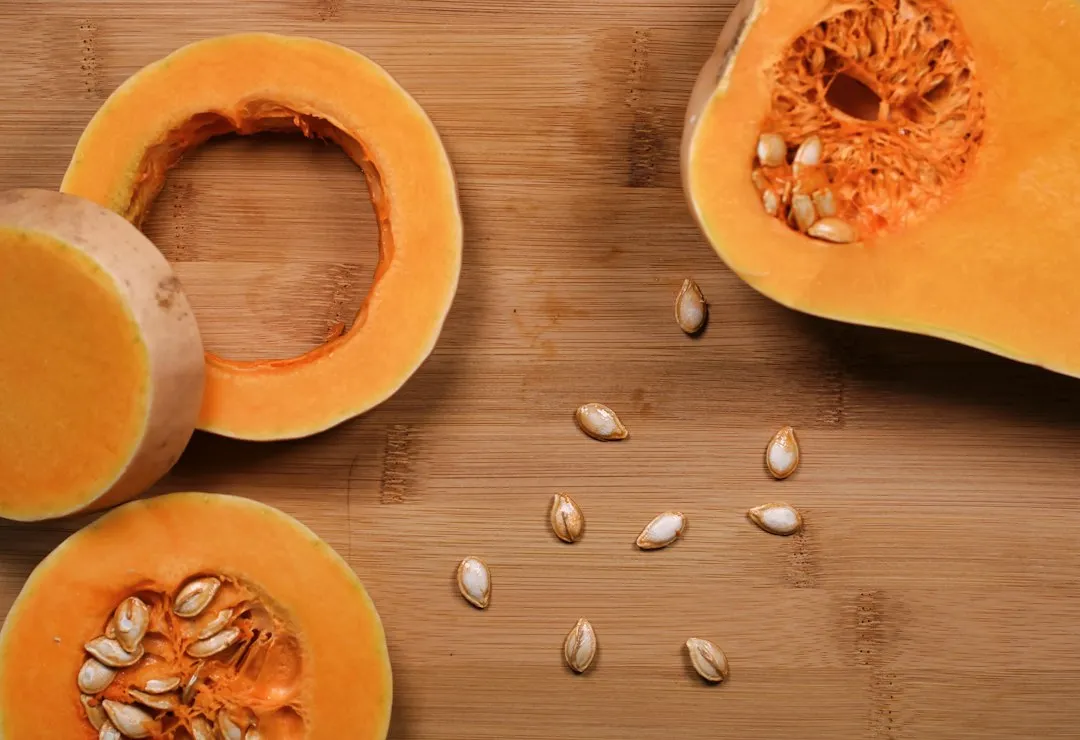
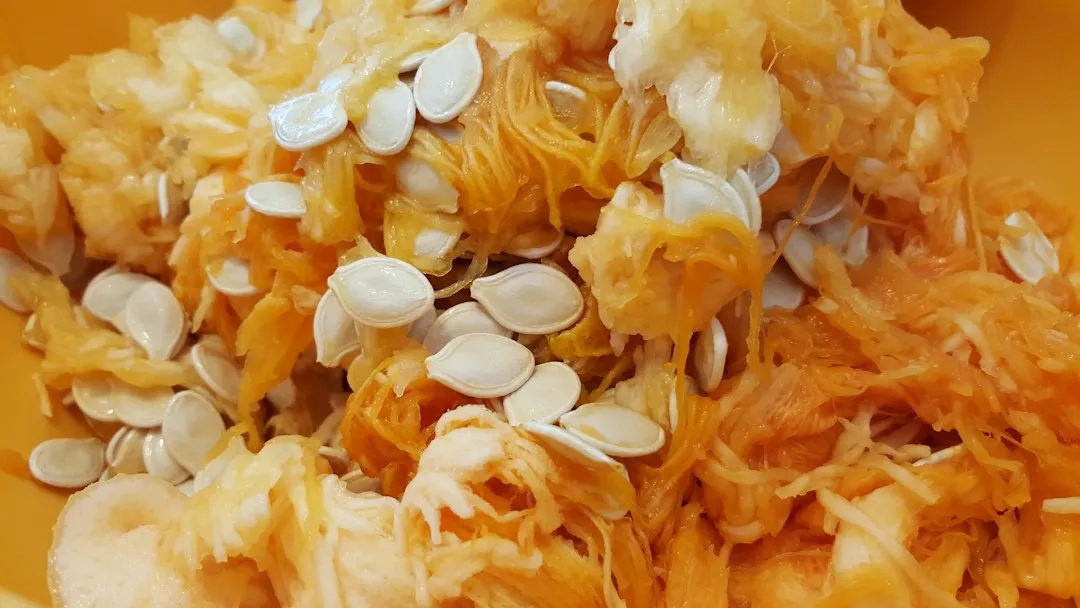
There are several reasons why roasted pumpkin seeds may be chewy. For starters, make sure there isn’t too much flesh still attached to the seeds before baking them. It’s also vital that the seeds are plenty dry after rinsing off the flesh. Pulp clings stubbornly, especially to seeds from large carving pumpkins.
The combination of warm water and salt helps dissolve the gluey proteins that bind the pulp to the seeds. If the pulp is exceptionally stubborn, the trick is to bring the seeds and salted water to a low simmer for about five minutes. This denatures the proteins instantly, allowing the pulp to slide right off.
The Boiling Step Most Recipes Skip
Pre-boiling sounds like unnecessary effort, but it changes the texture of the final product in a way that simple rinsing can’t match. Boiling is optional, but it helps soften the tough outer shell and allows salt to flavor the inner seed kernel. Boiling seeds in salted water for 10 minutes produces a lighter, crispier texture after baking.
Boiling seasons the kernel inside the shell, not just the outside, and it softens the shell slightly so it roasts up crisp and light rather than tough. This is the dual benefit: better texture and deeper flavor at the same time. Pumpkin seeds that are dry roasted without boiling stayed very hard, chewy, and leathery, while pumpkin seeds that were boiled first then roasted became crispy and crunchy.
Drying Thoroughly After Rinsing or Boiling Is Non-Negotiable
Once seeds are clean and rinsed, many people go straight to the oven. That’s the second common mistake. This is the step most people skip, and it’s why their seeds come out chewy. Water on the surface has to evaporate before the seeds can start to crisp.
Drying the pumpkin seeds before roasting is key to crispness. Excess surface moisture creates steam in the oven, slowing browning and resulting in chewy seeds. Dry them well between clean towels, or air dry overnight. This yields evenly browned and crisp seeds.
For those in a hurry, patting seeds firmly between two kitchen towels and letting them rest for even 20 to 30 minutes at room temperature makes a visible difference. Overnight air drying is ideal, but not always realistic.
Pan Crowding Creates a Steam Trap
Even perfectly dry seeds can turn out soft if you pile too many onto a single baking sheet. If seeds are crowded together, they’ll steam and soften instead of becoming golden brown and crunchy. The moisture released from one seed becomes the problem of the seed right next to it.
Once it’s time to bake the seeds, make sure they aren’t crowded on the pan. Spread them evenly and in a single layer on the baking sheet. If you’re working with a large pumpkin yield, use two pans or roast in separate batches. It’s a small extra step that makes a real difference.
Temperature Strategy Matters More Than Just “High Heat”
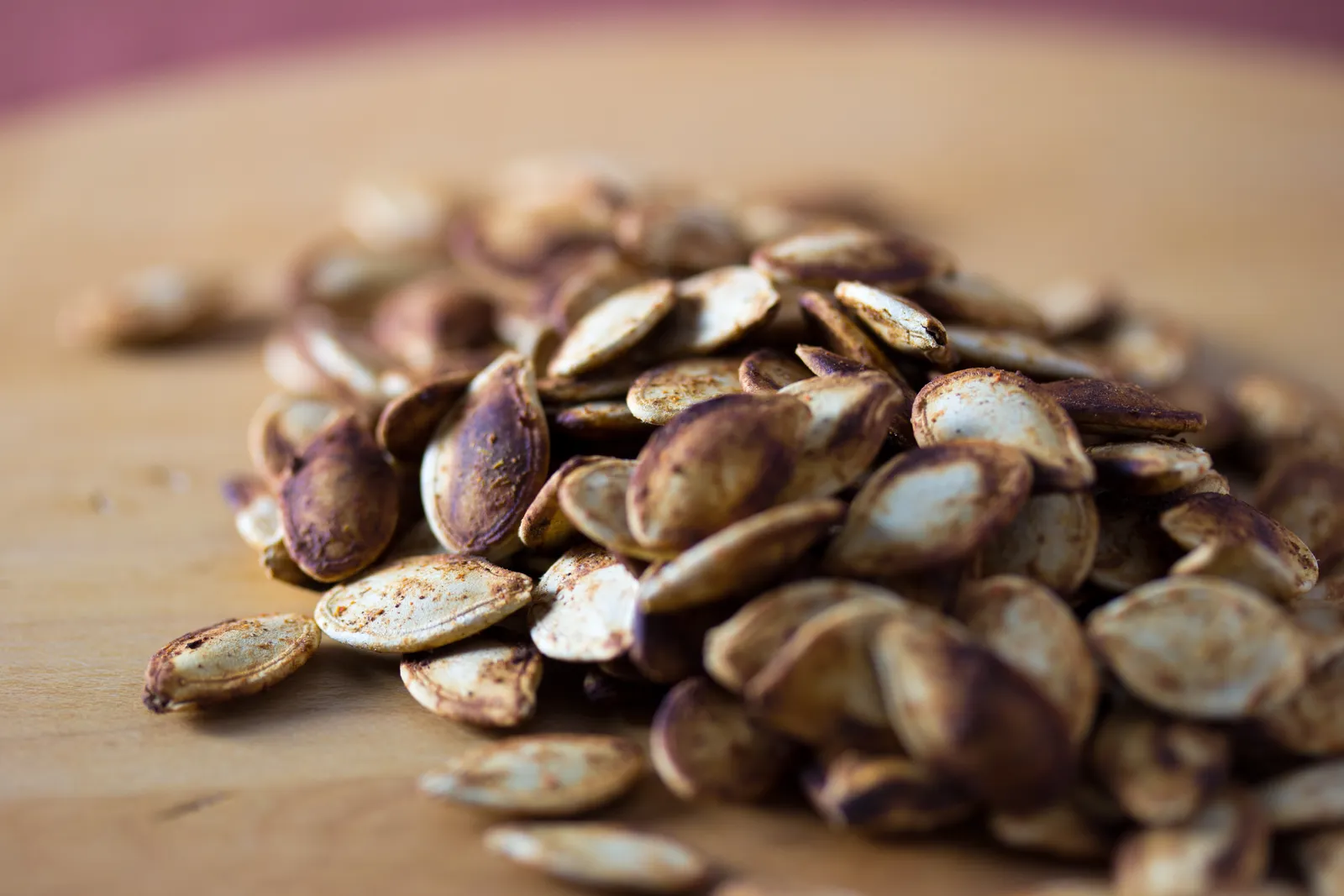
There’s a persistent idea that higher heat always equals crispier seeds. The reality is more nuanced. A moderate oven dries the seeds out before the outsides brown too much. At higher temperatures, the shells can scorch before the inside is crisp.
One well-tested approach is a two-stage method: roasting the pumpkin seeds in a 250°F oven helps them cook evenly inside and out so they don’t burn before they’re cooked through, but to make the seeds crispy, they have to be finished in a higher-temperature oven. Pushing too hard too fast produces a shell that looks done but hides a chewy interior.
It’s also worth noting that the FDA has noted that acrylamide, a chemical that has caused cancer in animal studies at very high doses, can form in plant foods during high-temperature roasting, baking, and frying, and the agency’s advice is to avoid excessive browning or charring. Light golden is the goal, not dark brown.
Cooling on the Pan Is Part of the Process
Seeds don’t finish crisping the moment they leave the oven. Let them cool completely, because seeds keep crisping as they cool. Tasting one while it’s still hot can fool you into thinking a batch needs more time when it actually just needs a few more minutes at room temperature.
Cool a sample before judging its crunch. A golden shell alone does not tell you whether the inside is dry. Patience at this last stage is just as important as the drying step at the beginning. Transfer the dry and crisp pumpkin seeds to a bowl or plate to cool down to room temperature. Removing from the hot pan prevents burning. You can place them on top of a piece of paper towel to avoid steaming.
How to Rescue a Chewy Batch
If you’ve already roasted a batch and the seeds came out soft, all is not lost. If you followed the preparation steps but still ended up with slightly chewy seeds, it means a small amount of residual moisture remained trapped within the shell. This is easily salvaged. Return the seeds to the oven and increase the temperature to 350°F.
Pumpkin seeds become chewy if they were not dried completely before roasting or if too much oil was added. Bake them longer at 350°F or re-toast damp seeds in the oven until dry and golden. Too much oil is a less obvious culprit, but a heavy hand with olive oil essentially recreates the steaming problem from a different angle. A light, even coat is all that’s needed.
Store rescued or freshly roasted seeds correctly too. Moisture is the main enemy of crispy snacks, so cool seeds completely before packing them away. Allow roasted seeds to rest on the baking tray at room temperature until no heat remains. Sealing warm seeds inside a container traps condensation, quickly turning crispy husks soggy and stale.
The Takeaway
Chewy pumpkin seeds almost always come down to one thing: moisture that wasn’t fully removed before the seeds hit the oven. The hull is tough by design, the pulp holds water stubbornly, and the oven will steam whatever dampness you carry in. Address that sequence, and crisp seeds follow almost automatically.
The fix isn’t complicated. Clean them well, consider a short boil in salted water, dry them patiently, spread them in a single layer, and roast at a moderate temperature. None of those steps require special equipment or skill. They just require knowing where the problem actually starts.
AI Disclaimer: This article was created with the assistance of AI tools and reviewed by a human editor.