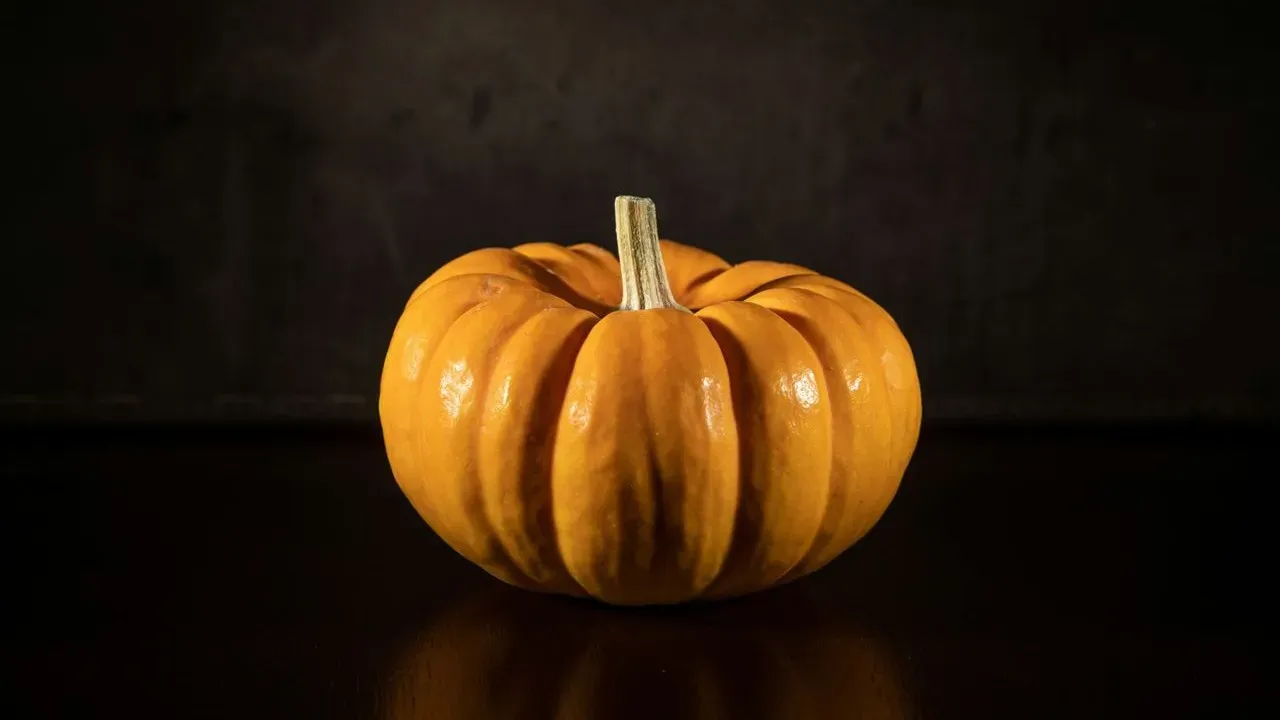

Miami-Dade County Public Schools has teamed up with Fertile Earth for the second annual Pumpkin Smash, an event that turns leftover Halloween pumpkins into a lesson in sustainability. Eleven schools across the county are taking part, building on last year’s collection of 6,850 pounds. The goal this year is to double that total while teaching students practical ways to reduce waste. ([1])
Why Pumpkins Need a Second Life
After Halloween, millions of pumpkins end up in landfills where they decompose and release methane. This program gives those pumpkins a different path by collecting them from families and schools for reuse. The effort highlights how simple actions at the community level can cut down on unnecessary waste. It also shows students that seasonal items do not have to become trash once the holiday ends.
Local organizers see the event as a timely response to growing interest in reducing food-related waste. By focusing on pumpkins right after the holiday, the program catches families while the items are still fresh in their minds. The approach keeps the activity practical and tied to a visible local tradition.
Last Year’s Strong Start
The first Pumpkin Smash proved popular, drawing participation from multiple schools and yielding more than three tons of pumpkins. That initial success gave organizers confidence to expand the effort this year. Students at Carver Elementary School in Coral Gables took home the Golden Pumpkin Award, recognizing their strong collection numbers.
The results demonstrated that children can play a direct role in environmental efforts when given clear opportunities. Families responded positively once they learned the pumpkins would not simply be discarded. The numbers provided a clear benchmark for measuring growth in the second year.
This Year’s Expanded Goals
Organizers have set an ambitious target of collecting more than 13,700 pounds across the eleven participating schools. The increase reflects both higher expectations and greater awareness after the first event. Schools are encouraging families to drop off pumpkins at designated collection points rather than throwing them away.
Competition remains friendly, with Carver Elementary hoping to defend its title. Other schools are mobilizing students and parents to gather as many pumpkins as possible before the deadline. The drive adds a sense of purpose to what might otherwise be routine cleanup after the holiday.
Lessons in Sustainability
Participants learn about food recovery, composting, and broader sustainability practices through hands-on involvement. The activities connect the act of smashing pumpkins to larger ideas about resource use and waste reduction. Students see firsthand how organic material can be redirected instead of lost.
The program fits into ongoing efforts by Miami-Dade schools to weave environmental education into everyday routines. By linking the event to measurable collection goals, organizers make the concepts concrete rather than abstract. Families gain simple takeaways they can apply at home in future seasons.
Looking Ahead
The second annual Pumpkin Smash shows how a focused local initiative can grow quickly when it taps into community habits. With clear targets and student involvement, the effort is positioned to make a larger impact this year. Success will depend on continued family participation and school coordination in the weeks following Halloween.
Events like this remind residents that small changes in disposal habits can add up across a large county. The emphasis remains on practical results rather than broad promises. As the collection period unfolds, the outcome will reveal how much further the program can reach in its second year.
AI Disclaimer: This article was created with the assistance of AI tools and reviewed by a human editor.