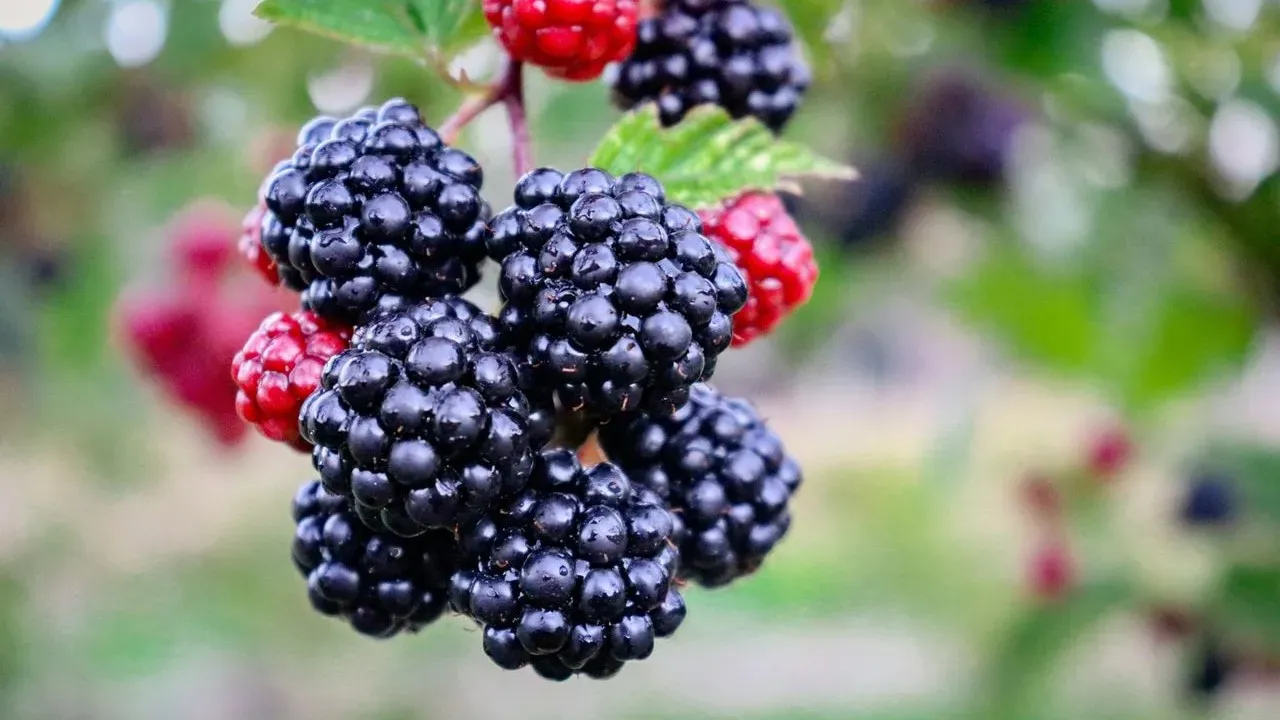

Boysenberry plants deliver sweet-tart fruit through the warmer months before their canes die back to the ground. The roots remain alive and ready to send up new growth in spring, provided gardeners take steps to shield the plants from extreme cold. In colder regions, that protection often determines whether the bushes return at all. ([1])
Why These Hybrids Need Extra Care
Boysenberries belong to the rose family, yet they prove more delicate than many expect. The hybrid requires full sun and well-drained soil, and it can tolerate only limited frost once properly acclimated to shorter days. Without additional winter measures, plants in Zones 4 through 7 risk losing the primocanes that will produce next season’s crop.
The contrast between their summer bounty and winter vulnerability creates a clear seasonal rhythm for growers. Roots stay perennial while the above-ground canes must endure dormancy under insulation or cover.
Prune Before the First Frost
Correct pruning directs the plant’s energy into strong, productive canes. Keep five to seven healthy primocanes per plant and shorten their laterals to about twelve inches. Remove all spent floricanes that have already fruited, since they no longer contribute and may harbor disease.
Sharp, clean shears make the job efficient. Early fall timing allows the cuts to heal before temperatures drop, reducing stress on the remaining stems that will overwinter.
Insulate With Straw and Optional Burying
Straw mulch provides lightweight, effective insulation that lets new shoots emerge freely in spring. Apply at least eight inches around the entire root and cane area. Snow that settles on top adds another layer of natural protection while the straw also moderates moisture around the roots.
In the coldest zones, growers sometimes bend dormant primocanes to the ground, cover them lightly with soil, then pile on the straw. Marking the location prevents accidental damage until the soil thaws and the canes can be uncovered again.
Guard Against Winter Predators
Food becomes scarce for wildlife once leaves fall. Deer, rabbits, and even larger animals may browse the tender canes. Mammal repellents or sturdy netting secured over the mulched plants help keep browsers at bay through the dormant months.
These simple barriers preserve the canes that survived pruning and mulching, ensuring the bushes emerge intact when growth resumes.
A modest investment of time in late fall rewards gardeners with healthy plants and another round of flavorful berries the following summer. The cycle of die-back and renewal continues when the bushes receive the protection they need.
AI Disclaimer: This article was created with the assistance of AI tools and reviewed by a human editor.