
Air fryers have become kitchen staples for quick, crispy results, yet many users overlook habits that can damage the appliance or leave food unsafe. Everyday choices like the wrong spray or an overloaded basket often cause the biggest issues, according to safety guidance from health agencies and appliance makers. The original reporting draws on CDC alerts and manufacturer manuals to separate real risks from simple cooking preferences. ([1])
The Stuffed Chicken Safety Alert
Raw frozen breaded stuffed chicken products top the list of items that require extra caution. These items can appear fully cooked on the outside while remaining underdone inside, which raises the risk of foodborne illness. The CDC has specifically advised against relying on air fryers or microwaves for these products and recommends oven cooking to a verified internal temperature of 165°F.
Other frozen chicken items may carry air fryer instructions on the package, but only if the label confirms they are fully cooked. Always use a food thermometer in the thickest part rather than judging doneness by color or time alone. This step applies to poultry, ground meats, and leftovers reheated in the appliance.
Protecting the Appliance from Damage
Nonstick cooking sprays with additives can harm the basket coating over time. Extension services recommend a light coating of plain oil instead, applied directly to the food in a bowl. Aerosol sprays are often discouraged in the manual for certain models because residues build up and affect performance.
Paper, cardboard, plastic, and roasting bags generally do not belong inside unless the manual explicitly allows parchment liners. Even then, the liner must sit flat with food already placed on it and trimmed so nothing contacts the heating element. Foil follows similar rules: it works on some accessories but must never cover vents, crumb trays, or block airflow.
Overfilling the basket prevents even cooking and proper browning. Large or crowded items can also touch the heating element, creating fire or shock hazards. Manufacturers advise cooking in smaller batches and leaving space around the unit for ventilation, typically several inches on all sides depending on the model.
Foods That Struggle With the Fan and Heat
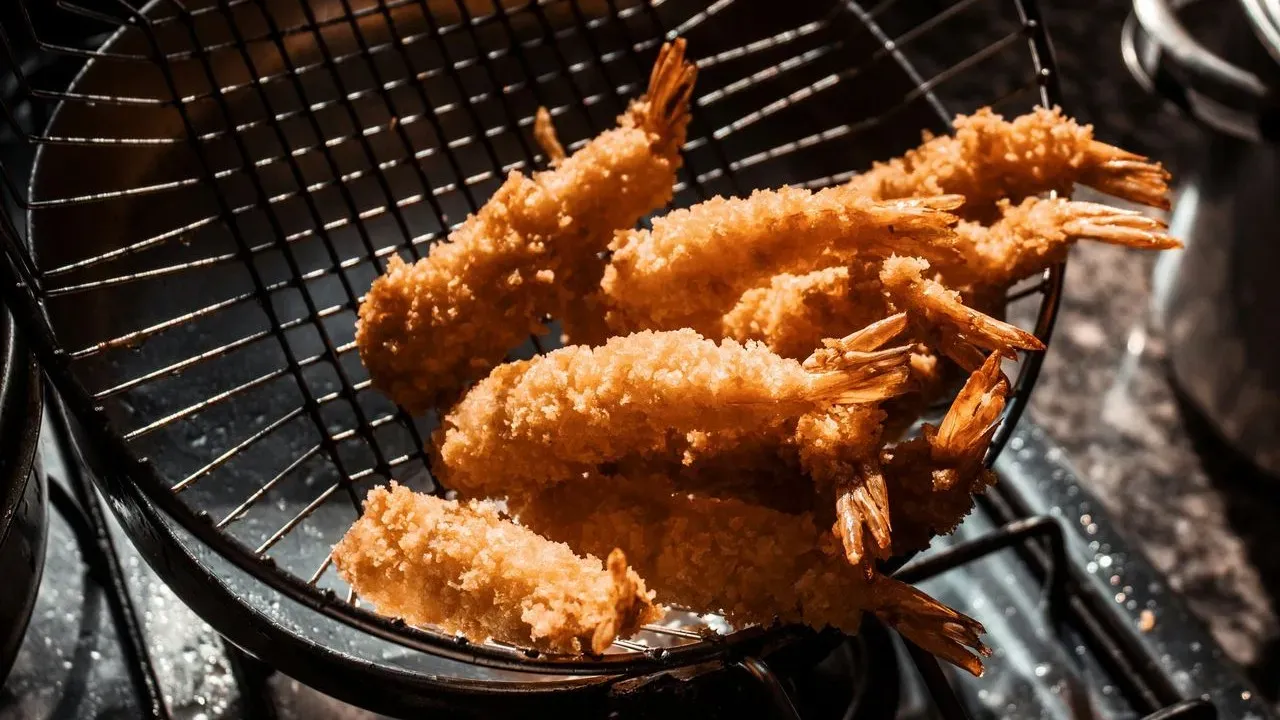
Wet batters such as tempura or beer batter tend to drip through the basket before they set. Loose leafy greens can blow around and scorch, while popcorn kernels scatter and may not pop evenly. Dry rice, pasta, or grains fall through perforations without liquid to cook them.
Soups, broths, and saucy dishes risk splattering or leaking. Shredded cheese melts through holes or lifts in the airflow, and very fatty foods can produce smoke. Small chopped vegetables sometimes drop through and burn underneath the basket. These items often perform better with a different method or added containment like toothpicks or an oven-safe dish.
Simple Habits That Keep Results Safe
High-smoke-point oils such as avocado or refined canola work better than olive oil, butter, or margarine at air fryer temperatures. Never submerge the base unit in water, and avoid metal utensils or scouring pads that scratch the coating. Clean the removable parts after every use with warm soapy water and wipe the interior.
Check for recalls on your specific model before regular use. Proper spacing, thermometer checks, and model-specific instructions remain the most reliable ways to avoid problems. These steps turn the appliance into a consistent tool rather than a source of frustration.
AI Disclaimer: This article was created with the assistance of AI tools and reviewed by a human editor.