
As gardens wind down in late fall, many home cooks turn to sweet potatoes harvested from their own plots or local markets. University extension services offer clear guidance on the best way to prepare them. Clemson, Montana State and Iowa State programs all point to the same core approach for whole potatoes. Their recommendations appear in detailed factsheets that home gardeners and cooks can rely on for consistent results ([1]).
Why 400°F Works Best for Whole Sweet Potatoes
The three university programs converge on 400°F as the ideal oven temperature for baking intact sweet potatoes. A medium specimen typically requires about 45 minutes, though ranges vary slightly by source. Clemson lists 40 to 50 minutes until the potato feels soft. Montana State specifies roughly 45 minutes. Iowa State suggests 45 minutes to one hour until the flesh turns tender. These times assume the potato starts at room temperature rather than straight from the refrigerator. Pricking the skin several times beforehand allows steam to escape and prevents bursting. Placing the potatoes on a lined baking sheet keeps the oven clean while they cook evenly. Smaller roots finish sooner, so checking early avoids overcooking.
Times for Other Cooking Methods
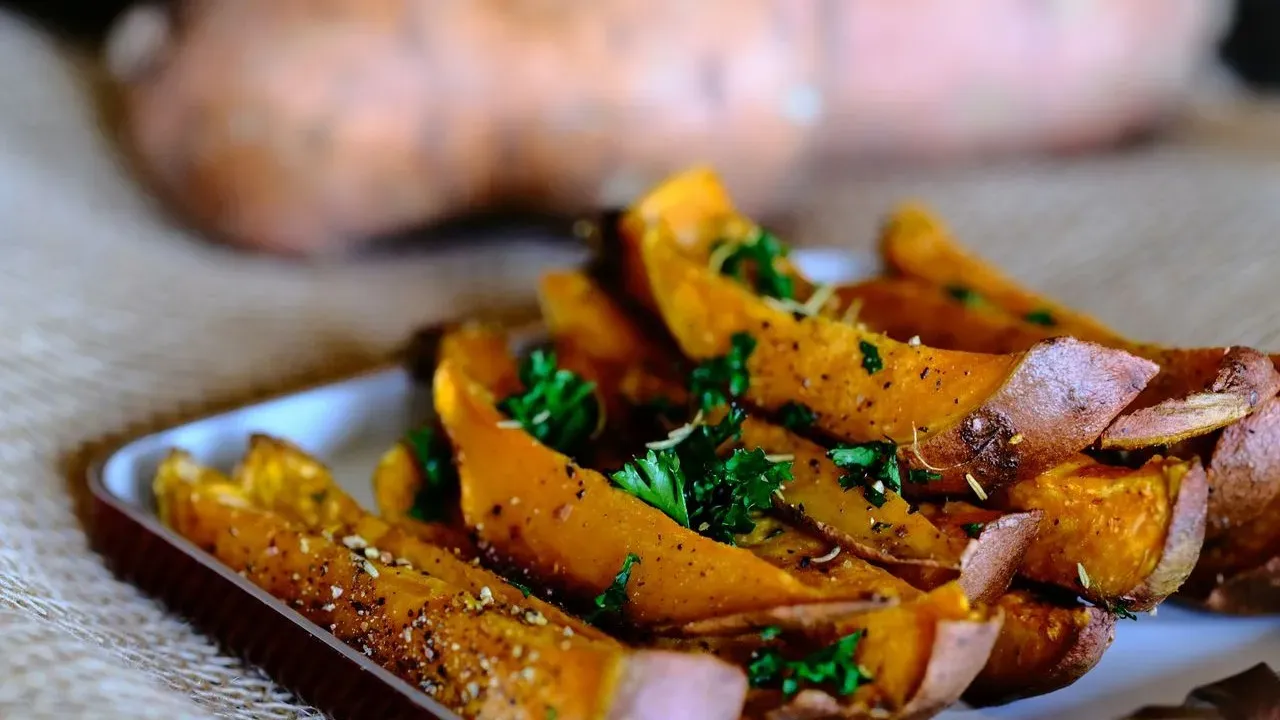
Microwave cooking offers a faster option when time is short. Clemson recommends 4 to 6 minutes on high for an 8-ounce potato. Montana State suggests 5 to 7 minutes for a medium one, turning it once. Iowa State advises 5 to 8 minutes with rotation halfway through. Boiling whole sweet potatoes takes 30 to 45 minutes depending on size, according to Clemson. Montana State notes 30 to 40 minutes for whole roots and 20 to 30 minutes when cut. For roasted pieces, temperatures of 400°F to 450°F work well. Diced cubes often need around 20 minutes at 400°F, while thicker wedges or fries may require 25 to 40 minutes at the higher setting, with a turn midway.
Knowing When They Are Done and How to Store Leftovers
Doneness comes down to texture rather than an internal temperature reading. A fork or thin knife should slide easily into the thickest part with little resistance. Gentle squeezing with an oven mitt provides another quick check; the potato should yield. If the center remains firm, return it to the oven for another 5 to 10 minutes. Refrigerate any leftovers within two hours of cooking. The USDA guidance calls for use within three to four days. For longer storage, freezing works, though quality may decline over time. Baked sweet potatoes keep their skins edible after thorough washing, adding fiber and texture to the finished dish.
Practical Tips for Garden-to-Table Success
Select firm, unblemished sweet potatoes and avoid refrigerating them before baking, as cold storage can create a hard center. Foil wrapping is unnecessary and may create food-safety concerns by trapping moisture. Instead, bake directly on a sheet. These university-backed steps deliver reliable results whether the potatoes come from a backyard harvest or the produce aisle. The consensus from Clemson, Montana State and Iowa State simplifies weeknight meals and holiday sides alike. Start checking at the 40-minute mark and adjust based on size for perfectly tender results every time.
AI Disclaimer: This article was created with the assistance of AI tools and reviewed by a human editor.