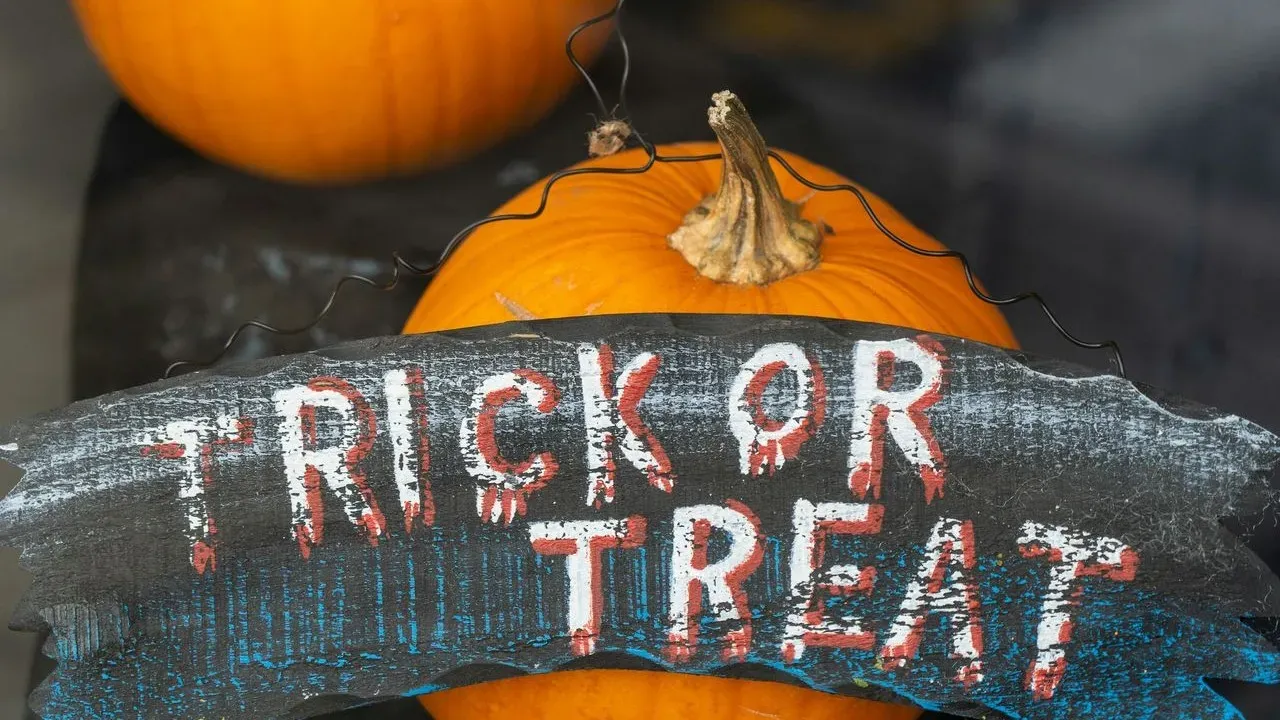

Sales of Halloween candy fell 6.7 percent in the four weeks ended October 17 compared with the same stretch a year earlier, according to data from market research firm NielsenIQ. The decline arrives at a time when higher chocolate prices and wider cost-of-living pressures are shaping household spending decisions. With trick-or-treating just days away, the early reading points to a cautious start for what is normally a brisk seasonal category. ([1])
Early Numbers Signal Caution
The NielsenIQ figure covers a period when many retailers begin stocking shelves and consumers start making initial purchases. A year-over-year drop of that size stands out because Halloween candy typically sees steady demand even in softer economic periods. The timing matters: the data ends well before peak shopping days, leaving room for later recovery but also underscoring that momentum has not built as quickly as in prior seasons. Retailers and manufacturers now face the task of reading whether the slowdown reflects temporary hesitation or a deeper shift in buying patterns. Early weakness can prompt adjustments in promotions or inventory, though companies must balance those moves against the risk of overcorrecting if sales accelerate closer to October 31.
Price Pressures at the Shelf
Chocolate prices have climbed noticeably in recent months, driven by factors that include supply constraints and elevated input costs. Those increases reach consumers directly in the candy aisle, where a standard bag or assortment can carry a higher ticket than shoppers remember from previous years. Many households are weighing that reality against other monthly expenses, leading some to scale back quantities or delay purchases. Affordability concerns extend beyond candy itself. Families balancing groceries, utilities, and other seasonal outlays often treat Halloween treats as a discretionary line item. When prices rise across multiple categories, even small reductions in one area can produce measurable effects on overall category sales.
Stakeholders Watching the Trend
Several groups have a direct interest in how the remainder of the season unfolds:
- Retail chains that rely on Halloween volume to meet quarterly targets.
- Confectionery makers that have already committed production schedules months in advance.
- Consumers who view the holiday as a low-cost tradition but now confront higher per-unit costs.
- Local businesses that benefit from foot traffic generated by candy displays and related promotions.
Each of these parties will interpret the 6.7 percent decline differently, yet all share an interest in whether the gap narrows in the final days before the holiday.
Outlook for the Coming Days
A single early-month reading does not define an entire season, and later surges remain possible if promotions intensify or weather favors outdoor events. Still, the current data offers a clear signal that price sensitivity is influencing decisions at the point of sale. Retailers and shoppers alike will likely continue to monitor weekly movement to gauge whether the slowdown proves temporary or persists through the holiday window.
AI Disclaimer: This article was created with the assistance of AI tools and reviewed by a human editor.