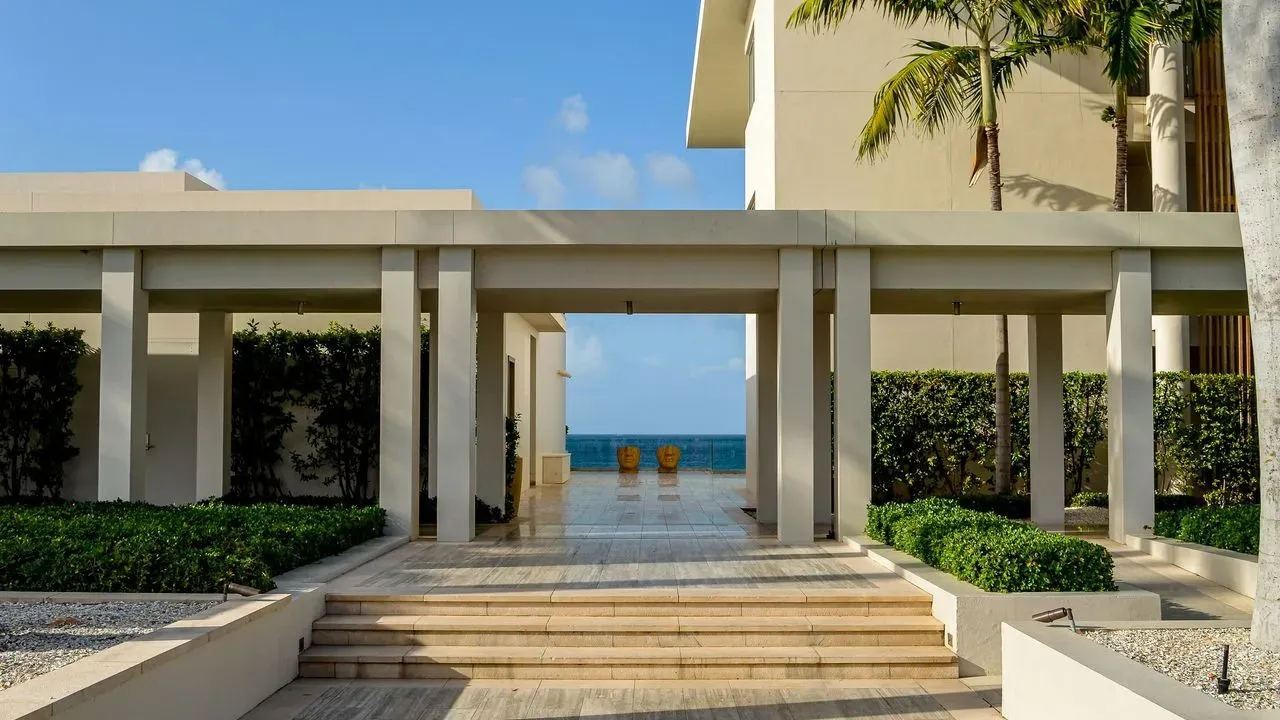

Outdoor living spaces continue to shape how people experience their homes, especially along coastlines and in the South where climate encourages time spent outside. The veranda stands out as a feature that blends shelter with open air, often appearing in beach houses and regional architecture. Understanding its specific character helps homeowners and designers make choices that suit both style and function.
What Sets a Veranda Apart
A veranda is typically a roofed platform attached to a house, open on the sides yet offering protection from sun and rain. It creates an intermediate zone between indoor rooms and the surrounding landscape. This structure often wraps around one or more sides of a building, providing shaded seating areas that feel connected to the outdoors. The design emphasizes airflow and views, making it particularly suited to warmer regions. Materials such as wood or stone frequently appear in construction, chosen for durability against humidity and salt air. Homeowners value the way a veranda extends living space without fully enclosing it.
Key Differences from a Porch
While both features offer outdoor access, a porch tends to be smaller and more enclosed on at least one side. Verandas generally feature a continuous roofline that ties into the main house architecture. They also tend to be larger in scale, allowing for furniture groupings and circulation along the exterior. Porches often serve as simple entry points or small sitting spots. In contrast, verandas function more like additional rooms, supporting daily routines from morning coffee to evening gatherings. The distinction lies in both size and the degree of integration with the home’s overall form.
Why Southern and Coastal Homes Embrace This Feature
Southern and coastal homes frequently incorporate verandas because the climate rewards shaded outdoor areas. High temperatures and frequent rain make covered yet open spaces practical for year-round use. The style also reflects historical building traditions that prioritize ventilation and protection from the elements. In beach house settings, the veranda enhances the connection to water views and breezes. It provides a buffer against intense sunlight while still allowing residents to enjoy the surroundings. This approach supports a relaxed lifestyle centered on nature rather than sealed interiors.
Practical Considerations for Modern Applications
Designers today adapt veranda concepts to new construction and renovations alike. Proper roof pitch and support columns ensure structural integrity while maintaining an airy feel. Furniture selection focuses on weather-resistant pieces that withstand coastal conditions. Maintenance involves regular checks for moisture damage and refinishing of surfaces exposed to the elements. When planned thoughtfully, the addition improves both daily comfort and property appeal. The result is an outdoor area that feels intentional rather than incidental. The enduring presence of verandas in these regions shows how thoughtful architecture responds to place. Homeowners who understand the nuances between similar features can create spaces that truly enhance their surroundings.
AI Disclaimer: This article was created with the assistance of AI tools and reviewed by a human editor.