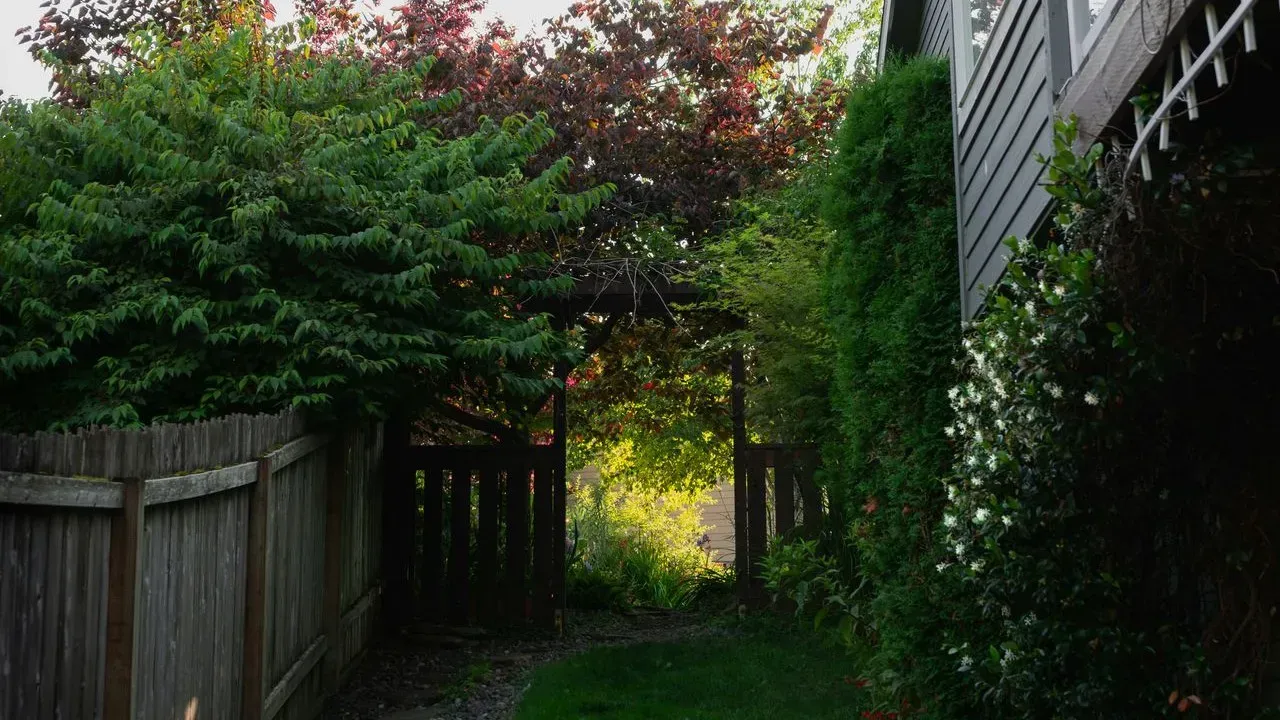

Many homeowners default to hedges when they want to block views from neighbors or create a sense of seclusion in their outdoor spaces. Yet single-species hedges often bring high maintenance, vulnerability to deer, and a rigid look that fails in tight quarters. Alternatives using mixed plants, vines, and simple structures can deliver the same screening with fewer headaches and more flexibility for small yards.
Why Screening Matters in Everyday Yards
Screening serves several practical purposes beyond basic privacy. It can separate conversation areas on patios, hide unattractive views such as parking lots or garage backs, and turn an open yard into a defined garden room. Enclosure with vertical elements has grown more popular since the 1970s as people seek outdoor spaces that support both relaxation and pollinators. In rowhouse or townhouse settings, even friendly neighbors benefit from some separation during quiet moments. Women living alone often value the ability to enjoy yoga or reading without feeling exposed. These needs arise frequently in compact neighborhoods where straight-line planting along property boundaries leaves little room for natural growth or easy upkeep.
Plant Choices That Provide Screening Without the Drawbacks
Mixed plantings of shrubs offer reliable screening while avoiding the pitfalls of uniform hedges. Staggered evergreens such as arborvitaes and cherry laurel can shield a deck or seating area when placed strategically rather than in a rigid row. Deciduous options like bridal wreath spirea, doublefile viburnum, oakleaf hydrangea, and redtwig dogwood grow faster, cost less, and prune more easily to maintain natural shapes. Vines trained on wires or trellises add another layer. Evergreen crossvine works well in half-day sun and produces striking blooms, while coral honeysuckle and clematis provide seasonal coverage. These vertical solutions fit narrow spaces and require only occasional tying rather than constant shearing.
Built Screens Deliver Immediate Results
Wood, vinyl, or metal screens bring instant privacy without waiting for plants to mature. They resist drought, disease, and deer damage while needing no pruning or sunlight. Narrow profiles suit tight gaps between neighboring yards, and designs open at the bottom reduce any walled-in feeling. Combining a built screen with nearby shrubs softens the look and extends coverage. Placing the screen exactly where the view needs blocking, rather than along the full property line, often creates a more inviting seating area close to the house. Lattice or wire versions can later support vines for added greenery.
Simple Additions That Encourage Outdoor Time
Screened tents offer an affordable starting point for those hesitant to commit to permanent structures. Models priced around $120 provide bug and rain protection plus optional curtains for extra seclusion. Placed on free woodchips, they let gardeners test the appeal of private outdoor space before investing further. These options together support the goal of turning underused yards into welcoming gardens. They prioritize function and lower upkeep while still delivering the enclosure that makes small spaces feel like true outdoor rooms.
AI Disclaimer: This article was created with the assistance of AI tools and reviewed by a human editor.