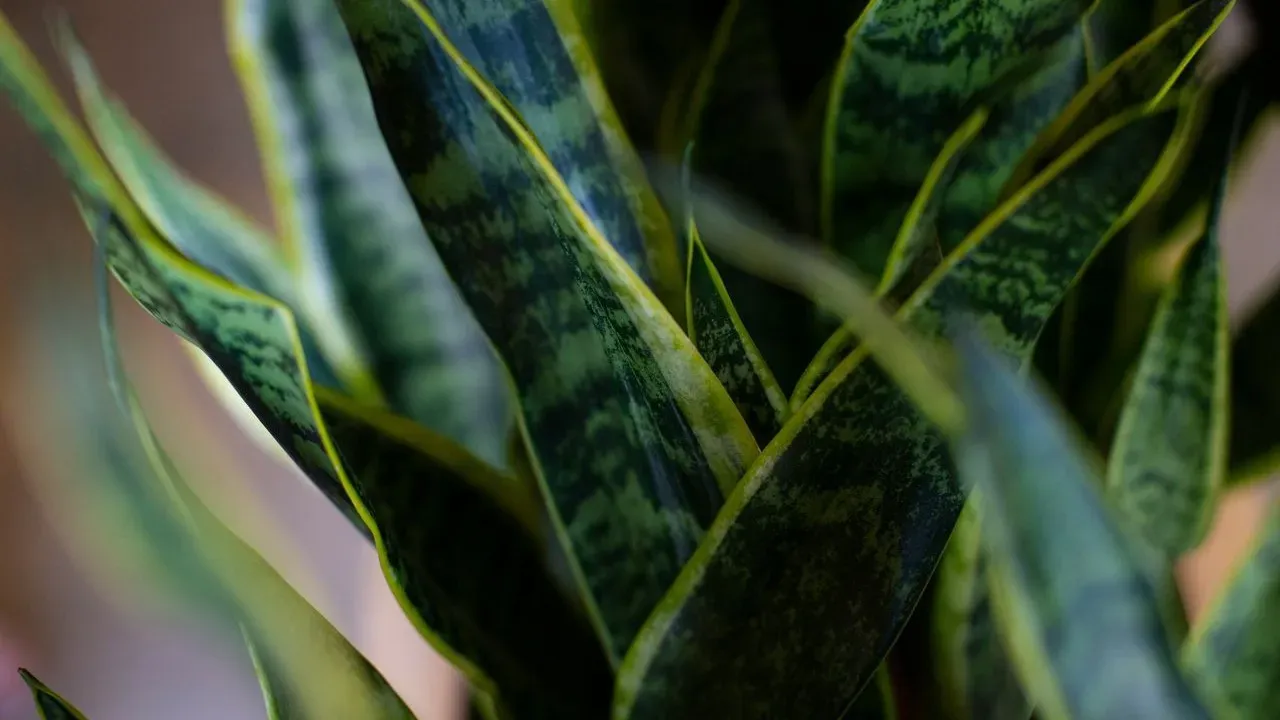

Many gardeners encounter snakes and immediately wonder how to keep them away. The idea of using certain plants as a natural barrier has circulated for years, promising an easy, chemical-free solution. Yet closer examination of available research shows that the claims often rest more on tradition than on solid evidence.
Why Snakes Visit Gardens in the First Place
Snakes enter cultivated spaces primarily in search of food and shelter rather than out of any desire to confront people. Common garden species such as garter snakes, rat snakes, and racers feed on rodents, slugs, and insects that thrive in many yards. Removing those prey sources often proves more effective at discouraging visits than any plant-based tactic. Venomous species, by contrast, tend to avoid well-tended residential areas because they prefer larger prey and undisturbed habitats farther from human activity. Most encounters involve non-venomous or mildly venomous snakes that pose little direct threat when left undisturbed. They generally retreat when given space, and their presence can actually reduce populations of garden pests that damage crops or spread disease.
The Evidence on Repellent Plants
Claims that certain plants drive snakes away appear frequently in gardening advice, yet controlled studies supporting these assertions remain scarce. Research into concentrated plant oils, such as cinnamon, clove, or eugenol mixtures, has shown limited success in specific invasive-species contexts like brown tree snakes in Guam. Those results, however, involved targeted sprays rather than living plants growing in a garden bed, and the effect does not reliably translate to everyday home landscapes. Anecdotal favorites such as garlic, onions, basil, and chili peppers surface repeatedly in traditional remedies, but no robust data confirm they deter local snake species. Older studies on extracts like calamus or pine oil exist, yet they too fall short of demonstrating consistent, broad-spectrum repellency. In short, while planting these species may add culinary or ornamental value, gardeners should not rely on them as a primary defense.
Habitat Changes That Actually Make a Difference
Effective snake management centers on making the garden less inviting rather than attempting to repel animals already present. Key steps include eliminating standing water, removing fallen fruit that attracts rodents, and keeping lawns and shrubbery neatly trimmed to reduce cover. Stacking firewood away from planting areas and sealing gaps under decks or sheds further limits hiding spots. Physical barriers offer another proven option when complete exclusion is necessary. Solid fencing buried several inches underground and tall enough to prevent climbing works better than mulch or loose rock, which can actually create additional shelter for both snakes and their prey. Ultrasonic devices and many commercial chemical repellents lack supporting evidence and may introduce unnecessary environmental concerns.
A Balanced Approach for Home Gardeners
Before investing time or money in any deterrent, it helps to consider whether snakes truly need to be excluded. In many cases their pest-control services outweigh the occasional sighting, especially once habitat adjustments reduce the likelihood of encounters. When removal remains the priority, combining prey reduction with tidy landscaping and targeted barriers delivers the most reliable results. Ultimately, the science points toward prevention through environmental management rather than any single plant or product. Gardeners who focus on those fundamentals tend to see fewer unwanted visitors while maintaining a healthy, balanced outdoor space.
AI Disclaimer: This article was created with the assistance of AI tools and reviewed by a human editor.