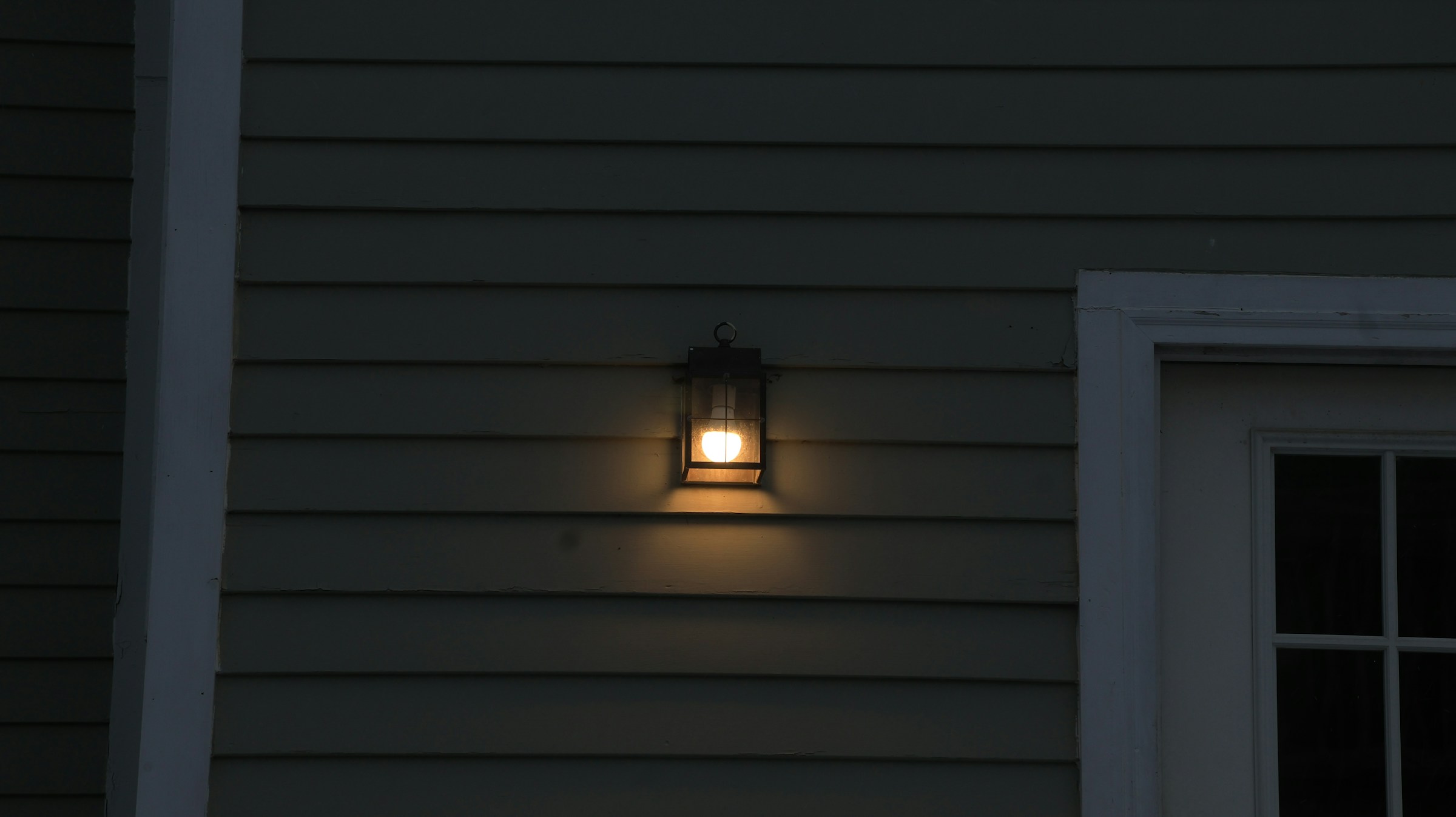

An Unwritten Rule That Almost Everyone Knows
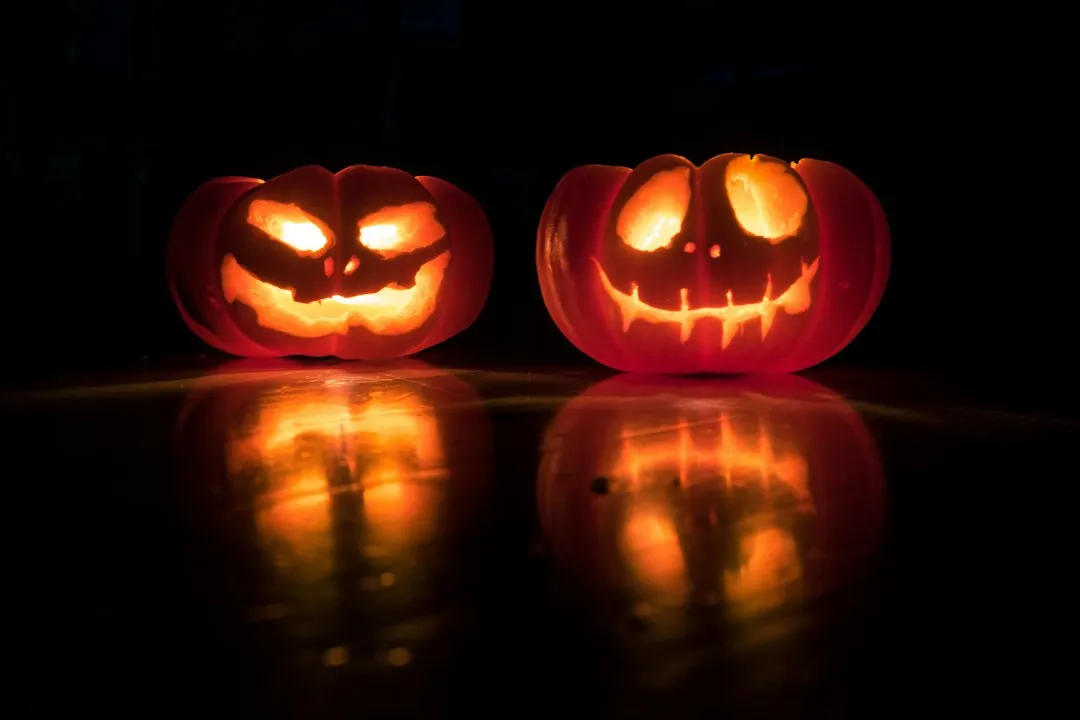
On Halloween, the unspoken rule of conduct is to turn on your porch light if you welcome trick-or-treaters, and turn it off if you’re out of candy or don’t want costumed kids knocking at your door. Nobody passed a law about it. There’s no official handbook. Apparently, Halloween has rules. Nobody wrote them down or made anything official. Somehow, though, we all know them.
Houses leave their porch lights on as a universal indicator that they have candy; some simply leave treats available on their porches for the children to take freely, on the honor system. The porch light has become, effectively, the “open” sign of Halloween night. A dark porch means the door is closed for business.
They Simply Ran Out of Candy
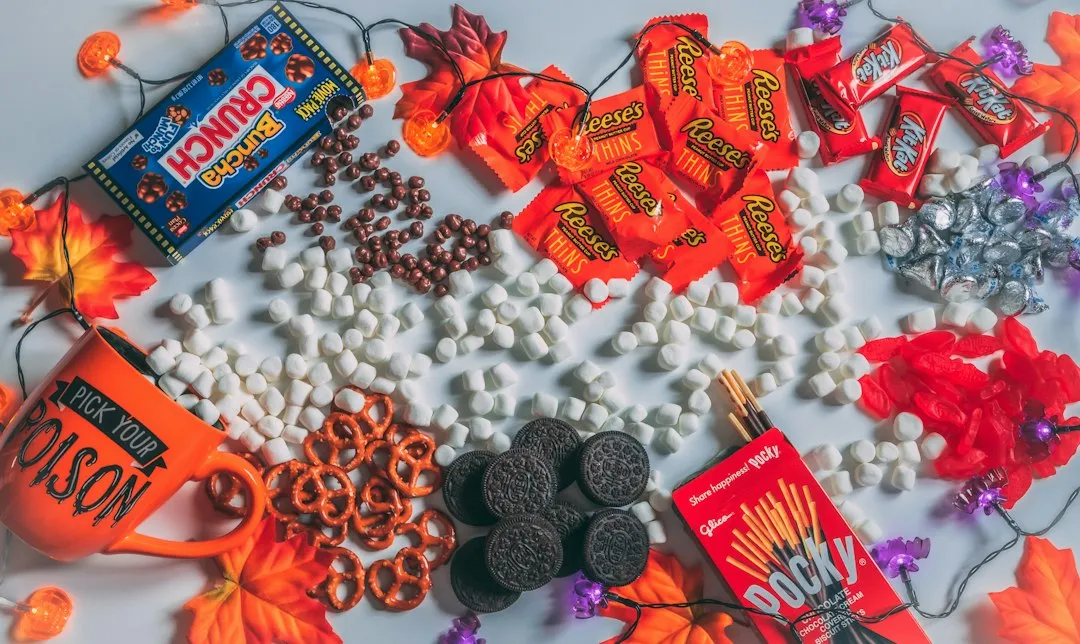
A dark porch generally means one of three things: the family is out trick-or-treating, they have run out of candy, or they simply chose not to participate. Running out of candy is probably the most common and most forgivable reason of all. When the bowl empties earlier than expected, switching off the light is the courteous move.
Some households estimate receiving 700 to 800 kids, running out of candy around 7:30 p.m. with people still showing up, having to go dark early to control the crowd. In busy neighborhoods, that kind of traffic can exhaust even the most generous supply of treats well before the night ends. Turning the light off, in that case, is really just honest communication.
They’re Not Home at All
Porch lights off often simply means people aren’t home. Plenty of adults spend Halloween night at parties, dinners, or taking their own kids around other neighborhoods. There’s no one available to answer the door, and leaving the light on would only create confusion and disappointment for children making the trip up the front path.
Other lights on in the house or decorations don’t matter if the porch light isn’t on. People may be out of candy or out of the house entirely. This is why the porch light specifically carries so much weight. Interior lights can stay on with timers or for security purposes, so they aren’t a reliable signal on their own.
Religious and Cultural Beliefs Play a Real Role

There are also people who avoid Halloween because of religious or cultural beliefs. Recent online discussions among Christians show a wide range of opinions, with some viewing Halloween as harmless family fun and others choosing not to participate because of its association with supernatural or darker themes. This is not a fringe position.
Jehovah’s Witnesses and some sects of Judaism, Islam, and Christianity reject Halloween celebrations and wearing costumes. Modern Orthodox Jews typically do not celebrate Halloween. Some Modern Orthodox parents may allow certain leniencies such as allowing their children to eat kosher Halloween candy, but otherwise do not participate. For these households, a dark porch is a reflection of genuine conviction, not indifference to the neighborhood.
Health Conditions and Household Circumstances
Residents could be sick and don’t want to share it with the kids, a non-stop crying baby may have finally settled down, or they ran out of candy. These are entirely practical reasons that have nothing to do with Halloween spirit or the lack of it. An ill adult, an infant who just fell asleep, or a family dealing with a stressful evening all have good cause to keep things quiet.
Whilst some people enjoy Halloween, it’s not for everyone. Not everyone feels safe opening the door to strangers in the dark. People may be vulnerable, have religious reasons not to take part, or not have the disposable income for decorations and sweets. Swale Borough Council in the UK even created an opt-out poster in 2025 to help households communicate their preference without confrontation. Health risks, religious reasons, financial hardships, or general safety concerns are all legitimate reasons to sit out the night.
Concerns About Graphic Decorations and the Tone of Modern Halloween
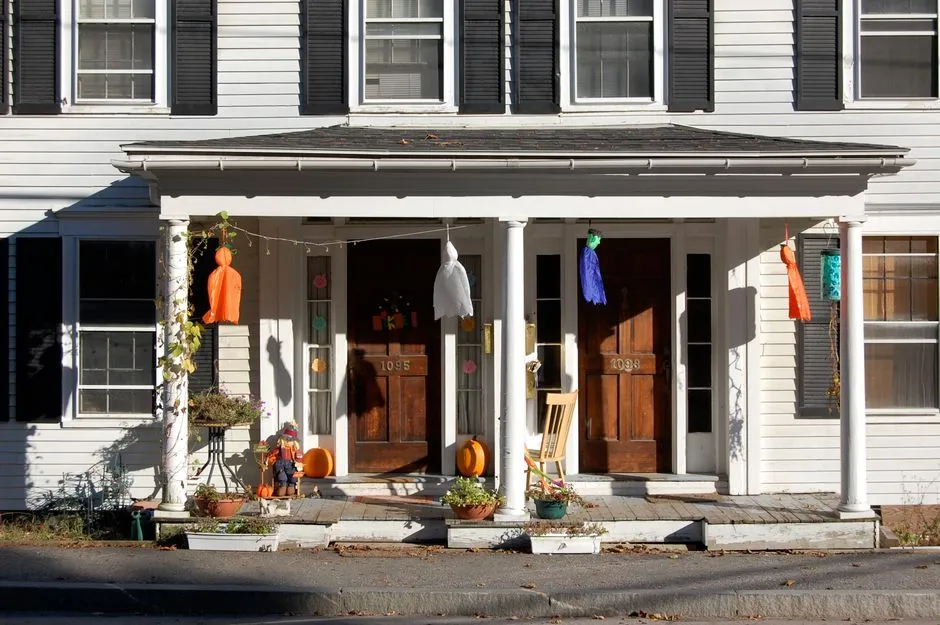
Some people say increasingly graphic decorations, fake blood, and horror imagery can be overwhelming, especially for young children or people who simply do not enjoy being frightened. What started as a candy-and-costumes tradition for children has, in many neighborhoods, shifted toward more intense horror themes. That shift doesn’t sit comfortably with everyone.
One recent Reddit discussion attracted attention after a parent argued that public Halloween decorations have become too graphic, pointing to displays featuring bloody animals and exposed body parts. For some households, opting out entirely feels like the cleaner choice rather than navigating what the evening might look like at the door. A dark porch is their quiet way of stepping back from it all.
Financial Pressure Is a More Common Factor Than People Admit

Halloween is not a cheap holiday to participate in. In 2024, U.S. consumers planned to spend an overall total of more than 11.5 billion dollars on Halloween. That’s an enormous national figure, but it also masks real individual strain. Buying enough candy for a busy neighborhood night can add up quickly, especially for households already stretched thin.
People may not have the disposable income for decorations and sweets. Turning off the porch light avoids the awkward situation of answering the door empty-handed. It’s a practical solution that carries no shame, even if it’s rarely spoken about openly. The social pressure to participate can feel significant, particularly in close-knit suburban streets.
A Significant Share of Adults Simply Choose Not to Participate
Most adults weren’t welcoming kids to their door. Around 56 percent said they didn’t give treats to children trick-or-treating at their home, while around two in five said they participated in this way. That finding, from a Lifeway Research survey, suggests non-participation is actually more common than Halloween enthusiasts might assume.
According to National Retail Federation survey figures, roughly two thirds of Americans planning to celebrate Halloween in 2025 intended to hand out candy, compared to roughly 74 percent in 2005. That’s a small decline over twenty years, but still a majority of celebrants prepared to welcome trick-or-treaters. Participation has edged downward over the decades, even as total Halloween spending has grown. More people are celebrating in other ways without necessarily opening their doors.
The Scale of the Night: How Many Children Are Actually Out There
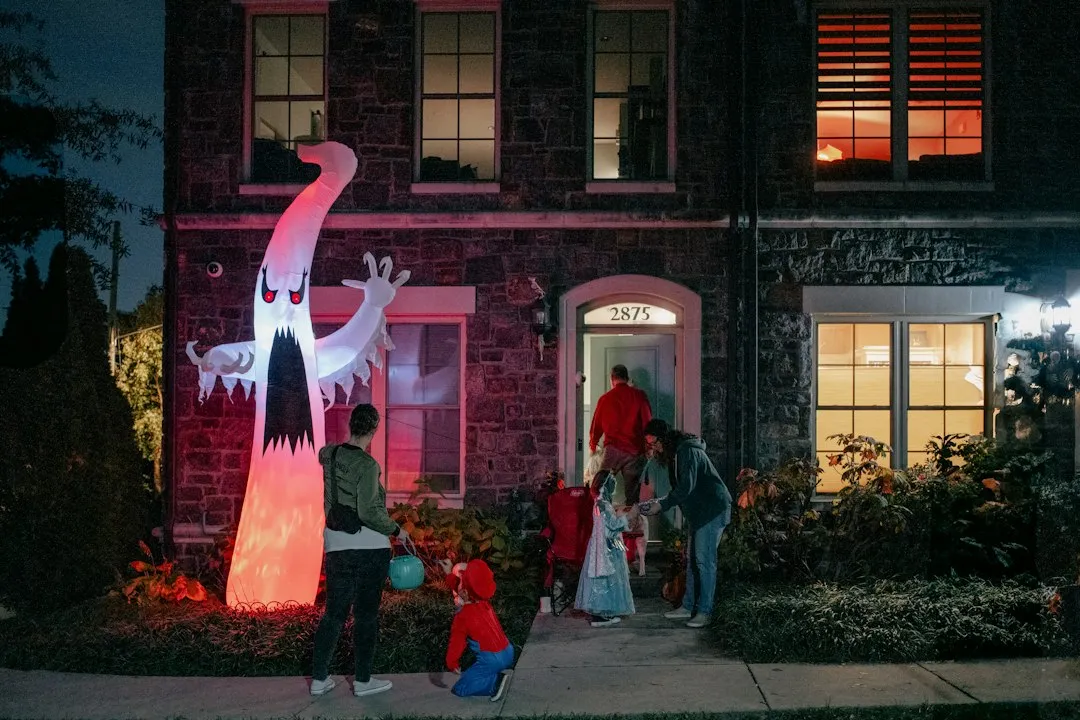
The estimated number of potential trick-or-treaters in 2025 was about 40 million children aged 5 to 14 across the United States. That’s a genuinely enormous number of kids moving through neighborhoods in a single evening. Almost 134 million homes represent possible places for trick-or-treaters to visit.
With that kind of scale, the porch light becomes even more important as a filtering mechanism. With nearly three quarters of people in the U.S. celebrating Halloween or participating in Halloween-related activities each year, and approximately 35 million children participating in trick-or-treating annually, according to the 2024 Farmers’ Almanac report, the sheer logistics of the night make a clear visual signal essential for both households and families out walking.
Respecting the Signal Goes Both Ways
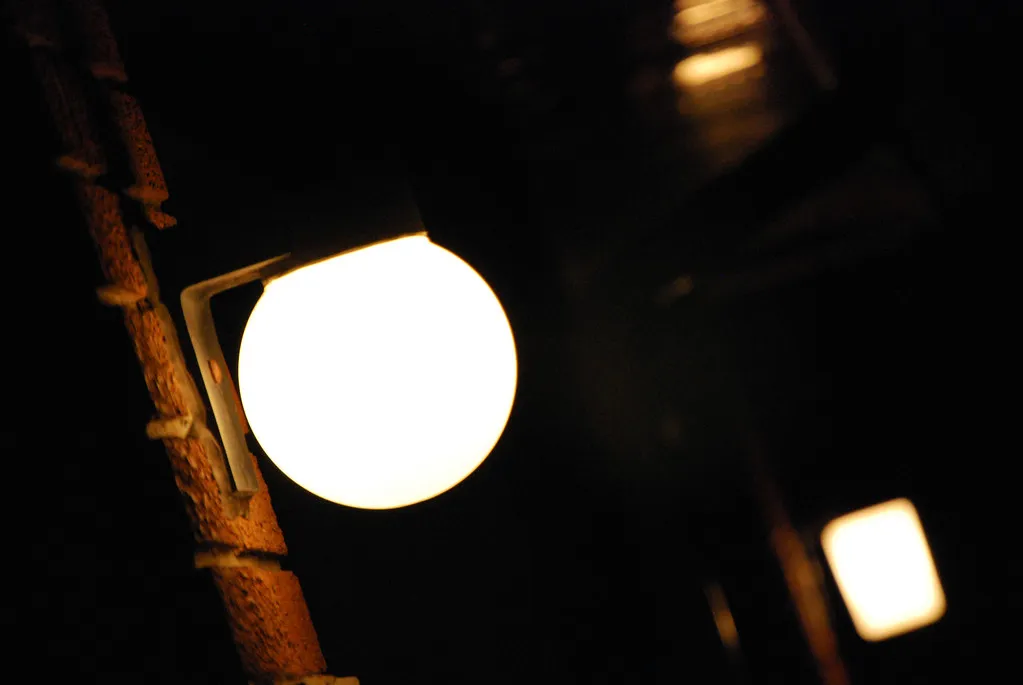
Every light could be on inside a house, but you should stay away if that porch light is off. There are many reasons someone might not want trick-or-treaters at their door. Dark porches don’t mean they’re the Scrooge of Halloween. The etiquette around this is clear enough. A dark porch deserves a wide berth, whatever the reason behind it.
The unspoken porch light rule applies as much to trick-or-treaters as it does to people staying at home. If you don’t want to give out candy this Halloween, make sure you turn the porch lights off so that kids don’t ring the doorbell and ask for candy. The system only works when both sides honor it. Parents should make sure their children know that if they see a no-visitors signal, they should leave the house and respect the household’s wishes.
The Takeaway
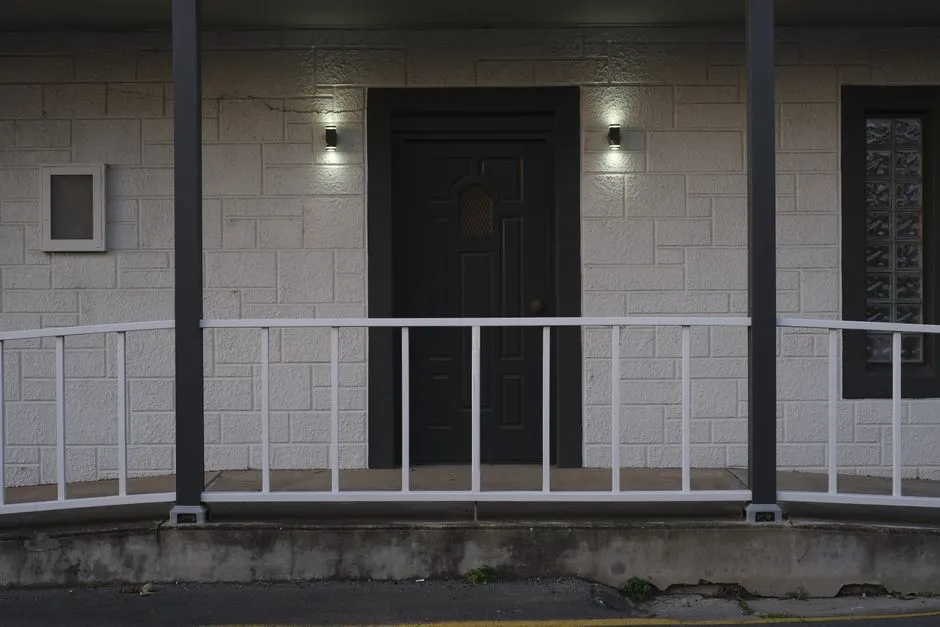
A dark porch on Halloween night carries a simple, practical meaning. It says: not tonight. The reason behind that decision could be religious, financial, health-related, or simply a matter of preference. None of those reasons require justification to the wider neighborhood.
What’s worth noting is that this unwritten code has held up remarkably well across generations. Trick-or-treating has been a surprisingly resilient ritual in the face of declining communities and shared spaces. The porch light, on or off, remains one of the few genuinely universal neighborhood signals left. Honoring it in both directions is what keeps the tradition working for everyone on the street.
AI Disclaimer: This article was created with the assistance of AI tools and reviewed by a human editor.