

The Box Is Basically a Billboard
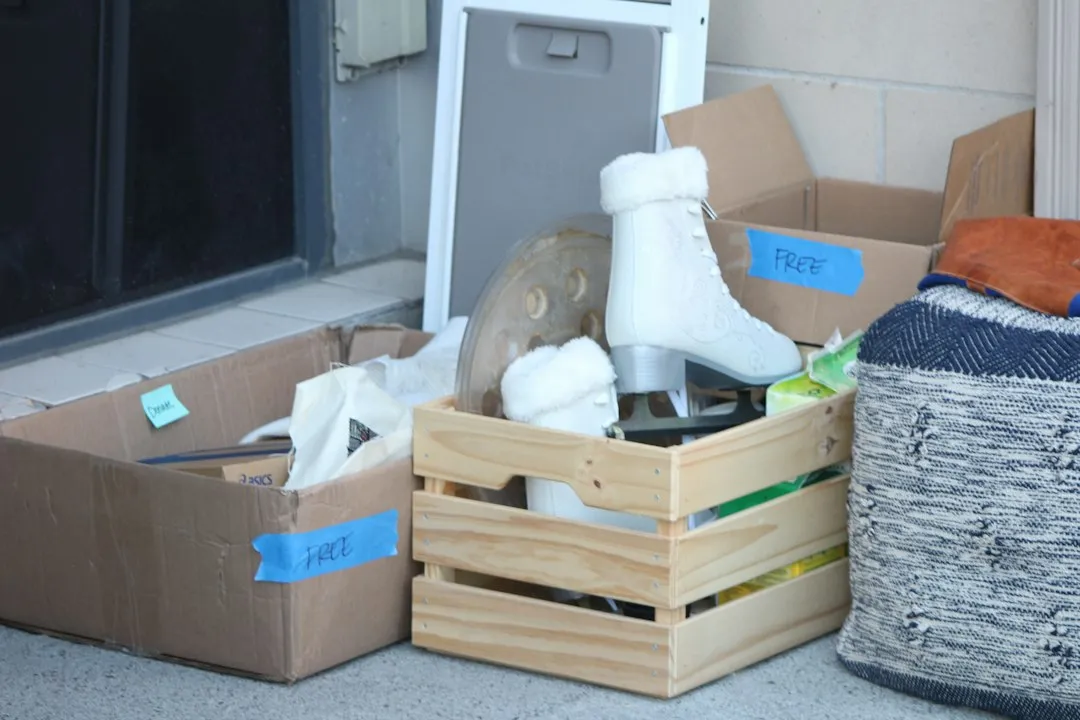
Leaving the box of a brand-new TV outside on your curb for sanitation workers to pick up is an obvious sign to everyone, including burglars, that you have a new, expensive item in your home. The packaging does the advertising work so that a thief never has to step foot on your property to gather useful intelligence. To a thief, an empty box is like a flashing neon sign advertising what’s inside, and odds are what used to be in those boxes is now in the house.
When boxes from expensive items like giant TVs, gaming systems, or bikes are lined up for pickup, they essentially tell the whole neighborhood what’s inside the house. To criminals, that type of curbside display isn’t garbage – it’s a wish list with pictures, according to police.
Thieves Drive Neighborhood Routes Looking for Clues
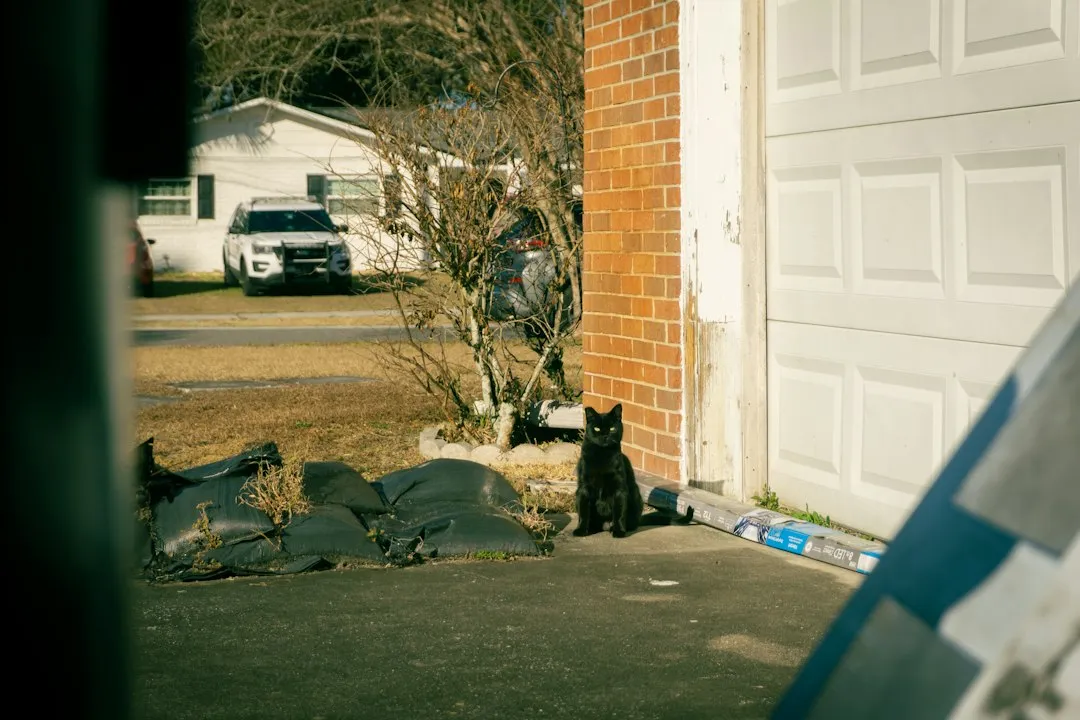
Officer Rob Zink of the St. Paul Police Department says thieves drive by looking for clues about what’s inside a home by the boxes left outside. They drive up and down the alley after Christmas looking, take note of addresses, and whether they come back in a day, a week, or three months, they know exactly what’s in the house.
Crooks drive through neighborhoods and know what you have without even looking in the window. This kind of low-risk reconnaissance requires no break-in, no confrontation, and no special tools. Burglars commonly prowl through neighborhoods looking for evidence of high-value items before breaking into homes, and that kind of trash will catch their attention.
Electronics Are a Primary Target for a Reason
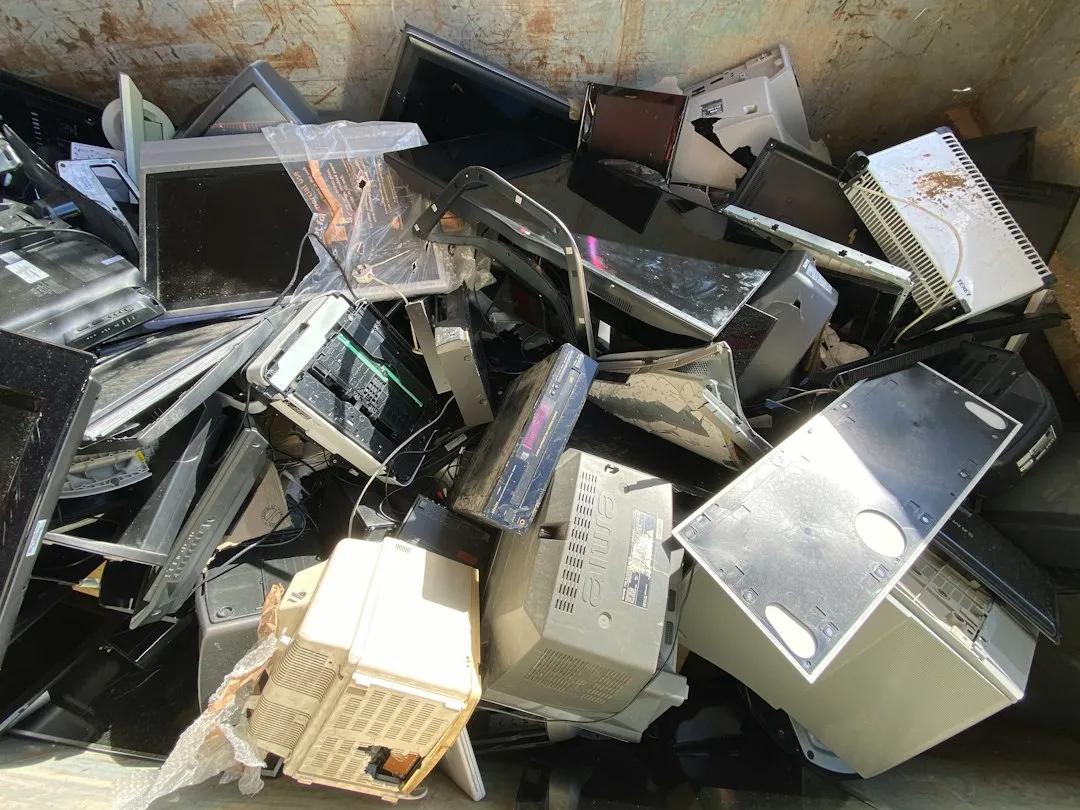
Setting out the box from a new 60-inch HDTV or high-end gaming console on the curb is basically advertising that those items are in a home, and electronics are the second thing burglars go for, after cash, making a home an attractive target. The resale logic is straightforward. Portable technology like mobile phones, tablets, and laptops are attractive to burglars because they’re highly portable and quick to resell on online marketplaces, often for a high value.
Computers, smart devices, TVs, and other electronic items offer a premium trade-in or resale value, and they’re usually left out in the open. That combination of visibility and resale ease makes electronics the sweet spot for opportunistic theft.
The Post-Holiday Window Is the Riskiest Period

The holiday season is a time for joy and celebration, but unfortunately it is also a peak time for burglaries. Every year, the rate of theft and property crime skyrockets between Thanksgiving and New Year’s Day, because burglars know that after Black Friday, most homes contain expensive gifts and gadgets, and many people are off visiting relatives, leaving their homes vulnerable.
Jewelry, computers, and furs are roughly ten percent more likely to be stolen during the holiday than at any other time of year. The timing is not random. Because of all those post-present boxes, the days and weeks after Christmas are a busy time for burglars, and police confirm that criminals target houses where empty TV and electronic boxes can be seen from the road.
Amazon and Branded Shipping Boxes Add Another Layer of Risk

A branded shipping box left at the curb reads like a public announcement. It tells a stranger you shop online, you get frequent deliveries, and something worth having may have just landed inside. The shipping label usually carries a name and address printed right there for anyone who walks by.
Apartment dwellers have it worse. Those labels often list an exact unit number, meaning a box that once held a pricey gadget, sitting in a shared trash room with an apartment number on it, means a thief does not even have to guess which door to try. Simply peeling off shipping labels before discarding a box eliminates this particular risk with almost no effort.
Overflowing or Lingering Bins Signal More Than You Think
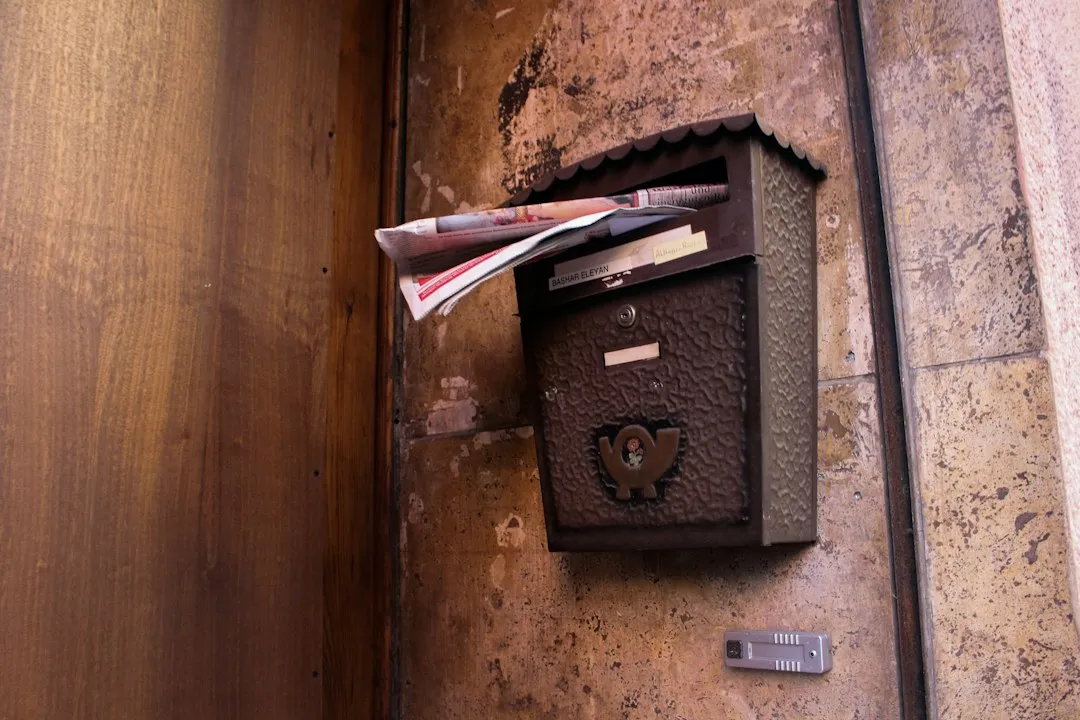
A full mailbox, packages that linger, newspapers piled near the door, or garbage containers that remain at the curb for days can announce that normal routines have changed. Burglars are pattern readers. A trash bin that sits untouched at the curb well past collection day is one of the cleaner signals that no one is home. Homeowners taking vacations should ask trusted neighbors, family members, or friends to put away trash or recycling bins that may have been left out, since cans sitting at the curb after collection day are a red flag to thieves.
Burglars often take note when they see several newspapers outside, or packages that haven’t been brought in. None of these signals require a thief to approach your home. They gather the information from the street, at low risk to themselves.
Burglars Assess Risk Before Reward, Every Time
Burglars don’t choose homes at random. They purposely select homes where the risk of being caught is limited. A clearly labeled box from a high-value item shifts that calculation. If they are confident in the prize, they are more likely to take increased risk in selecting a home as a target.
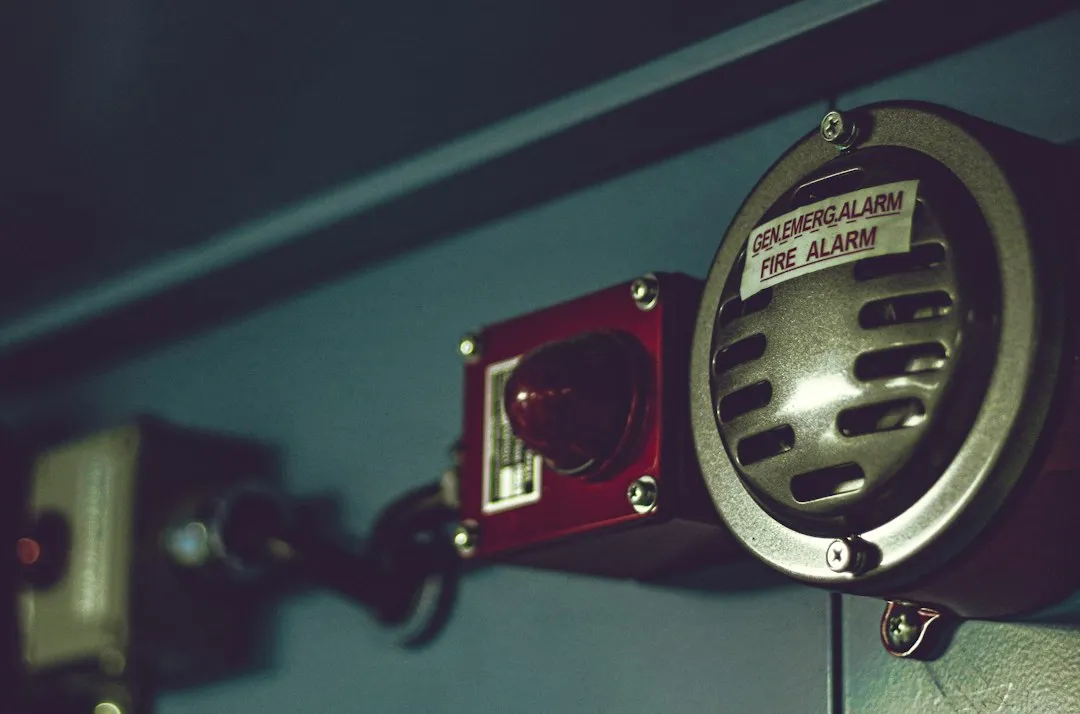
According to Safe Home research, roughly four in five burglars check for alarm systems, and nearly three in five will move on if they see one. Removing obvious cues like conspicuous boxes raises the perceived risk without installing a single piece of hardware. It is one of the cheapest deterrents available.
Social Media Compounds the Cardboard Problem

Police also warn people not to post gifts on social media, since thieves have social media accounts too. Criminals look online just like everybody else, and they may be able to identify someone by the neighborhood or even a mutual friend, figure out where that person lives, and come steal their property.
Posting a photo of a new gaming setup or a freshly unboxed laptop alongside a location tag essentially duplicates the cardboard box problem, except in digital form and available to a much wider audience. The physical and online signals reinforce each other in ways most people don’t connect until it’s too late.
Simple Disposal Habits That Actually Work
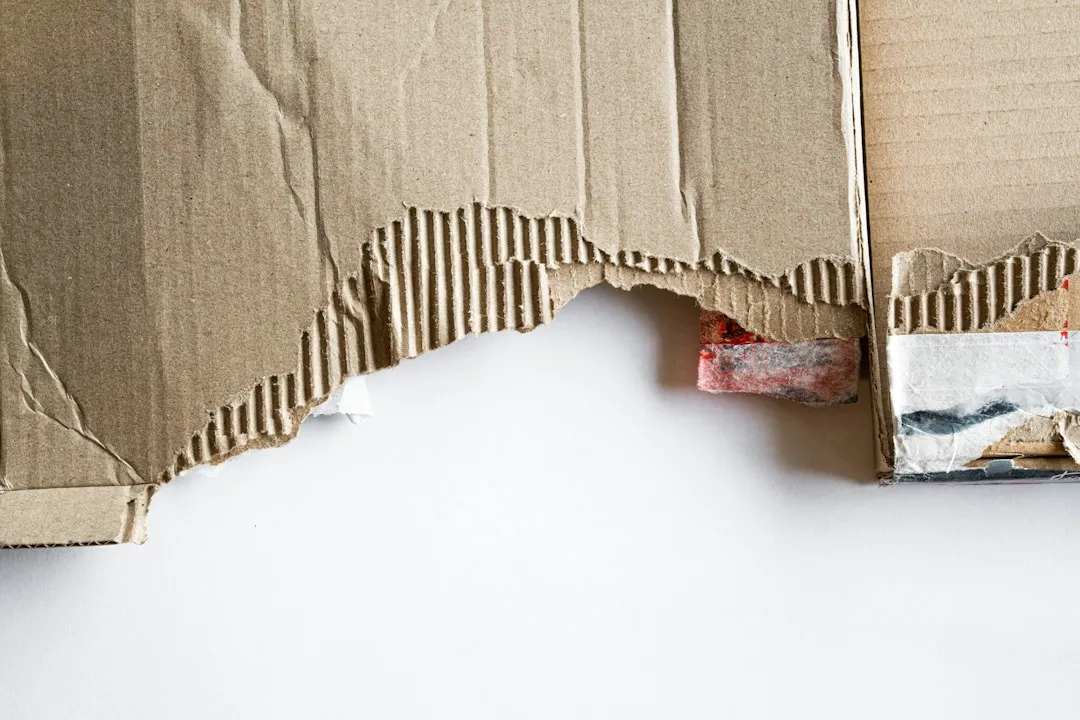
Experts recommend flattening boxes before discarding them, and turning them inside out so no product information shows is even better. Wheeling police recommend placing compressed boxes in black garbage bags for pickup. These steps take under a minute and make a box functionally unreadable to anyone driving past.
Another option is to spread out the disposal of empty packages over several weeks, particularly after a major holiday, so the home isn’t advertising every new purchase all at once. People should also add new, valuable items to home property inventory lists, along with manufacturer and model information and serial numbers. Having that record matters significantly if something is taken.
Burglary Rates Are Down, but the Risk Isn’t Gone

There were 779,542 burglary incidents reported in the United States in 2024, a decline of about eight percent from the previous year. In the first half of 2025, data showed that reports of residential burglary decreased by roughly a fifth, continuing a downward trend. These are real improvements worth acknowledging.
Still, the numbers remain substantial. Burglary remains one of the most common property crimes in the United States, with roughly one incident occurring every 51 seconds in 2024, and police clear only about eleven percent of cases, meaning most go unsolved. The total across all theft categories in 2024 reached about 23 billion dollars. Declining trends offer some comfort, but they don’t mean the threat has disappeared.
What It All Comes Down To
The cardboard box clue persists because it feels so harmless. Tossing a box at the curb is the natural end of an exciting purchase, not something that reads as a security decision. Changing that habit requires connecting a routine action to a consequence that feels abstract until it isn’t.
The fix genuinely takes less than two minutes: flatten the box, turn it inside out, slip it into a garbage bag, or hold it back until the day before pickup rather than the night after delivery. No alarm system required. The most effective home security upgrades are sometimes the ones that cost nothing at all.
AI Disclaimer: This article was created with the assistance of AI tools and reviewed by a human editor.