

Every Prescription Medication in Its Original Bottle

Bringing your actual pill bottles to doctor appointments is the most reliable way to prevent dangerous medication errors. The label on an original bottle tells your clinician the prescribing physician’s name, the exact dosage, the number of refills remaining, and the dispensing pharmacy, all at a glance.
A 2023 study found that roughly two in five patients mix all their pills into one container, like a weekly pill organizer. The problem is that those organizers don’t have labels. They don’t show the drug name, strength, or expiration date. When your doctor sees a handful of white pills in a plastic box, they’re essentially working blind.
If you take medication, vitamins, or supplements that can be easily transported, bringing everything in its original bottle or packaging helps your clinician quickly determine how many pills you have left, how many refills remain, and the dosage. That speeds up the appointment and reduces the chance of a clerical mistake.
Over-the-Counter Drugs You Take Regularly

All prescription medicines and all over-the-counter medicines belong in the bag. Pain relievers like ibuprofen, antacids, sleep aids, and cold medications may seem trivial, but they interact with prescription drugs in ways that can genuinely surprise people.
Over-the-counter medications and herbal supplements can also negatively interact with prescription drugs. A nightly antihistamine taken for sleep, for example, can compound sedation risks when combined with certain blood pressure or anxiety medications. Your doctor can only flag that overlap if they know it exists.
Vitamins and Dietary Supplements

Herbal medicines are not subject to the same regulatory scrutiny as FDA-approved drugs. They often contain multiple biologically active compounds, and their interactions with prescription medications are typically untested. This lack of oversight, combined with unpredictable effects, increases the risk of herb-drug interactions.
Even common supplements can alter how medications are absorbed, metabolized, or cleared from the body, potentially compromising safety and therapeutic outcomes. A classic example: supplements made with ginkgo biloba may exaggerate the action of prescription blood thinners, putting a patient at risk for bleeding.
Dietary supplement polypharmacy rose from roughly twelve percent to nearly seventeen percent among older adults between 2015-2016 and 2021-2023. That’s a meaningful increase, and it means the supplement conversation is no longer optional at a medical visit.
Any Topicals, Eye Drops, Inhalers, or Patches
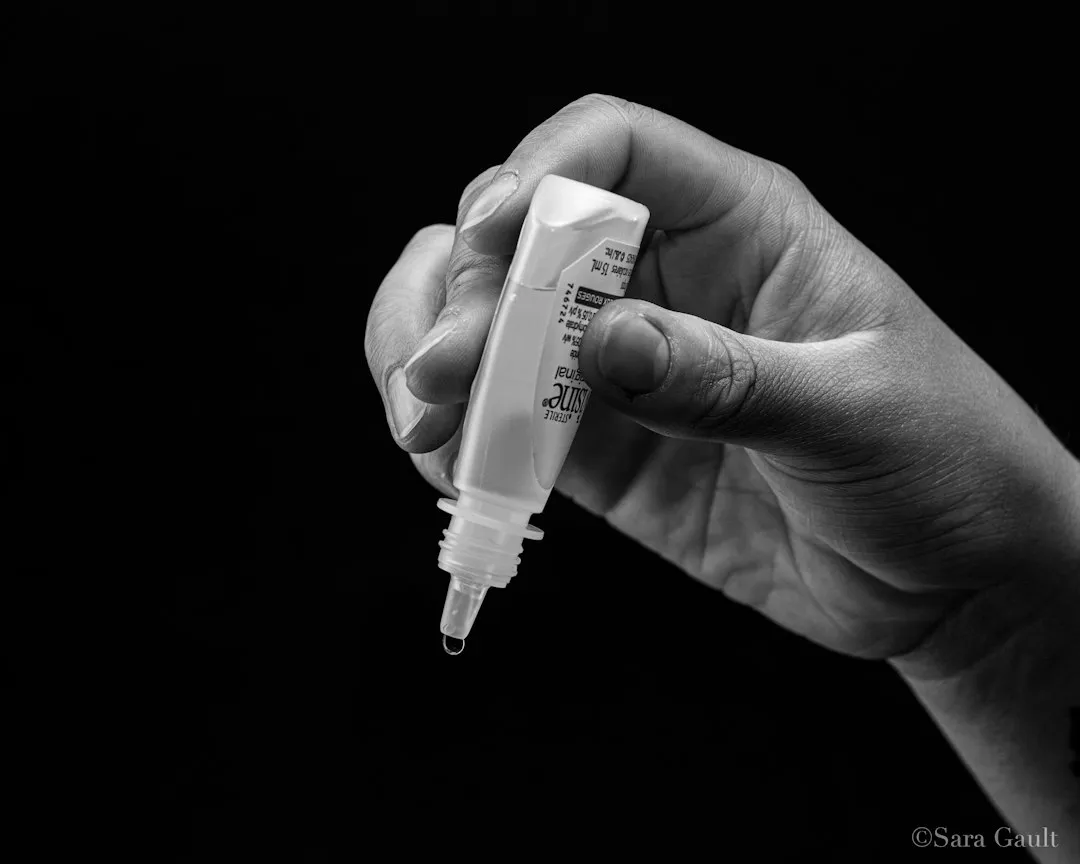
All topicals, liquids, injections, and inhalants belong in the bag alongside pills. Patients often assume that creams applied to the skin or drops placed in the eye don’t count as “real medicine.” That assumption is wrong. Medicated skin creams, eye drops containing steroids or beta-blockers, and prescription patches all carry systemic effects.
A beta-blocker eye drop used for glaucoma, for instance, can lower heart rate and blood pressure just like its oral counterpart. Your physician needs to factor that in when reviewing your full regimen. Leaving topicals off the list creates gaps that can lead to over-treatment or dangerous interactions.
Medications Prescribed by Other Specialists

When you’ve been in the emergency room or to a new specialist, those transitions of care can be times when medications get added without regard to a person’s overall drug regimen. The specialist who treated you may not have had access to your full medication history, and their prescription may never have made it back to your primary care record.
Some 73 percent of medication reconciliation errors happen as patients move between care settings, according to patient safety organization ECRI’s analysis of 10,000 safety events. Bringing bottles from every prescriber helps your primary care doctor see the complete picture, not just what’s in your chart.
A study found that patients with multiple prescribers had a higher risk of drug-drug interactions and adverse events, as healthcare providers often lacked access to a shared medical record or a centralized medication reconciliation process. The medication bag is, in effect, your portable reconciliation tool.
Expired or Recently Discontinued Medications

Most people toss expired pills or quietly stop taking a medication and never mention it. Bringing those bottles along, even if they’re empty or past their date, gives your doctor critical context. It shows what you were prescribed, at what strength, and when you stopped.
If you still have them in your cabinet, your doctor needs to know you were taking them. Maybe the old dose was too high. Maybe you switched to something better. Maybe you stopped because it made you dizzy, and no one knows that unless you show the bottle. That kind of detail can change the direction of a prescription decision.
A Written List of Known Allergies and Past Adverse Reactions

The bag isn’t just for bottles. A simple, handwritten note listing any allergies, intolerances, or bad reactions you’ve had to medications in the past is enormously useful. Memory under pressure is unreliable, and a brief list removes any ambiguity.
Medication errors can include unintentional omission, addition, or duplication of medications or incorrect changes in medication dosages. Such errors affect up to roughly two thirds of hospitalized patients, with a substantial portion of these incidents resulting in potential harm. A documented allergy record is one of the easiest defenses against preventable harm.
A meta-analysis found that at least one medication error was present in the vast majority of physician-obtained medication histories, with more than half of the errors having the potential to cause harm. Giving your doctor a written list is one small step that directly counters that trend.
Medications You Take Only Occasionally

People tend to list only their daily medications. Occasional-use drugs, things taken as needed for migraines, anxiety, insomnia, or pain, often get left out. Yet these PRN medications, as clinicians call them, interact with other drugs just as readily as daily ones do.
Research has shown that the occurrence of medication errors increases by 30 percent in patients taking five or more medications. Polypharmacy is defined as taking five or more medications. Many people hit that threshold without realizing it, especially once occasional-use items are counted.
An as-needed sleep aid, a weekend allergy pill, an occasional muscle relaxant – all of these count. Muscle relaxant-involving interactions rose notably in recent years, potentially aligning with increased unintentional overdose deaths. Your doctor can only assess that risk if you mention what you take.
The Bag Itself: Why Physical Bottles Beat a Phone List

The Brown Bag Medicine Review is a common practice that involves encouraging patients to bring all their medicines and supplements to their visit and reviewing them. The goal is to determine what medicines patients are taking and how they are taking them. The process can uncover medicine errors and medicines missing from your list.
Some doctors suggest you put all your prescription drugs, over-the-counter medicines, vitamins, and herbal remedies or supplements in a bag and bring them with you. A phone screenshot of your medication list is helpful as a backup, but it can miss dosage changes, refill counts, and the prescriber’s name, details that are printed right on the label.
The physical bottle also reveals something a typed list never can: whether the medication is actually being taken. A bottle prescribed three months ago that’s still nearly full tells a story. Doctors notice that, and it opens a productive conversation rather than a gap in care.
Consistency Across Every Appointment, Not Just Annual Ones

A Brown Bag Medication Review helps prevent dangerous drug interactions by having patients bring all their medications to a healthcare provider. It’s especially critical for seniors on multiple drugs and can prevent hospitalizations.
Older Americans are increasingly taking multiple prescription medications and dietary supplements. Although the prevalence of potentially major drug-drug interactions has declined slightly, more than one in five older adults are potentially at risk, according to a USC-led study published in JAMA. That figure represents a real and ongoing public health concern.
A prescription review with a doctor at least once a year can reduce patients’ use of prescriptions they no longer need, and can help them avoid unnecessary side effects and interactions. Still, specialists, urgent care visits, and follow-up appointments all carry the same risk of incomplete information. Making the medication bag a habit for every visit closes that gap consistently.
The Takeaway

The medication bag is one of those practical ideas that sounds too simple to be transformative, until you see the data behind medication reconciliation errors. Pharmacy-run medication reconciliation programs have been shown to decrease medication errors by roughly two thirds, reduce emergency department visits by nearly half, and cut hospital readmissions by about one in five.
You don’t need a special bag. A paper bag, a canvas tote, a zip-lock pouch, anything works. What matters is the habit. Pack everything, bring it every time, and let your doctor do the rest. It’s a five-minute step that can quietly prevent the kind of harm that takes far longer to undo.
AI Disclaimer: This article was created with the assistance of AI tools and reviewed by a human editor.