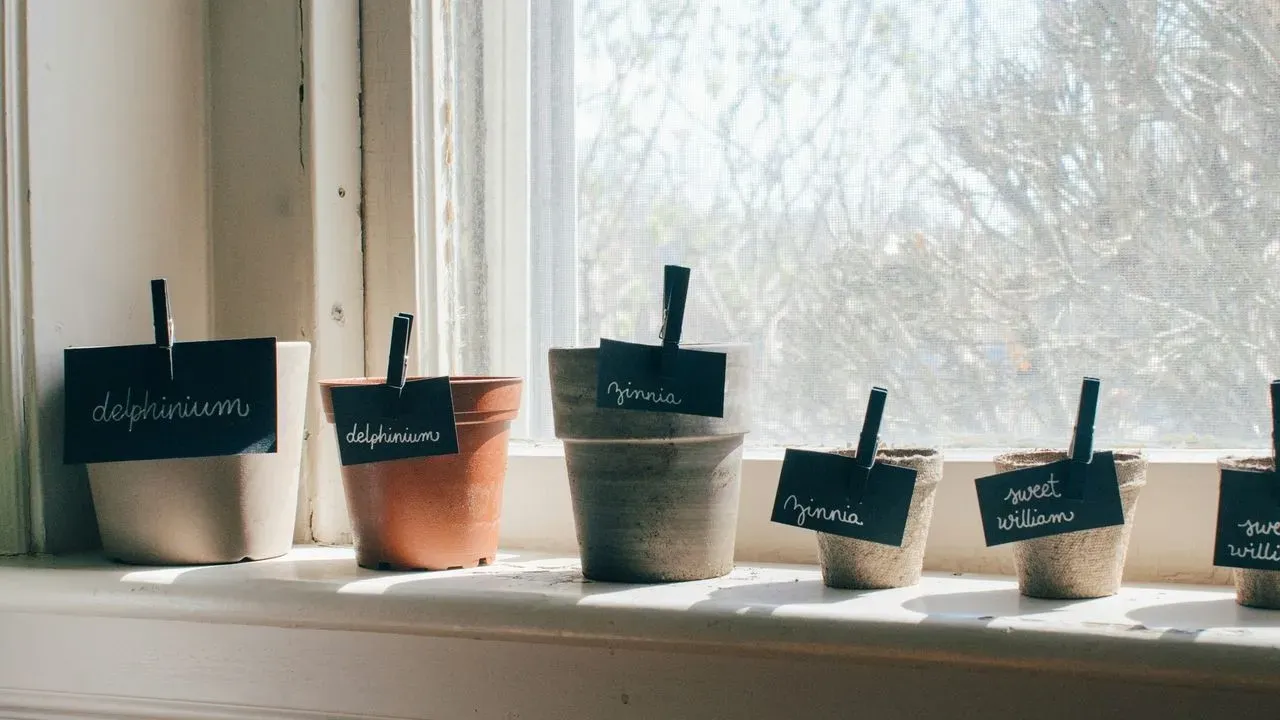

Many people assume fresh vegetables require outdoor space and a full growing season. Yet a simple setup on any sunny ledge can produce edible sprouts in just days, turning an ordinary kitchen into a reliable source of living food. The approach draws from basic principles of seed germination and works in any climate or season. The process begins with seeds themselves. These compact packages already hold the nutrients needed to start new growth, and sprouting unlocks even more value by boosting protein and vitamin levels while lowering carbohydrates.
Minimal Supplies, Maximum Results
Starting requires almost nothing beyond items already found in most homes. A single quart jar, a scrap of mesh or cloth, and a rubber band form the core equipment. Untreated whole seeds, preferably organic ones from a health food store, complete the list. Commercial seeds treated with fungicides must be avoided entirely, as must any potato or tomato varieties, which produce toxic sprouts. With those basics in place, the same jar can cycle through multiple batches without additional cost.
The Daily Routine That Keeps Sprouts Thriving
Success hinges on consistent moisture and airflow rather than constant attention. Seeds soak overnight in the jar, then drain and rinse two or three times each day to prevent spoilage. Between rinses the jar stays covered and away from direct sun, though a bit of indirect light encourages greener growth for those who prefer it. Temperature stays moderate and stable, often achieved simply by keeping the jar in a cabinet or under a dark cloth during early stages. Within a few days the sprouts reach peak freshness and can move to the refrigerator for up to a week of storage.
From Jar to Table Without Complication
Raw sprouts add crisp texture to salads and sandwiches, yet they also withstand light cooking in stir-fries or soups. The same batch that began as dry seeds becomes a versatile ingredient that fits almost any meal. Because the method works indoors year-round, it extends the harvest window long after outdoor beds have gone dormant. Experimenting with light exposure and rinse frequency quickly reveals personal preferences for taste and appearance.
Why This Method Stands Apart
Traditional gardening demands soil preparation, weeding, and weather protection. Windowsill sprouting sidesteps all of those steps while still delivering living produce. The contrast becomes especially clear in fall and winter, when outdoor options shrink but indoor jars continue producing. A compact comparison highlights the difference:
| Traditional Garden | Windowsill Sprouts |
|---|---|
| Requires yard or raised beds | Uses only a jar on a ledge |
| Seasonal limits | Continuous indoor supply |
| Soil, tools, and maintenance | Minimal equipment, daily rinses only |
Anyone with a window and a few minutes each day can begin. The result is fresh, home-grown food that feels both practical and surprisingly abundant.
AI Disclaimer: This article was created with the assistance of AI tools and reviewed by a human editor.