
They Were Bred for Looks, Not Flavor
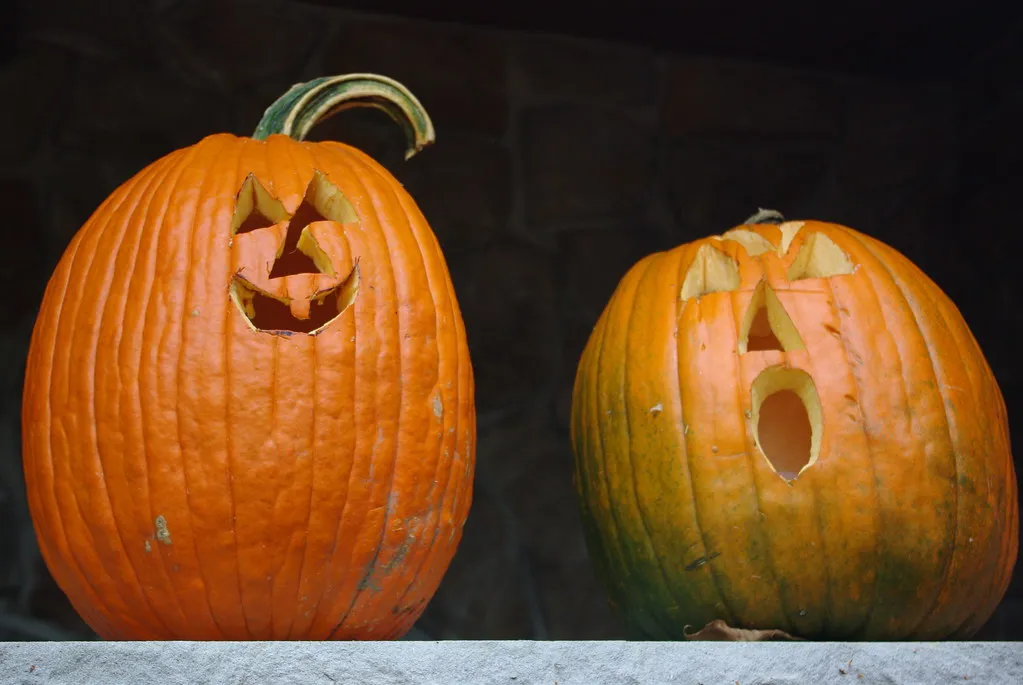
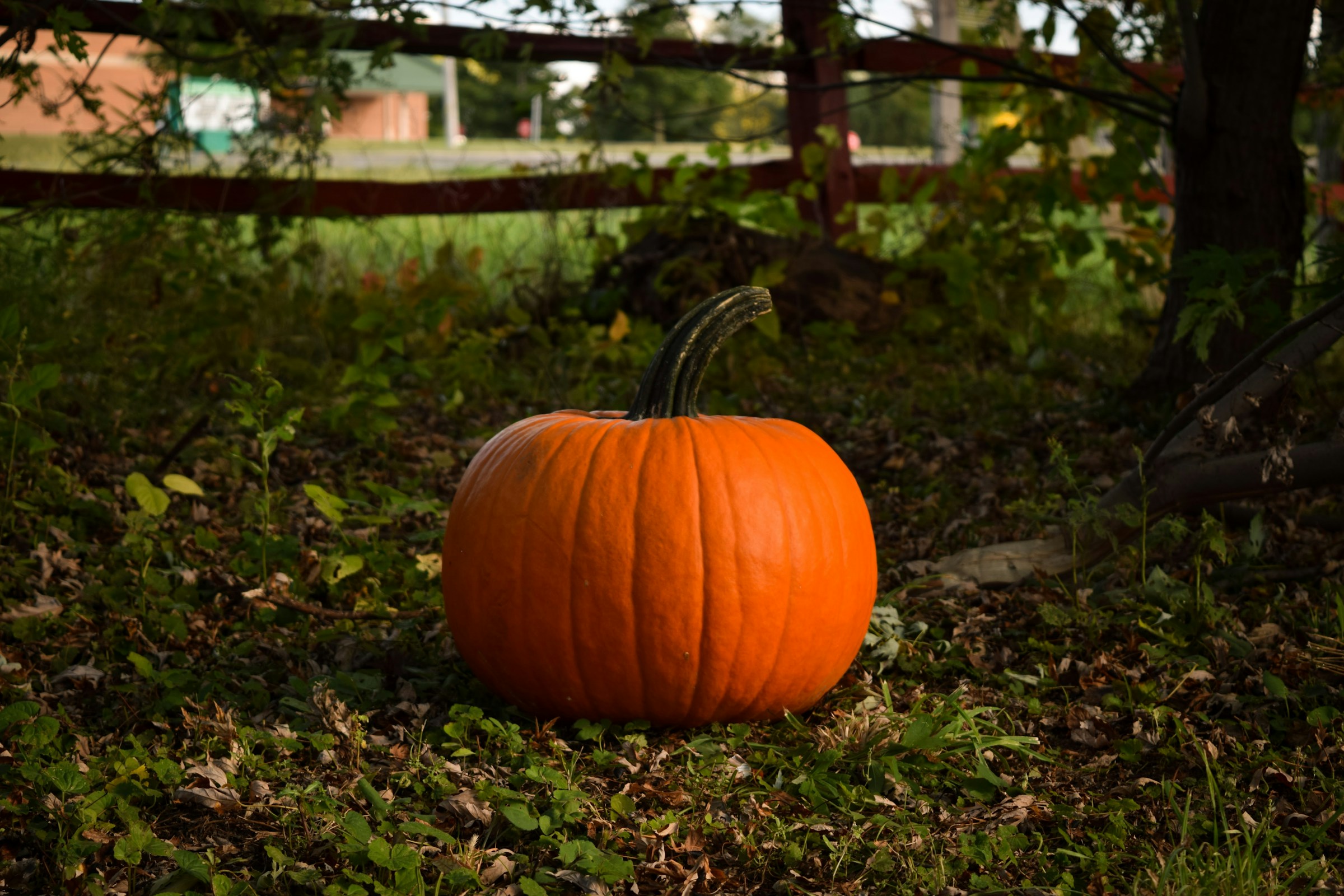
Jack-o’-lantern pumpkins are bred to be big, round, bright orange, and easy to hollow out. As NDSU Extension horticulturist Tom Kalb puts it, the flesh of a typical Halloween pumpkin is “thin, stringy in texture and watery.” That’s not a flaw in how the pumpkin was grown. That’s exactly what it was designed to do.
As John Ackerman, a third-generation pumpkin farmer in Morton, Illinois, explains, jack-o’-lantern pumpkins were bred for eye appeal and have an iconic harvest look. Flavor was never part of the design brief. When appearance drives cultivation decisions over generations, taste tends to take a back seat.
The Flesh Is Far Too Watery
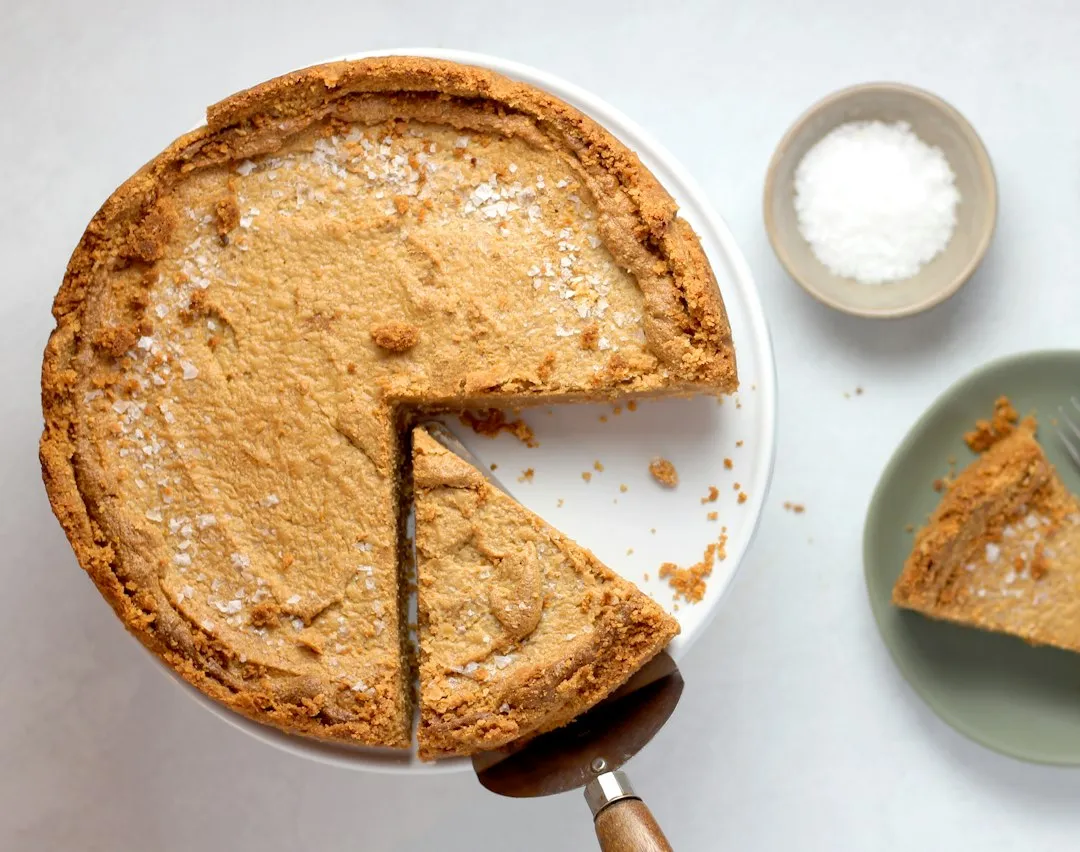
The flesh of carving pumpkins is altogether too stringy, and they have a much higher water content than pumpkins bred for eating, and they’re not as sweet. For baking, that extra moisture is a serious problem. A pie filling needs to set properly, and excess water throws off the custard-like balance that makes a pumpkin pie worth eating.
Every fall, people haul home a big, glossy jack-o’-lantern pumpkin and try to turn it into pie. What they get is pale, watery, stringy puree that tastes like wet cardboard. The pumpkin isn’t bad; it’s just the wrong kind. Straining the puree through cheesecloth can help, but you’ll lose so much volume that the whole exercise starts to feel pointless.
The Interior Is Stringy and Difficult to Work With
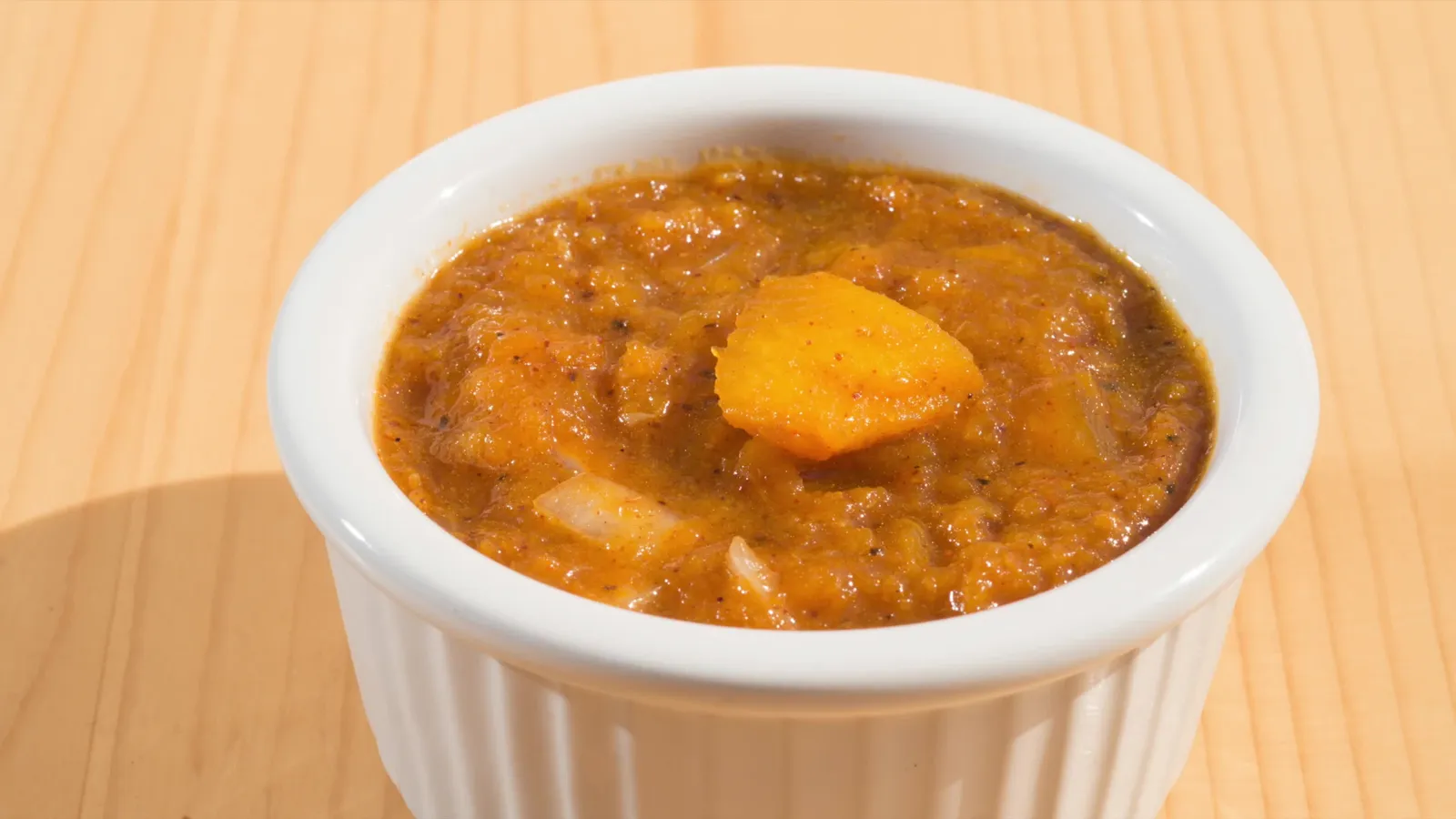
Instead of the stringy chunks that folks carve out of their jack-o’-lanterns every year, sugar pumpkins have a more dense interior; think more butternut squash than spaghetti squash. That comparison is telling. Pulling apart stringy pumpkin flesh and blending it into a smooth, bakeable puree takes considerably more effort than simply roasting a dense pie pumpkin and scooping it out cleanly.
People generally do not eat the pumpkins grown for jack-o’-lanterns because they are stringy and tasteless. That’s the practical reality that most home cooks discover the hard way. Blending stringy flesh tends to produce an uneven, fibrous result rather than the velvety texture a good pie demands.
The Flavor Is Bland and Barely Sweet
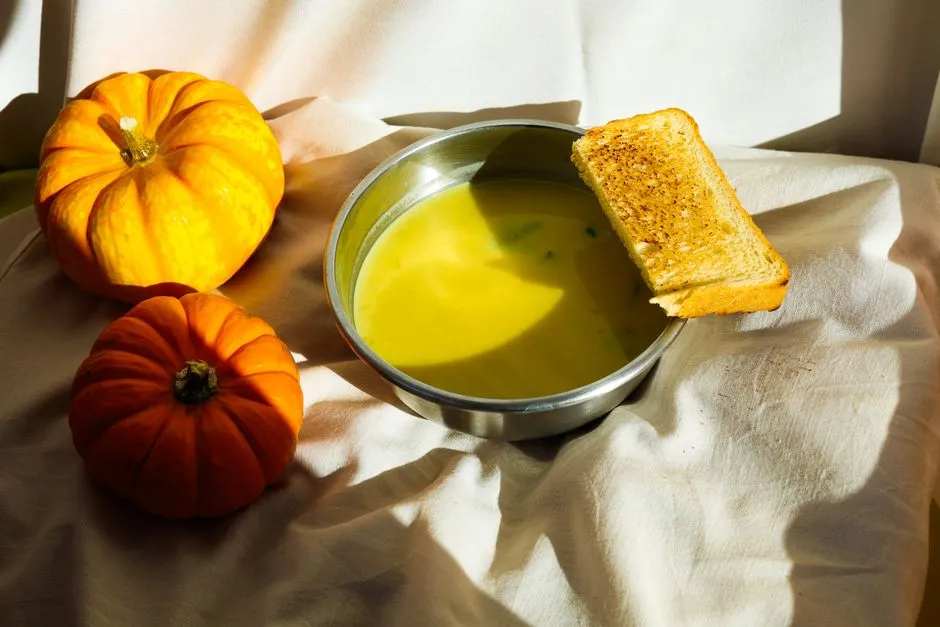
Pie pumpkins are sweeter and richer than carving pumpkins, which can be bland and almost bitter. That gap in flavor matters enormously when you’re building a filling that relies on the pumpkin itself to provide the base note. Sugar and warm spices can improve a mediocre puree, but they can’t fully compensate for flesh that tastes of almost nothing.
Pie pumpkins boast a natural sweetness that is more pronounced compared to carving pumpkins. Their flesh is rich and velvety, contributing to a decadent flavor profile that is particularly pleasing in pumpkin pie recipes. Swap that out for a carving pumpkin, and you lose the very foundation the pie is built on.
The Walls Are Thin and There’s Less to Use
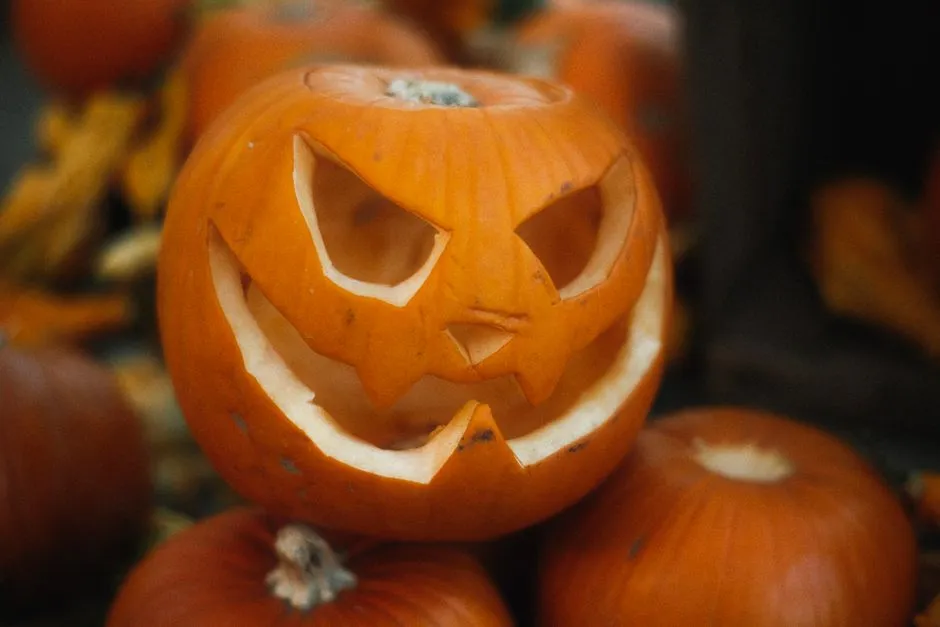
The pumpkin varieties that are bred for carving tend to have thin walls to make it easier to get a knife through them; they’ve got less flesh and more air inside. That thinness makes them satisfying to carve. It makes them terrible for cooking.
The amount of actual pumpkin flesh you get out of a jack-o’-lantern pumpkin is very little compared to their size. A pumpkin that can weigh well over ten pounds might yield surprisingly little usable puree once you account for the hollow interior, the stringy guts, the rind, and all the moisture that bakes off or gets strained away. It’s a lot of effort for a disappointing return.
Pie Pumpkins Are Dense for a Good Reason
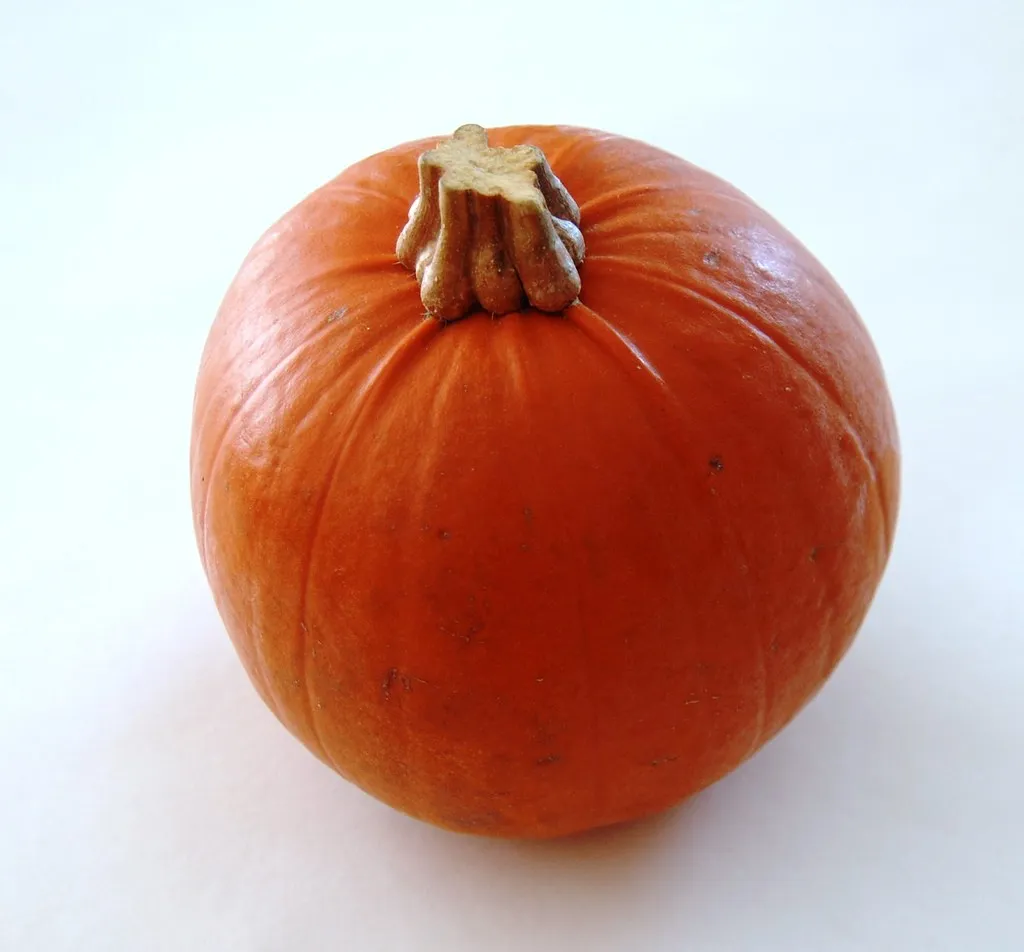
Pie pumpkins have a lower water content than carving pumpkins, meaning they hold their shape better during cooking. The thicker, meatier flesh is also ideal for making purees and pumpkin butter. That structural density is what allows pie pumpkins to bake into a filling that holds its texture and doesn’t weep moisture across the pie dish.
Sugar pumpkins, also known as pie pumpkins, are small, round, and sweet in flavor. They have a smooth texture and are less watery than larger varieties. This makes them ideal for baking pies, soups, and other sweet treats. Size and density aren’t incidental; they’re the whole point.
Food Safety Changes Once You’ve Carved It
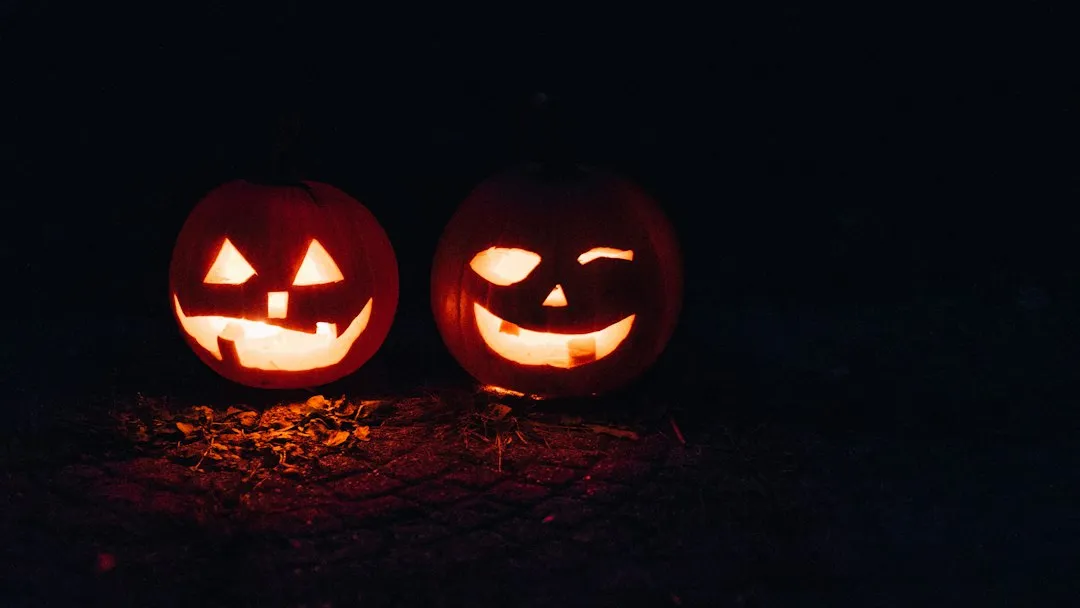
A pumpkin’s skin acts as a protective barrier, but once you cut through that to carve it, you expose the nutritious flesh inside to all sorts of bugs that can then start to grow there. At that point, you’re no longer dealing with a simple cooking ingredient. You’re dealing with a food safety situation.
Once a pumpkin is carved, the inside is open and inviting to bacteria. This bacteria can double every 20 minutes if the temperatures are in that danger zone and could grow to levels high enough to cause a foodborne illness. A pumpkin that has spent even a single warm afternoon on the porch after carving has already moved into risky territory.
Unrefrigerated pumpkin flesh can quickly develop a bacterial level that can be hazardous if eaten. An uncarved pumpkin can be stored for some time, but once it’s cut open, it will be unsuitable for eating within hours. That window is even shorter when the pumpkin is sitting outdoors in fluctuating temperatures.
Candle Wax and Smoke Contaminate the Flesh
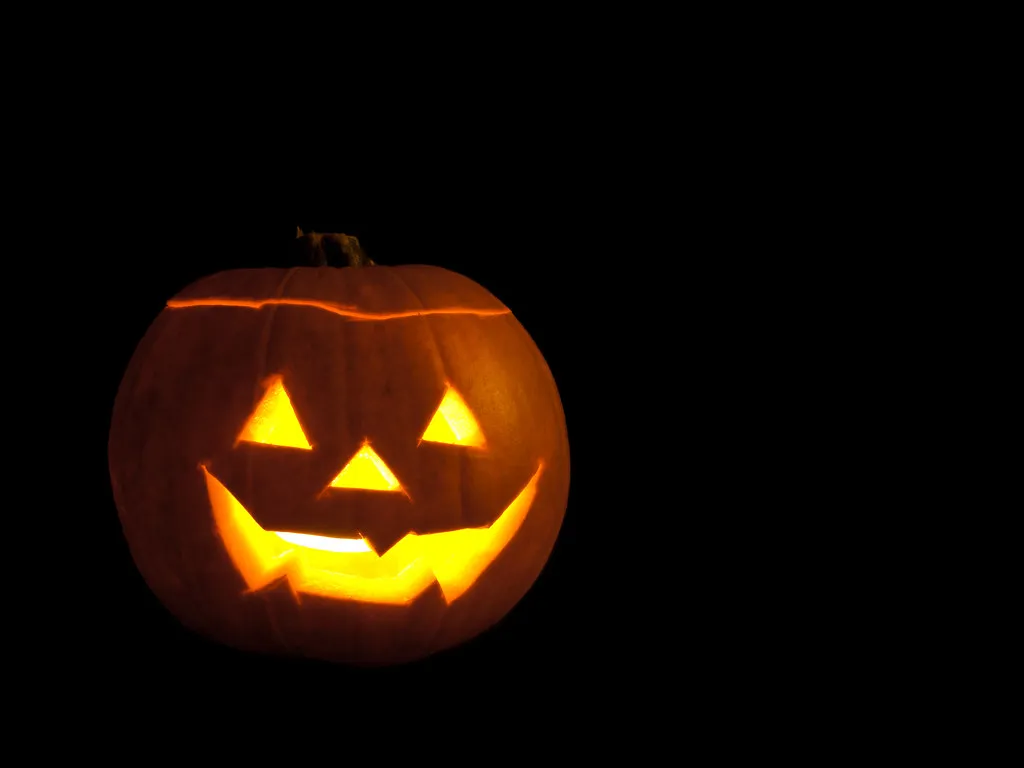
The pumpkin is carved open and left sitting outside for days, weeks, or longer, which is a nightmare for food safety. Furthermore, jack-o’-lanterns are usually festooned with a small candle inside to provide light; this candle will taint the inside of the jack-o’-lantern with smoke and wax, neither of which make for particularly good eating. Most people don’t think about this when they’re scooping out flesh from a used jack-o’-lantern.
Pumpkins that had candles burning inside them should be skipped for eating. Candle wax can drip onto the flesh and create contamination issues. Smoke residue isn’t great for food safety either, so it’s best to avoid these pumpkins entirely. Even when candle residue seems minor visually, it penetrates into the exposed flesh in ways that aren’t easy to detect or remove.
What Happens When People Try It Anyway
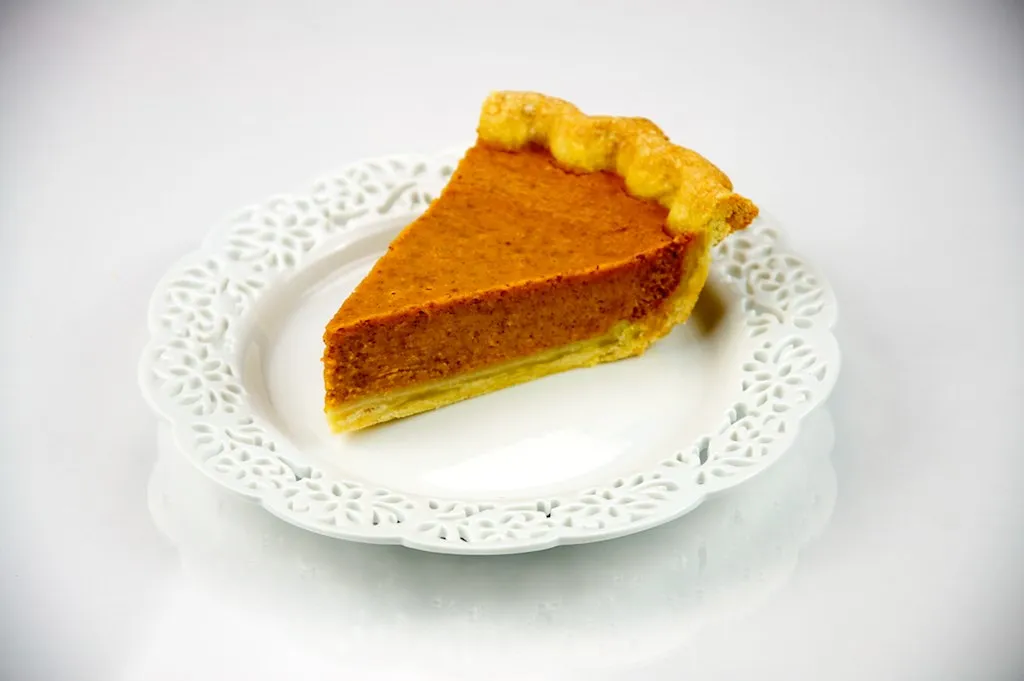
When one writer loaded carving pumpkins from a pick-your-own patch, took them home, roasted them, and pureed the flesh into a smooth filling, the pies were horrible: the inside was watery and fibrous and had none of the rich, custard-like texture of a proper pumpkin pie. This experience is common enough that it’s practically a rite of passage for the curious home baker.
A fresh, uncarved jack-o’-lantern pumpkin in good condition can be cooked, but expect a stringier, more watery result than you’d get from a pie pumpkin. Even under the best conditions, the gap in quality between a carving pumpkin and a proper pie pumpkin is noticeable. For pie specifically, where texture and flavor are everything, that difference is hard to paper over.
The Seeds Are the One Thing Worth Keeping
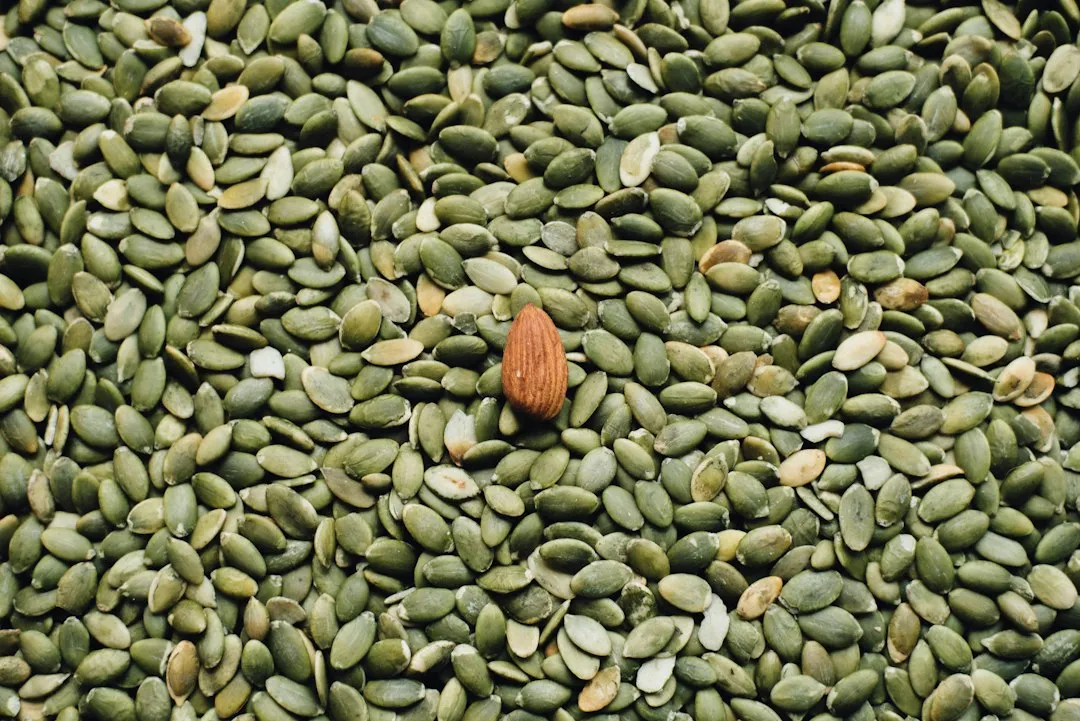
Pumpkins of almost any variety have flesh high in fiber and beta carotene. Their seeds, delicious when toasted or baked, can be rich in potassium and protein. The seeds are actually the most worthwhile thing to salvage from a carving pumpkin, and they come from any variety without the same quality concerns that affect the flesh.
Pumpkin seeds from any pumpkin can also be dried and roasted. Rinsing them clean, tossing them in olive oil and salt, and roasting them until golden is a simple way to get genuine value from your Halloween pumpkin without forcing a cooking experiment that’s likely to disappoint. The flesh can go to the compost. The seeds belong in the oven.
The Takeaway
AI Disclaimer: This article was created with the assistance of AI tools and reviewed by a human editor.