
The Hunting Instinct Behind the Pose
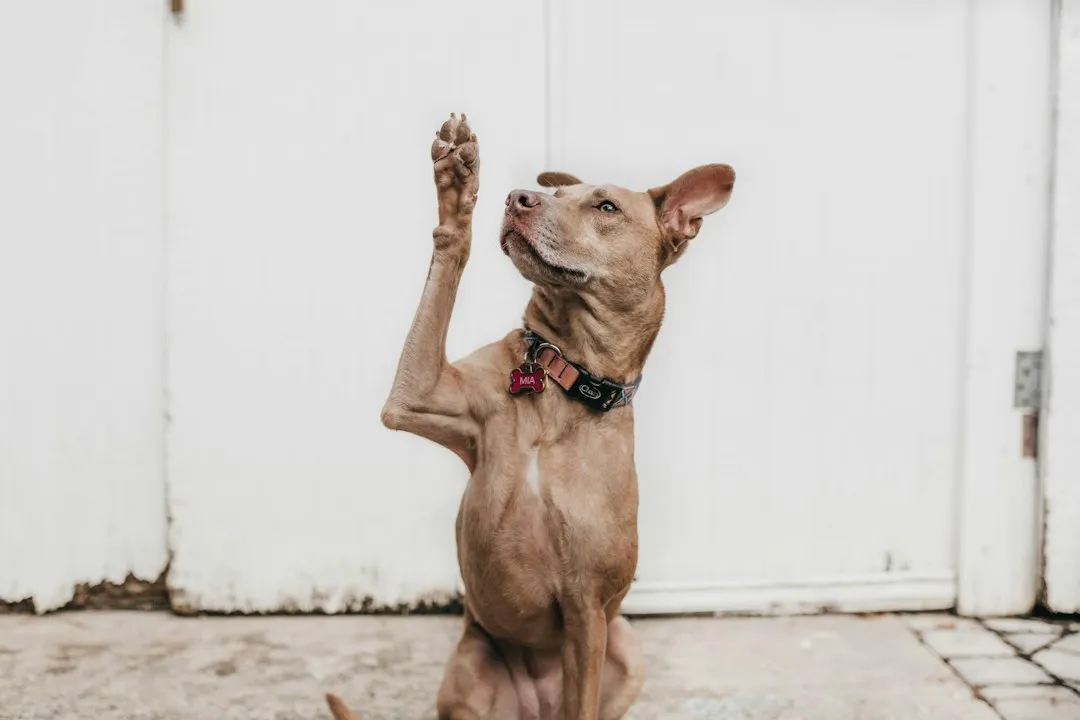
When a dog lifts its front leg while staring, it’s part of a deeply ingrained hunting sequence. This behavior forms part of the broader chain of tracking, stalking, and pursuing prey. When tracking something, a dog will point out its nose, straighten its back, stretch out its tail, and lift a front leg.
The raised paw is likely caused by the dog being cautious, beginning to take its next step toward something it has detected but pausing mid-step so as not to startle it. Recent research shows that everything about the canine nose, from its structure to the placement of olfactory receptor cells, is designed to make a dog’s life scent-centric. In other words, the average dog lives to sniff.
It’s in the Genes for Certain Breeds
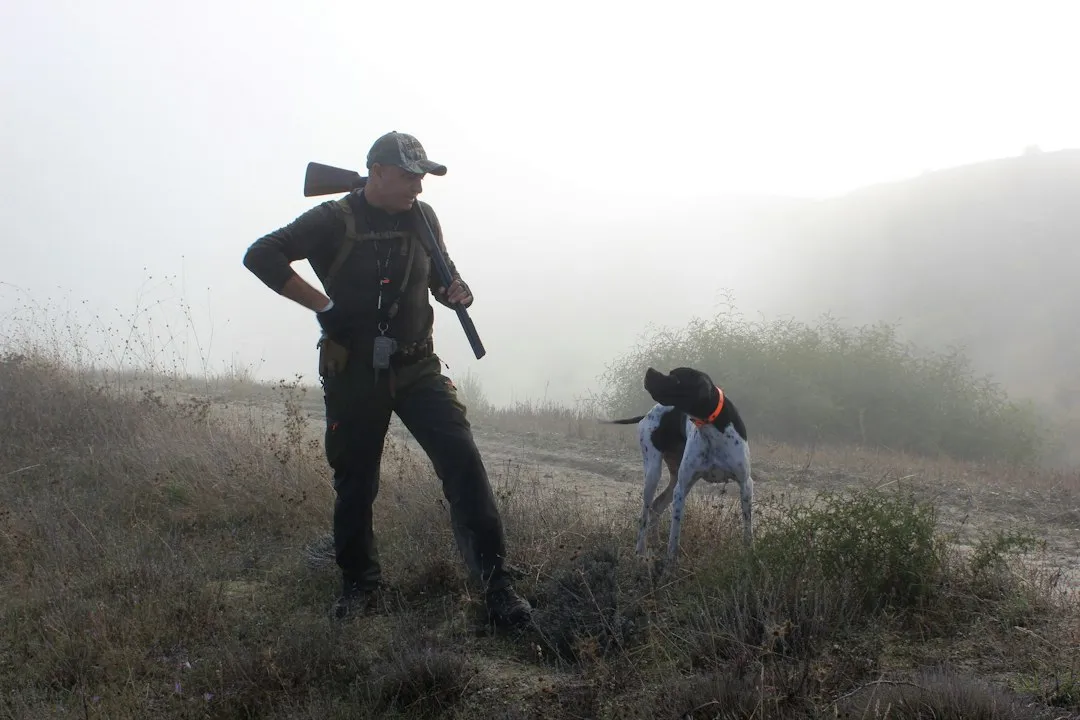
Some breeds of hunting dogs exhibit a behavioral trait called “pointing,” which involves a prolonged halt of movement to indicate the position of a game animal. Research has compared the genomes of pointing dogs like the Large Munsterlander and Weimaraner with non-pointing herding breeds. A specific genomic region was identified on chromosome 22 in pointers, and this region was also verified in other pointing breeds, but not in breeds that do not point.
Pointing breeds are typically independent thinkers capable of working across all types of terrain and weather conditions. According to experts, some can begin pointing at just two months old without ever having to be taught. Sporting breeds such as setters, pointers, and some spaniels naturally point while hunting to alert their hunting partner to the scent of small game.
Not Just for Pointers: Any Dog Can Do It
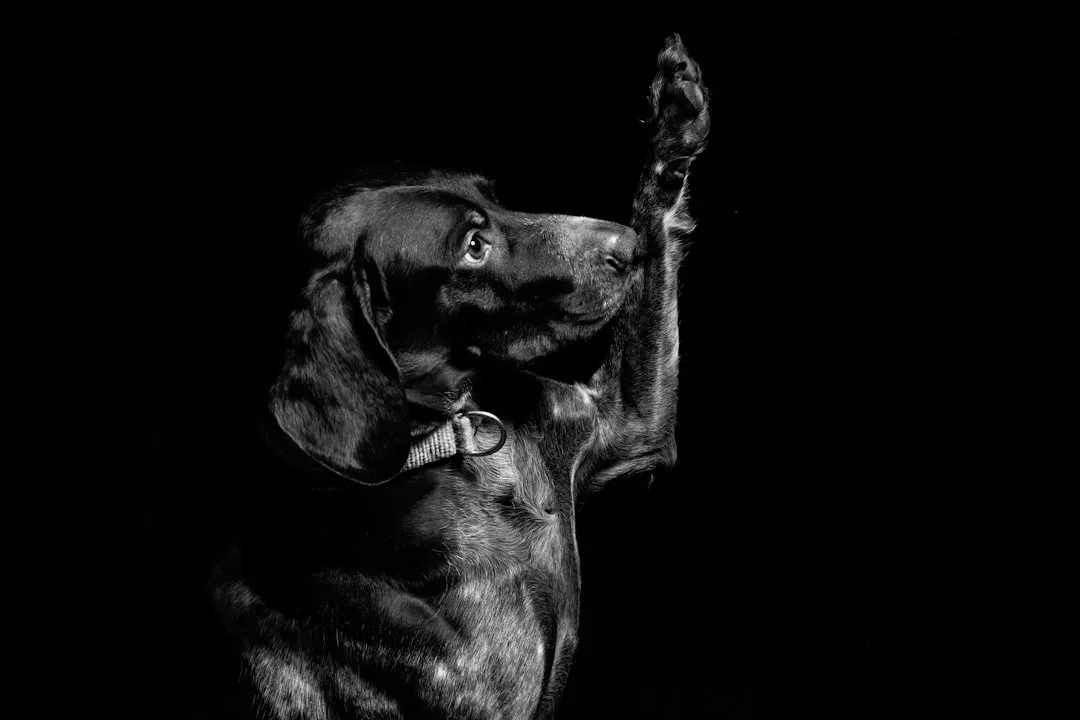
Not all dogs point, but most of them can. While the behavior is most associated with pointer breeds, it can occur in other dogs too. A dog will become transfixed and raise its paw when paying attention to a noise, object, or another animal in its environment.
While all breeds may lift a front paw to communicate, some do it more than others. Boxer dogs, for example, are known for using their front legs to express themselves in various situations, and they often use both paws to draw attention to something. Coyotes and foxes will do something similar, as will huskies. It is essentially a stop-listen-look reflex when assessing the location of nearby quarry.
A Sign of Concentrated Attention
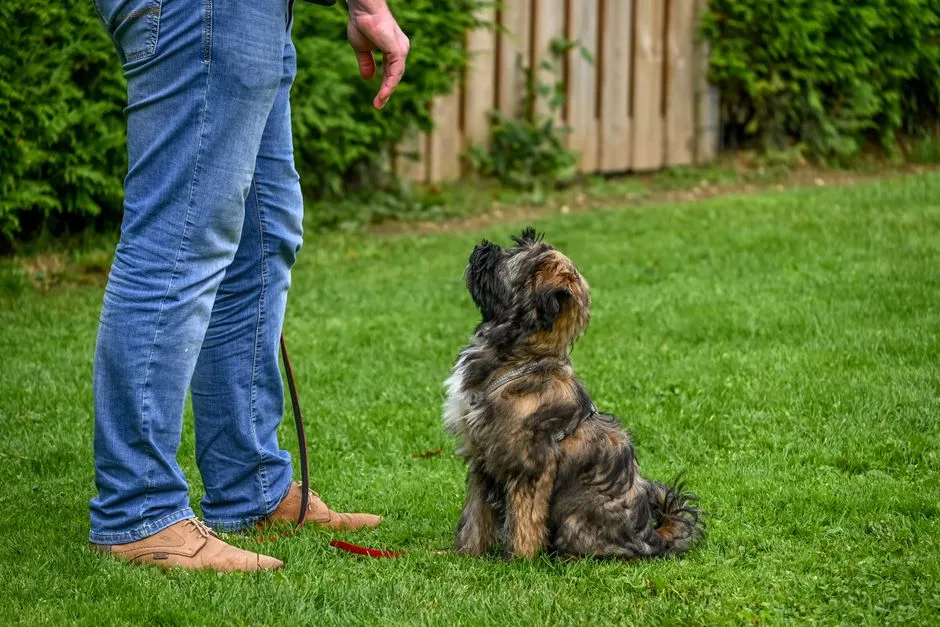
In many cases, the lifted paw is simply a sign of concentrated attention. A dog may hear a new sound, notice a squirrel through the window, or try to decode a strange object in the room. Instead of charging forward, they pause. That lifted paw is part of a thoughtful, alert posture that helps them gather information before making their next move.
A lifted paw often appears alongside bright eyes, forward ears, a closed mouth, or a slight head tilt. Put all those signals together and you usually have a dog who is fully tuned in. When a dog lifts its front paw, it’s akin to raising a flag and signaling a message. Dogs are masters of non-verbal communication, and each gesture serves as a piece in the puzzle of decoding their emotions and intentions.
Uncertainty and Stress Expressed Through Body Language
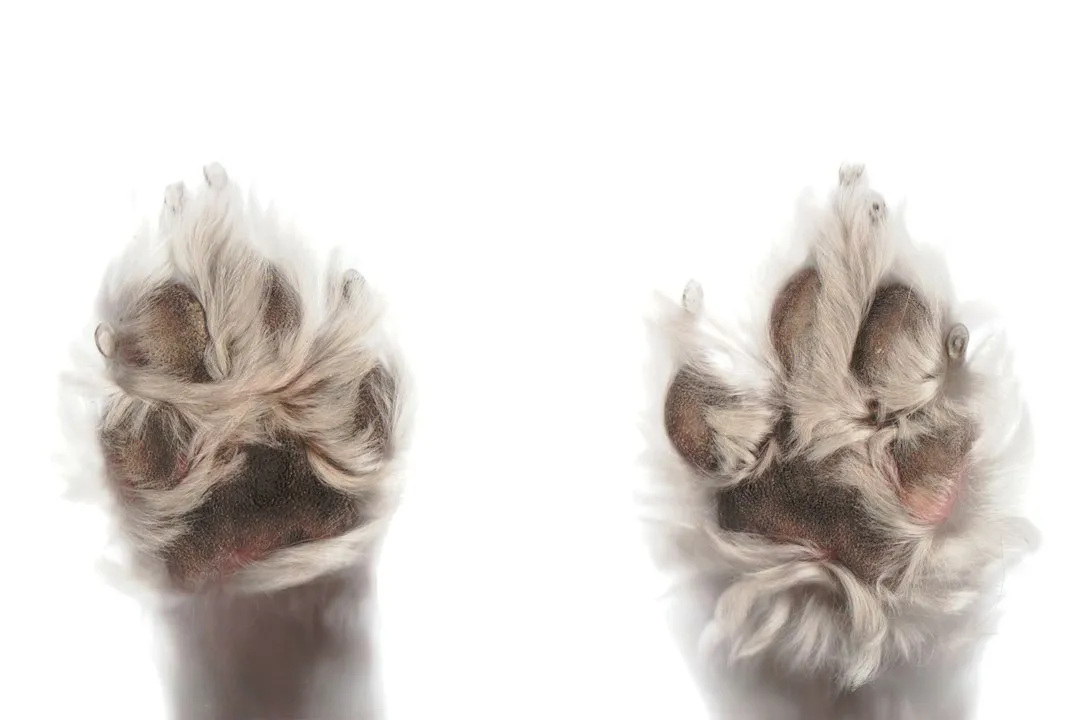
The primary reason a dog will lift one paw is often uncertainty or fear. Paw lifting is a typical displacement behavior showing conflict between two drives, such as the urge to engage with a stranger while also wanting to avoid them. A dog likely feels acute stress from being in a novel situation and doesn’t know how to proceed. A startling loud noise or a nearby unfamiliar person could be enough to trigger this response.
When a dog isn’t comfortable with a situation, such as meeting a new dog or hearing an unusual sound, it may pause and raise a paw. Rather than assuming it’s simply cute, it’s worth noticing when it happens and looking at what else is happening around them. Often, it’s their way of saying they’re hesitant or need a little reassurance.
Appeasement: A Signal of Good Intent
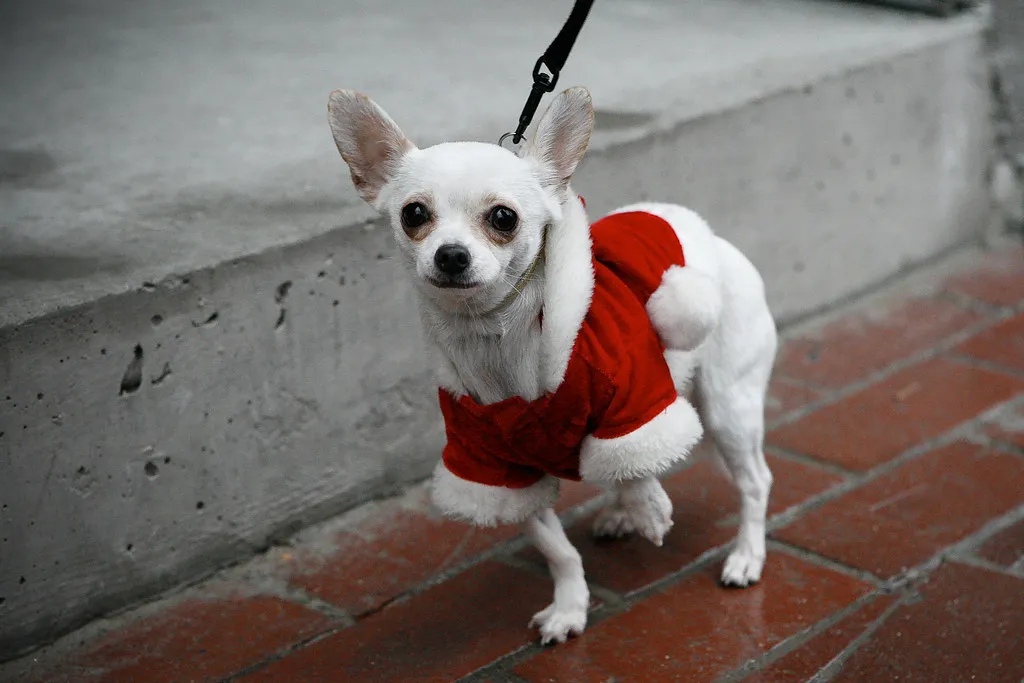
Lifting the paw can also be a clear sign of appeasement. If a dog senses potential conflict with a person or another dog, they may raise their paw to submit and avoid an altercation. The lifted paw typically accompanies other behaviors like licking the muzzle, blinking, averting the eyes, turning the head, or rolling onto their back.
Among dogs, a paw lift is an offering of pacification, respect, or submission to another’s status. It’s an especially telling signal between dogs because it means their social skills are in good shape and they’re capable of politely resolving conflicts. A prolonged, direct stare from a dog frequently conveys attachment or a plea for guidance, whereas turning the head away often signals appeasement or mild unease.
Anticipation: When Something Good Is Coming
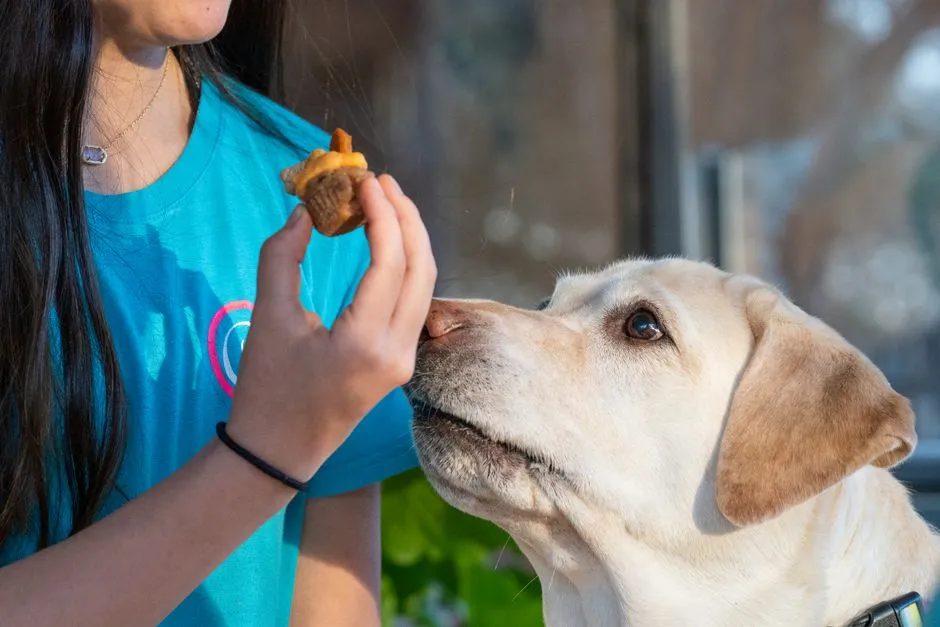
Dogs may lift one paw to show anticipation. They’re not fearful, but rather acting as if they’re ready to accept a reward, even though they’re not sure what it is or when it will come. The ears stay forward and alert, the tail is held out, and the head stays up and waiting.
If you pick up a leash, grab the treat jar, or rustle a food bag, a dog may freeze, stare at you, and raise a paw. It’s a way their body shows they’re focused and ready. This kind of paw lift usually happens in exciting moments and is nothing to worry about. When a dog lifts its front paw and stares at you, it often means it wants your attention or is anticipating something from you.
Learned Behavior: When You Accidentally Taught It
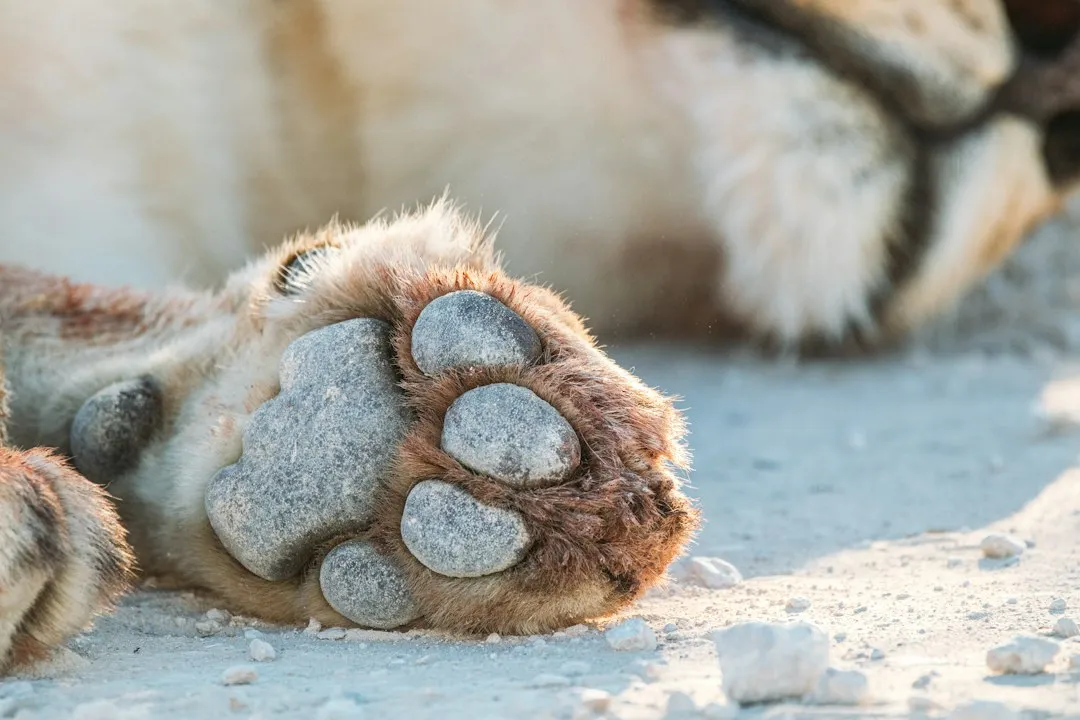
Sometimes the behavior is simply learned. If you gave your dog attention or a reward when it lifted its paw in the past, it might be repeating the behavior to get your attention again. Lifting a front paw is also a common trick taught in obedience training. For most dogs, it’s a behavior easily assimilated and often one of the first lessons they learn. When a dog does it regularly without being given a command, it might mean they want to communicate something else entirely.
Breed tendencies, personality, confidence level, and past training can all shape how often you see a raised paw. A dog who has practiced polite waiting, for example, may show this behavior more often during moments of attention and expectation.
When a Lifted Paw Signals Physical Pain
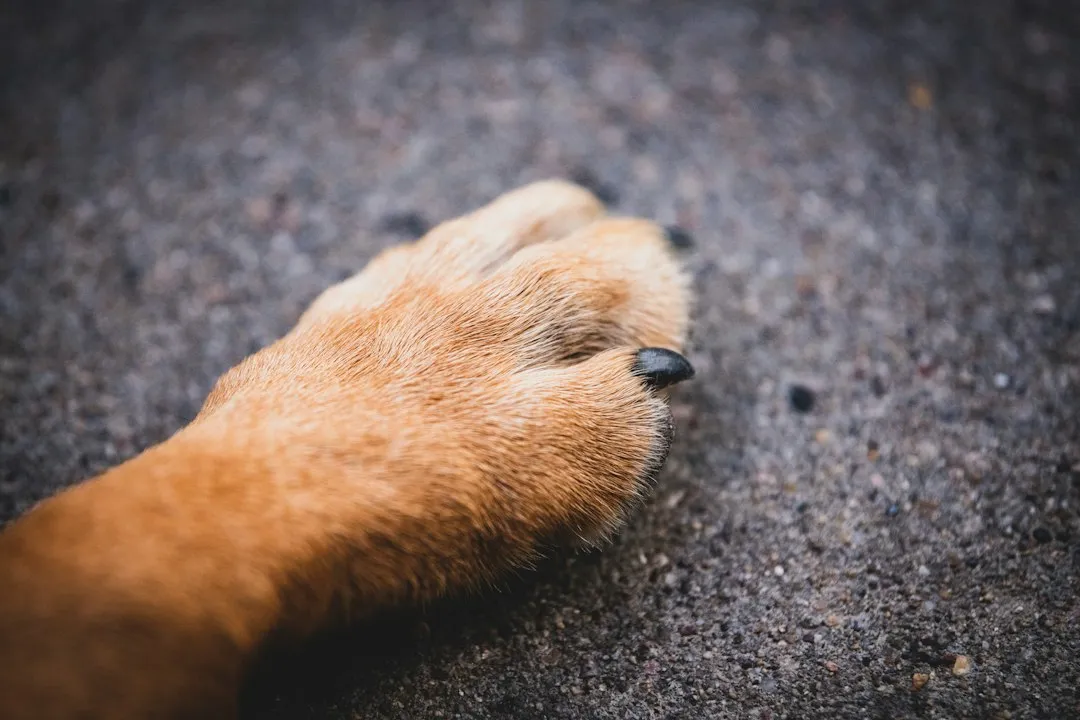
In some cases, front paw lifting might be a subtle indicator of pain or discomfort. Dogs, being stoic creatures, may lift a paw to alleviate pressure on an aching limb. Cuts, scrapes, splinters, or insect stings can all cause pain that leads to paw lifting. You might also see swelling, redness, or bleeding if the injury is visible. Dogs who walk on rough pavement, frozen ground, or hot surfaces are more prone to surface injuries.
You know your dog best, but even subtle changes in how they walk should be taken seriously. If your dog is holding a front paw up for more than a day or if the posture seems to get worse, it’s time to reach out to your veterinarian. The key distinction here is context: a dog lifting its paw while locked in an alert stare is almost certainly communicating something, while one repeatedly lifting the same paw during movement deserves a closer physical inspection.
Age, Personality, and Individual Differences
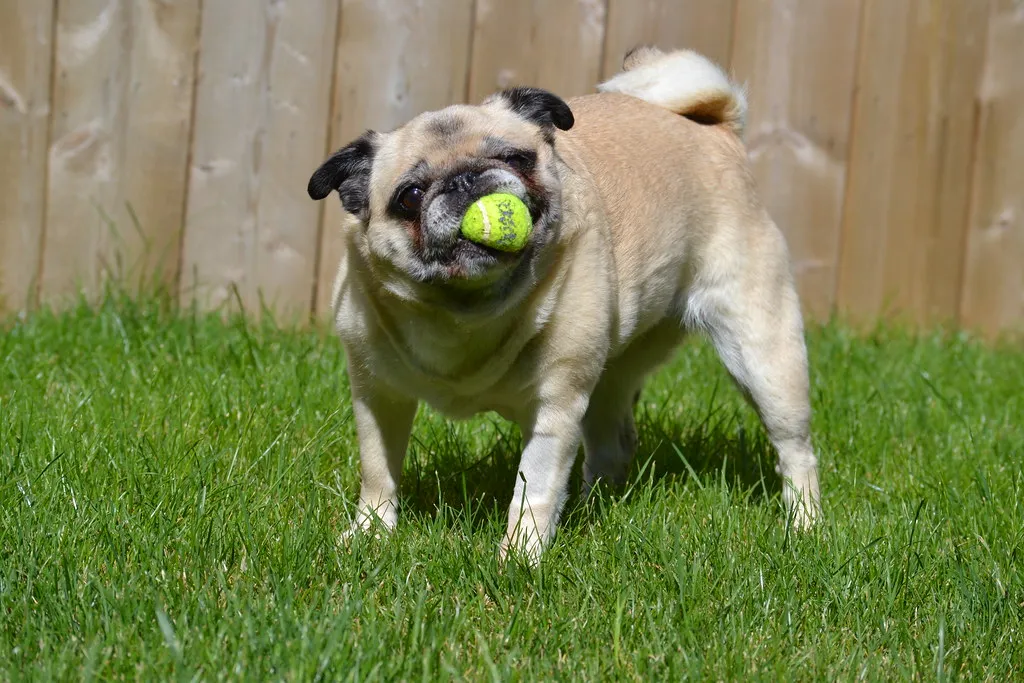
Age plays a role in how often the behavior appears. Young dogs exploring the world may flash that curious paw constantly because nearly everything is new. Older dogs tend to use it in more specific situations, like when they hear a familiar sound they cannot quite place or when they’re deciding whether something is worth investigating.
Research exploring the relationship between paw preference and emotionality in pet dogs found that paw use might be task-specific rather than a fixed indicator of a dog’s emotional state. The study examined paw preferences across different tasks and assessed dogs’ sensitivity to positive and negative situations. Just like people have different habits and expressions, dogs have different body language styles. Some are naturally dramatic and expressive, while others are more subtle.
The Takeaway
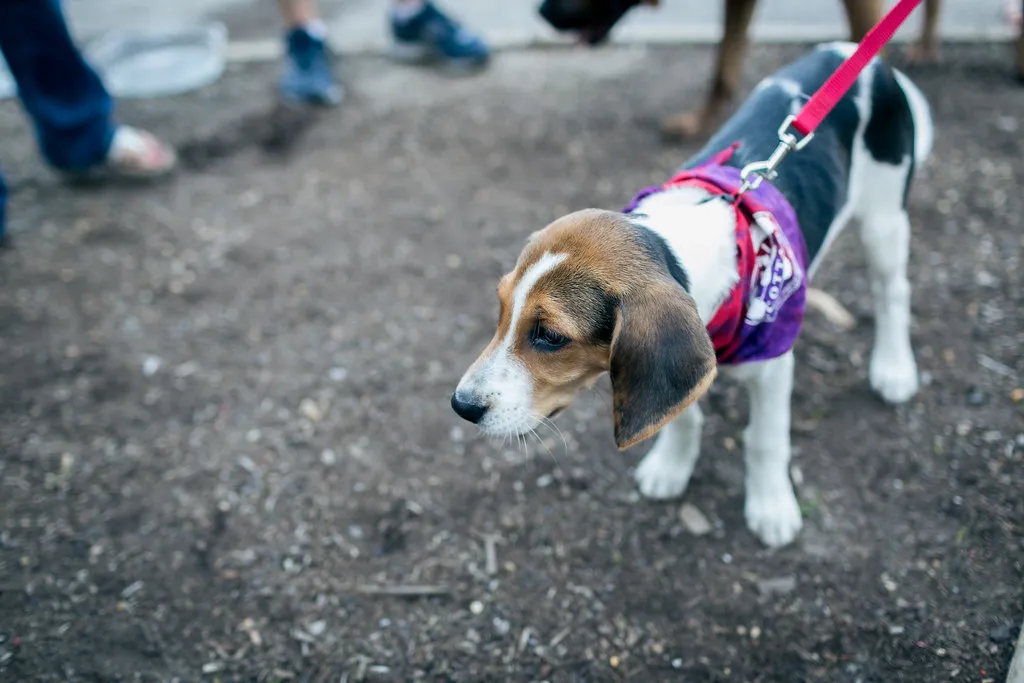
The lifted paw while staring is one of the richest examples of how much dogs are trying to tell us at any given moment. It can reflect ancient hunting instincts encoded into their DNA, emotional states ranging from delight to anxiety, or simply the very modern habit of asking for a treat. Context is everything when deciphering the reason behind a dog’s paw raising, and paying attention to other body language signals and the surrounding environment gives you the clearest picture.
Lifting one paw can have multiple meanings, and it’s rarely a behavior to ignore. In most cases, a raised front paw shows that a dog feels conflicted, and paying attention can make a real difference in helping them feel at ease. That small frozen moment, one paw in the air, eyes locked forward, is your dog doing its best to make sense of the world. It’s worth paying attention right back.
AI Disclaimer: This article was created with the assistance of AI tools and reviewed by a human editor.