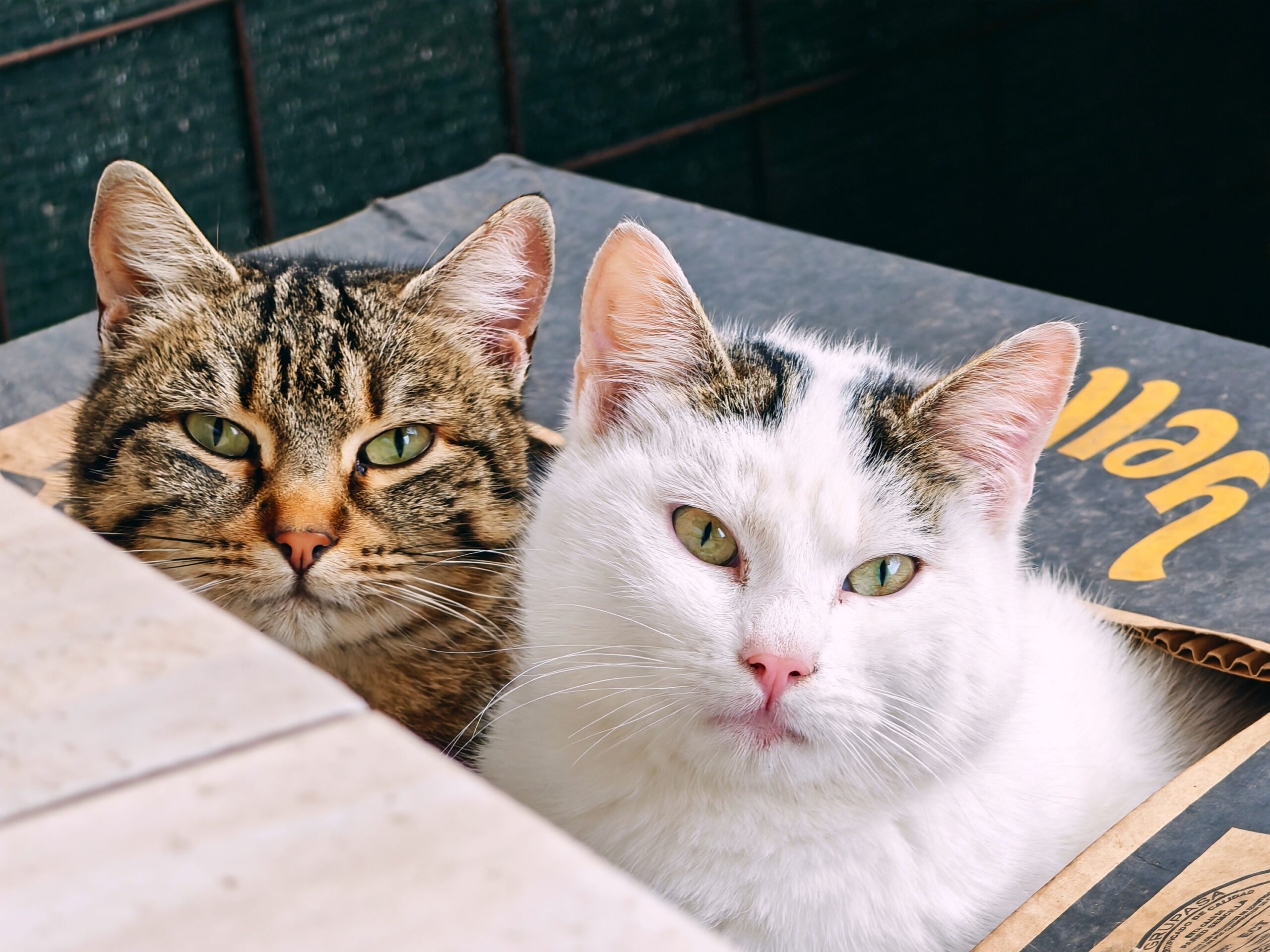

It’s All About the Prey Plucking Instinct
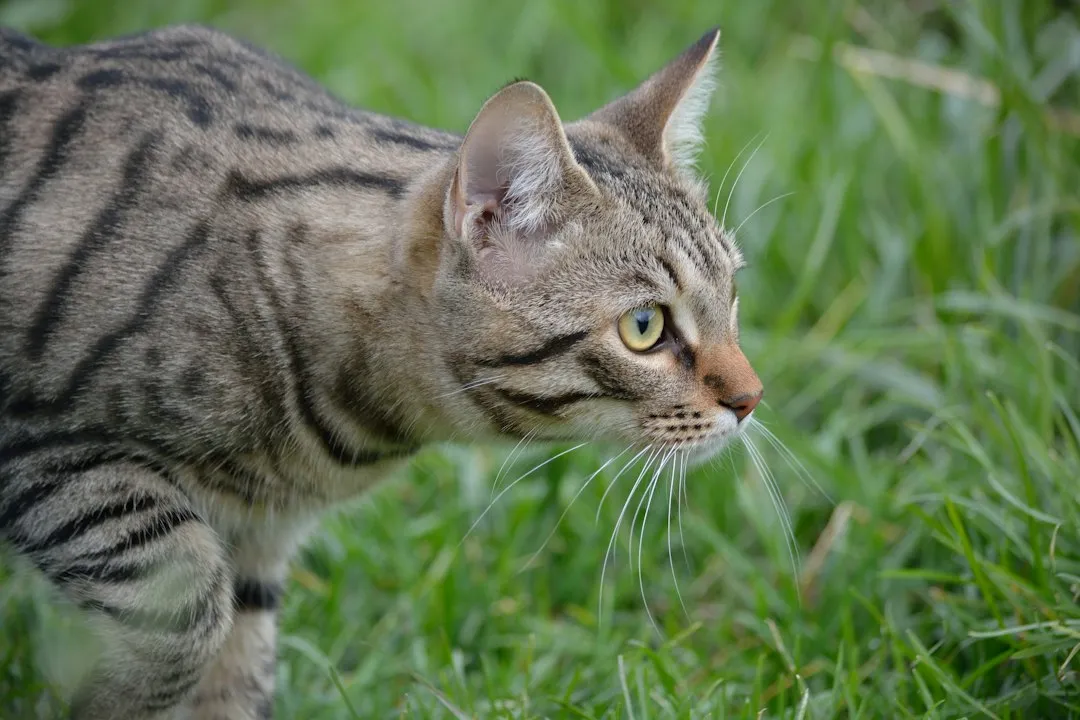
To understand why cats shred and bite edges, you have to look at how wildcats eat. When a cat catches a bird or a furry mouse, they can’t simply swallow it whole. They have to prepare the meal by aggressively plucking feathers and tearing away thick fur using their front teeth, the incisors.
The resistance and texture of corrugated cardboard closely mimic the sensation of pulling feathers and fur. When your cat shreds a box and spits the pieces on the floor, they are completing a deeply ingrained and highly satisfying hunting sequence.
Chewing and tearing also mimics the feeling of catching and biting prey. The resistance of the material gives cats a sense of “success,” similar to what they would experience when actually hunting. Books offer a similar physical payoff – the firm, slightly yielding corner of a paperback is surprisingly close to that sensation.
Cardboard’s Texture Is Genuinely Satisfying
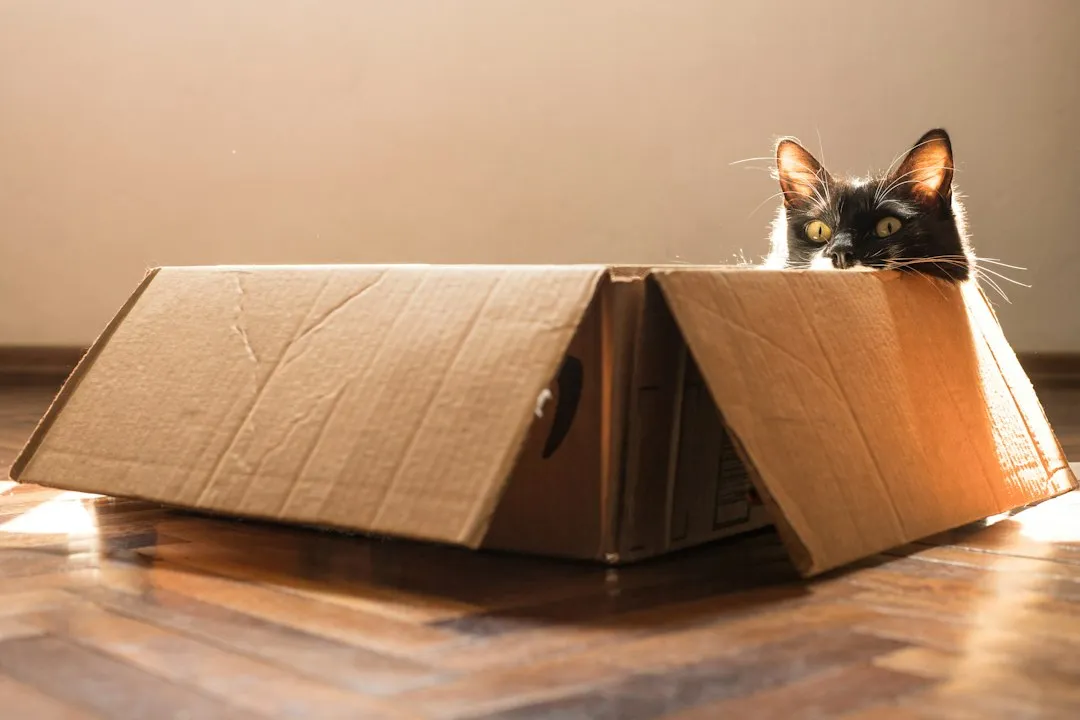
Cardboard’s corrugated layers feel like bark, prey skin, or leaf litter to a cat’s paws and teeth. When a cat bites down, the satisfying rip mimics tearing into a mouse or bird, activating predatory instincts that have been hardwired over thousands of years of evolution.
The texture of cardboard is particularly satisfying for cats, similar to how chewing toys entertain dogs. Paper-covered book corners share some of that same slightly rough, fibrous resistance. It’s not the content of the book your cat wants – it’s purely the feel of it between their teeth.
Studies show that the act of chewing engages various sensory receptors, providing both mental and physical stimulation. Research found that roughly three quarters of cats exhibit interest in materials with varied textures.
Scent Marking Through Biting

Cats have scent glands located right around their lips and chin. By aggressively rubbing their mouth on the edges of a box while biting it, they are depositing pheromones and claiming the box as their territory.
When a cat chews on the flaps or the side of a box, it is their way of scent-marking with their pheromones. The same logic applies to books, especially ones that carry your scent from regular use. Your cat isn’t destroying your novel out of spite – they’re essentially signing it.
Research indicates that scent plays a crucial role in how cats interact with their environment. Corners and edges are easy contact points for depositing scent quickly, which explains why those specific spots get targeted over and over.
Boxes Reduce Stress, and Biting Is Part of That
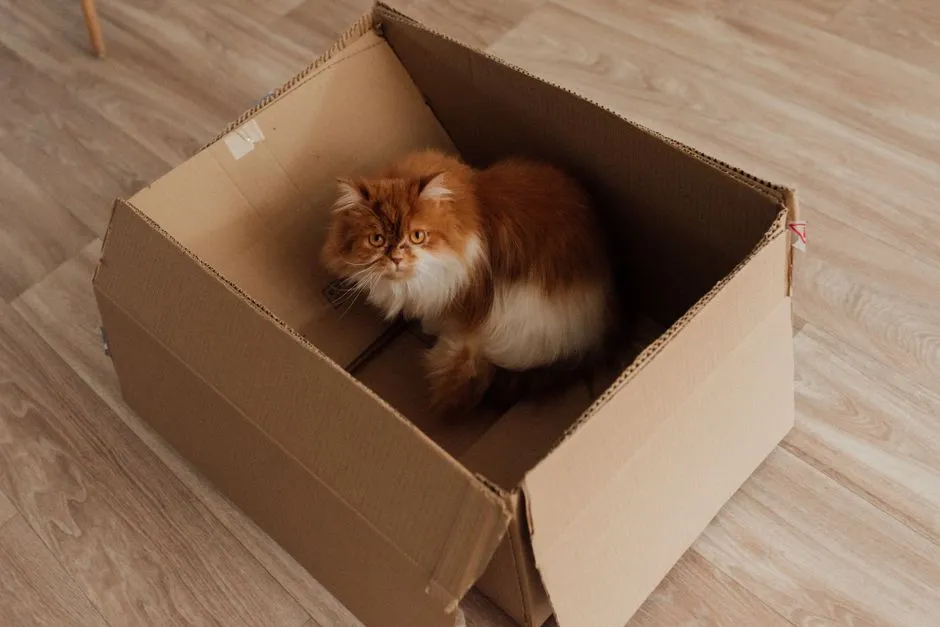
A 2014 study by researchers at the University of Utrecht in the Netherlands demonstrated that boxes can lower stress levels in cats. In that study, newly arrived shelter cats were given boxes as hiding spaces, and those cats adapted to their new surroundings faster and showed less stress than the cats without boxes.
Chewing can also be a self-soothing behavior. Some cats chew cardboard when they feel anxious, overstimulated, or stressed. The repetitive motion may help them relax in the same way some people bite their nails or fidget when nervous.
Changes in routine, new pets, loud environments, moving homes, or even boredom-related stress can trigger increased chewing behavior. Cats often seek out enclosed spaces like boxes because they feel secure and protected, and chewing the box may simply become part of that comforting experience.
Indoor Cats Need Outlets, and Corners Are Convenient

Cats are natural predators, and their instinct to bite and tear things apart is deeply ingrained. This behavior is particularly common in indoor cats who may lack other outlets for their predatory drive.
One of the most common reasons cats chew on cardboard is simple boredom. Cats, especially indoor ones, need ample mental and physical stimulation to keep them engaged and entertained. Without a hunting routine, the corner of a box left on the kitchen floor becomes a perfectly acceptable substitute.
Cats can show obsessive behaviors when they are bored for long periods. They are naturally built to hunt and spend their time and concentration stalking. When that “work” is taken away from them, some cats exhibit unusual behavior.
Kittens Bite Corners for a Different Reason: Teething
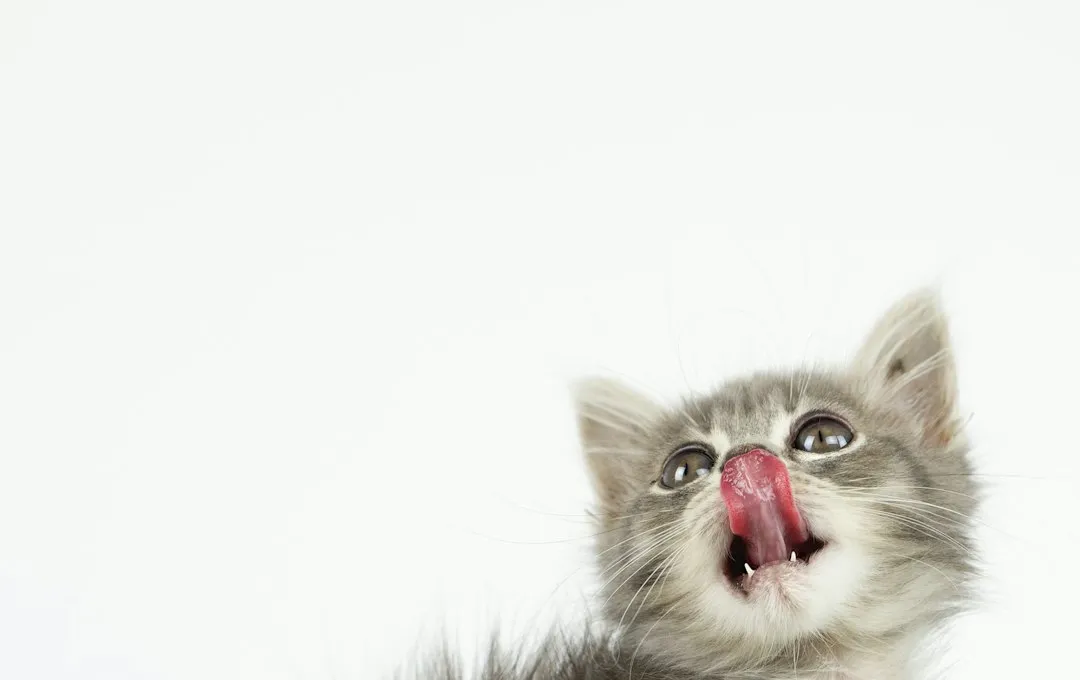
Kittens go through a teething phase, usually between the ages of three to six months, where they lose their baby teeth and grow their adult teeth. During this period, they may experience discomfort or pain in their gums. Chewing on cardboard or other objects can help alleviate some of this discomfort by massaging the gums, similar to how puppies or human babies chew on teething toys.
Kittens especially tend to explore their environment with their mouths as they develop coordination and confidence. Much like puppies, young cats often chew on objects while learning about the world around them.
If you have a kitten going through this phase, the corners of books and boxes are probably the least destructive targets they could have chosen. It typically calms down once the adult teeth are fully in.
The Role of Curiosity and Scent Detection
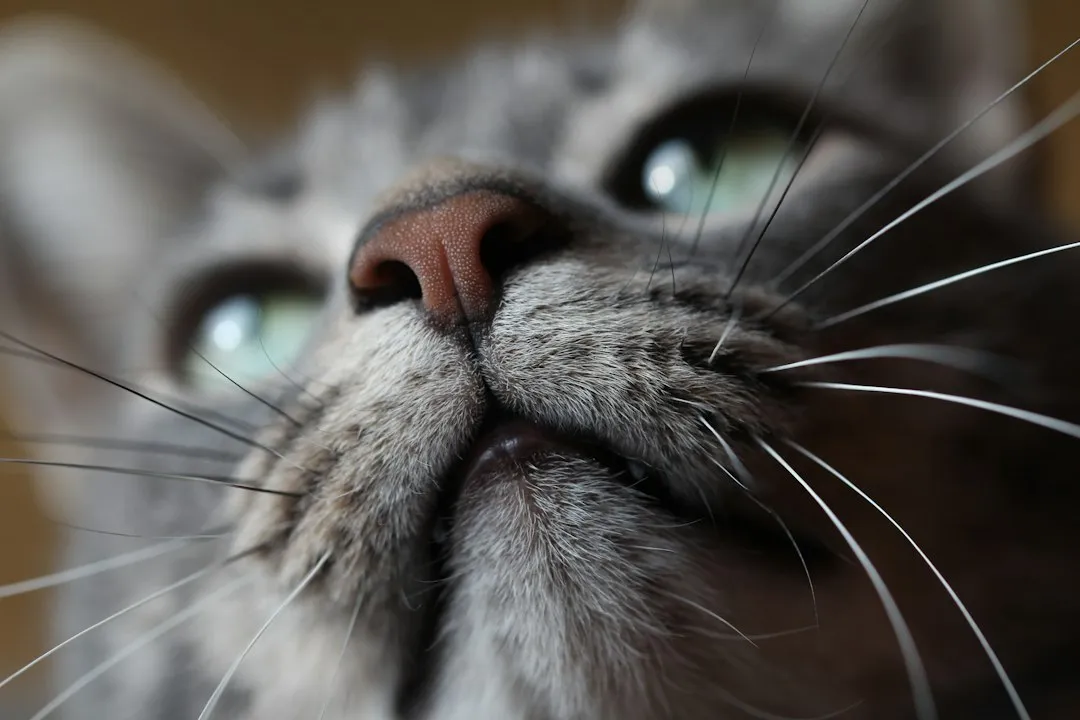
Cats have around 200 million olfactory receptors, compared to our much smaller number. A box soaked in your scent signals “safe zone,” while the neutral surface lets them layer their own pheromones via cheek rubs and bites.
Cats are known for their boundless curiosity, and they’ll investigate just about anything that piques their interest. The natural smell of a new box entices them, raising an immediate question in their mind about this strange object now occupying their space.
New objects, like a cardboard box, introduce novel scents and textures that can invite curiosity from your cat. A book that’s been sitting on a shelf for months smells different from a freshly opened one – and that difference alone can trigger a closer investigation, mouth first.
When Biting Becomes Pica: Knowing the Difference
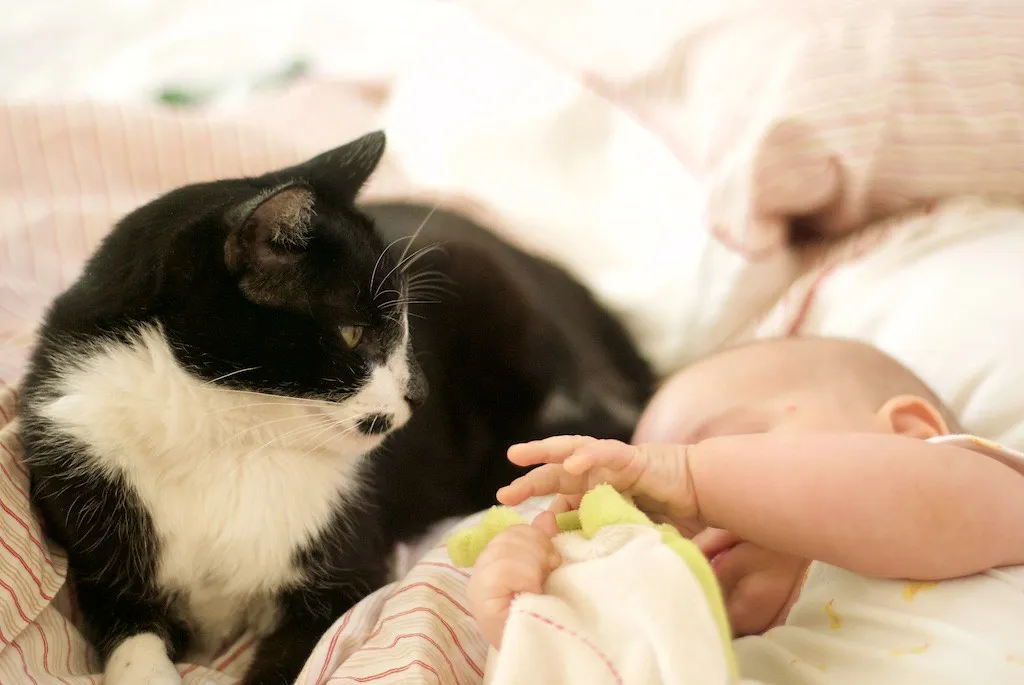
Pica is defined as the compulsive eating behavior where cats consume non-food items such as fabric, plastic, rubber, paper, cardboard, soil, string, and plants, and ingesting these non-traditional items can lead to various health risks.
Sucking, chewing, and ingesting may occur together or independently. Prevalence of pica is higher in younger animals and decreases with age. The cause or causes of behavioral pica are still unclear, and studies on causes and treatment outcomes are lacking. That uncertainty is worth keeping in mind before jumping to conclusions.
The key distinction is simple: occasional curious chewing is normal exploratory behavior, especially in kittens, but it becomes a concern when a cat has swallowed objects and shows signs like repeated vomiting, low energy, or stomach pain. Biting and spitting out pieces is generally harmless. Swallowing them is not.
Health Signals Worth Watching
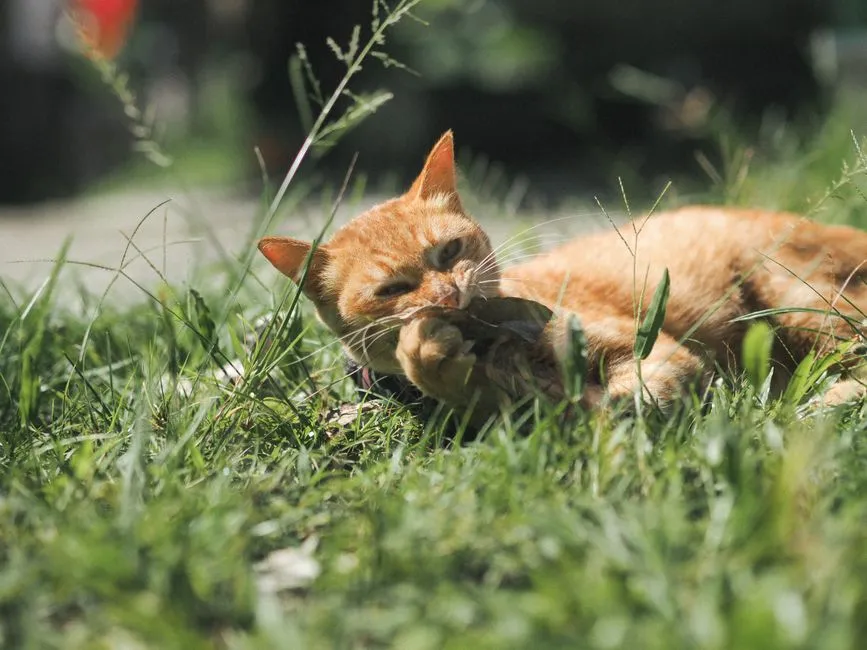
Chewing on cardboard is a common behavior in cats, often driven by curiosity, playfulness, or dental stimulation. While usually harmless, it’s important to monitor the behavior to ensure your cat isn’t ingesting large amounts.
Nutritional deficiencies are a potential cause of compulsive chewing. The cat may be chewing and ingesting inappropriate materials because of a poor diet. If the behavior seems driven and persistent rather than playful and relaxed, it’s worth a conversation with your vet.
The ingestion of some kinds of non-food objects, especially string, cords, and hair ties, can result in life-threatening blockages in the stomach or intestines that require urgent veterinary attention. Cardboard is far less dangerous than those items, but it’s still worth supervising if your cat swallows larger pieces.
What You Can Do About It

Cats likely enjoy the feel of certain textures and surfaces, not from frustration. Vets suggest limiting access and giving cats chew toys, catnip toys, or scratching posts as alternatives. Redirecting the behavior is almost always more effective than trying to scold it away.
Studies indicate that environmental enrichment helps reduce stress in felines. When they engage with materials like cardboard, it promotes mental stimulation and physical activity. Rather than simply removing the box, consider offering designated scratch-and-chew materials as a controlled outlet.
If your cat seems calm and otherwise healthy, occasional cardboard chewing is usually nothing to worry about. Sudden obsessive chewing or destructive behavior can sometimes signal underlying stress or anxiety – and that’s the signal to pay closer attention rather than react to the chewed corner itself.
The Bigger Picture

AI Disclaimer: This article was created with the assistance of AI tools and reviewed by a human editor.