

What a Free Home Energy Audit Actually Is

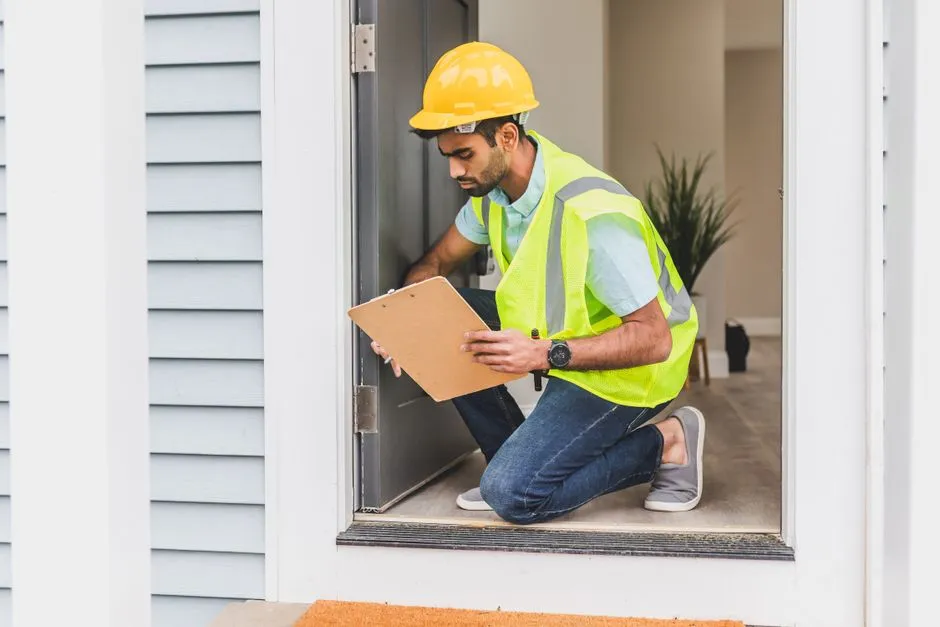
A home energy audit, also called a home energy assessment, is an inspection that finds where your home wastes energy. A trained person walks through the property, checks the equipment and the structure, and gives you a written list of problems in order of importance.
Many gas and electric companies offer the inspection free to their customers because they run efficiency programs that pay for it. The standard utility version usually has no income requirement, no age requirement, and no cost.
It’s more rigorous than most people expect. This isn’t someone glancing at your thermostat. The auditor uses blower door tests, infrared cameras, and combustion safety checks to find where your home wastes energy, then gives you a prioritized list of upgrades that typically save 5 to 30 percent on utility bills.
How Low Participation Really Is
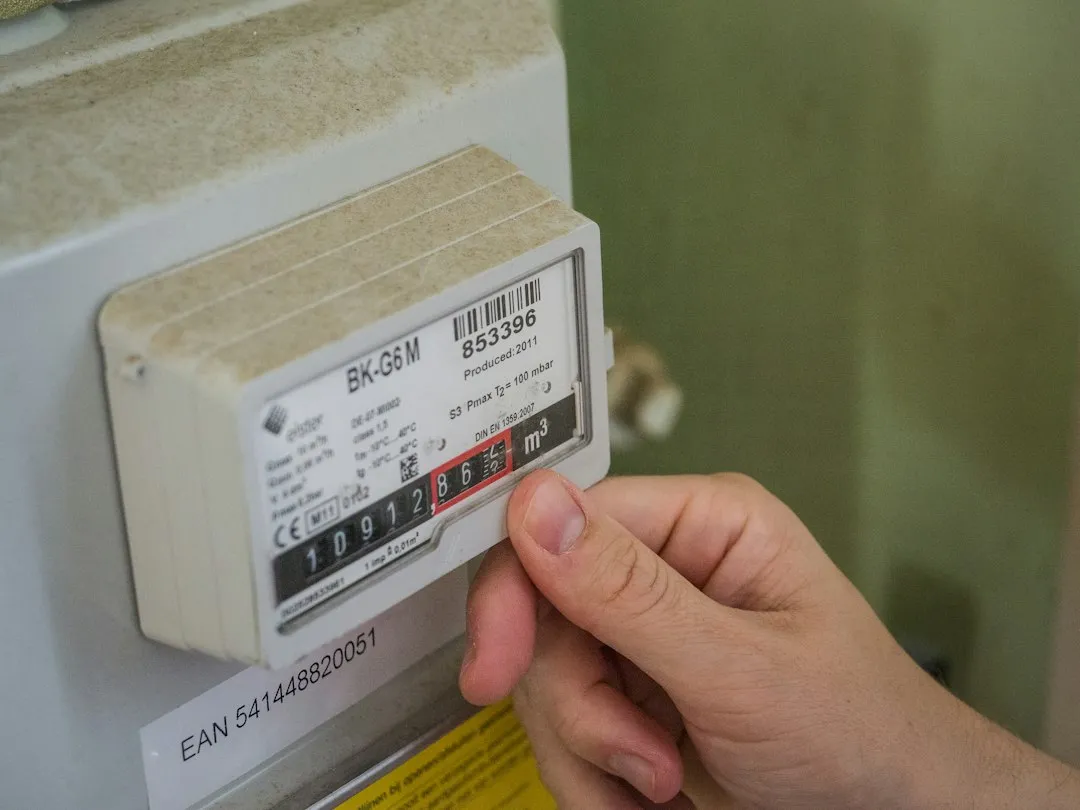
A survey conducted by the Association for Energy Services Professionals found that customer participation in utility energy management programs is still fairly low. The study found that only roughly a third of consumers had participated in a utility-run energy management program. Participation rates ranged widely, from just one percent to 80 percent, with an average participation of 17 percent.
That average of around 17 percent is striking when you consider how freely available these programs are. Free utility-sponsored audits are available to roughly a third of all U.S. households, with the full audit cost typically subsidized at an average value of over $400.
Pennsylvania offers a clear example of how poor awareness affects uptake across all utility assistance programs. Between 2014 and 2024, about 22 percent of eligible natural gas customers and 23 percent of eligible electric customers received assistance each year, according to state data. Awareness, not eligibility, is consistently the barrier.
Which Utilities Are Offering These Programs
Energy utilities and state government programs offer a variety of home energy audits, and many state governments and utility companies offer audits at little to no cost to discover all the ways a home can reduce energy waste.
The programs vary considerably in depth and delivery. Duke Energy Florida runs a free Home Energy House Call program where an advisor visits your home for 60 to 90 minutes, installs basic efficiency measures on the spot such as LEDs, low-flow showerheads, and pipe insulation, and provides a customized report.
United Cooperative Services employs energy experts on staff to offer free home energy audits for both residential and commercial members seeking energy efficiency advice. Since 2006, their energy experts have been invited into more than 10,000 member homes and businesses. Cooperative-run utilities like this tend to have especially strong audit programs, partly because their member-owned structure gives them a direct incentive to lower consumption costs.
What Auditors Actually Look For

A comprehensive home energy audit includes a blower door test to measure total air leakage, infrared thermal imaging to reveal insulation gaps and hidden air leaks, duct leakage testing to measure conditioned air lost through ductwork, and combustion safety checks.
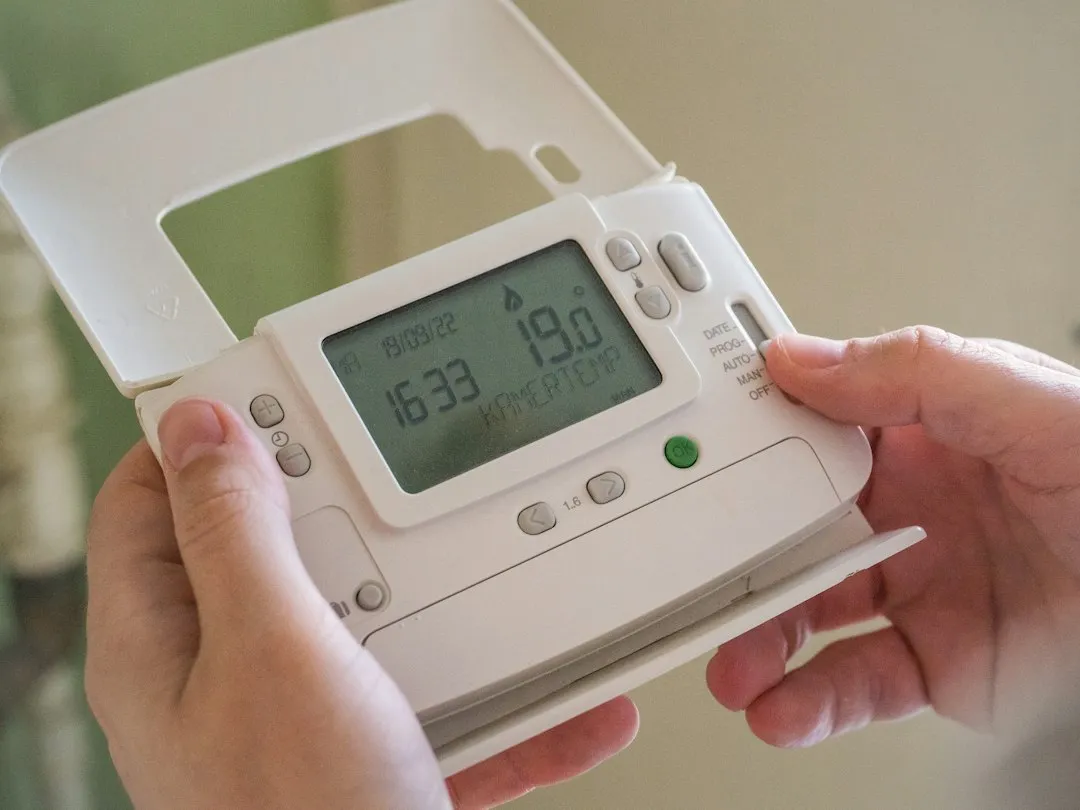
Heating and cooling systems are a significant portion of residential energy consumption. Auditors look for efficiency problems by checking furnaces, air conditioners, heat pumps, thermostats, filters, refrigerant performance, and overall operation of the system.
Auditors commonly check combustion appliances such as furnaces and gas water heaters for gas leaks, poor venting, and carbon monoxide problems. Finding one of those issues can matter far more than any amount saved on the bill. That safety dimension alone makes the audit worth scheduling.
The Blower Door Test Explained
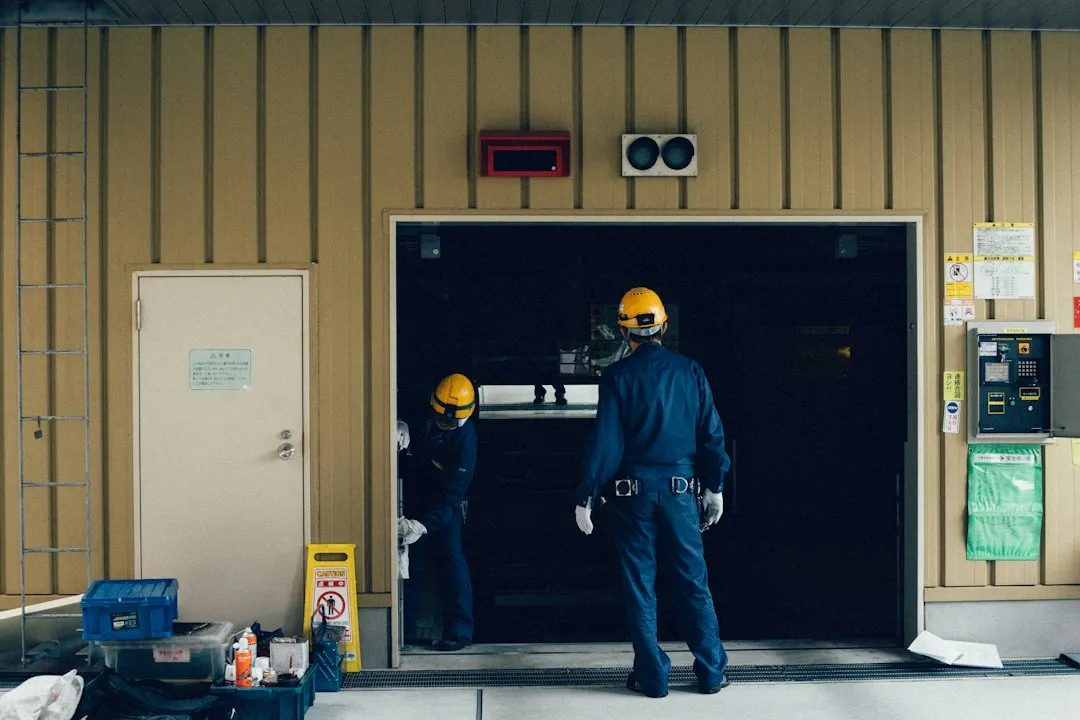
The blower door test is the signature test of a professional energy audit. A powerful fan is mounted in an exterior doorframe and depressurizes the house. This causes outside air to flow in through all the cracks and leaks in the building envelope, making them easy to detect.
The auditor uses the blower door results to calculate the home’s air change rate. A typical older home might have 10 to 15 air changes per hour, while a well-sealed home targets 3 to 5. The difference in heating and cooling costs between those two figures is significant.
If a utility-sponsored audit doesn’t include a full blower door test, it’s worth asking what diagnostic tools will be used. BPI-certified professionals identify an average of $825 in annual savings compared to $540 for non-certified auditors, paying back any credential premium in under nine months.
How Much You Can Actually Save

Homes that implement energy audit recommendations typically see a 5 to 30 percent reduction in energy bills. For a household spending $2,400 per year on energy, that’s savings of $120 to $720 annually, often paying for the audit itself within the first year.
By identifying and addressing energy inefficiencies, homeowners can typically expect savings ranging from 5 to 30 percent on their annual heating, cooling, and electricity costs. Over time, these monthly savings accumulate, effectively paying back the initial audit cost and continuing to put money back in your pocket for years.
For households where the audit is genuinely free, the math is even simpler. A free energy audit costs nothing beyond a phone call and an appointment, and the changes that come out of it keep lowering the bill month after month.
Income-Qualified Programs Go Even Further

Free comprehensive audits for income-qualified households can include implementation of improvements valued at an average of $6,500 to $8,000. This goes well beyond a written report. Insulation, air sealing, and heating equipment repairs can all be covered under weatherization assistance programs at no cost to the household.
In New Jersey, for example, PSE&G’s Home Weatherization Program for income-qualified customers includes a free energy efficiency inspection along with, depending on the home’s needs, installation of up to $6,000 in energy-efficiency upgrades and up to $1,500 in health and safety improvements, all at no cost.
A free energy audit is the first step of weatherization and leads to free improvements such as air sealing, insulation, and repairs to heating equipment. Older adults, people with disabilities, and families with young children tend to get priority.
Why So Few People Request One
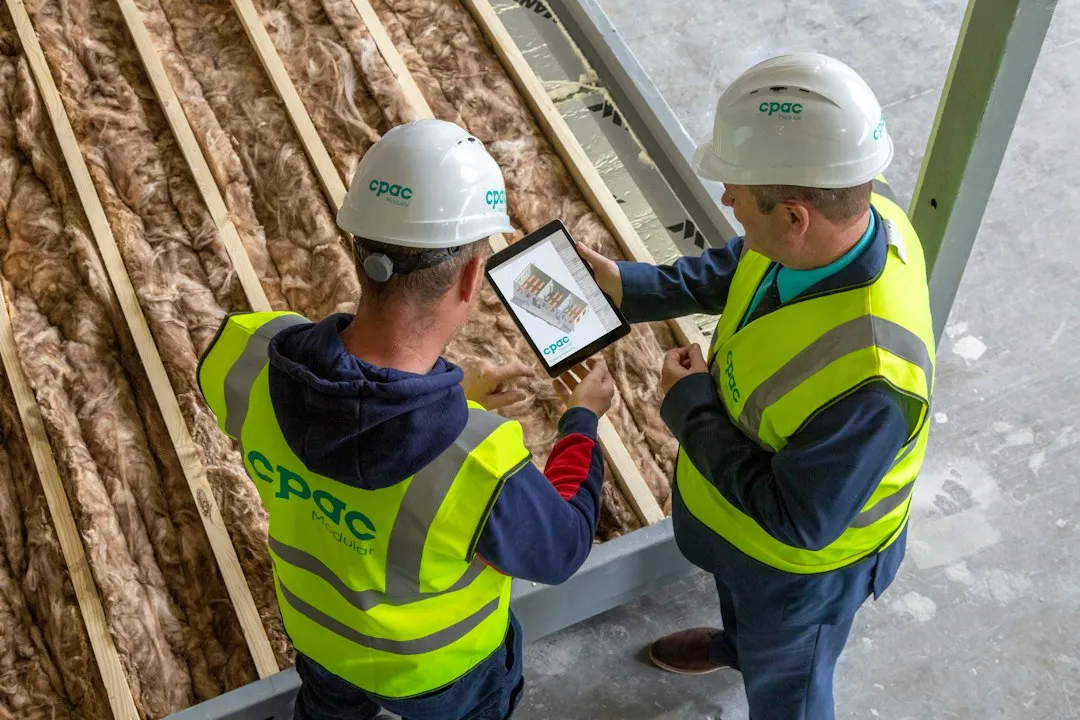
Awareness is consistently the central problem. The AESP survey showed the top factors generating growth in program participation were improved value and incentives, improved communications between consumers and utilities, and improved digital interfaces, tools, and energy data. Communication, in other words, is failing.
Consumer Reports found a majority of Americans believe utilities should help customers improve efficiency before raising rates, yet many utilities already offer free audits or rebates that customers simply never ask about. The gap between belief and action is real, and it’s costly.
There’s also some confusion about what the audit involves. Many people assume it’s a sales pitch dressed up as a service. In most utility programs, that’s not the case. Energy services specialists assess your home and help you find ways to reduce energy use without any sales pressure, because their goal is the same as yours: to save energy and lower your monthly electric bills.
The Tools EPA and States Offer Beyond Utility Programs
The U.S. Environmental Protection Agency offers a simple web-based tool that provides energy efficiency assessments for consumers wishing to manage their energy consumption. Called the Energy Star Home Energy Yardstick, it calculates home energy use and assigns a score compared against similar homes, using utility bill data along with a statistical algorithm that accounts for local weather, home size, and number of occupants.
Utilities like PECO in Pennsylvania currently offer two ways for customers to save money and learn more about home energy use: an in-home or virtual energy assessment, which at a $150 value takes just one to two hours. Virtual options have expanded access in recent years, making it easier to get a useful starting point without waiting for an in-person visit.
State energy offices also run parallel programs. State energy office programs typically cost between nothing and $100 for participants, with state subsidies covering $300 to $400 of the full audit value. Checking both your utility and your state energy office is worth doing before assuming nothing is available.
How to Request One and What to Expect
Members of cooperative utilities can sign up for a free energy audit by calling or visiting their local office, or by signing up online. Educating members about energy efficiency is something many cooperatives are committed to for the long haul.
During a typical audit visit, the auditor interviews the homeowner to understand the home’s characteristics and typical energy usage behaviors. The auditor then determines the leading sources of power consumption and how much those sources contribute to total monthly usage. Typical questions cover square footage, type of HVAC and water heating equipment, thermostat settings, and hot water usage patterns.
Once all data are collected, the energy expert explains any recommendations as well as the potential energy savings the member could expect if certain energy-saving enhancements were implemented. Most audits wrap up with a written report, so there’s a document to refer back to when prioritizing improvements over time.
The Takeaway
A free home energy audit is one of the few financial tools that genuinely costs nothing, requires minimal time, and can produce measurable savings that compound month after month. The only real obstacle for most households is knowing to ask.
The programs are there. Roughly a third of U.S. households already have access to a fully subsidized utility-sponsored audit. For many others, subsidized or low-cost options exist through state programs. The first step is simply calling your utility and asking what they offer.
Most people spend more time researching a streaming subscription than they do exploring what their energy provider covers. A quick inquiry into your utility’s efficiency programs could be worth several hundred dollars a year, or more, without any upfront cost. That’s a ratio worth taking seriously.
AI Disclaimer: This article was created with the assistance of AI tools and reviewed by a human editor.