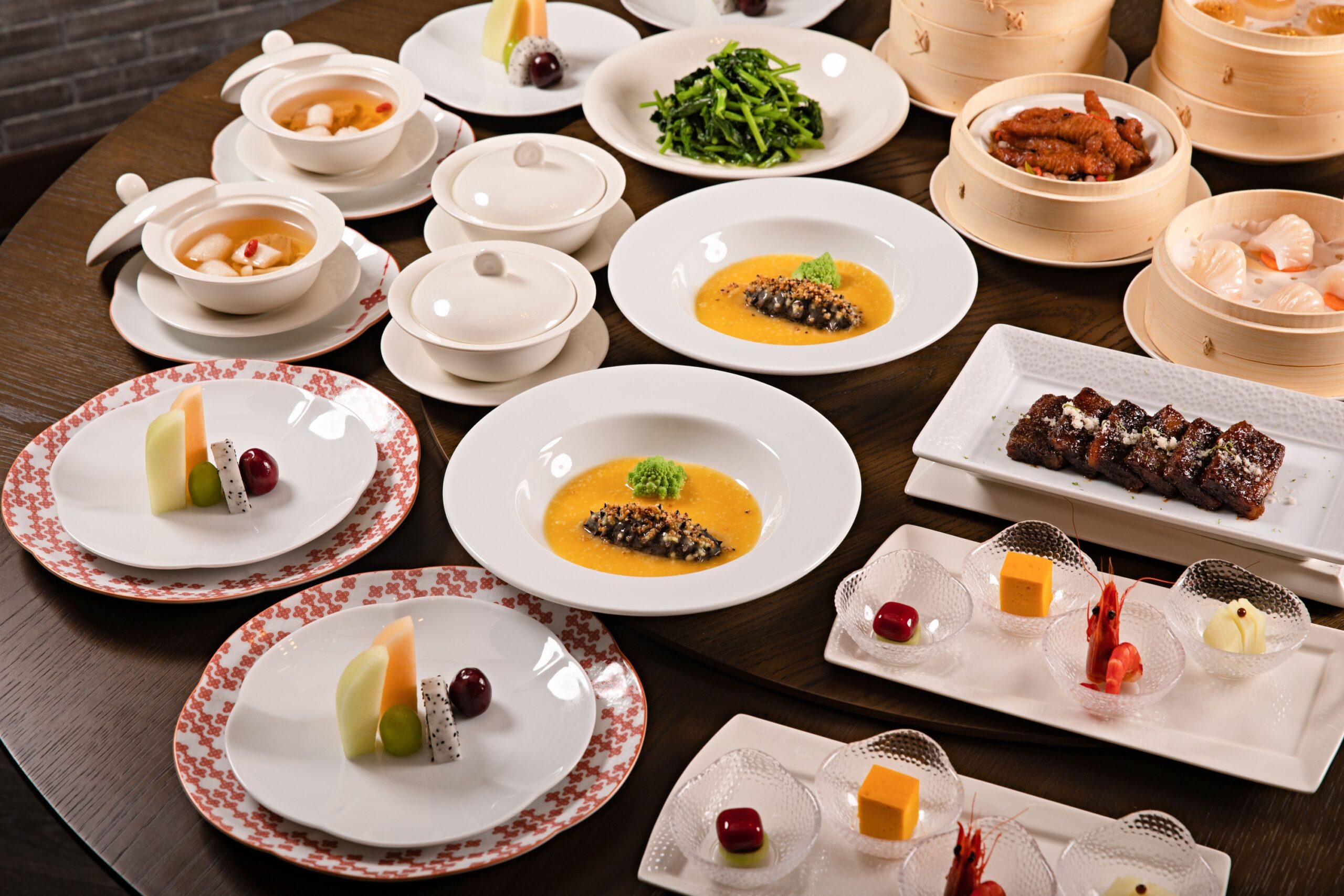

They Start With Proper Stock, Not Water
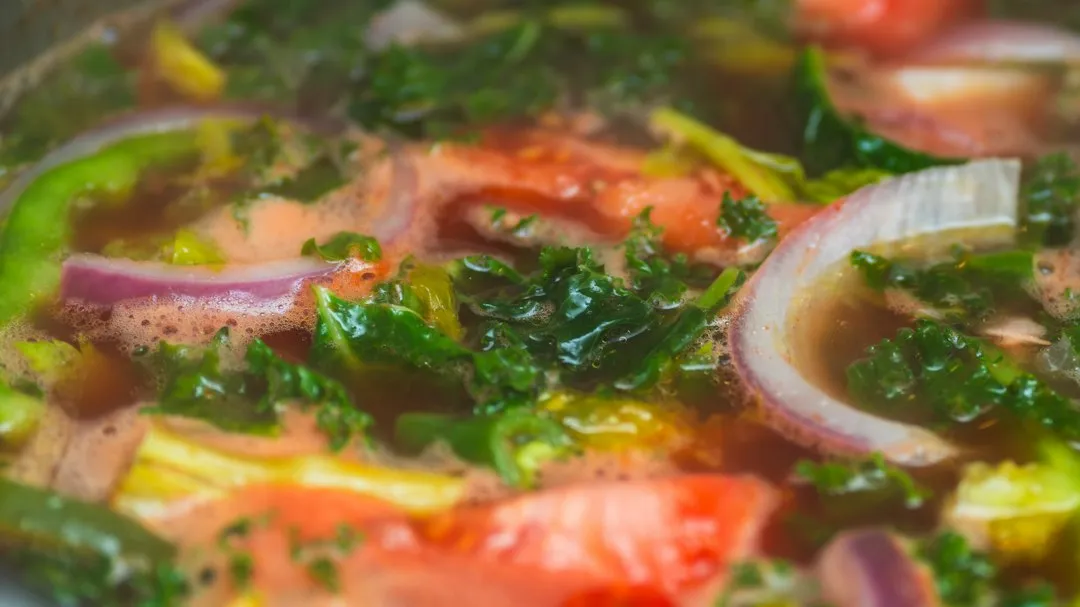
The number one difference between typical homemade soup and the equivalent dish prepared by a restaurant chef is depth and layering of flavor. The foundation of that depth is almost always the stock. Many restaurants prepare stock by simmering bones, vegetables, and aromatics for several hours, which forms a rich base that offers genuine depth of flavor. The collagen from bones adds a smooth texture, while slow cooking extracts a range of flavors that water alone could never produce.
At home, many people simply add ingredients to a pot of water, which means they’re starting from a much lighter base. As bones cook, they release gelatin, which creates body, rich flavor, and mouthfeel – qualities that simply cannot be replicated with a stock cube or carton broth.
Roasted Bones Change Everything

Roasting the bones before making stock is optional, but it makes for a richer, darker broth. This step is standard in professional kitchens and almost always skipped at home. The roasting process drives the Maillard reaction in the bones themselves, coaxing out a caramel-like complexity that raw bones simply don’t deliver.
Bones release collagen during simmering, making stock rich and jiggly when cold – a sign that the gelatin content is high and the resulting soup will have genuine body. That wobble is actually a marker of quality, not something to be alarmed by.
The Art of Layering Flavor

Restaurant chefs use highly intentional techniques to create deep flavors in soup. They start by drawing out flavor in aromatics like vegetables, garlic, and fresh herbs, before adding umami-enhancing ingredients like tomato or chili paste. Then, they deglaze the pan and add the main ingredients along with a salt-free stock to simmer.
While putting all raw ingredients in a slow cooker and walking away technically works, it’s not ideal for layering flavors. The main step that most home cooks skip when making soups is the sautéing, caramelizing, or roasting of ingredients, which dramatically increases flavor. Skipping this step means leaving a significant amount of taste on the table.
Time Is the Ingredient You Can’t Buy
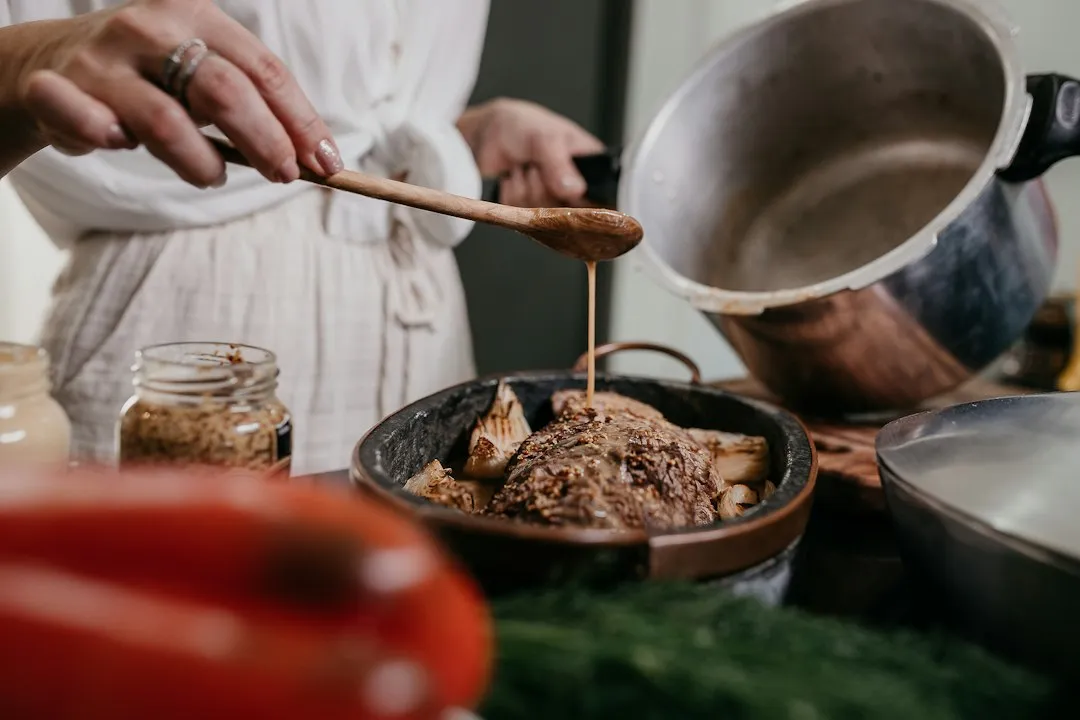
“In a restaurant kitchen, it’s much more common to let soups go for one to three hours, which gives the broth body and richness.” Most home cooks are working against the clock, and that shorter window simply doesn’t allow the same chemical transformations to occur. Slow, gentle heat is what coaxes natural sugars, proteins, and fats into a unified, rounded flavor.
In restaurants, soup is often cooked slowly over a low heat to allow flavors to blend and develop. This extra time helps soften tougher vegetables and meats while allowing natural sweetness to emerge. Shorter cooking times at home may not allow for the same level of flavor development.
Fat Is Not the Enemy, It’s the Carrier
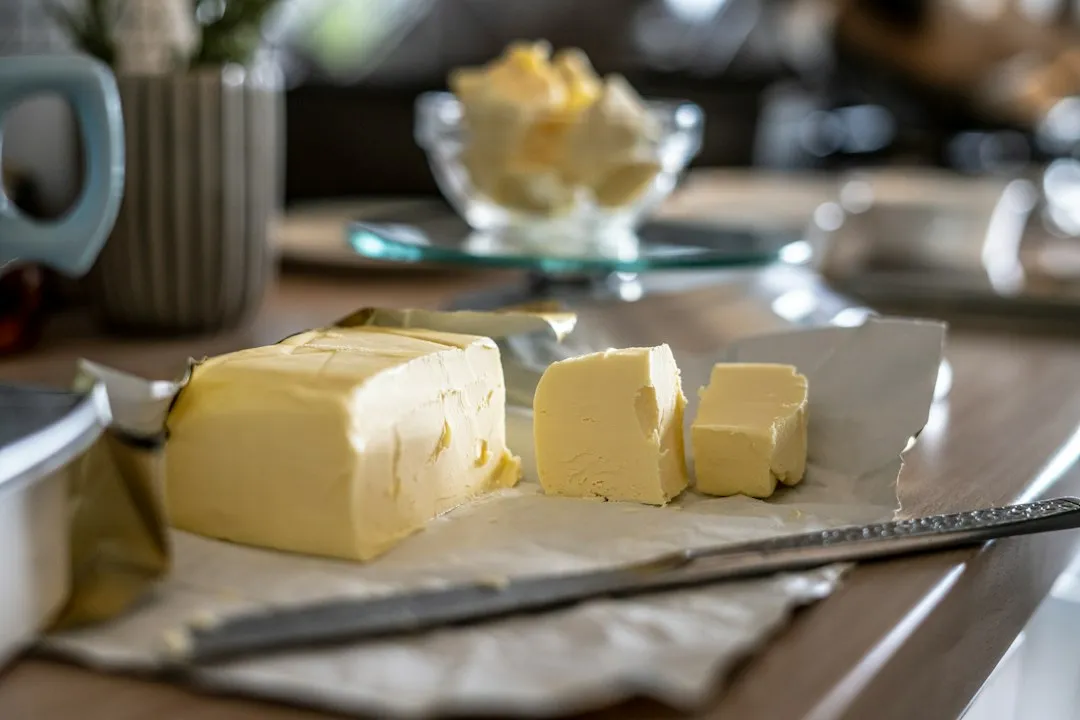
The secret to a “creamy, luxurious soup” starts with using both butter and oil as fat before sweating off the onions and garlic. Fat is not just a source of richness on its own. It acts as a carrier for fat-soluble flavor compounds, binding aromas together and coating the palate in a way that water-based cooking simply cannot replicate.
Restaurant soups often contain more butter than homemade ones. According to chef Bernhard Mairinger, “Restaurant soups definitely contain more butter than homemade soups.” Home cooks sometimes reduce the amount of fat for health or dietary reasons, which can change the flavor profile considerably.
Umami Is the Hidden Architecture
The difference usually comes down to one word: umami. More specifically, to the ingredients professional kitchens use to build and amplify it in ways home cooks rarely think about. Restaurants build depth in soups by adding high-glutamate ingredients that amplify umami, the savory, satisfying fifth taste.
MSG is a flavor enhancer frequently added to soups and restaurant foods to lend a savory, rich flavor. It’s made from sodium and L-glutamic acid, a nonessential amino acid that occurs naturally in umami-rich foods like tomatoes, anchovies, mushrooms, and Parmesan cheese. Umami enhances the depth and richness of taste by interacting with other basic tastes, and MSG works synergistically with sweet, salty, sour, and bitter elements to amplify the overall flavor experience.
Seasoning Happens in Stages, Not All at Once

Restaurants salt their food at every stage of cooking. They salt the pasta water generously. They season the vegetables before they hit the pan. They taste and adjust constantly throughout the cooking process. This staged seasoning means that every component absorbs flavor independently, rather than relying on a single hit of salt at the end.
At home, salt usually gets added once or twice, and often as an afterthought. The result is a soup that tastes flat in the middle even if the surface flavor seems acceptable. Professional chefs know that seasoning is not a single moment; it’s a continuous process that runs from first to last.
Focus and Restraint in Ingredient Choices
Chef Olivier Koster noted that restaurants usually only let one or two ingredients “shine,” refusing to muddy the flavor with conflicting, strong-tasting ingredients. This is a discipline many home cooks struggle with. The instinct at home is often to add more, whether that’s more vegetables, more spices, or more variety, in hopes of building complexity. In practice, it can do the opposite.
As chef Koster put it, “It’s the tiny details we put in our soups. Making the right flavor combinations and enhancing some flavors with spices, herbs, aromatics. We want you to remember that soup.” Restraint, not abundance, is what makes a specific flavor memorable.
Balance Is a Skill That Takes Practice
Balance in a soup is probably the most important thing, and it is what distinguishes a restaurant soup from a soup made at home, according to chef Olivier Koster of Cast and Crew. Achieving balance means no single element dominates, not too salty, not too acidic, not too heavy. Each component supports the others rather than competing with them.
Soups made in restaurants taste better because chefs have a refined cooking process, a practiced use of seasonings, and pay close attention to the quality of ingredients. That refinement comes from repetition. A restaurant chef may make the same soup hundreds of times, adjusting slightly each time, in a way that simply can’t happen in a home kitchen.
Stock Quality vs. Convenience Shortcuts
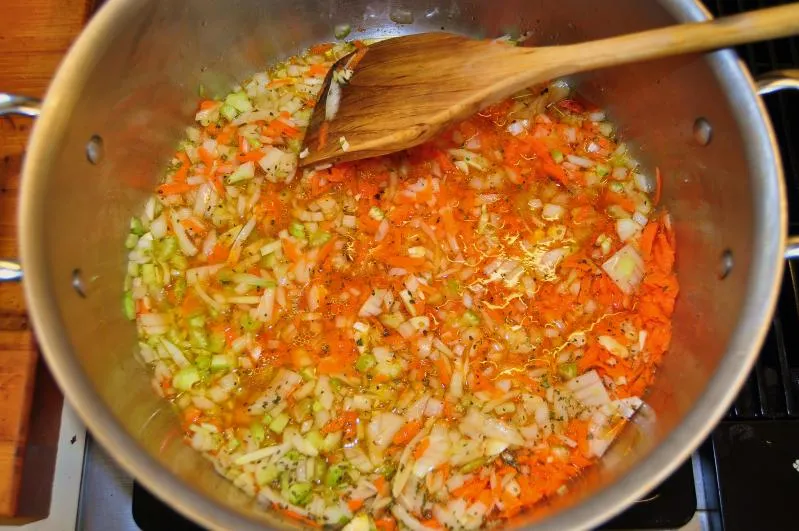
Stock is made from bones and is rich in gelatin, which gives soups and sauces body and silkiness, while broth is made from meat and stays lighter and more chicken-forward. Homemade stocks and broths are typically more flavorful and complex than store-bought versions, and they can be made from components you’d otherwise throw away, transformed by the alchemy of water, heat, and time into a glorious new ingredient.
Commercial broth often includes added salt, yeast extract, and hydrolyzed vegetable protein to mimic richness, without the slow-extracted compounds found in true stock. At home, people are more likely to use ready-made stock or cubes for convenience, which creates a noticeably different result. The shortcut is understandable, but it’s also the single biggest factor separating an average bowl from a genuinely rich one.
The Takeaway
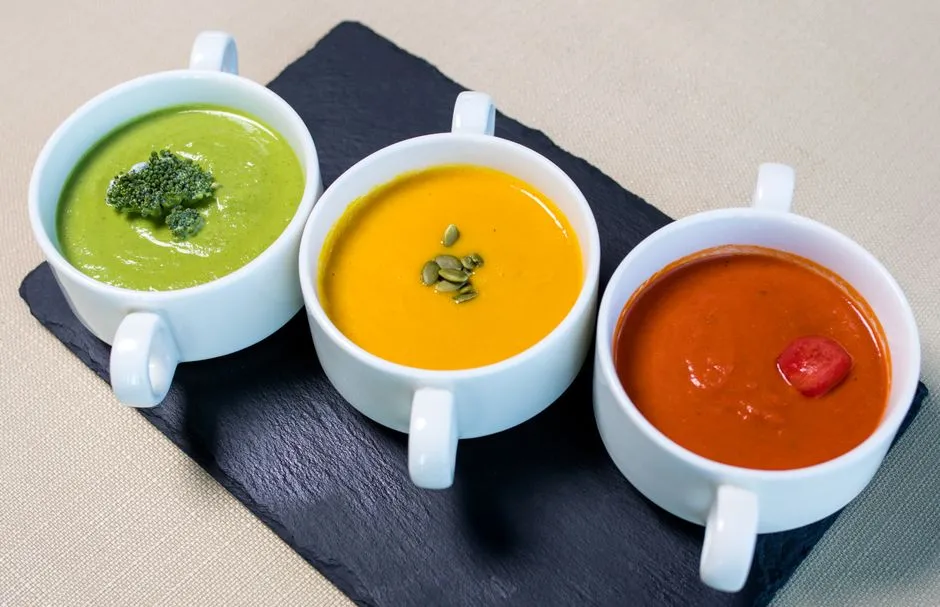
Restaurant soup isn’t magical. It’s methodical. The richness comes from decisions made before a single ingredient hits the pot: the choice of proper stock over water, the patience to roast bones and sweat aromatics, the willingness to use fat generously and season thoughtfully at every stage.
None of these techniques are beyond reach at home. They just require time, intention, and a willingness to treat soup as a process rather than a shortcut. The gap between homemade and restaurant soup is smaller than it feels, and now you know exactly where it lives.
AI Disclaimer: This article was created with the assistance of AI tools and reviewed by a human editor.