

What Frisson Actually Is

Frisson is typically described as a sudden, intense physical response, such as goosebumps, shivers down the spine, or tingling in the skin, that accompanies a strong emotional reaction to music. These sensations are usually brief and involuntary, and are often associated with moments of musical beauty, surprise, or emotional intensity.
It typically involves a sudden wave of goosebumps, skin tingling, pupil dilation, increased heart rate, and sometimes even piloerection, which is the technical term for hair standing on end. These reactions are not random; they are tied to measurable changes in the autonomic nervous system.
How Many People Actually Experience It

Frisson is more common than most people realize. Depending on the study and its methodology, roughly 55 to 86 percent of people report experiencing music chills at some point. That wide range reflects real differences in how researchers define and measure the response, but the core finding is consistent: most people have felt this, even if they never had a word for it.
The people who don’t experience it aren’t wired wrong. They may well have richer responses to music in other dimensions; how music creates emotional responses is genuinely varied, and goosebumps are only one of many ways those responses manifest.
The Role of Dopamine in the Brain
Research shows that music stimulates an ancient reward pathway in the brain, encouraging dopamine to flood the striatum, a part of the forebrain activated by addiction, reward, and motivation. This was first demonstrated in 2011 at McGill University using PET scans, in a study by Salimpoor and colleagues published in Nature Neuroscience.
Musical chills involve two separate dopamine spikes: one during the build-up and one at the peak. The brain is essentially rewarding you for anticipating an emotional moment correctly, which means frisson is partly a cognitive achievement, not just an emotional accident.
The Prediction and Surprise Mechanism

The principle behind this is called violation of expectation. Your brain is constantly forming predictions about how a song will continue. If a prediction is violated, but in a way that feels good, the reaction is drastically stronger.
Many goosebump moments involve a musical surprise: a sudden pause, a shift in key, a lingering silence before resolution. These moments of expectation violation trigger heightened emotional arousal. The brain anticipates one thing, receives another, creating a thrilling moment of tension and release.
The strongest triggers are sudden volume changes, voices entering, and unexpected harmonies. Surprise, it turns out, beats perfection.
What Happens Inside the Brain During a Chill
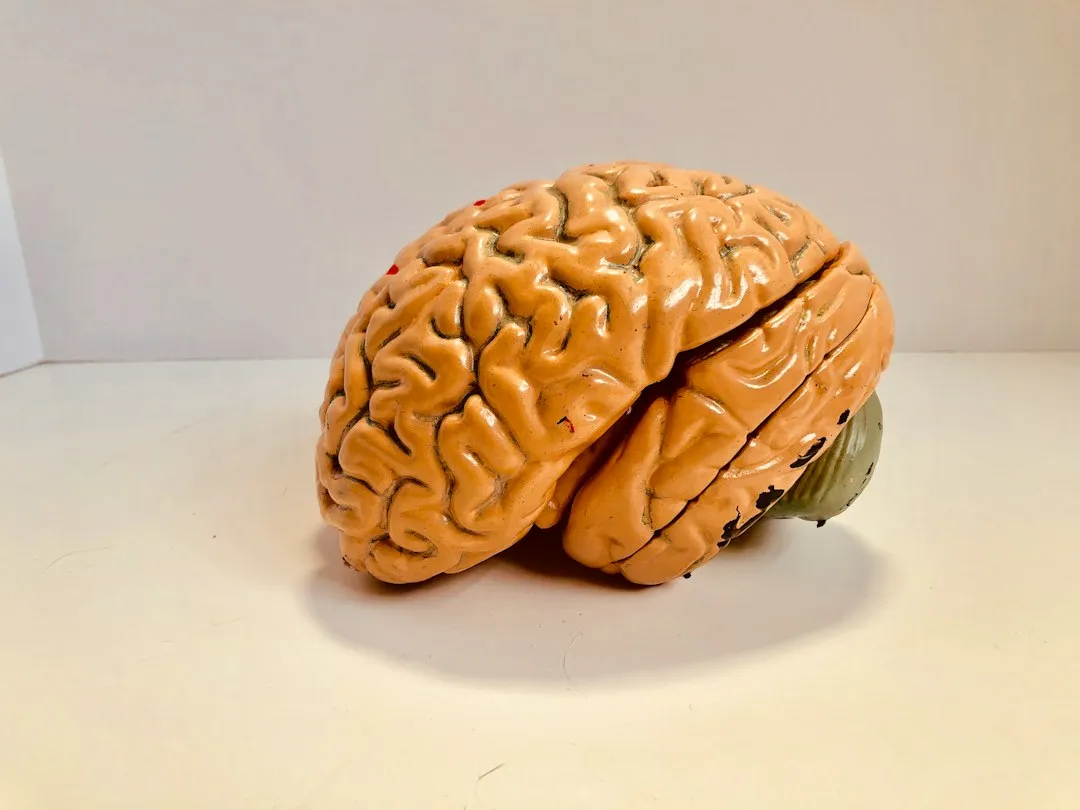
Neuroscientific research has shown that when music triggers goosebumps, regions of the brain linked to reward and emotion, such as the ventral striatum, amygdala and orbitofrontal cortex, activate along with measurable physiological changes.
Once sound waves hit the cranial nerve and fire signals toward the thalamus, information is then sent to other parts of the brain, which can prompt a physical response. Those who experience musical frisson more easily may have stronger neural connectivity between the sensory centers that process auditory and reward inputs.
The physical sensations, the goosebumps, the shivers, the quickened heartbeat, come from the autonomic nervous system getting pulled into the response.
Personality Traits That Make You More Susceptible
One consistent finding is that people high in the personality trait “openness to experience” are far more likely to experience musical chills. This trait, part of the Big Five personality model, includes characteristics like imagination, curiosity, appreciation for beauty, and emotional depth. Those who score high tend to seek out novel, complex, or intense sensory experiences, including deeply moving music.
Studies have shown that people who possess this trait have unusually active imaginations, appreciate beauty and nature, seek out new experiences, often reflect deeply on their feelings, and love variety in life. Listeners who experienced frisson also scored high for this same personality trait, according to research by scientists at Eastern Washington University and Utah State University.
The Brain Wiring That Sets Frisson-Prone People Apart
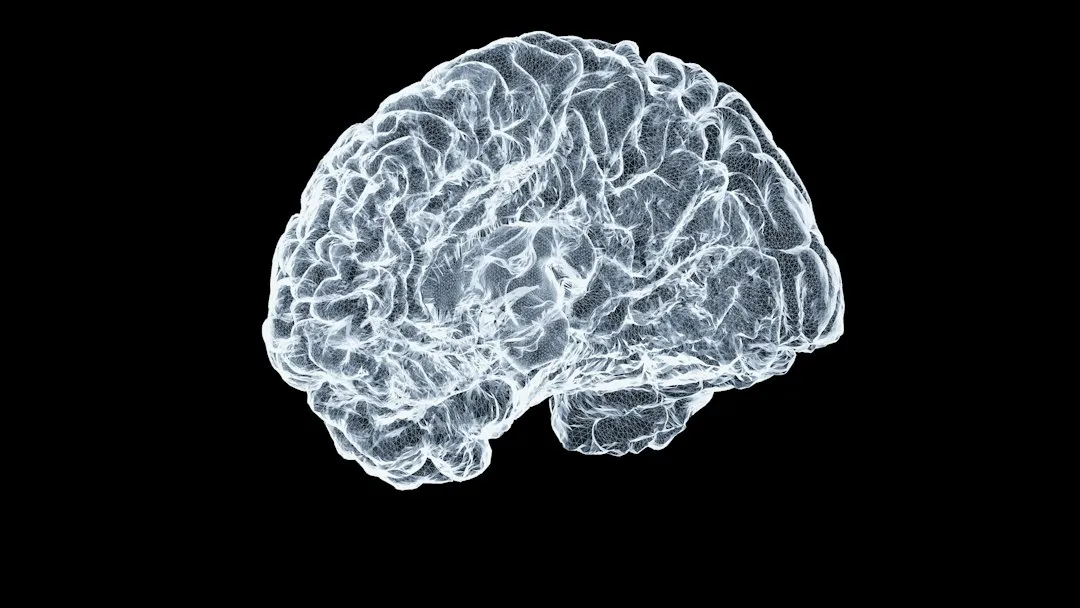
People who experience frisson most intensely tend to show stronger functional connectivity between their auditory cortex and the areas involved in emotional processing and reward. Brain imaging research has made this visible; it’s a structural feature, not just a self-report difference.
Those who experience musical chills have a higher volume of fibres connecting their auditory cortex to areas concerning emotional processing. The higher the number of fibres, the more communication between these regions. This structural difference doesn’t make someone more emotionally intelligent or sensitive in general. It’s a specific architectural feature of how their brain routes sound into feeling.
The Genetic Factor

Genetic effects have been estimated to account for 36 to 43 percent of the variance in proneness to chills in large twin-based samples, including more than 10,000 individuals from the Netherlands and thousands from Germany, Denmark, North America, Australia, and Japan, with remaining variance attributed to environmental influences.
In 2024, a team led by Felix Schoeller from the MIT Media Lab found that around a third of the variance in the ability to experience frisson is genetic. There is a biological basis for whether your body responds to music or not. So if a parent gets chills from a song, there’s a real, measurable chance the same tendency runs in the family.
Memory, Nostalgia, and Personal Meaning

Listeners who report goosebumps often attach personal meaning or nostalgia to the music. Songs that carry emotional weight, linked to personal history or cultural identity, are more likely to evoke goosebumps.
Mental imagery, personal memories tied to a song, and the emotional weight of lyrics actively shape the dopamine response. The same chord progression can leave one person unmoved and send another into full-body chills, depending entirely on what the brain brings to the listening experience.
Musicians Experience It Too, Often More Intensely

Musicians often report experiencing goosebumps, shivers, or a tingling sensation when performing music. A study published in the journal Psychology of Music in 2025 found that these chills are not limited to audiences but are also a common and emotionally meaningful experience for performers themselves.
Trained musicians tend to experience frisson more selectively, often responding to structural complexity rather than pure emotional intensity. The findings suggest that these sensations reflect strong emotional reactions shaped by musical features, social connection, and personal meaning. The performance context itself, being in the music rather than observing it, appears to add another layer to the experience.
The Takeaway

Goosebumps from music are not a fluke or a quirk. They’re the result of very real processes: a brain wired to predict sound, a reward system that responds to surprise, a personality that leans into emotional depth, and in many cases, a genetic predisposition that was there before you ever heard your first favorite song.
What makes frisson worth understanding is what it quietly tells us about music itself. It’s not just sound organized in time. For a meaningful portion of the population, it is one of the few things that can reliably reach into the nervous system and produce something close to awe. That’s not nothing.
AI Disclaimer: This article was created with the assistance of AI tools and reviewed by a human editor.