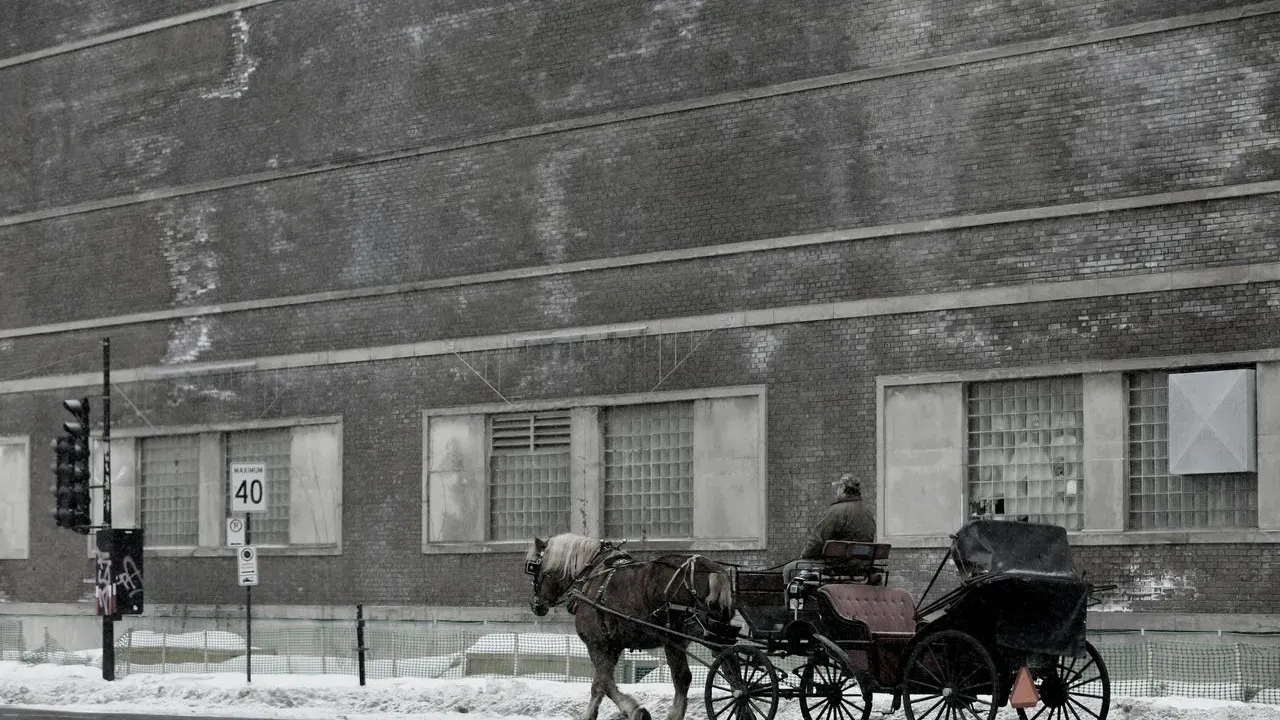

New York City has approved a ban that will remove horse-drawn carriages from Central Park, closing a chapter on a practice that has operated in the park for more than 150 years. The decision follows sustained opposition from animal welfare advocates and leaves the drivers who have relied on the work facing an abrupt shift in their livelihoods. Tourists have long viewed the carriages as a signature way to experience the city’s most famous green space. ([1])
Drivers Face Immediate Practical Consequences
The people who operate the carriages now confront the loss of their main source of income with few clear alternatives in place. Many have built careers around the daily routes through the park, and the sudden policy change removes that option without an obvious replacement. The practical effect is a direct hit on household finances for those whose schedules and skills have centered on this single activity. City officials have not detailed transition support in the initial announcement, leaving drivers to assess their next steps on their own. Some may seek work in other parts of the tourism sector, while others could face longer periods without steady employment. The timeline for the ban’s full enforcement remains a key detail that will shape how quickly these changes take hold.
A 150-Year Practice Comes to a Close
Horse-drawn carriages have moved through Central Park since the mid-19th century, offering a slow-paced view of the landscape that has appealed to generations of visitors. The service became a recognizable part of the city’s identity, appearing in countless photographs and stories that highlight New York’s blend of history and public space. The ban ends that continuous presence, shifting the park’s daily activity away from the carriages that once lined up near the entrances. What was once a routine sight for both locals and out-of-town guests will no longer be available once the rules take effect. The change alters one small but visible element of how people have interacted with the park over many decades.
Opposition and Support Shape the Outcome
Animal welfare groups have pressed for the ban over an extended period, arguing that the carriages no longer fit modern standards for animal treatment in an urban setting. Their efforts gained enough traction to secure passage of the measure despite the tradition’s long record. At the same time, the drivers and those who value the carriages as part of the city’s character have expressed concern that the decision overlooks the economic role the work has played. The debate reflects differing priorities between preserving an established activity and responding to evolving views on animal use in public spaces. The final vote shows which perspective carried the day in the city’s decision-making process.
Uncertain Outlook for Those Most Directly Affected
With the ban now approved, attention turns to how the drivers will adapt once the carriages are no longer permitted. Their situation illustrates the human side of policy changes that remove long-standing ways of earning a living. The absence of detailed next steps in the current announcement leaves open questions about retraining, relocation, or other forms of assistance. The city will proceed without this particular tradition, yet the individuals who operated the carriages must chart a different course. Their experience underscores how regulatory decisions can reshape daily routines and financial stability for a specific group of workers.
AI Disclaimer: This article was created with the assistance of AI tools and reviewed by a human editor.