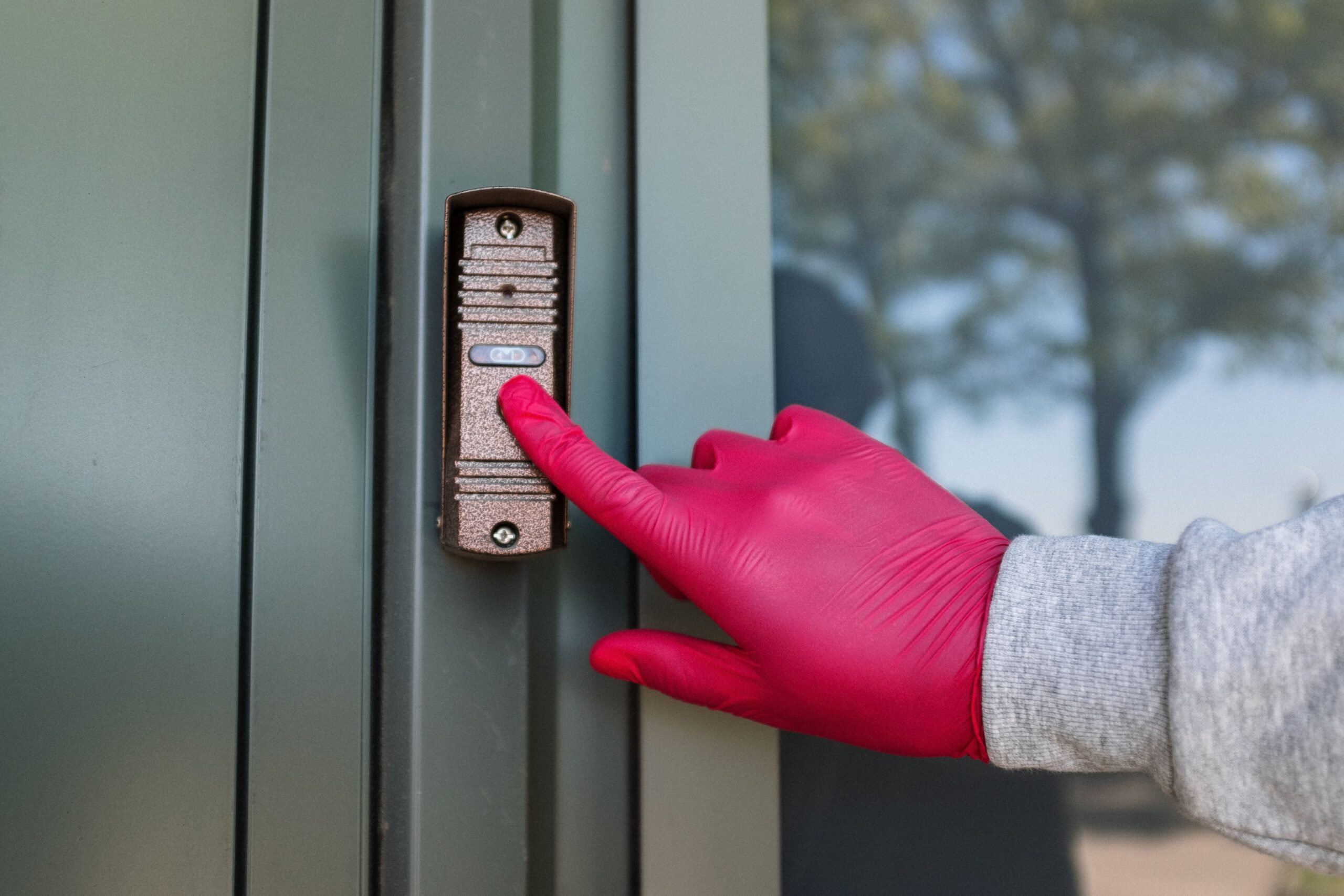

Most people know Halloween can be a lot for dogs. The costumes, the crowds, the sugar-fueled chaos. What gets less attention is something quieter and more mechanical: the doorbell. It rings. It stops. It rings again. For a dog, that cycle isn’t just annoying. It can be genuinely overwhelming in a way that compounds over the course of an entire evening.
Understanding why that single sound causes so much trouble is the first step to actually doing something about it. The answer sits at the intersection of canine instinct, learned behavior, and a holiday that was never designed with dogs in mind.
Why the Doorbell Is Never Just a Sound

The doorbell is a learned trigger that reliably predicts a single event: the arrival of an unfamiliar person. Because this connection is reinforced every time a guest or delivery driver appears after the sound, the response becomes automatic. Over months and years, your dog hasn’t just heard the bell. They’ve built a deeply wired expectation around it.
When your doorbell rings, your dog gets excited because they anticipate a visitor on the front stoop. They have learned to associate the ringing bell with people outside the door. That association is not something a dog consciously decides. It’s a product of classical conditioning, the same mechanism Ivan Pavlov documented over a century ago, playing out in your hallway every day.
The sound causes a rapid spike in arousal. This overrides the dog’s ability to think before they react. On a regular evening, one ring means one moment of excitement. On Halloween, that moment repeats, and repeats, and repeats.
Halloween Turns One Ring into an Alarm System
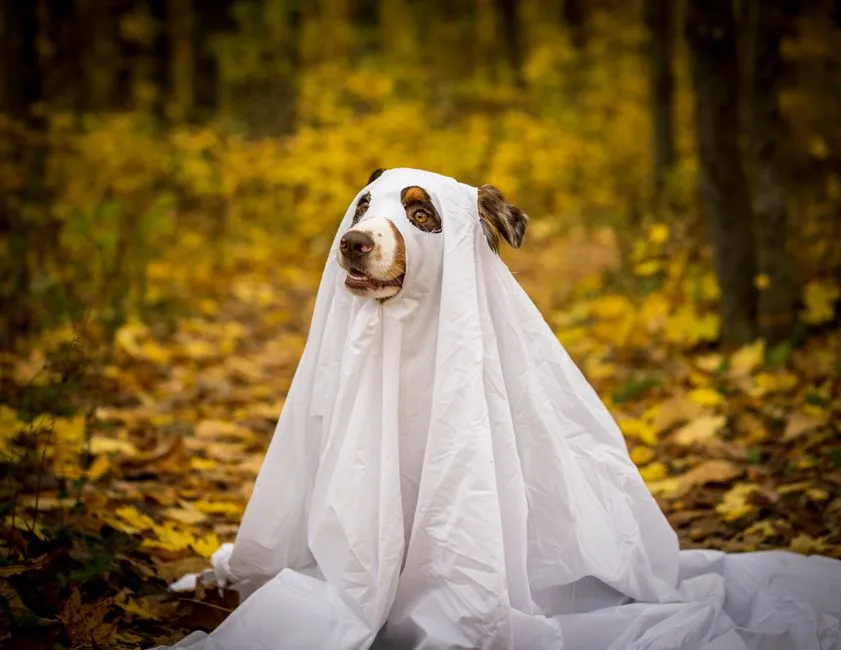
A doorbell that rings every few minutes turns a normal household signal into a stream of alarms. For many dogs, the bell predicts visitors, and visitors mean excitement, barking, or worry. That’s manageable once or twice. Across two hours of trick-or-treating, it’s a different situation entirely.
Even a costume-loving dog can find Halloween night overwhelming. The doorbell rings every ninety seconds, the door keeps opening, and a parade of small ghouls appears on the porch. For many dogs, that’s a recipe for barking, bolting, or a stress response you’ll be cleaning up later, as anxiety can even cause a normally housetrained dog to have accidents indoors.
A doorbell that rings every few minutes turns a normal household signal into a stream of alarms. For many dogs, the bell predicts visitors, and visitors mean excitement, barking, or worry. Repeating that cycle for a couple of hours can wear a dog down. Think of it as cumulative stress rather than a single scare.
The Science of Why Dogs Can’t Just “Calm Down”
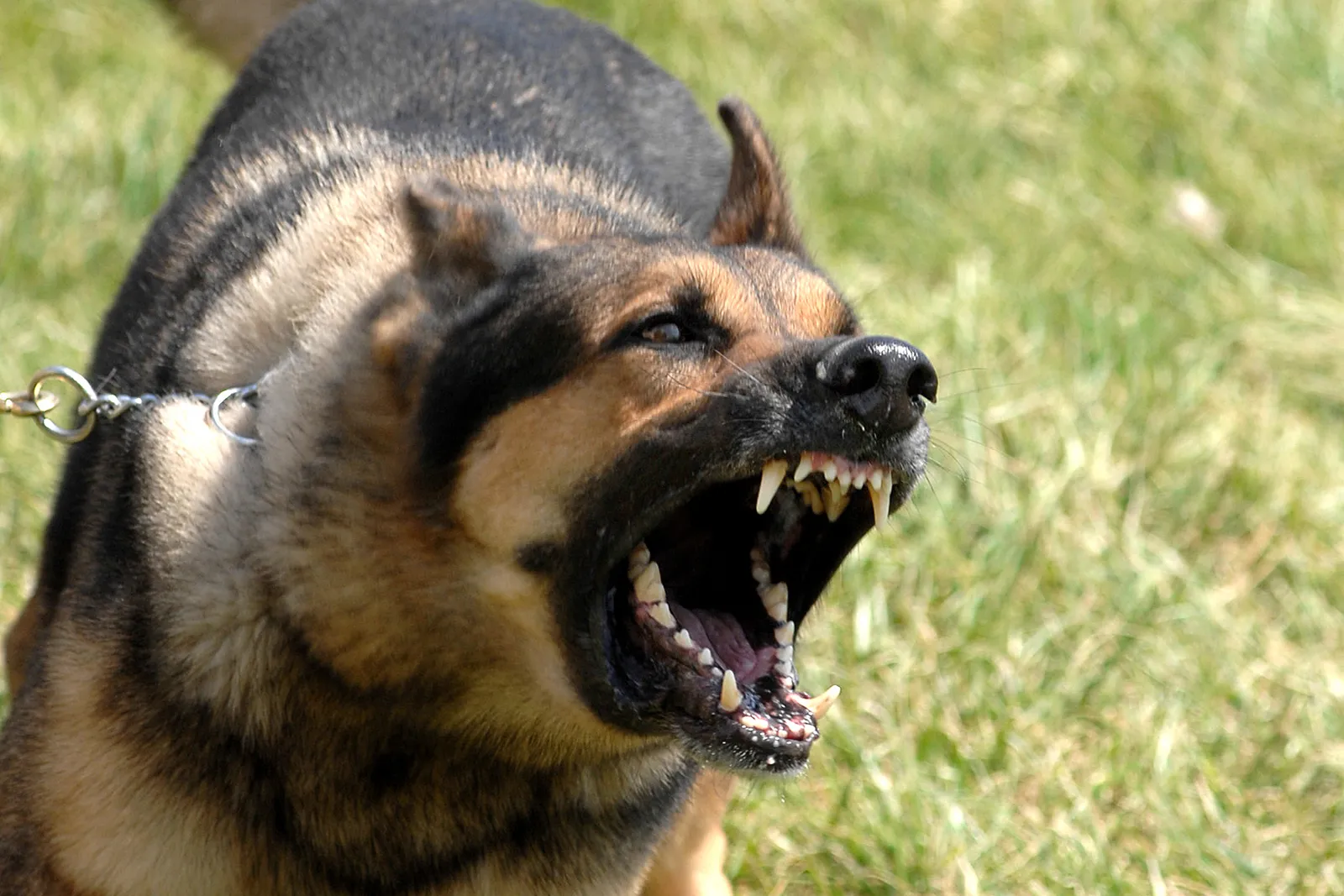
The acoustic nature of the trigger makes this worse. Research by Lopes Fagundes et al. (2018) outlines how sudden, unpredictable sounds cause strong startle responses in dogs. These startle responses often lead to established phobias. Because the sound is sudden but the outcome is highly predictable, the nervous system rapidly prepares for defense.
Trying to stop this behavior with verbal commands during peak arousal usually fails, as automatic reflexes control the dog in that moment. Shouting “sit” or “quiet” at a dog mid-bark is more likely to add to the noise than reduce it. The dog isn’t being stubborn. They’re operating on instinct.
Dogs are often conditioned to associate the doorbell with excitement or the need to protect the home. The rapid-fire doorbell rings on Halloween night can cause a heightened alert response, leading to more frequent barking. Dogs naturally want to protect their territory, and seeing a constant stream of new people approaching the house can trigger protective barking.
The Scale of the Problem Is Bigger Than Most Owners Realize
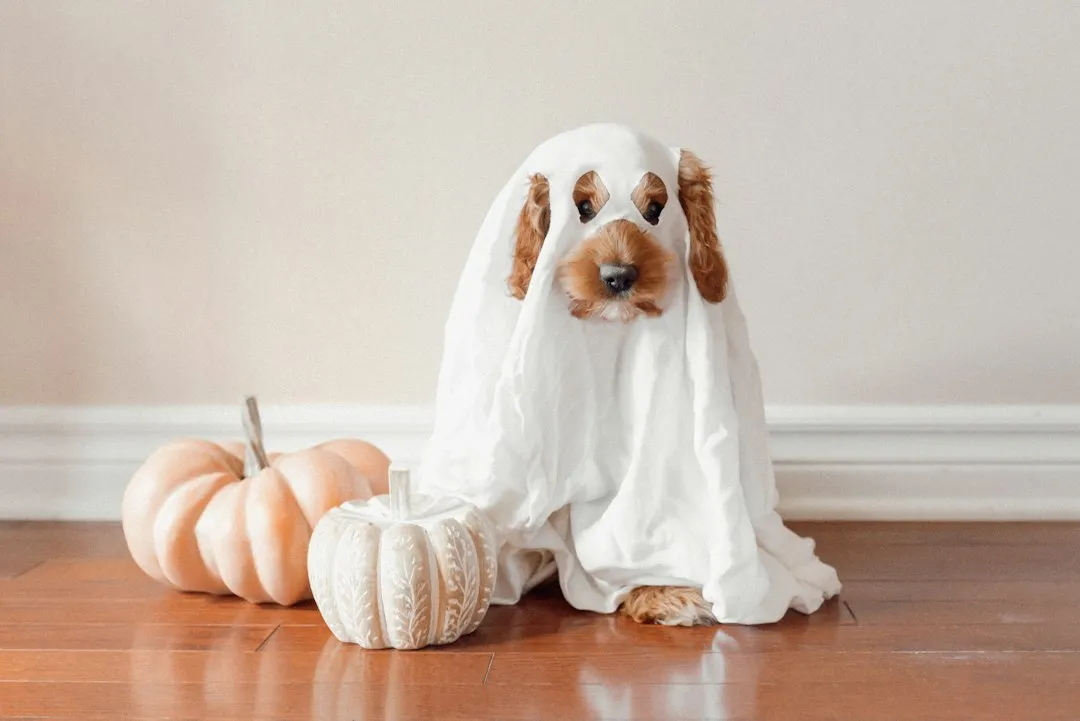
Halloween costumes, repeated doorbells, loud noises, disrupted routines, and spooky decorations can overwhelm some dogs and make celebrations stressful. It’s not a niche issue affecting only anxious breeds. Dogs across temperaments and backgrounds can hit a threshold on Halloween night that they never reach during the rest of the year.
Halloween’s history as a time for tricks and treats has made it a stressful event for many dogs. A survey by the National Pet Owners Survey revealed that nearly four in ten dogs show heightened stress behaviors on Halloween night. That’s a significant portion of the pet population, spending a holiday evening in genuine discomfort.
One of the most common worries for both dogs and cats is the stress caused by Halloween. The doorbell may ring constantly as trick-or-treaters arrive, and this type of activity can be confusing and frightening to your pets. The constant unpredictability is part of what makes it hard. A dog can’t see a pattern in the chaos, so they stay alert the whole time.
Costumes Add Another Layer of Confusion
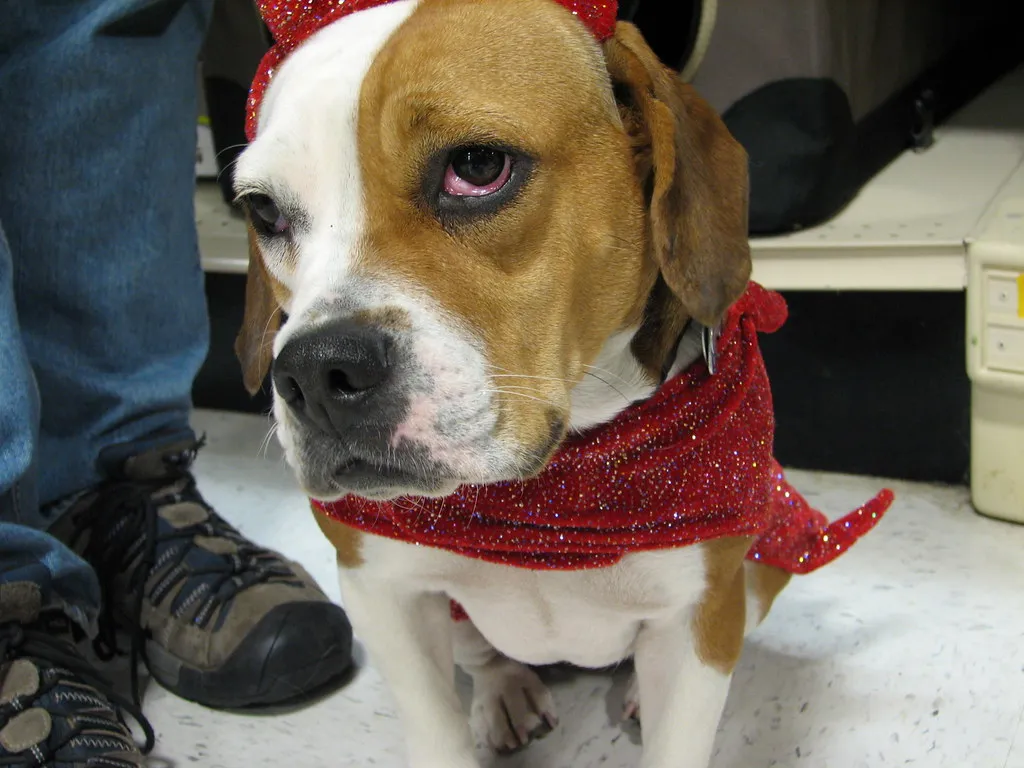
Dogs rely heavily on facial recognition and body language. Costumes, masks, unusual movements, and large groups of unfamiliar people can make trick-or-treaters seem threatening or confusing. When a dog can’t read a person’s face, they fall back on other cues, including sound, posture, and scent, none of which are reassuring when someone is dressed as a skeleton.
A constant stream of doorbell rings and knocks can make them feel anxious, and costumes, masks and painted faces can be confusing or even frightening since dogs rely on reading our facial expressions. The doorbell and the costume problem are inseparable. One announces the arrival. The other makes the arrival harder to process.
Add flashing lights, strange noises, and people dressed as everything from ghosts to aliens, and it is easy to see why some dogs feel uneasy. They don’t understand the fun behind the costumes or the excitement surrounding the holiday. From a dog’s perspective, there’s no context for any of it.
Disrupted Routines Make It Worse
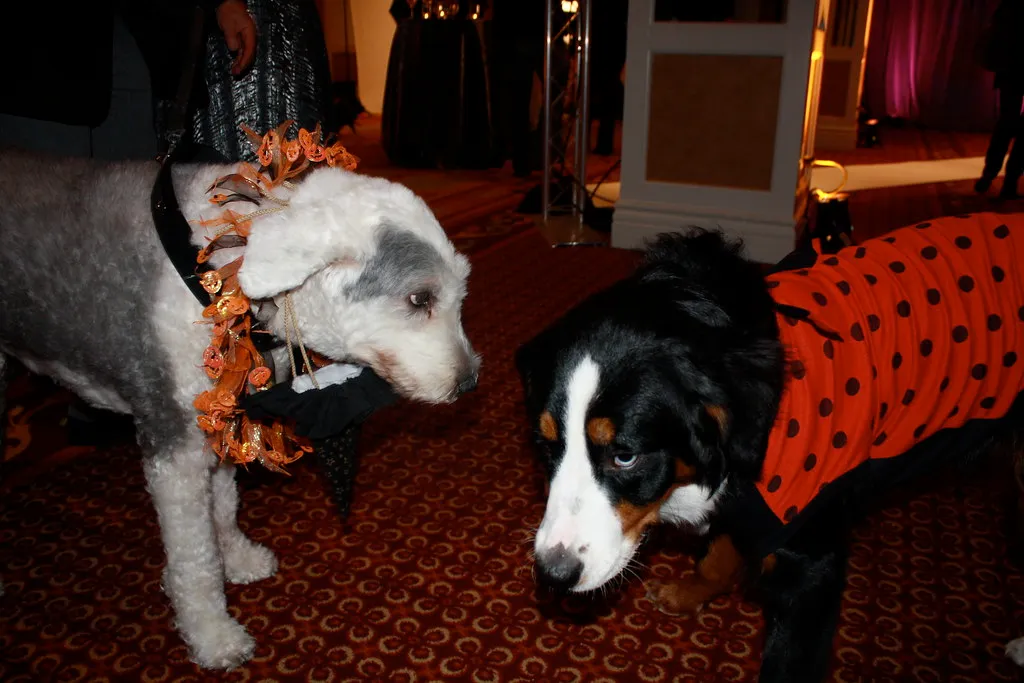
Dogs thrive on predictable meals, walks, and bedtimes. On Halloween, dinner can run late, walks get squeezed in, and the house stays busy long past the usual quiet time. Even a dog who looks relaxed may be running on less rest than they need.
Dogs feel secure when their daily lives follow familiar patterns. Halloween disrupts almost every one of those patterns simultaneously. The walk happens earlier or later. The household is louder. The front door, usually closed, keeps swinging open. None of these things are catastrophic alone, but together they stack.
From constant doorbell rings by trick-or-treaters to people in costumes to flashing lights and spooky music, they may feel anxious and confused from the sensory overload and change in their routine. It’s the combination of factors, not any single one, that tends to push dogs over the edge.
The Stress Signs Owners Often Miss

The signs can be subtle. Look for lip licking, yawning, pacing, or a dog who keeps getting up to check the door. A dog who barks at every ring may be telling you they can’t switch off. Not every stressed dog is loud about it. Some go quiet in a way that’s easy to misread as contentment.
Signs of stress and anxiety in dogs include panting, hiding, excessive vocalization, and pacing. Signs a costume or situation is stressing them out include a tucked tail, pinned-back ears, lip licking, yawning, whale eye (whites of the eyes showing), or freezing in place and refusing to walk.
Body postures such as lowering themselves to the ground and tucking their tails are clear signals that your pet is no longer enjoying the experience. More specifically, look for attempts to escape or avoid people, objects, or areas in which trick-or-treating activities are happening. If you see those signals, the dog needs relief, not reassurance from across the room.
Practical Steps That Actually Help
The ASPCA advises that all but the most social dogs and cats should be kept in a separate, comfortable room away from the front door during peak trick-or-treating hours. A back bedroom or a laundry room can work; the goal is distance from the door. This isn’t punishment. It’s one of the most straightforward things an owner can do.
Give them a long-lasting chew or a stuffed food-puzzle toy to work on, turn on some white noise or a TV to muffle the doorbell, and check in between waves of visitors. There are also alternatives to traditional doorbells, including video and silent doorbells that send alerts to your phone or light up instead of ringing. If you choose to stay inside, you can even put a sign on your door asking visitors not to knock.
Sound desensitization can help. Play recordings of doorbells and trick-or-treater sounds quietly while you feed treats or play, over a few sessions in the weeks before Halloween. This kind of gradual exposure can reduce the intensity of the reaction significantly, though it takes time and consistency.
The Escape Risk That Goes Underreported
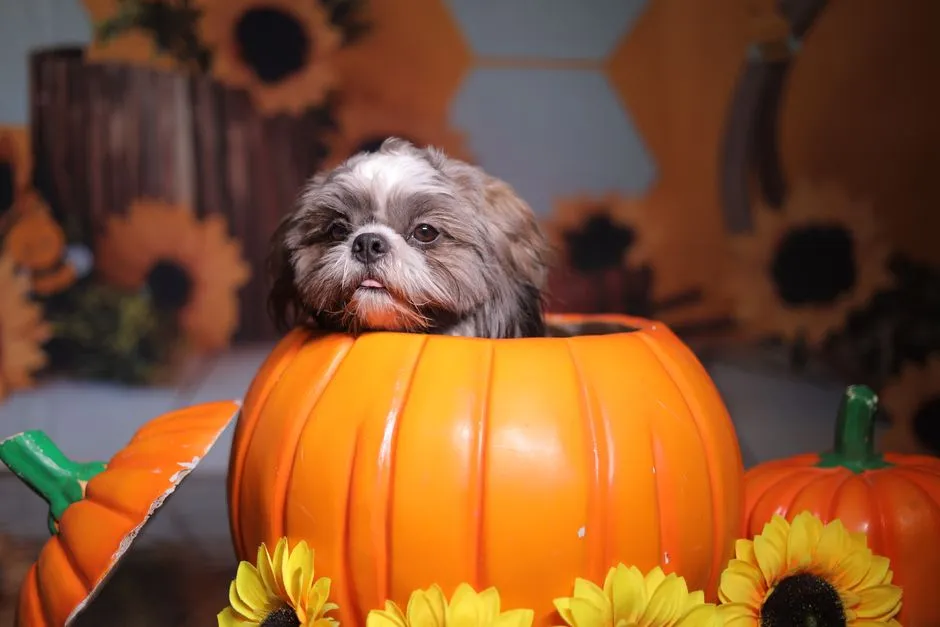
The ASPCA notes that on Halloween there are a lot more people on the streets and that, combined with strange costumes, can spook pets and cause them to bolt. A frightened dog near an open front door and a busy street is a serious safety situation, not just a behavioral one.
Dogs can slip out very quickly when the door is opening every few minutes. A frightened dog in the street on Halloween is a terrible combination. Make sure ID tags are current and that microchip registration details are up to date before the evening begins. It takes less than five minutes and matters enormously if something goes wrong.
Keep your dog in a secure room, behind a gate, or on a leash when greeting visitors. Frequent door openings during trick-or-treating increase the risk of dogs slipping outside or becoming frightened by unexpected activity. These small precautions, taken early in the evening, prevent the kind of situations that are very hard to resolve once they’ve started.
Planning Ahead Makes the Difference

Write down what set the dog off this year, while the details are still fresh, because most dogs react to Halloween the same way each year. A short note made on November 1 about the doorbell, masks, or the fog machine two houses down beats a vague memory twelve months later. Dogs tend to be predictable in their triggers, which means this year’s data is genuinely useful for next year’s preparation.
If you know your pet experiences severe anxiety during Halloween, even with preventive measures, talk to your veterinarian for further help. Some dogs genuinely need more support than a safe room can provide, and veterinarians can discuss options including short-term calming aids or medication for especially sensitive animals.
Your dog does not need to greet trick-or-treaters, wear a pumpkin costume, or pose beside a glowing skeleton to have a successful night. For many dogs, the best Halloween is a quiet room, a familiar chew, and absolutely no involvement in the chaos. Keeping that perspective makes planning a lot simpler.
A Quieter Holiday Is the Right One for Most Dogs

The doorbell will ring. That part is unavoidable. The best Halloween plan for a dog is often a boring one. Most dogs don’t need to join the fun to have a good night, and many do better tucked away with a chew while the doorbell does its thing.
A calm dog on the other side of a closed door is a good outcome. It doesn’t make for a great photo, but it makes for a good evening, which is what actually matters.
AI Disclaimer: This article was created with the assistance of AI tools and reviewed by a human editor.