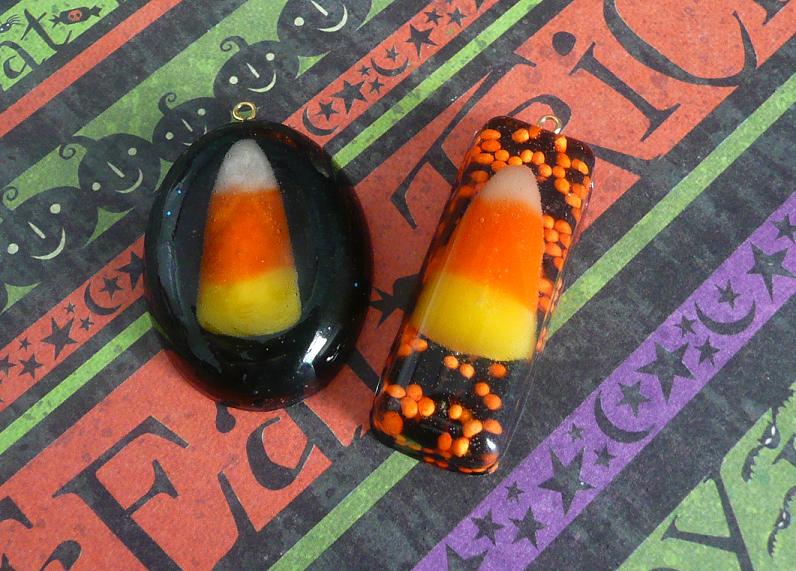

Most people know candy corn as that triangular, tri-colored Halloween staple that arrives in stores sometime around August and generates enormous debate by October. What far fewer people know is that this candy started its life under a completely different name, aimed at a completely different audience, and with no connection to Halloween whatsoever. The story behind it is genuinely strange, and strangely American.
Tracing candy corn back to its roots means stepping into a version of the United States that barely resembles the one we live in today, a country still deeply organized around agriculture, where the idea of corn as human food was actually considered odd. That context is what makes the original name make perfect sense.
A Philadelphia Invention with a Murky Origin
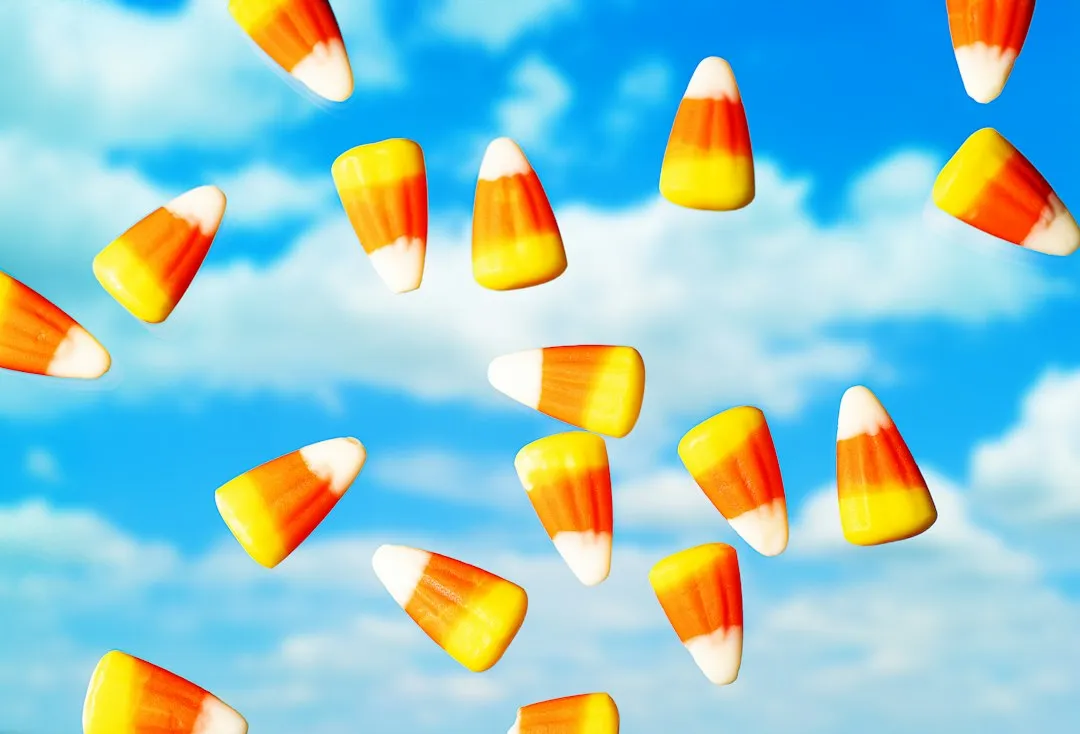
The National Confectioners Association credits the invention of candy corn to an employee of the Wunderle Candy Company in Philadelphia named George Renninger, but the first company to sell the sweet was the Goelitz Candy Company, which can be recognized today as the Jelly Belly Candy Company.
George Renninger at the Wunderle Candy Company in Philadelphia has been thought to be the original creator of the treat, though it is said he created the candy in the 1880s and there is no physical proof of it. The oral history surrounding candy corn is rich but imprecise, which only adds to its somewhat mythical character.
Renninger was reportedly selling candy from a cart on a street corner in Philadelphia when Philip Wunderle stopped by to sample his product. Wunderle owned a candy manufacturing company, and he must have liked what he tasted as he offered Renninger a job. Renninger spent the rest of his career creating new products for Wunderle.
When Corn Was Not Considered Human Food
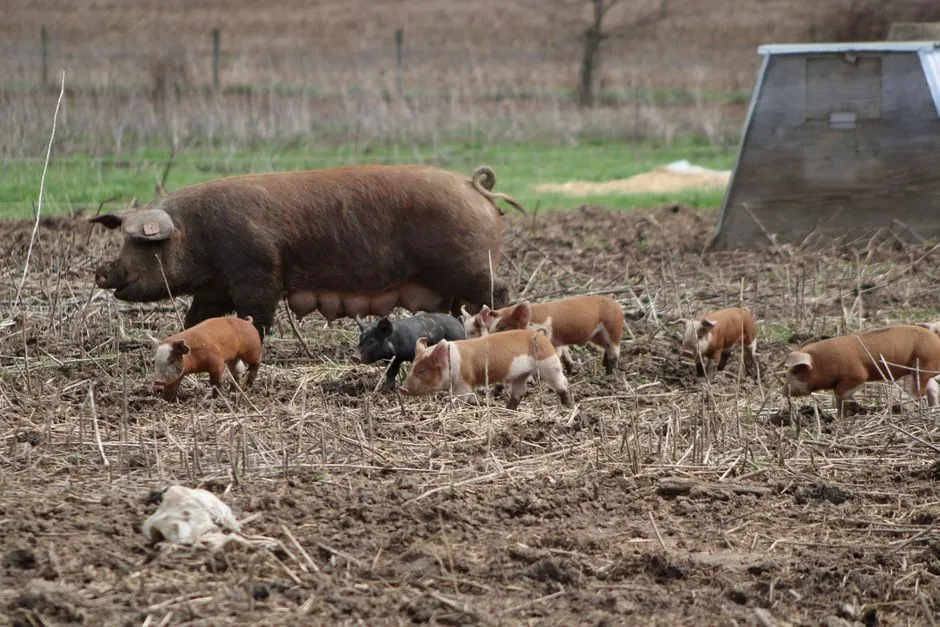
Goelitz started selling the candy in 1898, marketing it as “Chicken Feed” because before World War I, corn was mainly given to chickens and pigs for food and was not widely eaten by people in the United States. This is a detail that surprises most people today, but it was simply cultural reality at the time.
It was called “Chicken Feed” as corn was primarily fed to chickens and pigs before World War I. Corn was a farm staple, not a dinner table item, so naming a candy after it carried a certain rustic humor rather than an unappetizing connotation.
It was called “Chicken Feed” because prior to World War I most people didn’t think of corn to be human food. Framed that way, calling a sweet little candy “chicken feed” was almost a wink at the absurdity of turning livestock grain into something worth eating.
An Agrarian America That Shaped the Market
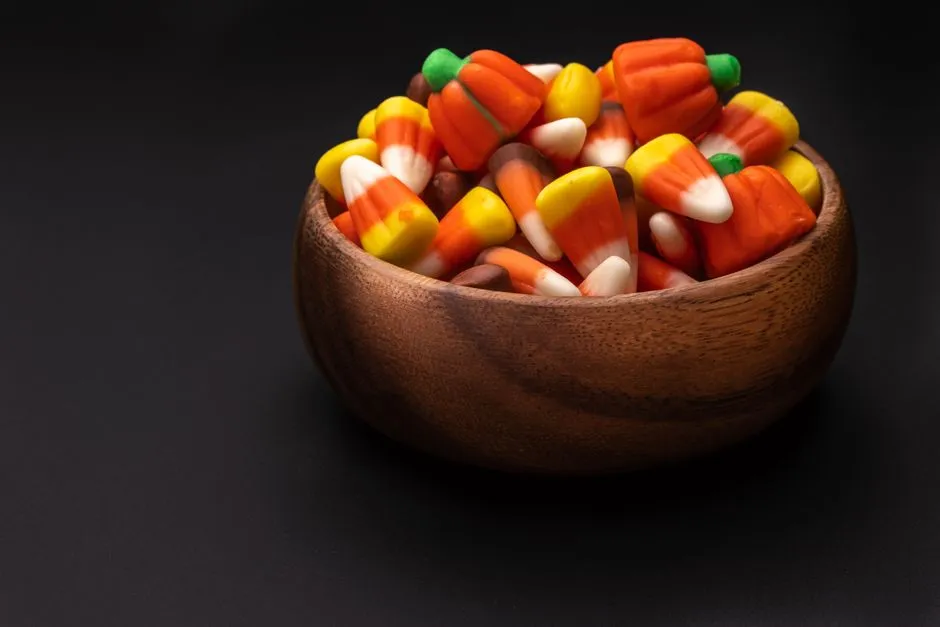
At the turn of the 20th century, the country was still largely rural, and about half the nation’s labor force lived on farms. Confectioners, hoping to tie in to the farm-and-harvest spirit, also turned out candy pumpkins, turnips, chestnuts, and clover leaves.
The candy was originally named “chicken feed” because at the time, agriculture was one of the main industries in the nation, and a number of candies were crafted in shapes related to farming. Candy makers were essentially doing what marketers do today: meeting consumers exactly where they lived.
In addition to corn kernels, Wunderle produced leaves, pea pods, little turnips, and other vegetable shapes. Some historians speculate that the candymaker was appealing to the country’s agrarian past at a time when more and more people were taking jobs in cities. Candy corn wasn’t an outlier. It was part of a whole genre.
The Rooster on the Box and the Slogan Behind It
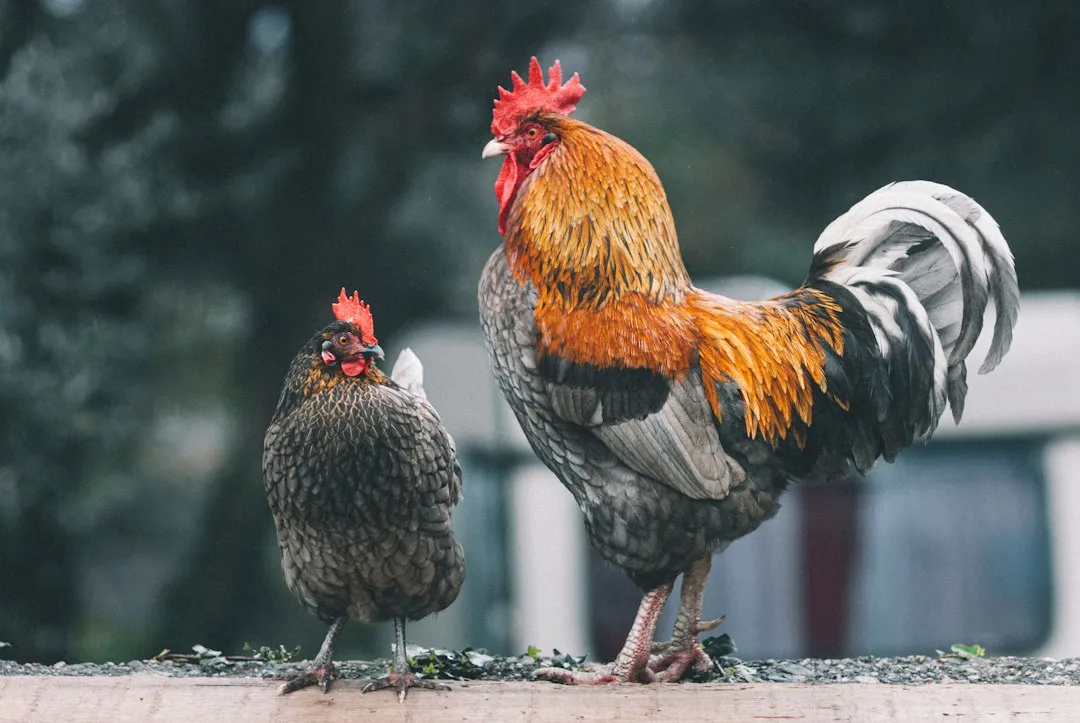
In the late 1800s, corn was a feed crop, not a sweet snack, and Wunderle leaned into the joke by selling the candy in a bag stamped with a rooster and the slogan “Something worth crowing for.” The branding was clever and cohesive, built entirely around the farm theme.
The packaging even included a colorful rooster logo, emphasizing its agricultural roots and appealing to the farming communities. For a rural buyer in the 1880s or 1890s, that packaging would have felt instantly familiar and even a bit playful.
There were also claims that the candy was “butter sweet,” which might not mean much today, but candy was still not a common part of the eating experiences that most people had enjoyed. Candies were linked mostly with the delivery of medicine during this time, and most candy products that are this old began their lives strictly for this need. Getting people to buy candy purely for pleasure was genuinely new territory.
Goelitz Steps In and Takes the Candy National
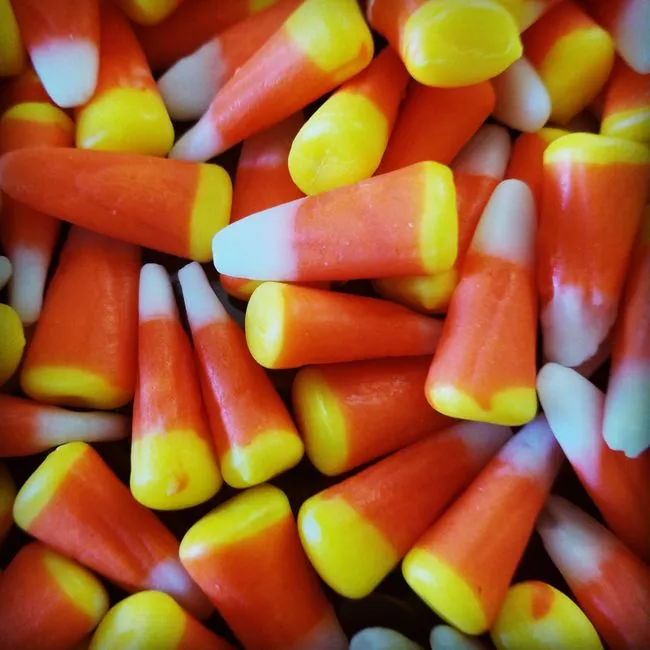
The Wunderle Candy Company first produced candy corn commercially in 1888, but it was the Goelitz Confectionery Company, now known as Jelly Belly, that really made it famous when they started manufacturing it in 1898.
Gustav Goelitz came to the United States in 1866 from Germany and in 1869 started the confectionery business in Belleville, Illinois. His younger brothers, Albert and George, emigrated to America soon after, joining him in the business. The Goelitz family brought serious candy-making craft to the operation.
In the early 1900s, the demand for the tiny treat increased so much that Goelitz had to actually turn down orders. They didn’t have the production capacity to keep up with its popularity. That changed over the years, and in 1951, the Goelitz Company had 12 factories around the country making candy corn.
How the Candy Was Actually Made by Hand
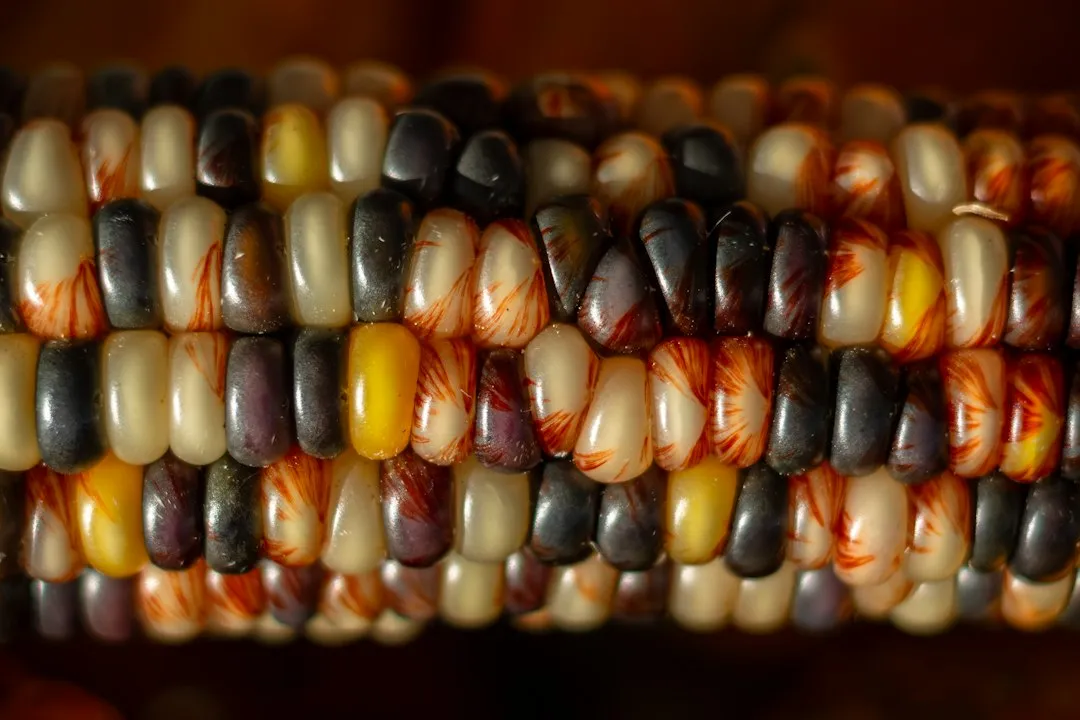
The ingredients used in the original recipe are still the primary ingredients today: sugar, water, and corn syrup. Over the years, fondant was added to improve texture, and marshmallow was mixed in for flavor. The ingredients were heated in large kettles and stirred to the right consistency. The result was called “slurry.”
The first version of this candy was made by hand by combining sugar, corn syrup, carnauba wax, and water. This was cooked to form a slurry that was then poured into molds. There were three layers poured into the molds to create the striped appearance of the candy corn that is so familiar today.
The shape and the tri-colored layering, with a yellow base, orange middle, and white tip, was unusual for a candy at the time and immediately memorable. For the 1880s, producing three distinct color layers in a single small piece of candy required real skill and patience.
The Name “Chicken Feed” Slowly Faded Away
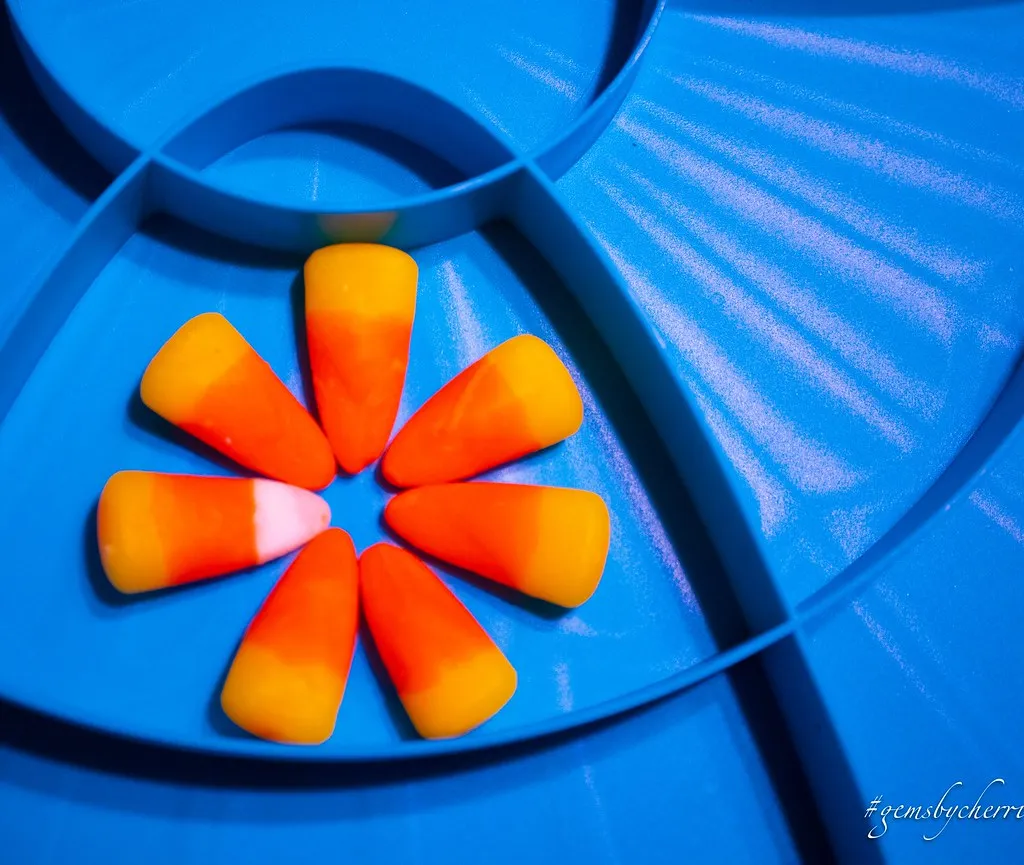
As the years passed, the candy underwent a significant transformation in name and public perception. The name “chicken feed” gradually fell out of favor as the candy became more associated with Halloween and less with its agricultural origins. By the mid-20th century, the confection was commonly known as “candy corn,” a name that stuck due to its appearance and its growing popularity as a seasonal treat.
Candy corn continued to have an association with chickens into the 1920s, and marketing even during this period indicated that connection. The shift was gradual, not sudden. As American society urbanized, the rural humor behind the original name simply stopped resonating.
Because of the tedious work involved in making it, “chicken feed” was reportedly only available between March and November. Seasonal availability was a practical constraint, not a marketing strategy, at least not at first.
How Candy Corn Became a Halloween Icon
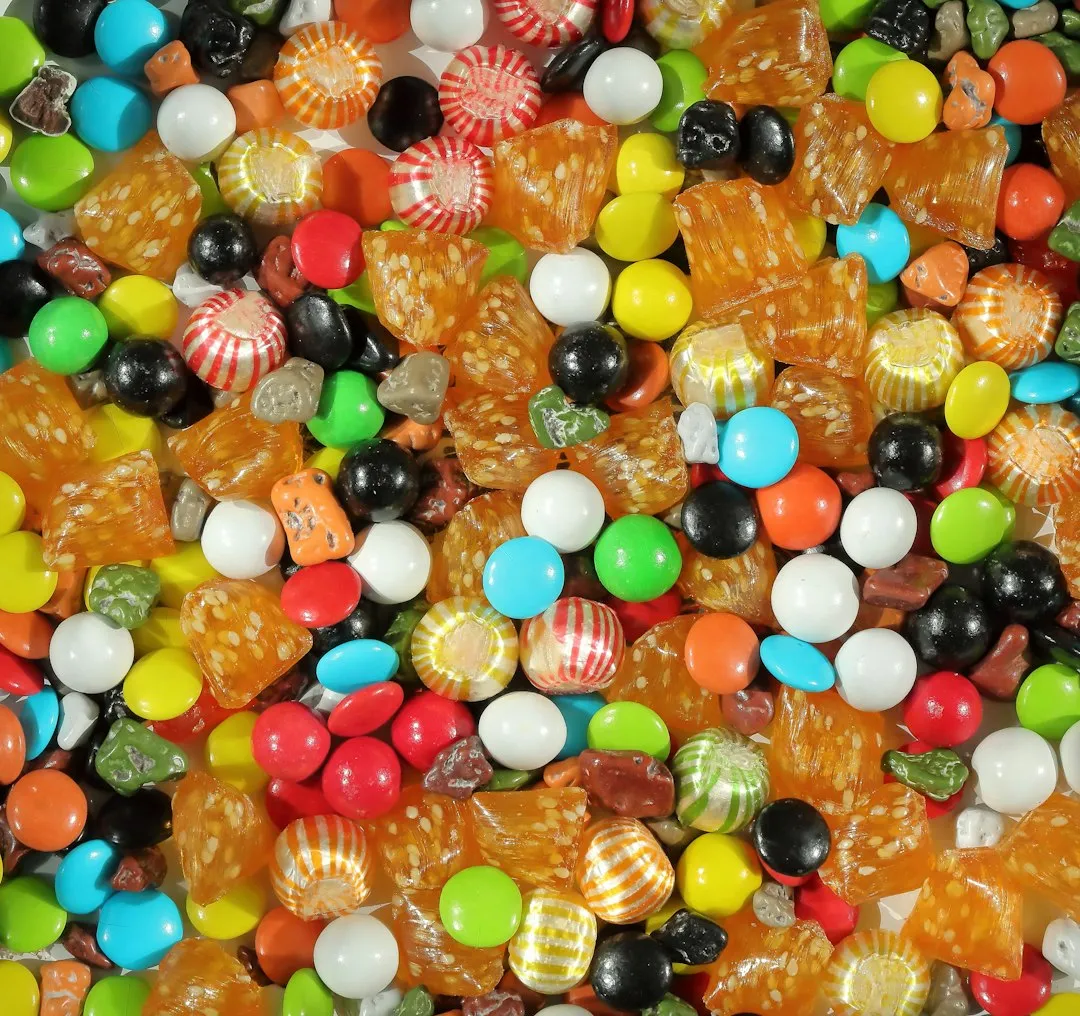
Though Halloween has a centuries-long tradition of costumes, pranks, and treat-begging, in the United States the annual practice of trotting from door to door collecting candy only took off in force in the late 1940s, with the lifting of World War II sugar rations.
For decades, candy corn was a seasonal candy tied to the harvest, not specifically Halloween. The association with October 31 came later, in the mid-20th century, when trick-or-treating became a national American tradition. The candy’s harvest-color palette made it a natural fit for Halloween baskets, and Goelitz marketed it heavily as a Halloween candy from the 1940s onward.
The original candy corn was touted as a treat to be eaten all year round. Its eventual transformation into a Halloween-only item was a product of marketing evolution and cultural timing, not anything baked into the candy’s original design.
The Man Who Invented It Never Profited
As noted in the history of many candy creations, Renninger appears never to have profited financially from his popular invention. His name isn’t on any brand. There’s no Renninger candy company. He created something that outlived him by well over a century and received very little recognition for it.
This is a pattern that repeats throughout confectionery history. The person who dreams up the product and the person who builds the business around it are rarely the same. As with so many candy creation histories, George Renninger appears never to have made any money off his creation that is still popular to this day.
Candy Corn Today: Numbers That Are Hard to Ignore
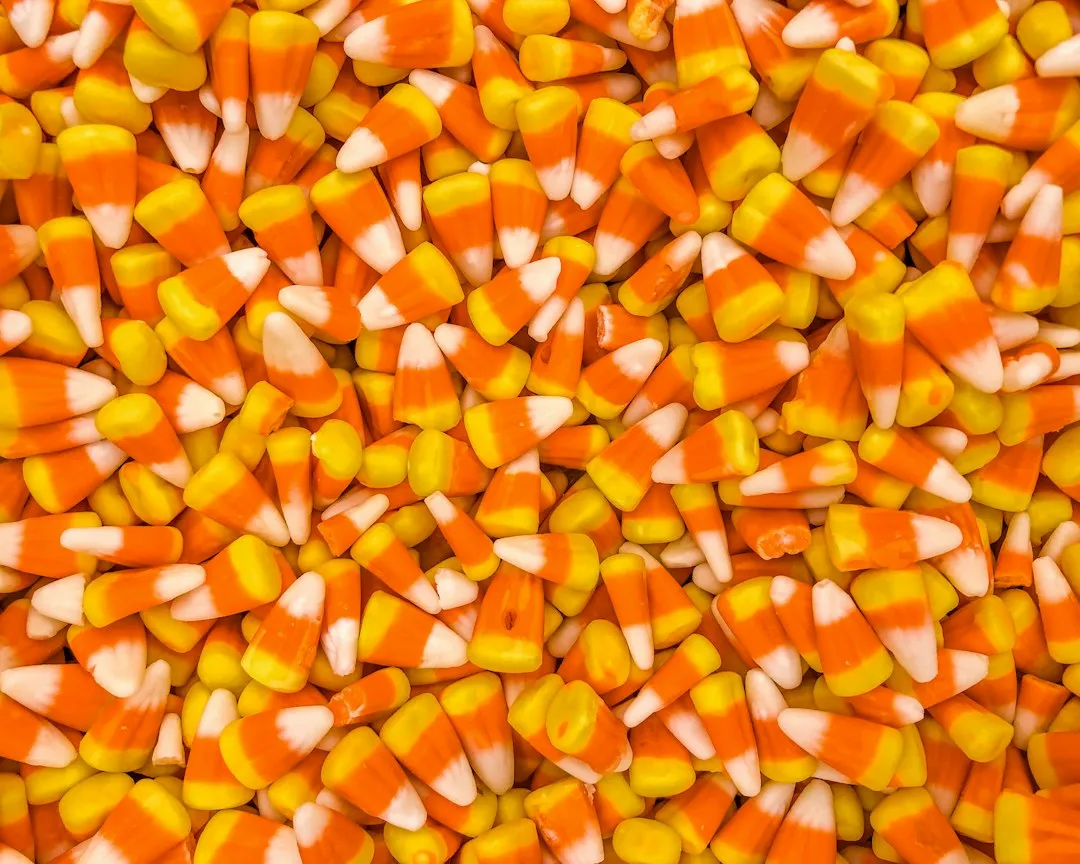
More than 35 million pounds are produced each year, which amounts to about 9 billion pieces of candy corn annually. For a candy that divides opinion so sharply, those are remarkable figures.
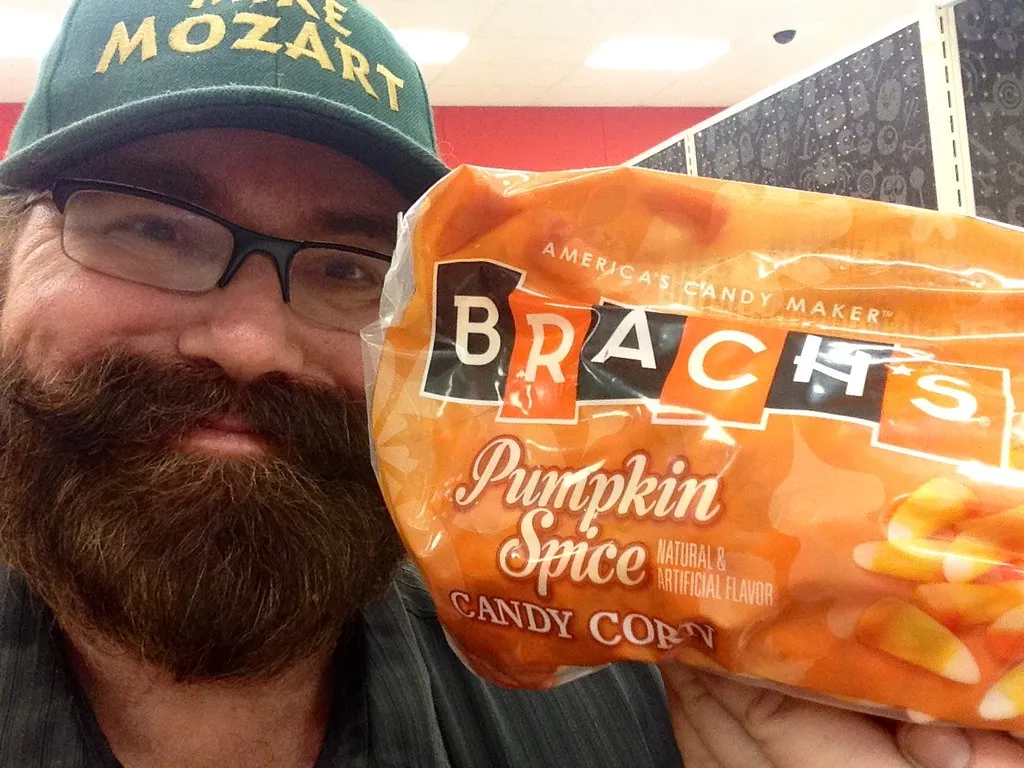
Illinois-based candy company Brach’s claims it produces approximately 7 billion pieces of candy corn every year and holds roughly 85 percent of the total share of the candy corn industry during Halloween. Americans spent about 60 million dollars on candy corn overall in the year ending September 2023, up from about 57 million the prior year, though sales by unit have been falling, meaning the revenue increases are coming from higher prices rather than from more people buying the product.
A study by Qlarant underscores the divided sentiment: roughly a third of people express distaste, while about one in five ardently adore it, and the remaining share remain largely indifferent. Still, it sells. Every fall, without fail.
The Takeaway
Candy corn began as “chicken feed” because that name actually made sense in its era. As “Chicken Feed,” candy corn was intended to appeal to Americans’ largely agricultural roots. At the turn of the 20th century, the country was still largely rural, and about half the nation’s labor force lived on farms. A candy shaped like corn kernels, sold in a box with a rooster on it, was a perfectly logical product for that world.
What’s remarkable is how little the candy itself has changed across all that time. The recipe, still pretty much what it was in the 1880s, is a mix of sugar, fondant, corn syrup, vanilla, and marshmallow creme, colored yellow, orange, and white, and poured into kernel-shaped molds. The name changed. The marketing changed. America changed entirely. The candy stayed the same.
That kind of continuity, moving from a rural 19th-century novelty to a billion-dollar Halloween staple over the course of 140 years, is actually a little extraordinary. Whatever side of the candy corn debate you land on, the history behind those three small layers is far more interesting than the candy’s waxy reputation suggests.
AI Disclaimer: This article was created with the assistance of AI tools and reviewed by a human editor.