
Just How Common Are Night Sweats?

One study of night sweats found that roughly two in five patients reported experiencing them, and a systematic review confirmed that between ten and forty-one percent of primary care patients had experienced the symptom. Those are not small numbers. It suggests that night sweats are far more widespread than most people realize, and that doctors hear about them regularly.
A systematic review of the literature revealed that in older adult primary care patients, the prevalence of night sweats was around ten percent, while in obstetric inpatient wards, the prevalence among women was as high as sixty percent. The range is wide, in part because the definition itself varies from one study to another.
The Pattern That Actually Worries Doctors
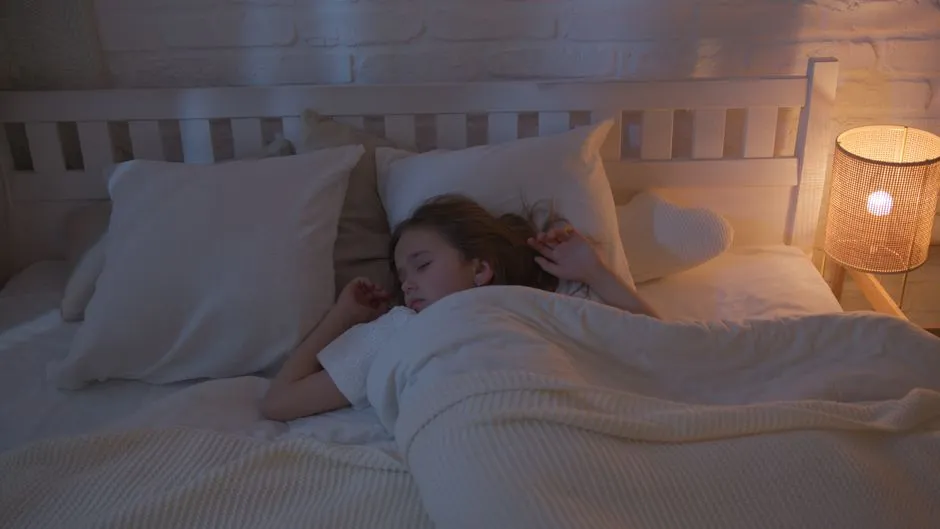
True night sweats are characterized by severe hot flashes that occur at night and can drench your bedding and sleepwear, regardless of the temperature of your surroundings. When this happens frequently, it often points to an internal imbalance or medical issue.
Night sweats serve as a red flag because they are often an early warning sign of serious underlying health conditions, including infections like tuberculosis, autoimmune disorders, hormonal imbalances, and certain cancers. While occasional night sweating can be normal, persistent episodes accompanied by symptoms like unexplained weight loss, fever, or chronic fatigue warrant prompt medical attention.
Night sweats are most worrisome when additional symptoms are present that are not typical for a person’s age or lifestyle. For example, night sweats in a young person are worth getting checked out. That extra layer of context is what separates a routine conversation at a checkup from a genuinely urgent medical evaluation.
Menopause and the Hormone Connection

Menopause is a leading cause of night sweats in women. The drop in estrogen levels affects the hypothalamus, the body’s thermostat, leading to hot flashes and night sweats. This is, by far, the most common hormonal driver of the symptom in middle-aged women.
Between seventy-five and eighty-five percent of menopausal women experience vasomotor symptoms, making hot flashes and night sweats among the most common medical conditions affecting midlife women. Women with moderate to severe symptoms experience an average of five hot flashes daily and three night sweats each night. That cumulative disruption to sleep is significant on its own, quite apart from any underlying illness.
When Infections Are the Root Cause
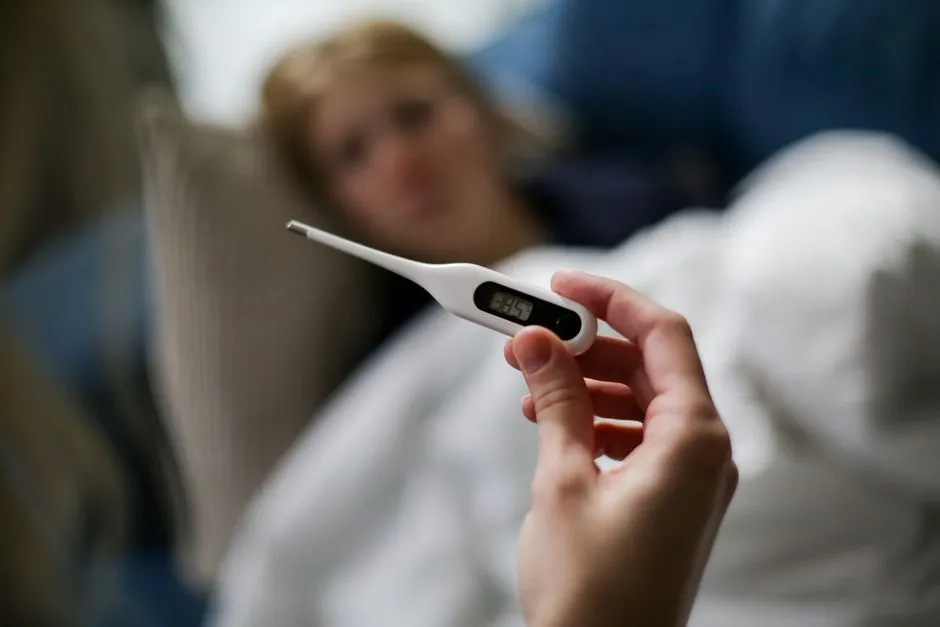
One of the body’s primary responses to infection is a fever. As body temperature rises and falls to fight off a pathogen, profuse sweating often follows. This is a normal physiological response, though it can feel alarming in the middle of the night.
Tuberculosis has historically been one of the hallmark causes of night sweats. If accompanied by a persistent cough, weight loss, and fatigue, this combination requires immediate testing. Bacterial infections such as endocarditis, inflammation of the heart valves, and osteomyelitis, a bone infection, can also cause night sweats. These are serious conditions that generally do not resolve on their own.
The Medication Side Effect Nobody Mentions

Certain medications list sweating as a recognized side effect, including antidepressants known as selective serotonin reuptake inhibitors, corticosteroids, some blood pressure medications, and hormone therapy. The mechanism is similar to hormonal imbalances: these drugs can influence the brain’s temperature-control signals in ways that produce sweating during sleep.
Older adults often take multiple medications, increasing the likelihood of side effects or drug interactions that contribute to night sweats. It is important never to stop a medication without speaking to a doctor, but mentioning any new or worsening sweating after starting a prescription is always worth raising.
The Thyroid and Metabolic Triggers
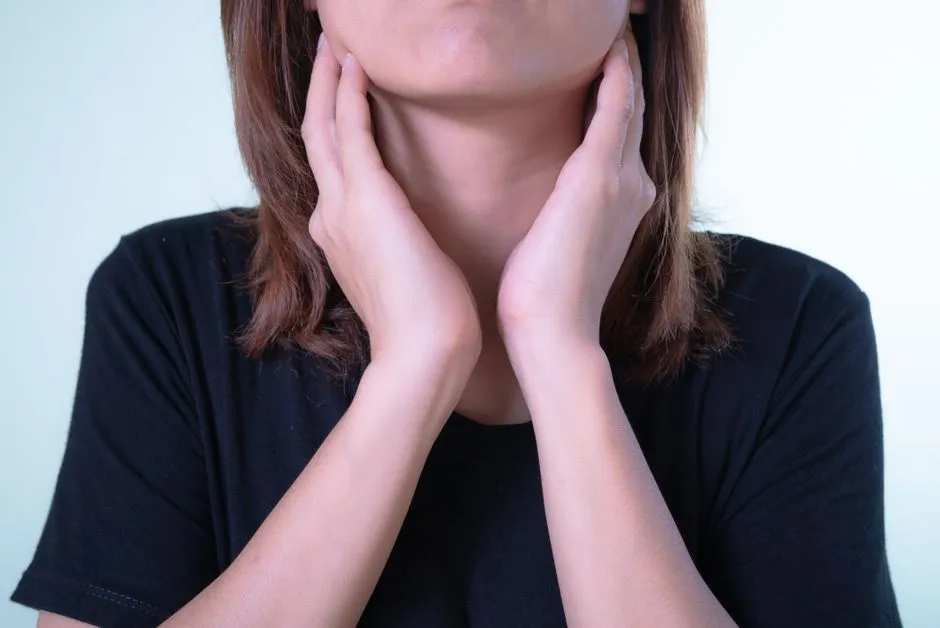
Hyperthyroidism, when the thyroid is overactive, causes night sweats along with diarrhea, anxiety, and a racing heart. Hypothyroidism, by contrast, does not. This distinction helps doctors narrow down what kind of blood test is actually needed.
What makes night sweats particularly concerning is their association with various systemic conditions. They are frequently linked to disorders like hyperthyroidism, which increases metabolic rate, and autoimmune conditions such as sarcoidosis. Additionally, they can signal medication side effects, especially from antidepressants and hormone therapies, or emerge as early warning signs of neuroendocrine tumors.
Blood Sugar Drops and Sleep-Related Sweating

Low blood sugar, especially in people with diabetes, can trigger night sweats. The mechanism is fairly straightforward: when glucose falls during sleep, the body releases stress hormones like adrenaline to correct the dip, and those hormones can trigger sweating as a side effect.
Research has found that night sweats are linked with daytime fatigue and with waking pain at night. For people managing diabetes or taking medications that affect blood sugar, these nocturnal episodes can also be a sign that dosing needs adjustment, not just a nuisance to sleep through.
Sleep Apnea’s Overlooked Role
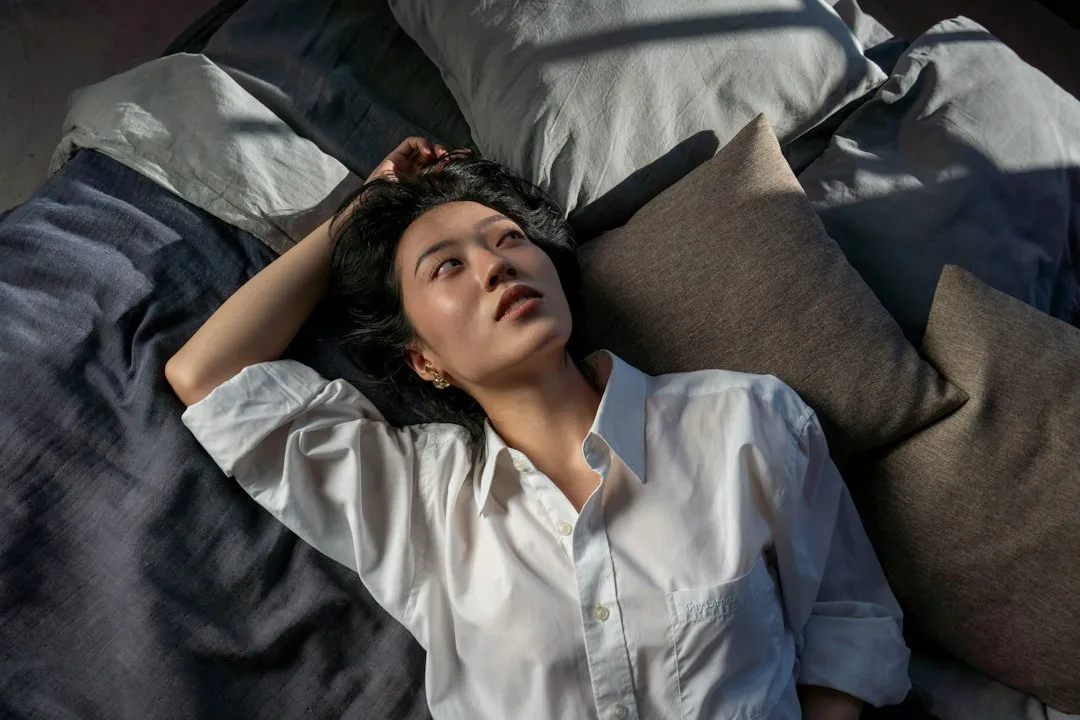
Sleep apnea is a condition that causes a person to temporarily stop breathing while asleep, and case reports suggest that this condition can lead to night sweats. The connection is less well known than the menopause link, but clinically relevant, particularly in people who have never been screened for a sleep disorder.
Night sweats and frequent waking are commonly linked to autonomic nervous system dysregulation, which can cause sudden temperature spikes, adrenaline surges, a racing heart, and abrupt awakenings during sleep. If someone regularly wakes drenched and their partner has noticed heavy snoring or gasping, a sleep study is a reasonable next step before assuming a hormonal cause.
Night Sweats as a Cancer Signal
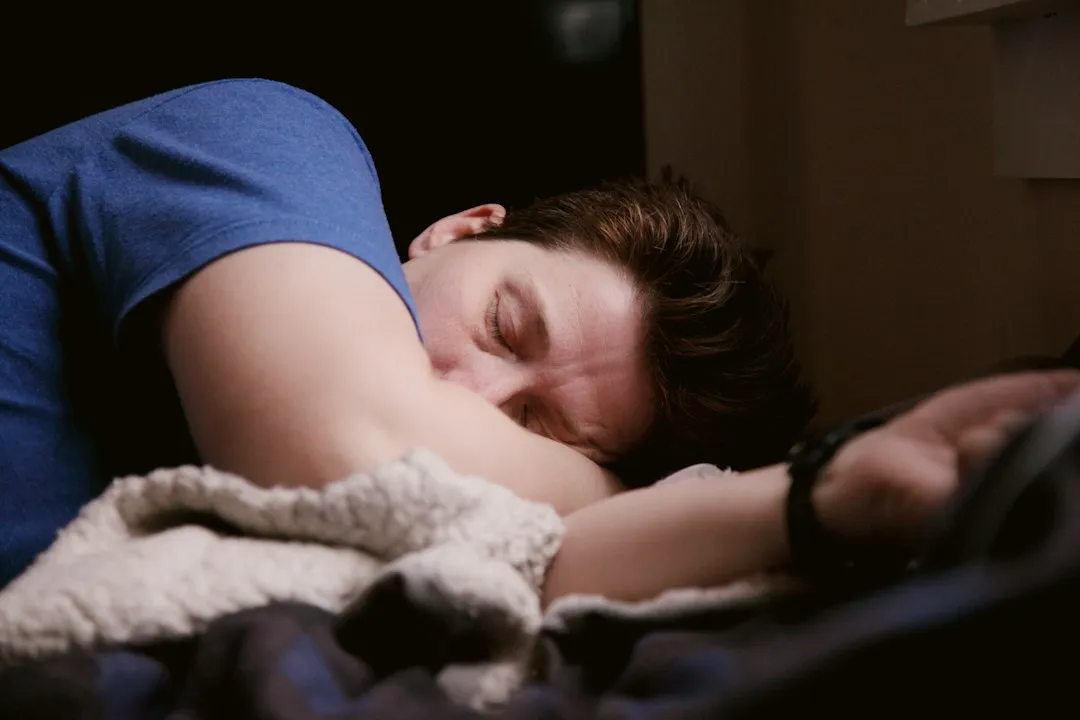
In medical terms, night sweats are considered a “B-symptom,” which helps doctors stage certain cancers. This classification is used specifically in lymphoma, where B-symptoms, including night sweats, unexplained fever, and significant weight loss, indicate a more advanced disease stage and influence treatment decisions.
Drenching night sweats are a common symptom of lymphoma. People with lymphoma may also experience hot flashes or sweating during the day, and this symptom may be caused by molecules made by blood cancer cells. While much less common, persistent night sweats can sometimes be associated with cancers such as lymphoma. The key word is persistent, meaning recurrent, drenching, and unexplained by any environmental or lifestyle factor.
The Surprising Cardiovascular Link
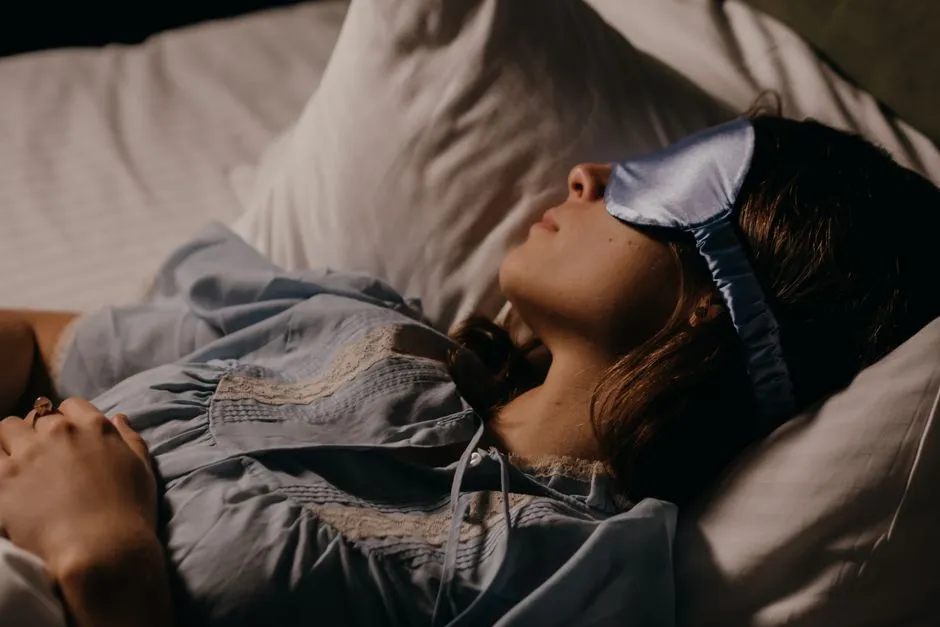
A longitudinal study involving more than eleven thousand women found that roughly seven percent reported experiencing frequent night sweats, and this subgroup had over double the likelihood of developing coronary heart disease. That association does not mean night sweats directly cause heart disease, but it does suggest the symptom may be a marker of broader cardiovascular risk worth tracking over time.
It is one of the more surprising findings in recent research on this topic. Night sweats have long been seen as a hormonal or infectious symptom, but the heart disease link adds another dimension to why doctors take persistent episodes seriously, especially in women approaching midlife.
What Doctors Actually Do During an Evaluation

Diagnosis begins with a careful medical history. A doctor will usually ask when the night sweats started, how severe they are, whether they soak bedding, and what other symptoms are present. They may also ask about menopause, infection exposure, travel, alcohol intake, sleep quality, snoring, stress, and all prescription or over-the-counter medicines.
Laboratory tests commonly ordered include a complete blood count with differential to look for anemia or infection, thyroid function tests, blood glucose and HbA1c to rule out hypoglycemia or diabetes, and inflammatory markers. Imaging or a sleep study may follow depending on what comes up. The evaluation is rarely a single test; it is a process of systematic elimination.
The Takeaway

It is particularly important to seek care if night sweats happen together with warning signs such as unexplained weight loss, ongoing fever, a persistent cough, chest pain, swollen lymph nodes, severe fatigue, or pain that does not improve. In isolation, a single sweaty night after a stressful week rarely signals anything serious.
If you regularly wake up with soaking wet sheets, you should get it checked by a doctor. That guidance from the NHS is about as clear as it gets. The body has a fairly limited vocabulary for expressing internal distress, and persistent drenching sweats at night is one of its more distinctive phrases. Paying attention to it is not alarmism. It is just good sense.
AI Disclaimer: This article was created with the assistance of AI tools and reviewed by a human editor.