

What Antacids Were Actually Designed to Do

Over-the-counter antacid tablets, which are typically chewable or effervescent, contain calcium, magnesium, and aluminum salts that quickly neutralize stomach acid. They were engineered for speed, not endurance. A single dose after a spicy meal was the intended use case, not a twice-daily ritual spanning months or years.
Though convenient, cheap, and relatively safe, antacids are not meant to be taken multiple times per day for days on end. Chronic use can create problems, such as constipation or diarrhea. The same goes for proton pump inhibitors, or PPIs, the prescription-strength cousins of basic antacids. Proton pump inhibitors should only be used for a couple of months, maximum, before gradually tapering off to prevent acid rebound.
The Overprescription Problem Nobody Talks About Enough

Despite their therapeutic benefits, proton pump inhibitors have become alarmingly overused in clinical practice. Current evidence suggests that between a quarter and roughly two-thirds of PPI prescriptions have no appropriate indication, creating a troubling pattern of unnecessary medication use that carries both economic and health consequences.
In the United States, an estimated 100 million PPI prescriptions are written each year, making PPIs one of the most frequently used drug classes. In England, omeprazole has become the second most dispensed drug, with more than 35 million prescriptions issued in 2022 to 2023. Those numbers are striking, especially given how many of those prescriptions represent unnecessary use.
Along with their proven efficacy and long perceived tolerability and safety, the use of PPIs has increased exponentially over the past 30 years, leading to extensive inappropriate overuse. A significant and common problem contributing to PPI overuse is their utilization beyond the recommended duration of therapy.
When Short-Term Use Quietly Becomes Long-Term Use

Many people with GERD stay on PPIs for months or years, sometimes without reassessment. This can happen because symptoms return when the medication is stopped, GERD becomes chronic, PPIs are continued out of habit rather than medical need, or over-the-counter PPIs feel harmless.
While antacids are a good option for short-term symptom relief, their biggest downside is that they don’t prevent symptoms from coming back, nor do they treat the underlying cause of symptoms. That distinction matters enormously. Suppressing acid day after day does not fix the root problem; it simply delays confronting it.
The Nutrient Deficiencies That Build Up Silently

Proton pump inhibitors like omeprazole are safe and effective for short-term use, but taking them for months or years can reduce absorption of vitamin B12, magnesium, calcium, and iron. These are not trivial nutrients. They underpin bone density, nerve function, energy production, and immune response.
Stomach acid plays a key role in breaking down food and killing harmful bacteria. When that acid is consistently suppressed, the body loses one of its most fundamental digestive tools. The deficiencies that follow tend to develop gradually, which is exactly why so many people don’t connect their fatigue or muscle cramps to a pill they’ve been taking for years.
The Bone Fracture Risk That Caught Doctors Off Guard

Some of the concerns associated with long-term use include a higher risk of fracture because of interference with calcium absorption, an increased risk of certain infections including pneumonia and C. difficile, and nutritional deficiencies including magnesium, iron, and vitamin B12.
One potential downside of long-term heavy use is that the medication could put you at an increased risk of osteoporosis. Although rare, antacids that contain aluminum may lower your calcium levels, which could cause your bones to become brittle. For older adults, especially women past menopause, this is not a minor footnote. Hip fractures carry serious consequences, and a daily antacid habit that silently depletes calcium is worth taking seriously.
What Research Says About Kidney Health
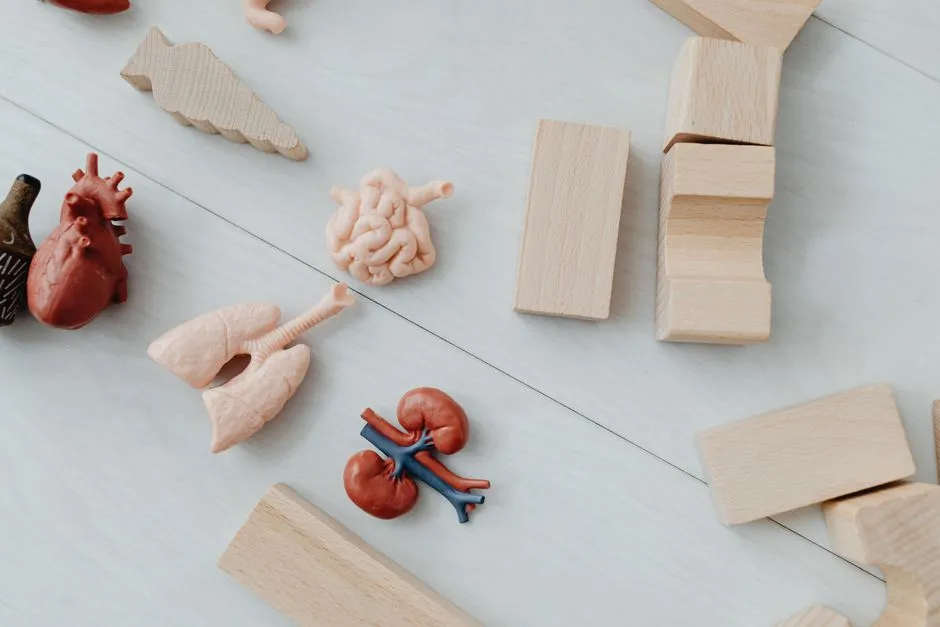
PPI use is associated with an increased risk of acute and chronic kidney disease, primarily due to acute interstitial nephritis. A prospective cohort study involving more than 10,000 participants from the Atherosclerosis Risk in Communities study showed that participants taking PPIs had a significantly higher risk of chronic kidney disease.
A systematic review and meta-analysis of 10 observational studies involving nearly seven million participants revealed a notably higher risk of developing chronic kidney disease among PPI users compared to non-users. Researchers are careful to note that observational data does not confirm causation, but the pattern across multiple large studies is difficult to ignore entirely.
The Dementia Connection: A Complicated Picture

People aged 45 and up who took PPIs for over four years had a roughly one-third higher risk of developing dementia than people who never took the drugs, according to a study published in the journal Neurology. That figure generated significant attention in the medical community and among patients alike.
The story is not entirely straightforward, though. A 2026 meta-analysis in Brain Sciences reported that, when data from multiple studies were pooled, there was no statistically significant association between overall PPI use and dementia risk. Researchers have identified B12 deficiency and impaired amyloid metabolism as possible mechanisms linking the overuse of PPIs and dementia, but experts continue to debate whether the drug itself is responsible or whether other confounding factors are at play.
Acid Rebound: The Trap That Keeps People Hooked
One of the more insidious aspects of long-term antacid use is what happens when people try to stop. Long-term use may increase risks of bone fractures, infections, gut bacteria imbalance, and rebound acid reflux when stopped. That rebound effect is real, and it is a primary reason so many people feel they cannot quit.
When the stomach has been producing reduced acid for months, stopping the medication prompts the acid-producing cells to overcompensate. The result is a surge of symptoms that can feel worse than the original problem, which misleads people into believing they genuinely need the medication indefinitely. Always use the lowest effective dose and consult your clinician before stopping.
Masking Conditions That Deserve a Proper Diagnosis

Antacids can be good for providing short-term relief, but long-term use can cover up more serious medical conditions. That masking effect is one of the more underappreciated dangers. Persistent heartburn can be a sign of Barrett’s esophagus, a hiatal hernia, or even early esophageal changes that a doctor needs to evaluate directly.
Daily use of antacids might mask an underlying condition that will require stronger medications and a doctor’s diagnosis. Treating symptoms without investigating their origin is a pattern that delays appropriate care and sometimes allows underlying disease to progress unchecked. Doctors warn that treating frequent acidity with antacids alone can mask deeper digestive problems and delay proper diagnosis.
When Long-Term Use Is Actually Warranted

It is worth being clear that some patients do genuinely need PPIs for an extended period. Only a few conditions warrant long-term use, including severe erosive esophagitis, peptic stricture, Barrett’s esophagus, conclusive nonerosive GERD with ongoing symptoms responsive to PPIs, and hypersecretory conditions.
Given that the absolute risk of adverse events is overall low, the contribution of PPIs in further increasing these risks is modest at best, especially when used at a low dose once daily. The core issue is not that PPIs are dangerous drugs. It is that they are being used far too broadly, far too casually, and far too long, often in people for whom a dietary change or a proper diagnosis would serve better.
What Doctors Actually Recommend Instead
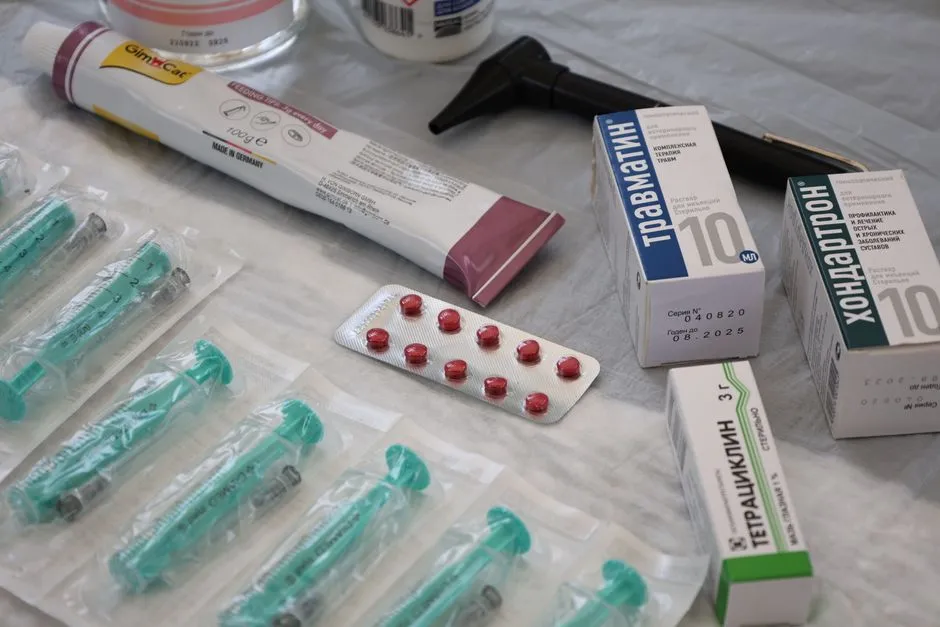
Clinical guidelines generally recommend that PPIs be used for a four to eight week course for many common acid-related issues, then tapered or discontinued if possible. For most people with occasional heartburn, that is more than enough time to allow healing and then reassess the underlying cause.
While these medications are FDA-approved for general-population use once daily for a maximum of six weeks, there can be danger in taking too many antacids or using antacids long-term. Lifestyle modifications, including dietary adjustments, weight management, and eating earlier in the evening, can meaningfully reduce acid symptoms without the risks that accompany long-term pharmaceutical suppression.
The Takeaway

The antacid habit is one of the most normalized forms of self-medication in modern life, and it is also one of the most quietly misused. These drugs do exactly what they promise when used as intended. The trouble starts when a two-week solution becomes a two-year routine with no medical oversight and no end in sight.
If you have been reaching for an antacid daily for more than a couple of months, that is worth a conversation with a doctor, not out of alarm, but because persistent symptoms almost always have an underlying cause worth finding. It is crucial for healthcare providers to monitor patients on long-term antacid therapy and educate them about potential risks and interactions. Treating the symptom is easy. Understanding the source is where the real work lies.
AI Disclaimer: This article was created with the assistance of AI tools and reviewed by a human editor.