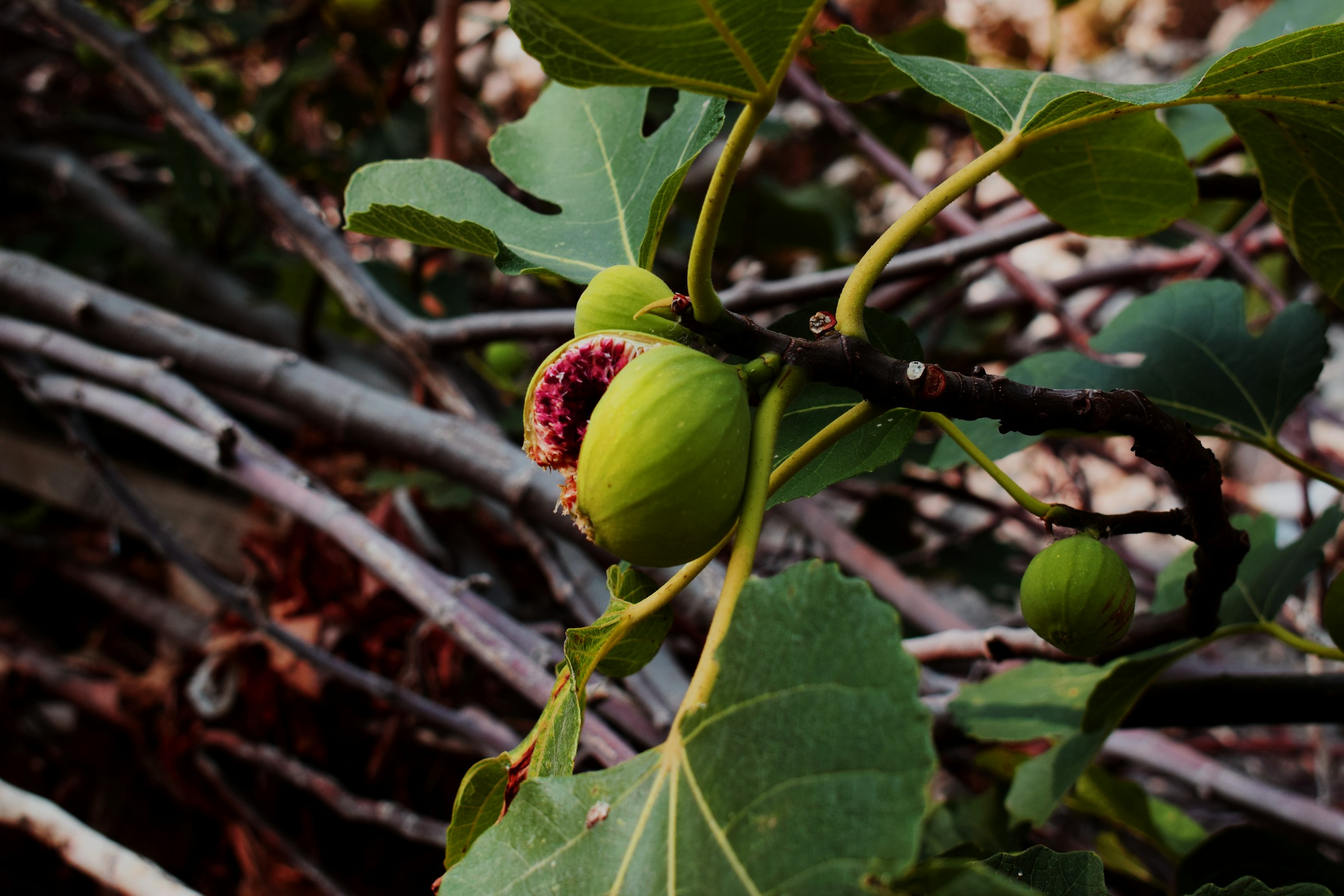

Why Fig Trees Struggle in the North
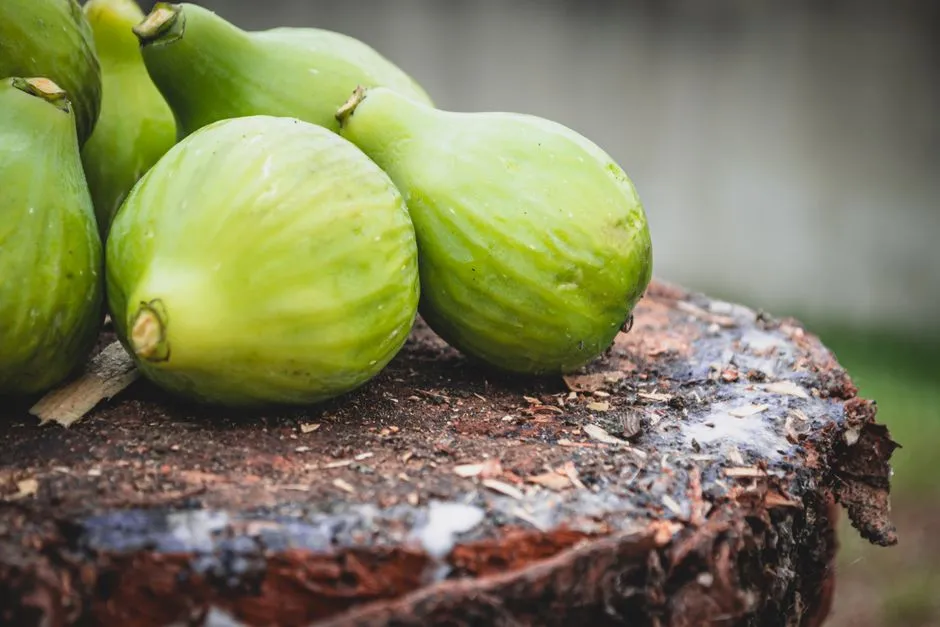
Despite being native to the warm Mediterranean climate, most fig varieties can reliably survive temperatures as low as 10°F. That sounds reassuring until you realize that much of USDA Zones 5 and 6 regularly drops well below that threshold.
Temperatures below 20°F can damage branches, and anything below 10°F can kill the tree outright. The challenge in northern gardens is that winter cold doesn’t arrive in one steady wave. It fluctuates, thaws, refreezes, and often delivers its worst snap in February when gardeners have dropped their guard.
Most fig trees are hardy only to zones 7 through 8, where winter lows rarely drop below 10°F. Zone 4 presents temperatures between -30°F and -20°F, well beyond what most figs can tolerate without protection. This gap between what the tree can naturally handle and what northern winters deliver is exactly why the wrapping method became so widely practiced.
Choosing the Right Variety Before You Start
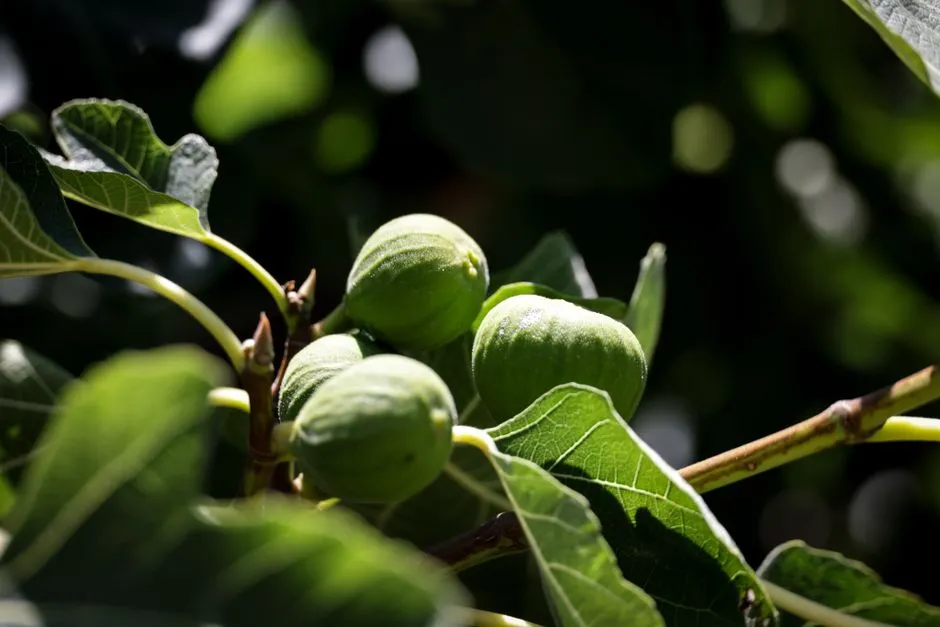
Chicago Hardy and Brown Turkey are cold-hardy fig varieties that can survive temperatures as low as 10 degrees Fahrenheit, and they can regrow in the spring if the rootstock is protected over winter. For northern gardeners, starting with one of these varieties gives the whole effort a much better foundation.
Celeste, also known as the Sugar Fig, is the most cold-hardy variety, able to survive temperatures as low as 0 degrees Fahrenheit. It thrives in zones 6 to 8 and should be grown in a sheltered spot to prevent leaf drop from harsh winds.
Perhaps the most critical factor in a fig tree’s winter survival is lignification, the process by which branches harden and become woody. Although genetics play a role in cold hardiness, proper lignification ultimately determines survival. In practical terms, that means stopping fertilizer by late summer and letting the tree fully harden before cold sets in.
Wait for True Dormancy Before Wrapping

Timing the wrap correctly, after the tree has gone dormant but before the coldest temperatures actually arrive, makes a real difference in how effective the protection turns out to be. This step trips up more gardeners than any other part of the process.
Trees need one to two light frosts, in the 28 to 32°F range, to trigger dormancy properly. Look for the leaves to turn yellow and drop after a few light frosts. Bare branches are your green light.
A tree that still has leaves is still breathing and holding lots of moisture. Trap all that under burlap on a sunny 60-degree afternoon, and you have built a tiny steam room. Warm, damp air invites mold, mildew, and rot. Patience at this stage genuinely pays off come spring.
The First Step: Bundling the Branches
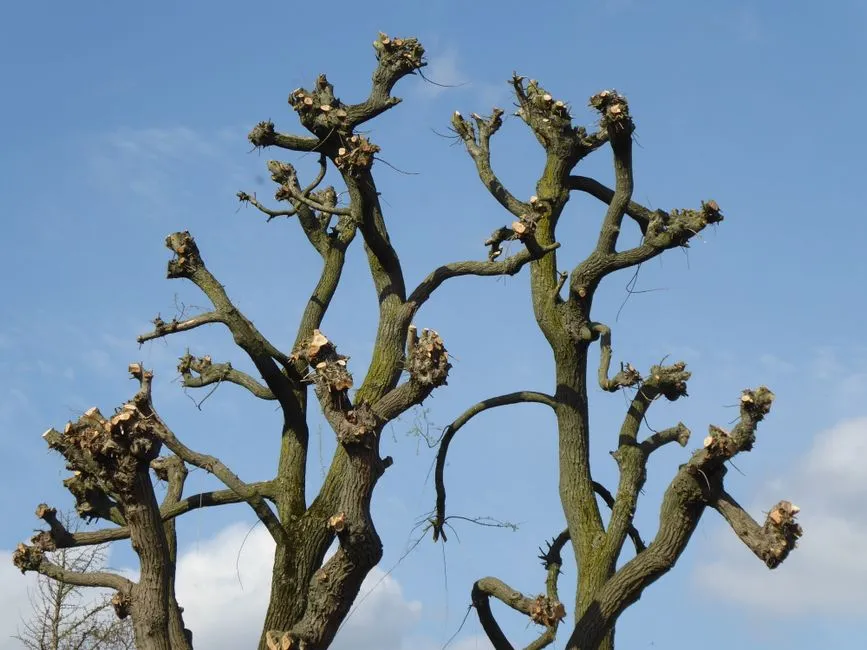
When the fig’s leaves have fallen in autumn, start by pruning off dead branches, those that are rubbing together, and any that are crossing other branches. You may also want to shorten the overall height and some of the longest horizontal branches.
Gently pull the branches toward the center and tie them together with soft twine every foot or so. Go slow, because cold fig wood can snap if you bend it too hard. The goal is a tightly bundled column, not a forced or rushed one.
This method works especially well for smaller or younger trees, since their more limited structure is easier to fully wrap compared to a large, established tree. Larger, older figs can still be wrapped successfully, but they often require more materials and more time to do the job properly.
Layering the Wrap: Burlap, Leaves, and Insulation
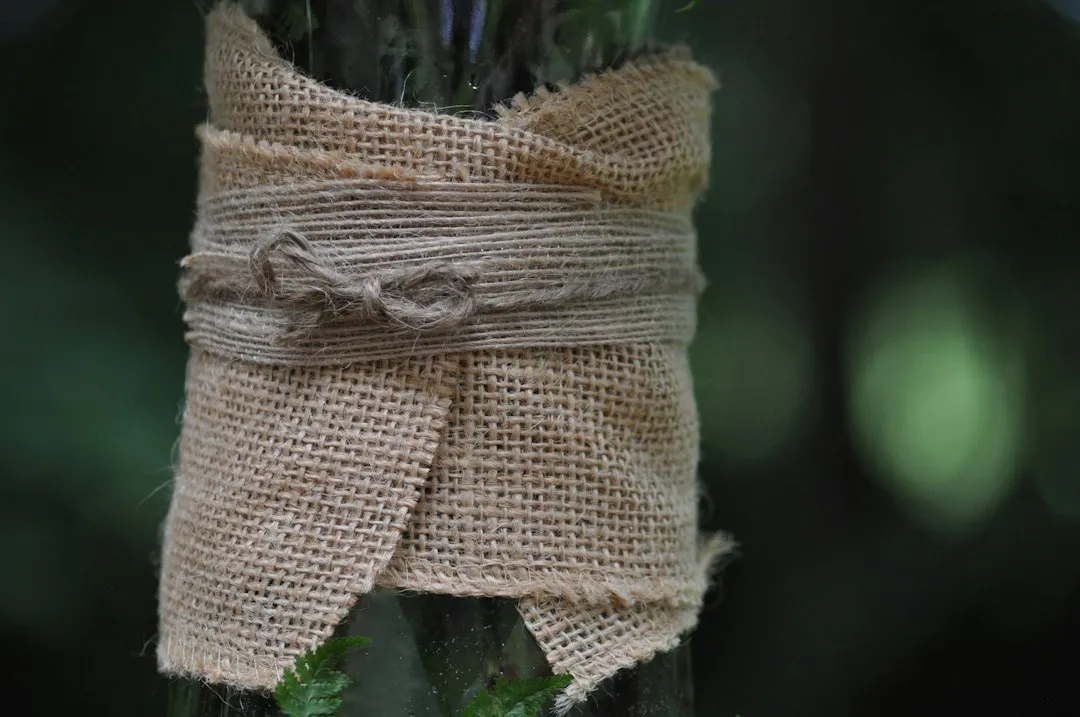
Wrap the whole tree in burlap, starting at the bottom and spiraling upward, overlapping each layer by a few inches. Two or three layers work well for most northern backyards. Each pass of burlap adds a meaningful buffer against wind chill and radiative heat loss.
Some growers stuff dry straw or shredded leaves between the layers for extra cushion against the cold winter air. A chicken wire cage around the trunk can hold that filling in place all season long. This cage-and-fill combination is one of the more reliable methods used in cooler zones.
For maximum insulation, use multiple material layers. Start with burlap directly against the tree, which allows breathing, then add a middle layer of bubble wrap or foam insulation board, and finish with another burlap layer to protect from sun exposure and wind. This combination provides excellent thermal protection while preventing bark damage from trapped moisture.
Why Plastic Is the Wrong Choice
Skip plastic wrap that touches the bark, because it traps heat on sunny days and moisture on damp ones. This is one of the most common mistakes northern growers make, especially when they reach for whatever’s available in the garage.
Wrap the bundled fig tree in several layers of old blankets, burlap (not plastic or plastic bags!) or tar paper, secured with more twine. Keep the very tip-top open to allow moisture to escape. That small opening at the top is not an oversight. It’s deliberate and important.
Very high humidity and condensation can cause dormant fig plants to rot. For that reason, use an insulating material that breathes, something like leaves or straw or soil. Breathability is the design principle the whole wrapping method rests on.
Protecting the Roots Is Just as Critical
The tree should be covered with soil, leaves, or compost so all wood is protected with a three to four inch layer. A two to three inch mulch of straw may also be applied. Many growers wrap the trunk beautifully and forget the root zone entirely, which is where the tree’s survival truly begins.
While the above-ground growth may die back in severe winters, the root system survives and sends up new shoots in spring. These varieties fruit on new wood, meaning they produce a full crop even after complete winter dieback. This is genuinely encouraging news for northern growers, because it means even an imperfect winter wrap can still result in a summer harvest.
Install a thick blanket of organic mulch on the ground over the root zone. Six inches or more is appropriate in zones 5 and colder. The ground itself is an insulator, and a generous mulch layer keeps soil temperature far more stable than exposed earth can manage on its own.
The Brooklyn Botanic Garden Method

The fig has long been a favorite Brooklyn garden tree, especially beloved by Italian families who immigrated to the borough in the early 20th century. Their wrapping tradition, carried over from regions of Italy with harsher inland winters, is one of the oldest living examples of this practice in the United States.
Using bamboo or metal stakes as a frame, build a chicken wire cage around each tied and wrapped tree. The frame should taper slightly toward the top. When the tree is wrapped and filled with leaves, taper the sides in so that the top of the frame is narrow enough to be covered with an upside-down bucket. When you cover the frame, make sure the top layer of the tar paper is tucked within the bucket to prevent water from leaking in.
The Brooklyn Botanic Garden’s published guidance reflects years of testing this approach through genuine New York winters, which makes it one of the more trustworthy references available to home gardeners. Their method adds one final outer layer of burlap for a clean, weather-resistant finish.
When and How to Unwrap in Spring

Once frosts are over, usually mid-March, the winter protection should be removed. The earlier the covering can be removed, the greater the possibility that the fruit will mature properly. Spring timing follows the same logic as autumn timing: let the season guide you rather than the calendar.
In the Northeast, you can unwrap your tree after Mother’s Day or when you start seeing green buds. If temperatures threaten to drop again into the frost range, take off the wraps in layers. After another week or two, when the danger of hard frost is past, remove the burlap and twine and wait for your fig tree to wake up.
Leave the burlap wrapped around the fig for another week after removing outer layers, allowing the tree to adjust slowly rather than exposing dormant wood to sudden temperature swings. Rushing the unwrap in late March can undo months of careful protection in a single cold night.
Container Figs as a Practical Alternative
Alternatively, you can plant your ficus in a container. Then there’s no need for winter wrapping. Just bring the potted plant into an unheated garage where the temperature will remain above freezing. For gardeners who find the annual wrapping process too demanding, container growing is a genuinely practical alternative.
Ideally, keep dormant potted figs somewhere around 0 to 7°C (32 to 45°F). Water sparingly once a month during winter. Do not soak. The tree is dormant and requires only that its roots don’t dry out completely.
If indoor space isn’t available, group containers against a south-facing wall for maximum sun exposure and wind protection. Wrap pots with bubble wrap or burlap to insulate roots, remembering that container roots are more vulnerable than in-ground roots. A potted fig that gets thoughtful autumn attention can reward a northern gardener with surprising productivity the following summer.
Final Thoughts
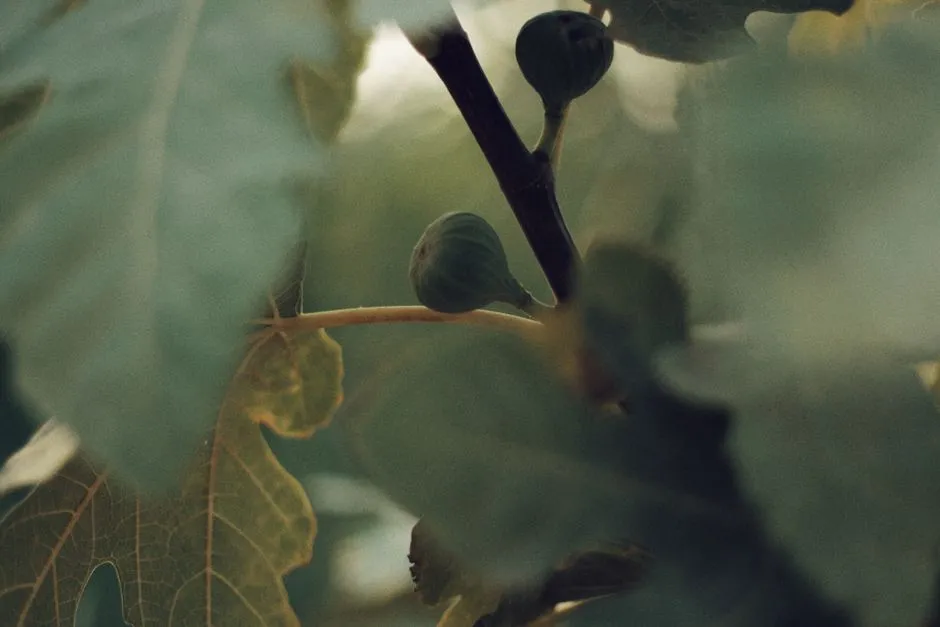
The fig tree wrapping trick isn’t complicated once you understand what it’s actually doing. It’s not warming the tree. It’s slowing the rate of heat loss and buffering the wood from the freeze-thaw cycles that cause the most damage. That distinction matters.
Timing matters more than method. You’ll need to start protection after the first light frost but before sustained freezing. Get that window right, choose breathable materials, mulch the roots generously, and the tree will almost certainly reward you.
What this tradition ultimately demonstrates is something gardeners in cold climates have always understood: working with a plant’s biology, rather than against it, is always the better path. The fig doesn’t need warmth through winter. It just needs a quiet, stable place to sleep.
AI Disclaimer: This article was created with the assistance of AI tools and reviewed by a human editor.