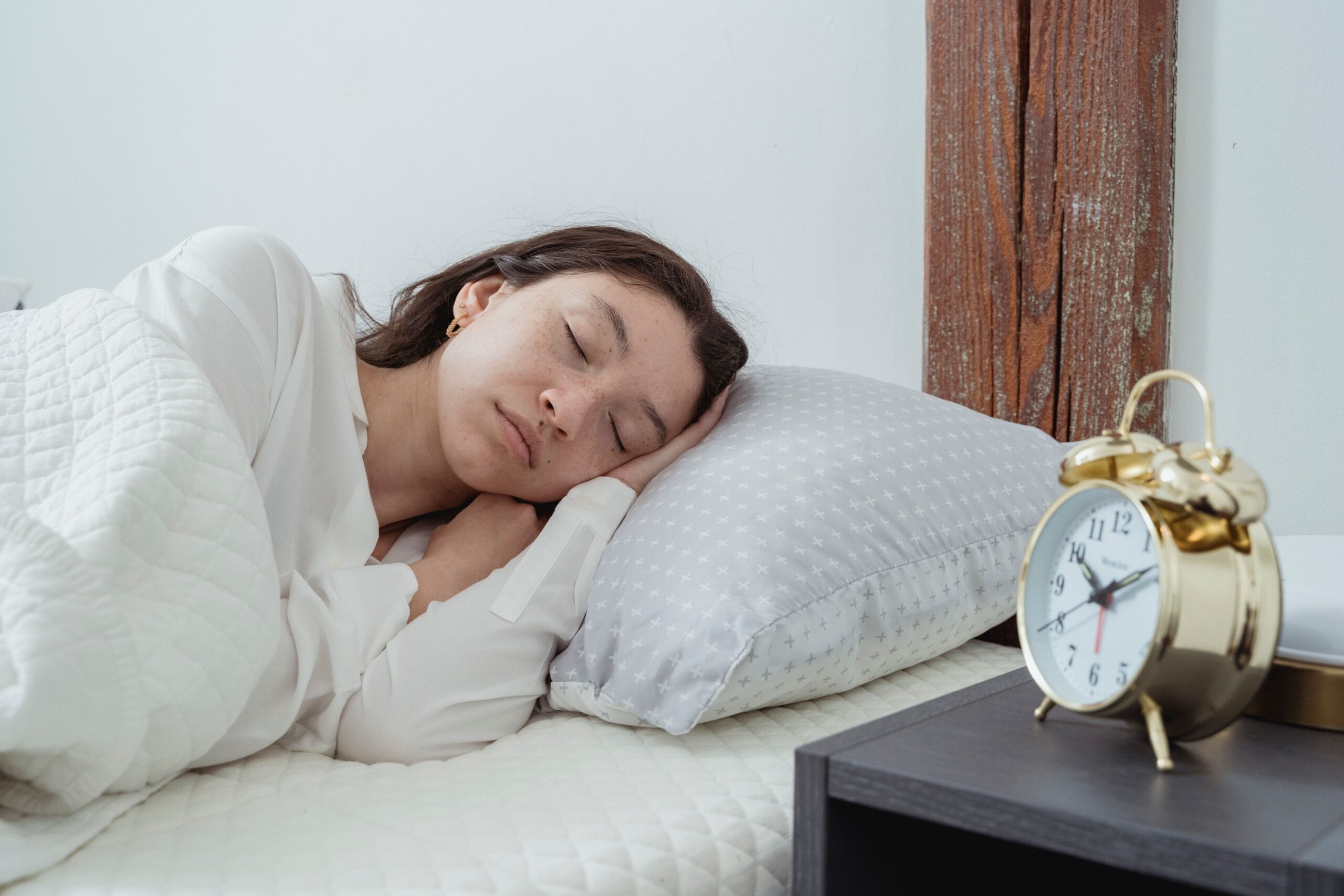

The Science Behind Clock-Watching and Insomnia
Watching the clock while trying to fall asleep exacerbates insomnia and the use of sleep aids, according to research. A study involving nearly 5,000 patients from a sleep clinic found that the stress of estimating sleep durations significantly impeded the ability to fall asleep.
The research revealed that time-monitoring behavior triggers a cycle of worry about not getting sufficient sleep, leading to increased stress and difficulty falling asleep. It’s a feedback loop that feeds on itself quietly, every single night.
What “Time Monitoring Behavior” Really Means
Clock-watching during periods of sleeplessness is common among individuals with insomnia, and appears as an effort to predict or control sleep duration, arising from the unpredictability and fear of sleep loss.
Clock-watching may offer a temporary sense of control through mental calculations about lost sleep or sleep still to be achieved. In reality, this perceived control only deepens the anxiety that keeps people awake. The importance of sleep-related frustration aligns with research where clock-watching by people with insomnia increased both worry and subjective sleep latency, creating a vicious cycle of clock-watching and sleep loss.
Pre-Sleep Worry Gets Worse When You Can See the Clock

In one experiment, 30 good and 30 poor sleepers were instructed either to monitor or not to monitor a clock as they tried to get to sleep. Compared to non-monitors, clock-monitors reported more pre-sleep worry and experienced longer sleep onset latency.
These findings held true for both good and poor sleepers. The clock-monitoring task was rated to be more worry-provoking and sleep-interfering than the control monitoring task. This matters because even people who consider themselves decent sleepers are not immune to the effect.
The Glow Problem: Light From Your Clock’s Display
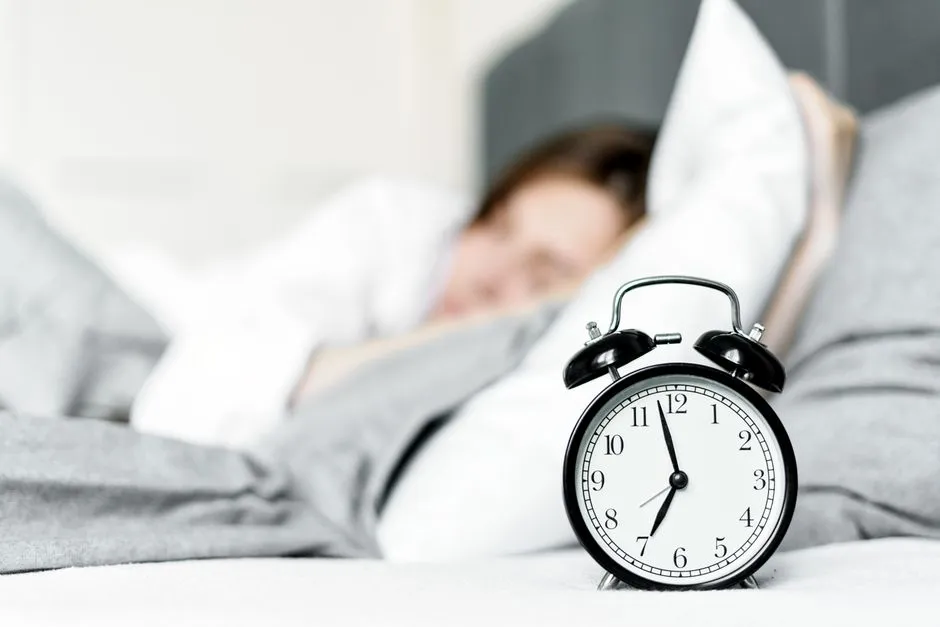
Light exposure during the night can interfere with the body’s natural sleep-wake cycle and suppress the production of melatonin, a hormone that helps regulate sleep. A clock’s LED display, even a dim one, is a direct source of exactly this kind of interference.
Compared with dim light, exposure to room light before bedtime suppressed melatonin, resulting in a later melatonin onset in nearly all individuals tested, and it shortened melatonin duration by about 90 minutes. Exposure to room light during the usual hours of sleep suppressed melatonin by greater than 50% in most trials.
Many clocks emit light, so turning the display away is worth doing. Even very dim light can suppress our natural production of melatonin, the sleep hormone that signals when it’s time to sleep.
Blue-Toned LED Displays Are Especially Disruptive
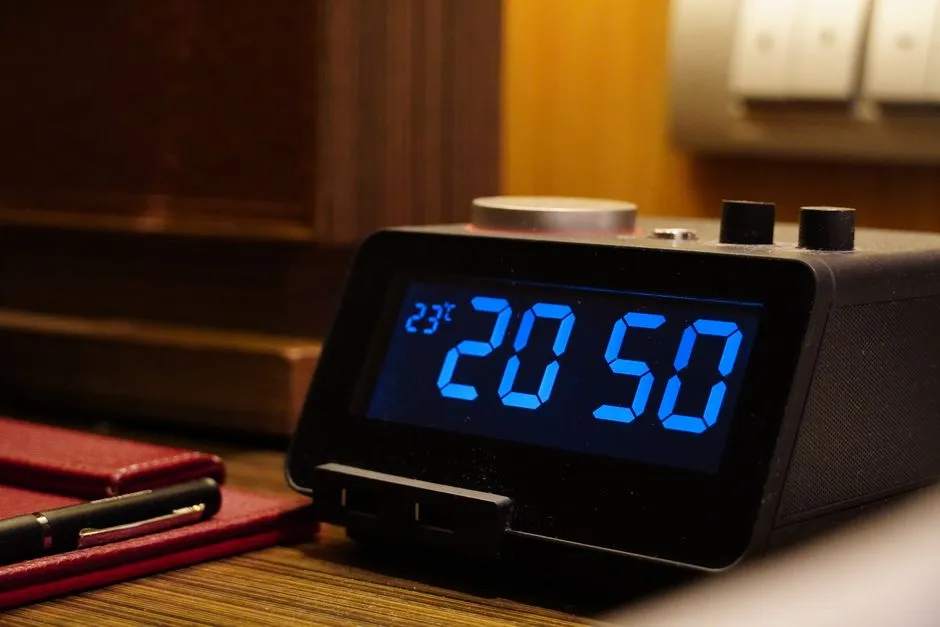
Widespread evening exposure to short-wavelength, blue-enriched light has been shown to suppress melatonin secretion, delay sleep onset, and alter circadian rhythms. As melatonin normally rises in the evening to facilitate sleep, its suppression by blue light delays circadian phase and increases sleep onset latency.
Darkness triggers melatonin synthesis via the suprachiasmatic nucleus, while evening exposure to blue-enriched artificial light can suppress melatonin production by up to half and delay its onset by approximately 90 minutes, according to Harvard Medical School circadian research. A bright blue clock display does exactly this, night after night.
Insomnia Is Far More Common Than Most People Realize
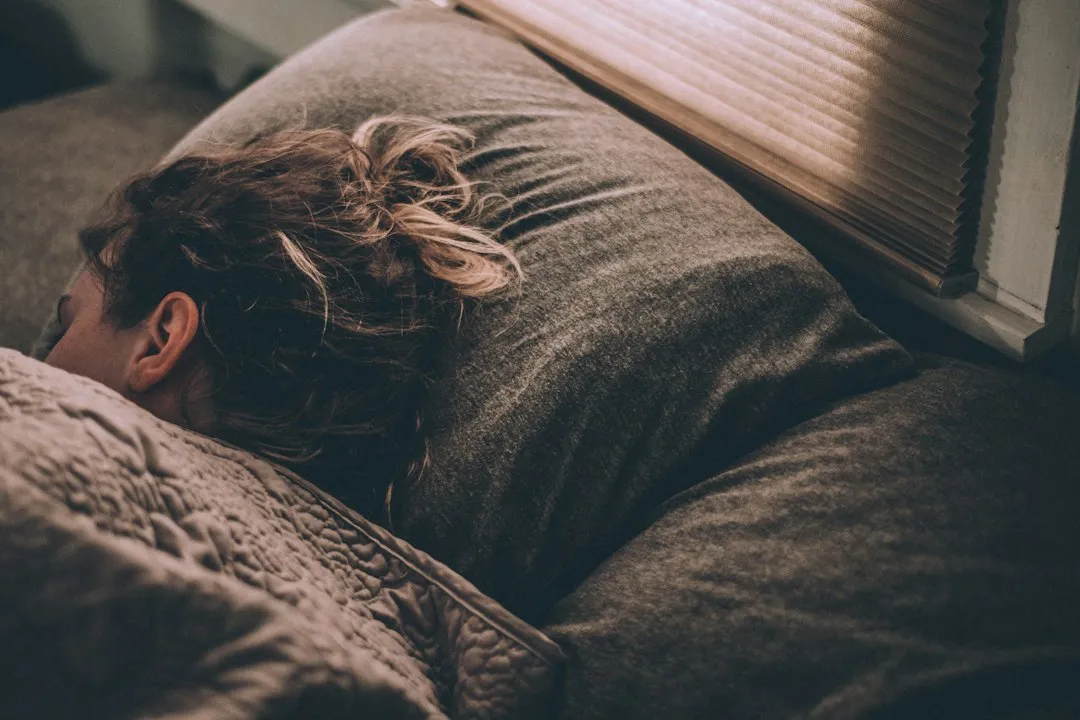
Insomnia affects between roughly one in twenty and about one in five adults and is associated with long-term health problems including cardiovascular disease, diabetes, and depression. Given how widespread the problem is, small environmental changes like repositioning a clock carry real public health relevance.
A SleepFoundation.org survey shows a strong link between sleep quality and mental health: when one suffers, the other does as well, with nearly half of people reporting below-average sleep quality also rating their mental health as poor. The bedroom environment is not a minor variable in this equation.
Sleep Doctors Practice What They Preach

Board-certified sleep medicine physician Dr. Shantan Ravula turns his own clock around: watching the minutes tick by when you can’t sleep just feeds the anxiety that keeps you awake. This isn’t a trendy wellness recommendation. It’s a clinical observation grounded in patient care.
Researcher Spencer Dawson from Indiana University put it plainly: turning around or covering up your clock, ditching the smart watch, and getting the phone away so you’re simply not checking the time is a practical step, because there is no situation where watching the clock is particularly helpful.
Turning the Clock Around Can Reduce Sleep Medication Use
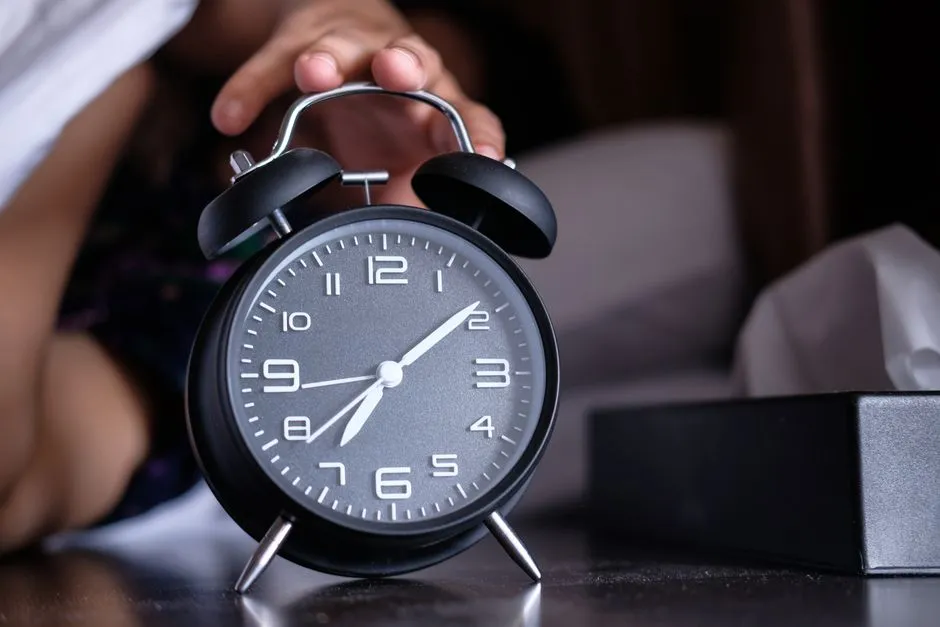
Research suggests that the behavior of clock-watching while trying to fall asleep intensifies insomnia symptoms and increases the use of sleep aids. The study, which examined approximately 5,000 patients at a sleep clinic, revealed that time-monitoring behavior triggers a cycle of worry about not getting sufficient sleep. As a result, individuals are more likely to resort to sleep medication in an attempt to regain control over their sleep.
Since previous experimental research demonstrated negative effects of time-monitoring behavior on sleep in just one night, benefits of reducing it may emerge in a similarly short time frame. That’s a compelling reason to try it before reaching for a prescription.
Circadian Rhythms and the Broader Bedroom Environment
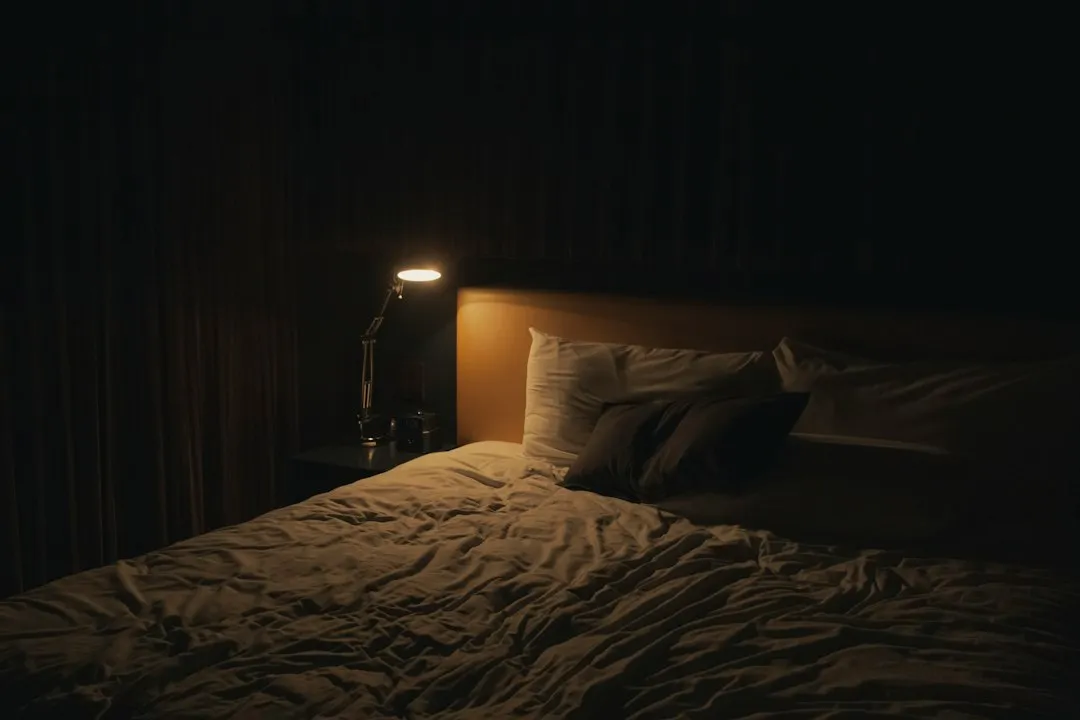
Research demonstrates that bedroom temperature, humidity, and air quality can affect sleep duration, sleep fragmentation, and time spent in deeper sleep stages. The clock is just one piece of a larger puzzle, though it’s a piece that’s easy to address immediately.
Room light exerts a profound suppressive effect on melatonin levels and shortens the body’s internal representation of night duration. Chronically exposing oneself to electrical lighting in the late evening disrupts melatonin signaling and could therefore potentially impact sleep, thermoregulation, blood pressure, and glucose homeostasis. Over time, these disruptions add up.
What to Do Instead of Watching the Clock
Research suggests a simple behavioral intervention, such as avoiding checking the time, can help alleviate insomnia. Practically, this means turning the clock face toward the wall, covering the display with a cloth, or moving it to a dresser out of direct line of sight from the bed.
Your sleep environment, specifically bedroom darkness, has stronger research support than any pill on the shelf. Combine a turned-away clock with blackout curtains and a cool room temperature, and you’ve addressed the three most evidence-supported environmental variables without spending a dollar on supplements.
The Takeaway
The bedroom clock has held its place on nightstands for generations, and most of us assumed it was harmless. The research says otherwise. Both its glow and the anxious mental arithmetic it invites are measurably working against you.
The public health burden of insomnia and associated sleep aid use is substantial and appears to be worsening. One of the simplest interventions available requires no prescription, no device, and no cost. Just turn the clock around.
Good sleep is largely about removing the things that work against rest, one quiet decision at a time. A clock facing the wall is a small gesture, but as the evidence shows, its effects on anxiety, melatonin, and sleep quality are anything but small.
AI Disclaimer: This article was created with the assistance of AI tools and reviewed by a human editor.