
Wales gardeners are turning their attention to the months ahead after a punishing summer heat wave left many plantings stressed and diminished. Autumn has settled in with cooler, cloudier days that offer a natural pause from daily garden chores. The shift brings both relief and quiet reflection on what the coming season might deliver. ([1])
Autumn’s Gentle Distraction
The season’s changing light and color still draw people outdoors even when the urge to step back feels strong. Sunlit afternoons highlight turning foliage and the last bursts of activity from wildlife. Yet the same light also reveals every gap, faded bloom, and earlier misstep that remains visible in beds and borders. Many find themselves balancing the pleasure of these moments against a growing need for distance from constant evaluation of the garden’s condition.
Daily routines slow as shorter days and lower temperatures reduce the pressure to keep up with everything at once. This breathing space arrives at a useful time for those whose summer plans unraveled under extreme heat. The garden itself seems to signal that a period of lower expectations is acceptable.
Hoping for Measured Drama
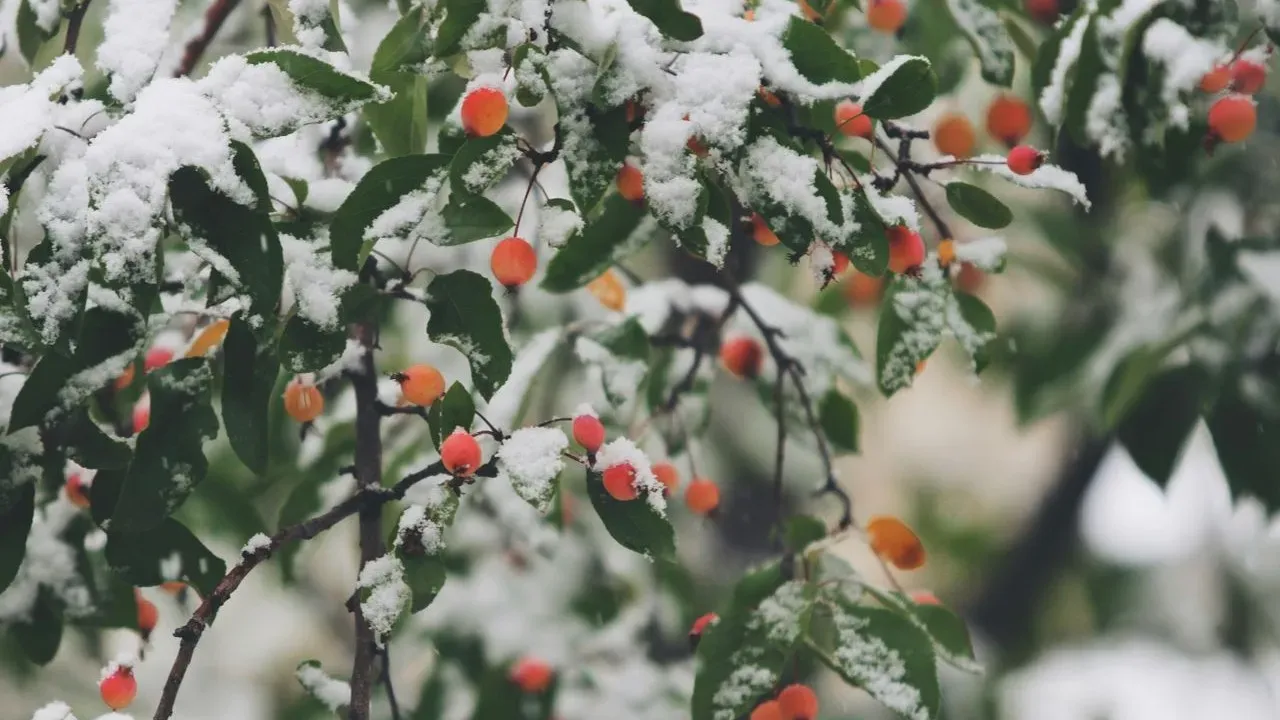
Thoughts turn to the kind of winter weather that adds interest without causing lasting harm. A light covering of snow can transform familiar outlines into something fresh and temporary. Hoar frost, though uncommon in this part of Wales, creates striking effects when it does appear. Storms and high winds, by contrast, raise immediate concerns about power loss, fallen branches, and damage to established trees.
Extreme cold also carries practical risks for anyone without central heating. Moving between unheated rooms becomes uncomfortable, and tender plants require extra protection. The long stretch until reliable spring flowers begins to feel more noticeable once the last autumn color fades.
Practical Concerns That Remain
Even in milder conditions, gardeners weigh the trade-offs of venturing out during poor weather. Snow or ice can make simple tasks like clearing paths or rescuing bowed shrubs more difficult than they first appear. The same conditions that look picturesque from indoors often prove less appealing once one steps outside.
Record low temperatures or prolonged wet spells add another layer of worry for established plantings. Previous experience with chimney fires during freezing rain serves as a reminder that dramatic weather can escalate quickly. Most prefer steady, manageable conditions over the excitement that turns into real inconvenience.
Reading the Season Ahead
Winter will almost certainly include both quiet days by the fire and stretches of difficult weather. The garden will continue to show its successes and shortcomings regardless of temperature. For now, the focus rests on accepting the current pause and preparing mentally for whatever arrives next. The real test lies in how well plants and people alike recover once growth resumes in spring.
AI Disclaimer: This article was created with the assistance of AI tools and reviewed by a human editor.