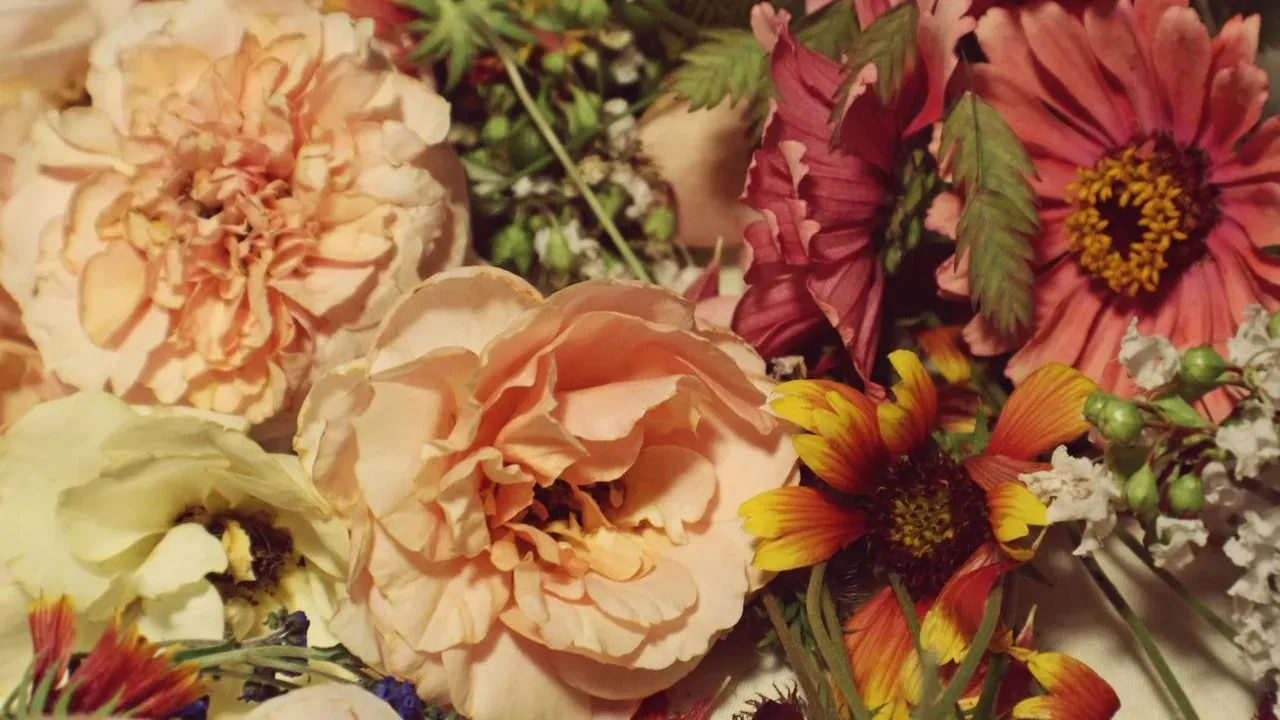

New Jersey gardener Ellen Goldfarb moved quickly through her raised beds on a recent afternoon, clipping the final stems before an expected frost settled in overnight. Her cutting garden, now in its third season, had produced a steady supply of color through the warmer months. With temperatures poised to drop, she gathered what remained to bring indoors while the blooms still held their vibrancy.
Preparing the Beds for a Short Season
Goldfarb built her cutting garden in two raised beds framed with railroad ties. Each bed measures roughly four feet wide, with lengths of eight and ten feet, and sits in full sun after a neighboring tree came down. The southern exposure helps the plants thrive during the growing months. She also tends a bean tunnel, twenty-one tomato plants, and a fig tree nearby, but the cutting beds remain the focus for fresh flowers. The setup reflects a practical approach to a small urban or suburban lot. Raised beds warm the soil earlier in spring and improve drainage, which suits annuals that need consistent moisture without waterlogging. Goldfarb has learned which varieties perform best in her conditions through trial and error across just three years.
Gathering the Final Stems
On the day of the harvest, Goldfarb cut all remaining dahlias, zinnias, and roses because frost was forecast for that night. She also included coneflowers and nasturtiums that still looked strong. The collection filled several small vases arranged across a surface for a last indoor display. The process carried a quiet sense of closure. Many gardeners in the region face the same decision each October: salvage what can be enjoyed inside or leave the plants to the first hard freeze. Goldfarb chose to bring the color indoors, preserving a final reminder of the season’s growth.
Varieties That Earned a Place Indoors
The arrangements highlighted a mix of reliable performers and newer experiments. Dahlia ‘Shaggy Chic’ stood alongside ‘Aurora Mix’ zinnias, while ‘Easy Does It’ and ‘Julia Child’ roses added fragrance and warm tones. Pink ‘Pica Bella’ coneflowers and the double orange ‘SunSeekers Rainbow’ joined the group, along with ‘Queeny Red Lime’ zinnias and the compact ‘Sweet Drift’ rose. Additional stems included ‘Fascination’ dahlias, salmon-colored ‘Ice Tea’ dahlias, more zinnias from the Queen Lime series, and a few nasturtiums. A single stem of ‘Mona Lavender’ plectranthus and some ‘Apricot Zest’ zinnias rounded out the display. Goldfarb noted that certain varieties, such as the double nasturtiums from the previous year, had not been available this season, while others like ‘Profusion Apricot’ zinnias may need more space next year to reach their full potential.
Lessons Carried into the Next Season
Goldfarb already has plans for adjustments. She intends to continue growing the Queen Lime zinnia series for their strong stems and long vase life. Some newer coneflowers will be watched for hardiness, and overcrowding issues with certain zinnias will be addressed by giving plants more room. The experience of watching which flowers hold up after cutting helps refine choices each spring. Gardeners across similar climates often use these final harvests as a natural review. Notes on stem strength, color retention, and disease resistance become the basis for seed orders and plant divisions months later. Goldfarb’s approach shows how even a modest cutting garden can deliver both immediate enjoyment and practical insights for future plantings. The short window between peak bloom and frost reminds many that timing remains one of the most important skills in the garden.
AI Disclaimer: This article was created with the assistance of AI tools and reviewed by a human editor.