

Most people have a rough idea of what the thyroid does, but far fewer recognize what it looks like when that small gland in the neck starts to struggle. More than twelve percent of the U.S. population will develop a thyroid condition during their lifetime, and an estimated twenty million Americans currently have some form of thyroid disease. That’s a number too large to ignore.
Up to sixty percent of people with a thyroid disorder don’t know they have it, largely because symptoms are diverse, non-specific, and often mimic other conditions like stress and depression, according to the American Thyroid Association. The result is that many people spend months or even years attributing real, thyroid-driven symptoms to the wrong cause entirely.
Sign 1: Fatigue That Sleep Simply Won’t Fix

Constant exhaustion, even after a full night’s sleep, can signal an underactive thyroid. Hypothyroidism slows down bodily functions, leading to persistent fatigue, sluggishness, and brain fog. This isn’t the ordinary tiredness that comes from a late night or a stressful week.
Many people with the condition report feeling so exhausted that they’re unable to go about their day as usual. The fatigue occurs regardless of how much sleep a person gets or how many daytime naps they take. That last detail is an important distinction. Rest stops helping, and that’s worth paying attention to.
About eighty-three percent of patients report fatigue as their most prominent symptom, according to clinical reporting. When that kind of exhaustion becomes the baseline of someone’s day, thyroid function deserves a spot on the checklist.
Sign 2: Unexplained Weight Changes
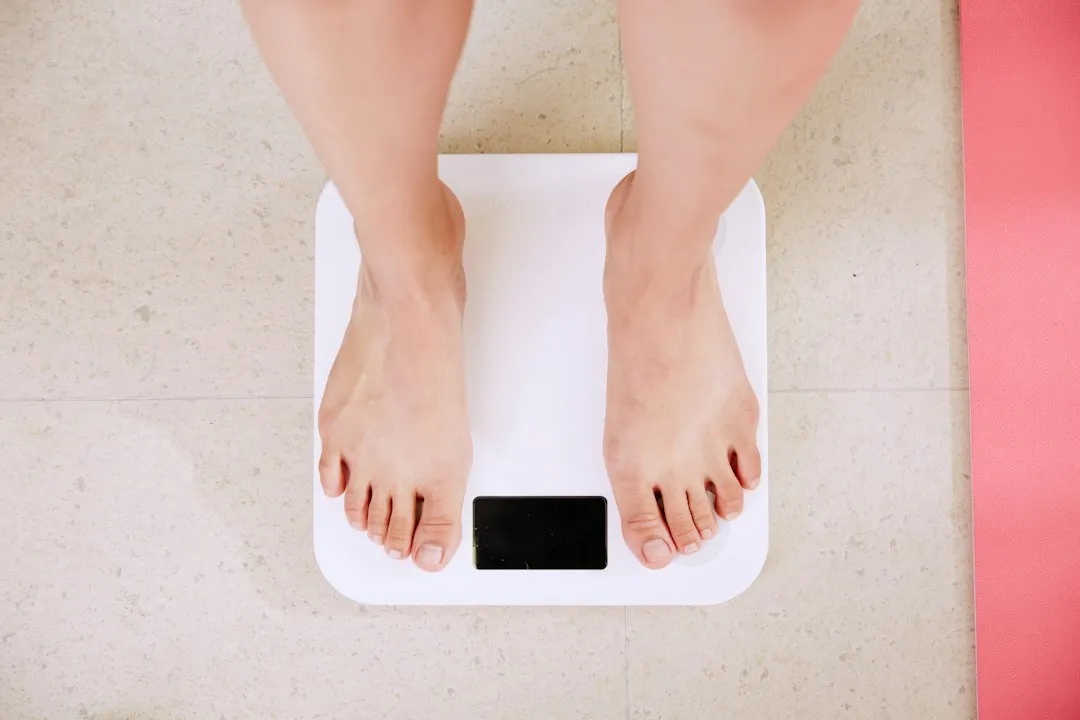
Thyroid hormones help regulate body weight, food intake, and fat and sugar metabolism. People with low levels of thyroid hormones can experience weight gain and an increase in body mass index. Even mild cases of hypothyroidism may increase the risk of weight gain and obesity.
An overactive thyroid produces the reverse, with weight loss despite eating normally. So the relationship goes both ways. Gaining weight without changing your diet, or losing it unexpectedly, can each point toward a thyroid imbalance depending on whether the gland is under or overperforming.
Sixty-nine percent of thyroid patients self-report weight management issues. That figure alone suggests this is one of the most commonly experienced and least correctly attributed signs of a thyroid problem.
Sign 3: Hair Thinning and Skin Changes

Thyroid imbalances can affect skin and hair health. Hypothyroidism often leads to dry, rough skin and brittle nails, while hyperthyroidism may cause thinning hair or excessive shedding. These changes tend to develop gradually, which makes them easy to dismiss as aging, stress, or a poor diet.
Dry skin, brittle nails, and hair that thins or falls out more than it used to are among the well-documented physical signs of an underactive thyroid. For many patients, this is what finally prompts them to seek answers, often after months of watching the pattern worsen.
Roughly one third of hypothyroid patients experience hair loss as part of their symptom picture. Combined with changes in skin texture, these shifts in appearance can be one of the clearer outward indicators that the thyroid is not producing enough hormone.
Sign 4: Feeling Cold or Overheated Without a Clear Reason

The hormones secreted by your thyroid gland regulate your body’s temperature. With fewer hormones, your body has more difficulty heating itself because your metabolism slows down. This is why people with an underactive thyroid often feel chilly in rooms where everyone else is perfectly comfortable.
An underactive thyroid produces fatigue, weight gain, feeling cold when others are comfortable, dry skin, hair thinning, constipation, low mood, poor concentration, heavier periods, and muscle aches. Cold intolerance sits squarely in that cluster and often travels with several of these other signs.
An overactive thyroid runs in the opposite direction, producing heat intolerance and sweating among other symptoms. If you’re consistently the only person in the room reaching for a jacket or cranking up the air conditioning, your thyroid’s output is worth investigating.
Sign 5: Changes in Heart Rate or Palpitations
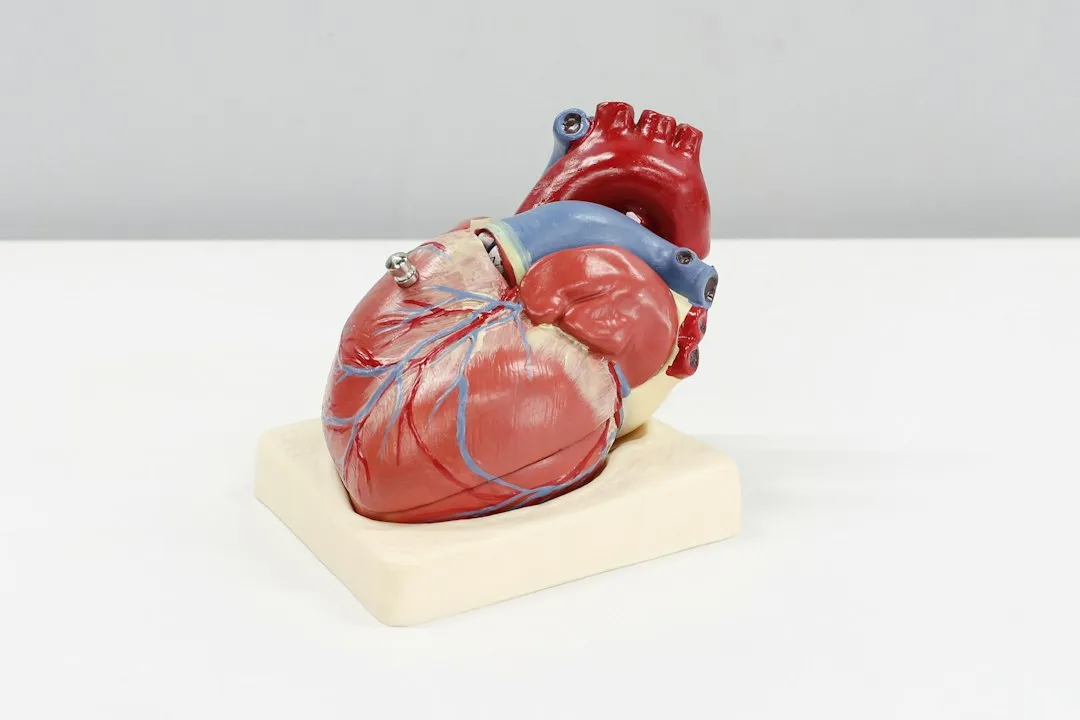
An irregular heartbeat can be a red flag for thyroid problems. Hyperthyroidism may cause a rapid or pounding heartbeat, while hypothyroidism can lead to a slow heart rate. The heart is particularly sensitive to shifts in thyroid hormone levels, and it tends to respond quickly when something is off.
Your thyroid helps regulate the amount of blood your heart pumps through your circulatory system, heart rate, and the strength and vigor of your heart’s contraction. Given how directly thyroid hormones influence cardiac function, palpitations or a noticeable shift in resting heart rate should never be written off without consideration.
Early signs may be as subtle as difficulty sleeping through the night, unexplained anxiety or irritability, or a slight tremor in your hands when holding a cup of coffee. Some of these early cardiovascular and neurological signals overlap, making them easy to attribute to caffeine, anxiety, or simply not sleeping well enough.
Sign 6: Brain Fog, Mood Shifts, and Cognitive Slowdown

Brain fog, forgetfulness or difficulty concentrating, and depression and anxiety are all recognized symptoms of hypothyroidism, according to Cleveland Clinic. These cognitive and emotional symptoms are among the most frequently misdiagnosed, since they overlap heavily with common mental health conditions.
Low thyroid hormone levels slow down the central nervous system and directly affect the brain’s supply of mood-regulating neurotransmitters, like serotonin. That mechanism helps explain why thyroid-related depression can look and feel almost identical to primary depression, and why treating the mood without checking the thyroid often produces incomplete results.
Research has linked thyroid disorders to an increased risk of dementia, particularly vascular dementia. A 2024 meta-analysis found that both overt and milder subclinical forms of hyperthyroidism are associated with Alzheimer’s risk. These findings make a compelling case for catching thyroid dysfunction early, rather than waiting for symptoms to worsen.
Around forty percent of hypothyroid patients develop clinically significant depression. That’s not a minor side note. It’s a strong argument for including thyroid testing as part of any thorough evaluation of persistent mood or cognitive changes.
Who Is Most at Risk?

Women are five to eight times more likely than men to have thyroid problems, and one woman in eight will develop a thyroid disorder during her lifetime. This disparity is significant, and it means women experiencing any combination of the signs above should feel especially justified in requesting a thyroid panel from their doctor.
An estimated fifteen percent of women over the age of sixty have subclinical hypothyroidism, a form of the condition where TSH levels are elevated but thyroid hormone levels appear normal. These cases can still cause real symptoms, yet they’re often missed precisely because standard markers don’t always flag them.
The cause of hypothyroidism in more than seventy percent of patients is Hashimoto’s thyroiditis, an autoimmune condition where the immune system gradually attacks thyroid tissue. Knowing this helps explain why thyroid disorders often develop slowly and why symptoms can build quietly for years before a diagnosis is reached.
Why Thyroid Disorders Go Undetected for So Long
Thyroid symptoms are diverse and non-specific, and they often mimic other conditions like stress and depression. This is the fundamental reason so many cases go undiagnosed. A symptom like fatigue or weight gain rarely sends someone straight to a thyroid test.
Around one in twenty people have a thyroid disorder, and a large share go years without a diagnosis because the symptoms are so easily attributed to something else. Life gets busy, symptoms get normalized, and the underlying cause stays hidden. That pattern repeats itself across millions of people.
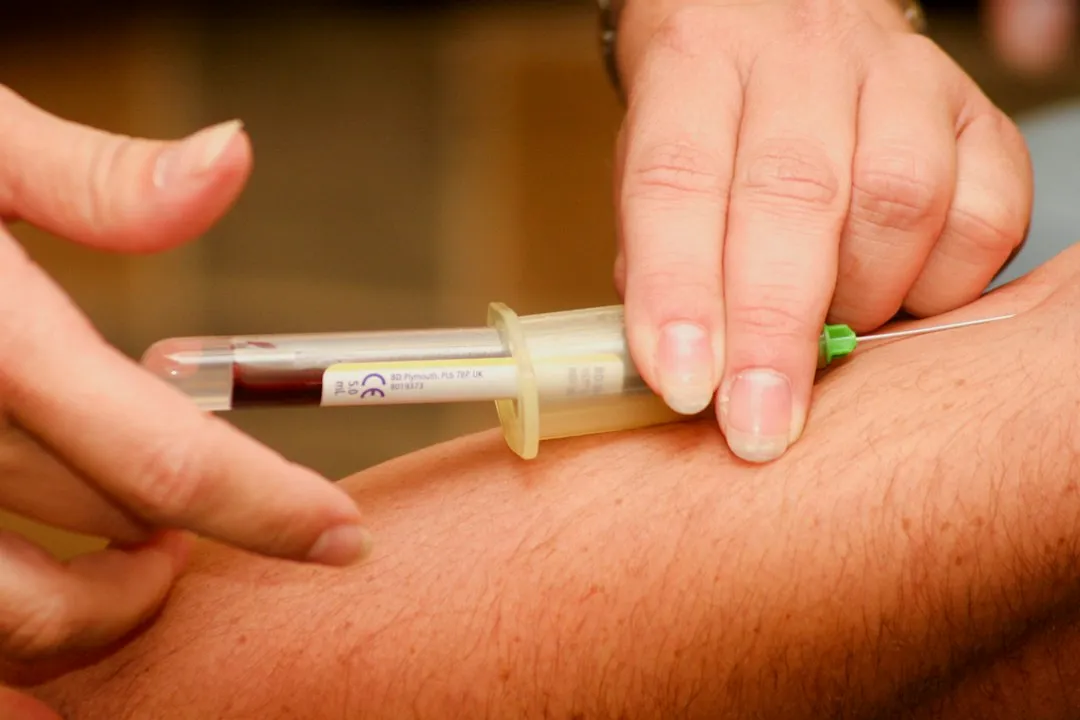
If you’re experiencing symptoms of thyroid disease, such as changes in your weight, heart rate, and temperature sensitivity, your healthcare provider can run a simple blood test to see if your thyroid is the cause. The barrier to finding out is low. The cost of not finding out can be considerable.
The Role of Autoimmune Conditions and Nutritional Factors

Observational studies have reported a higher incidence of thyroid dysfunction in selenium-deficient populations, and a negative correlation between selenium intake and incidence of Hashimoto’s thyroiditis and levels of anti-TPO antibodies, according to data presented at the 2024 European Thyroid Association meeting.
Observational studies also showed an inverse association between vitamin D concentration and TSH and anti-TPO antibody levels, with an increased prevalence of autoimmune thyroiditis in vitamin D-deficient patients. These are correlational findings, not prescriptions, but they point toward nutrition as one piece of a broader picture.
The risk of subclinical hypothyroidism progressing to overt hypothyroidism is estimated at two to six percent per year. That means early detection isn’t just useful for symptom relief. It also offers a window for monitoring and potential intervention before the condition advances further.
What a Thyroid Check Actually Involves
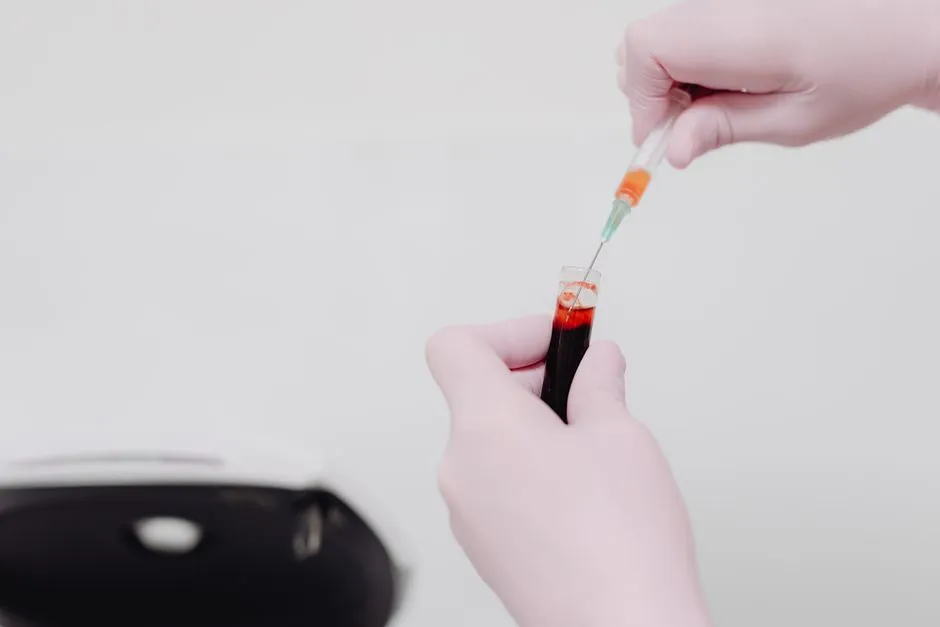
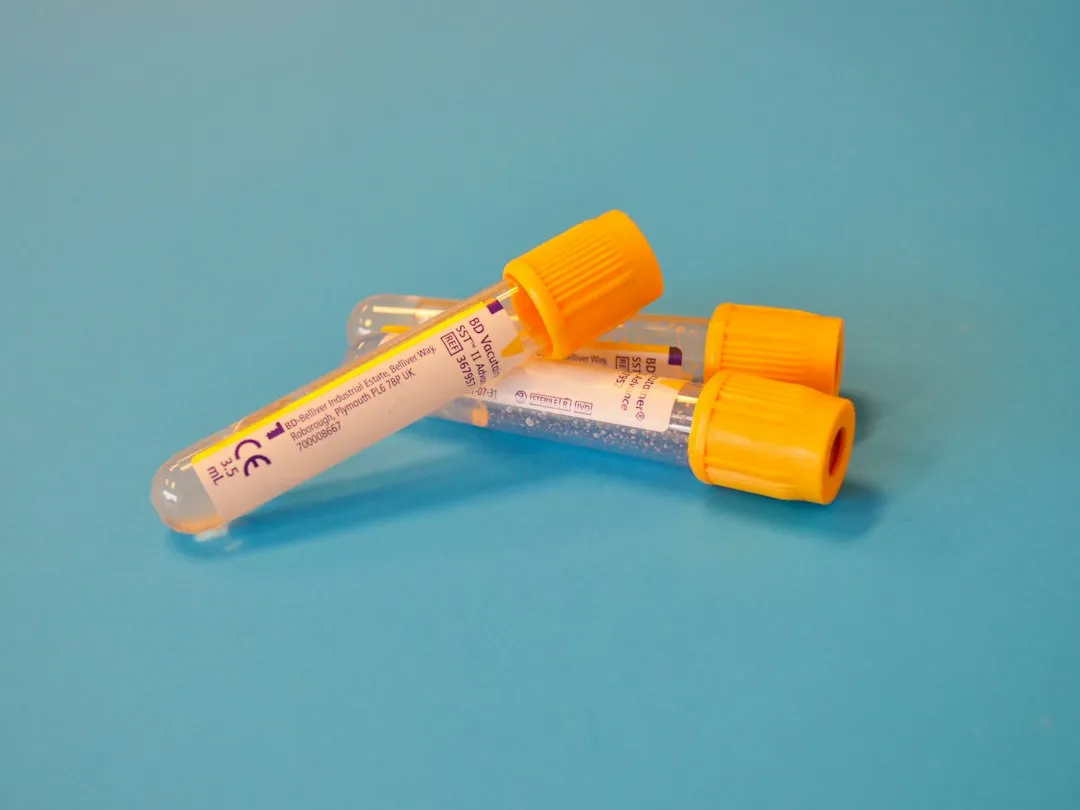
Most people assume a thyroid evaluation is complicated or invasive. It’s not. A standard blood test measuring TSH, and often free T3 and T4, gives clinicians a reliable snapshot of how the gland is functioning. Results typically come back within a day or two.
Thyroid dysfunction can alter hormone production and disrupt metabolism, heart health, and even brain function if left untreated. Given that breadth of impact, the test is a small investment for a potentially significant return in health clarity.
It’s also worth knowing that a normal TSH result doesn’t always mean symptoms can’t be thyroid-related, particularly in subclinical cases. If symptoms persist and standard markers come back normal, discussing further testing with a specialist is a reasonable next step.
The Takeaway
The thyroid is a small gland with an outsized influence on how the body feels from day to day. Although the thyroid gland is relatively small, it produces a hormone that influences every cell, tissue, and organ in the body. That reach is what makes its dysfunction so hard to pin down without specific testing.
The six signs covered here, including persistent fatigue, unexplained weight changes, hair and skin shifts, temperature sensitivity, heart rate changes, and cognitive or mood disruption, don’t confirm a thyroid problem on their own. But when several appear together, especially over a prolonged period, they form a pattern that deserves medical attention rather than continued guessing.
A simple blood test remains the most direct path to an answer. If you’ve been managing a collection of vague, overlapping symptoms without a clear diagnosis, asking your doctor to check your thyroid function is a low-effort step that could explain a great deal.
AI Disclaimer: This article was created with the assistance of AI tools and reviewed by a human editor.