
1. Visible Electronics and Valuables Left in Plain Sight

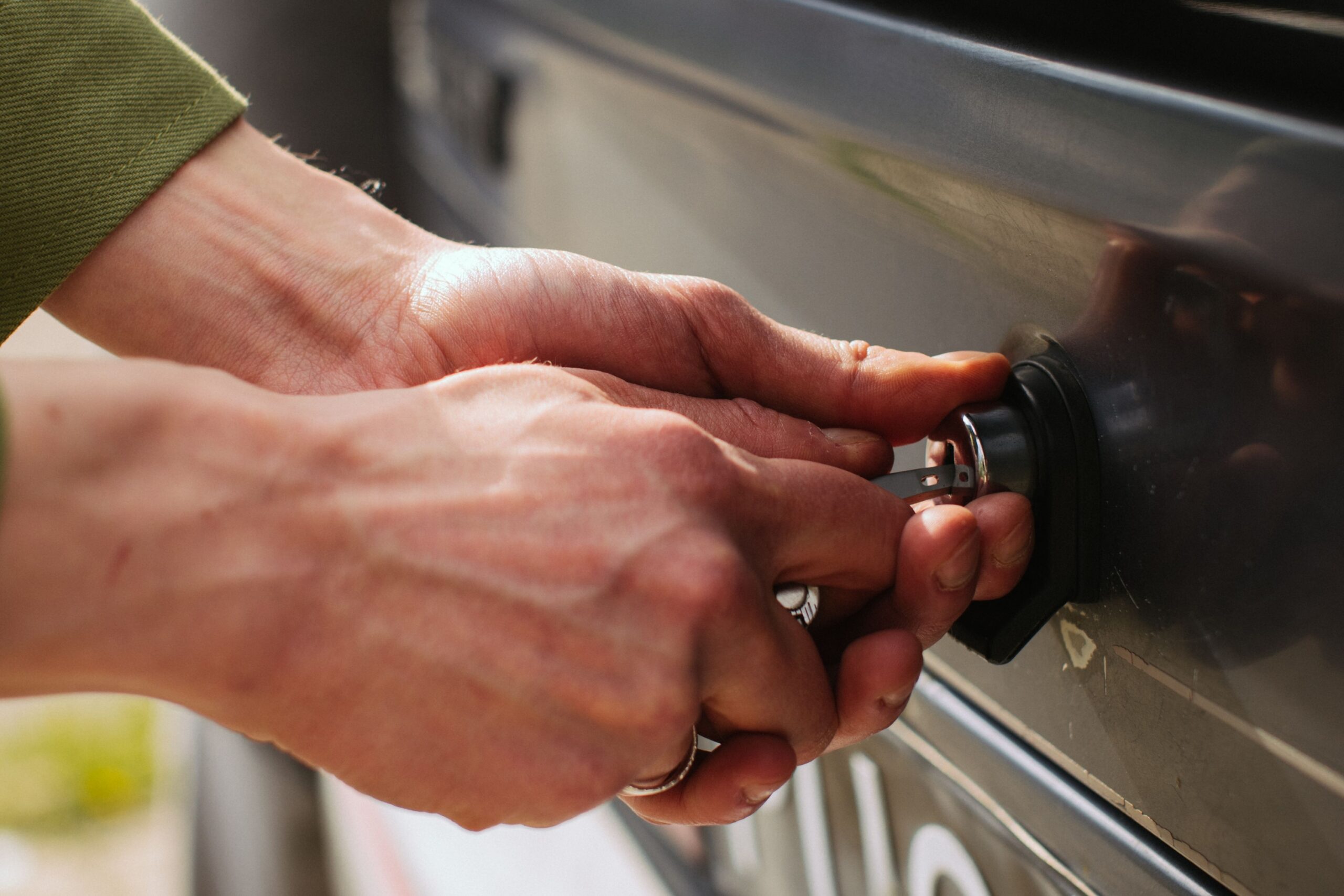
This is the most straightforward trigger for a smash-and-grab, and it remains the most common. One of the main reasons thieves target cars at trailheads is because they see valuables inside them. Laptops, wallets, purses, phones, cameras, and other expensive items are very tempting for thieves who are looking for a quick score. If they see something valuable in plain sight, they will not hesitate to smash your window or pop the lock and grab it.
A very large percentage of reports involve people who left valuable items visible through the windows. Even objects that seem minor can signal more. Thieves do not need to see a laptop to know one might be under a jacket. They see a charging cable and assume a phone, a power bank, or a tablet is inside.
Thieves often look for the easiest opportunity, like an unlocked door or items left in plain view. The takeaway is clear: if something is worth seeing, it’s worth stealing. Nothing should be left on a seat, floor, or dashboard.
2. Bags, Backpacks, and Jackets That Might Be Hiding Something

To a would-be thief, coats left innocently piled on the seat might look like they’re cloaking treasure. This applies equally to gym bags, shopping bags, and hiking packs. The problem isn’t what the bag actually contains – it’s what a thief imagines it might contain.
Remove obvious items: phone mounts, charging cables, spare change, sunglasses, and anything that could suggest a phone or wallet is nearby. Check the floor: gym bags, shopping bags, and children’s backpacks are frequent targets because they are easy to grab without opening the door completely.
The rule that applies here is simple. If you need to bring valuables with you, hide them in your trunk or out of sight before arriving at the trailhead. Don’t wait until you get there to stash them under the seat or in the glove compartment, as thieves may be watching you.
3. Electronics Detected by Bluetooth Scanning
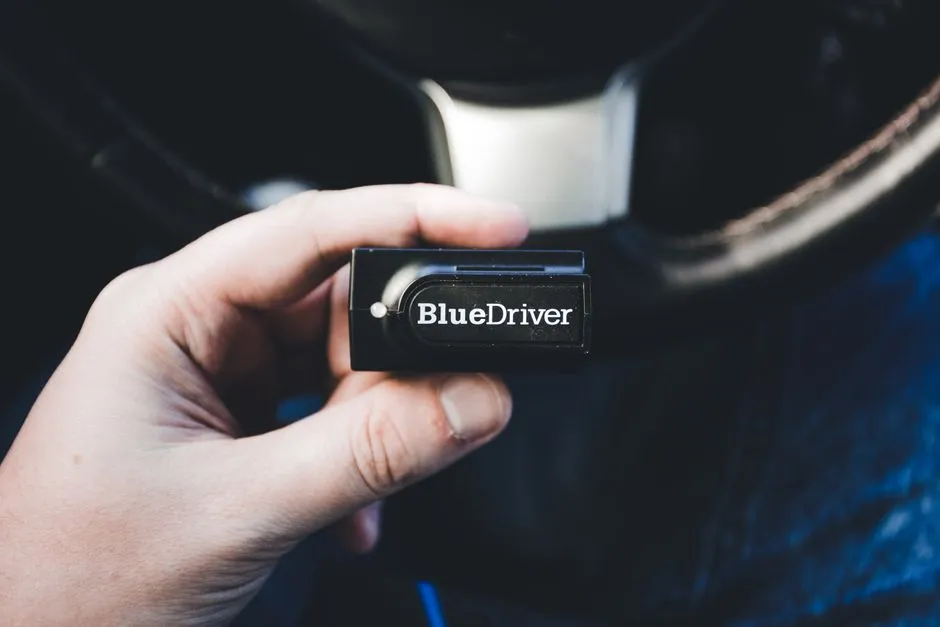
This one catches many hikers off guard. Thieves are using free Bluetooth-scanner apps to locate and identify high-value electronics in cars before breaking into them. The technique is more accessible than most people realize.
Thieves use specialized Bluetooth scanning devices typically used to locate lost gadgets to detect signal strength emitted by electronics. These devices can pick up signals from key fobs, smartphones, laptops, or Bluetooth-enabled devices inside cars and can even tell where these signals are coming from in the car.
Even when laptops are in sleep mode they continue to emit detectable signals. If you must leave behind any electronics, turn off their Bluetooth function before putting them in the trunk. Burglars can use a Bluetooth scanner to see what’s inside your vehicle and make off with your computer, tablet, or other gadget. This is one of the newer tactics, and it changes the risk calculus entirely.
4. Your Garage Door Opener
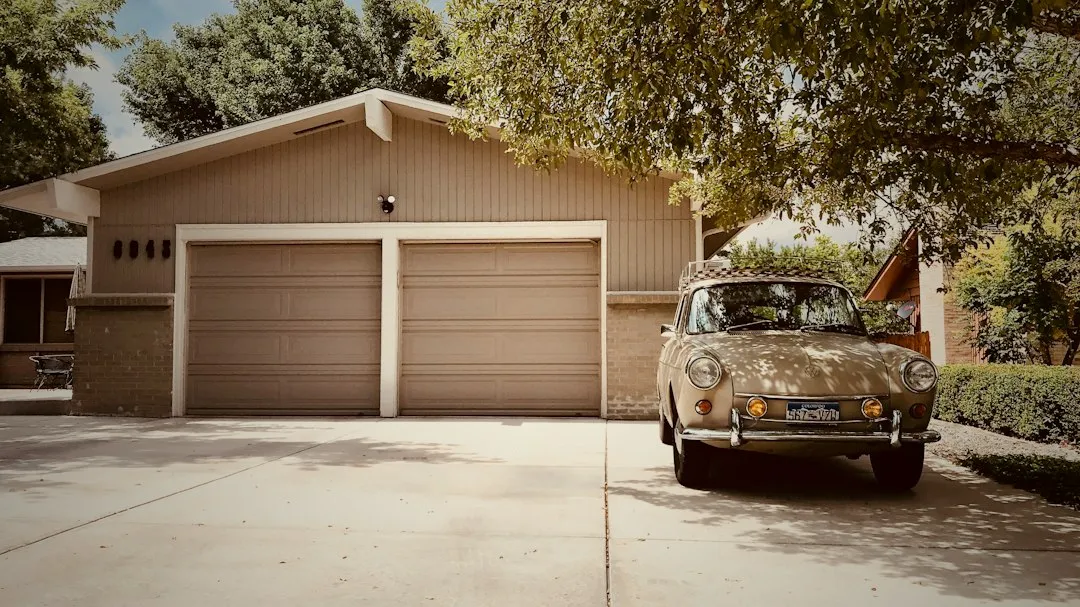
Most people don’t think twice about the garage door opener clipped to their sun visor. Thieves think about it a lot. Washington State Troopers told K5 news that thieves might be looking for more than just items in your car. They will look for a garage door opener and registration for an address to break into later.
More than gear is targeted in these thefts. Personal information like addresses and garage door openers are ideal objectives for thieves. The combination of a garage opener and a registration document is essentially a key to your home.
If you park outside, don’t leave your garage door opener in your car. It could tempt thieves to break into your car and give them easy access to your home. This extends the crime well beyond the parking lot, and it’s a risk most hikers haven’t considered.
5. Registration Documents and Personal Identifying Information

Your car registration sits in your glove box almost permanently, which is exactly why it’s a target. Combined with other paperwork, it gives a thief your home address in seconds. Thieves have made off with sunglasses, car registration, insurance, and work receipts.
Emptying your glove compartment and leaving it open can signal that you’ve cleaned out your car, and a would-be thief will be more likely to pass it by. Some security advisors suggest carrying your registration with you, though the practical reality is that you should at least remove other identifying paperwork before hiking.
Leaving personal documents behind at a remote parking area is especially risky because most trailheads do not have security cameras or guards. There’s no one watching the lot when you’re two miles up the trail, and that is exactly the window of time a thief needs to clean out your glove box.
6. Unlocked Doors and Hidden Spare Keys
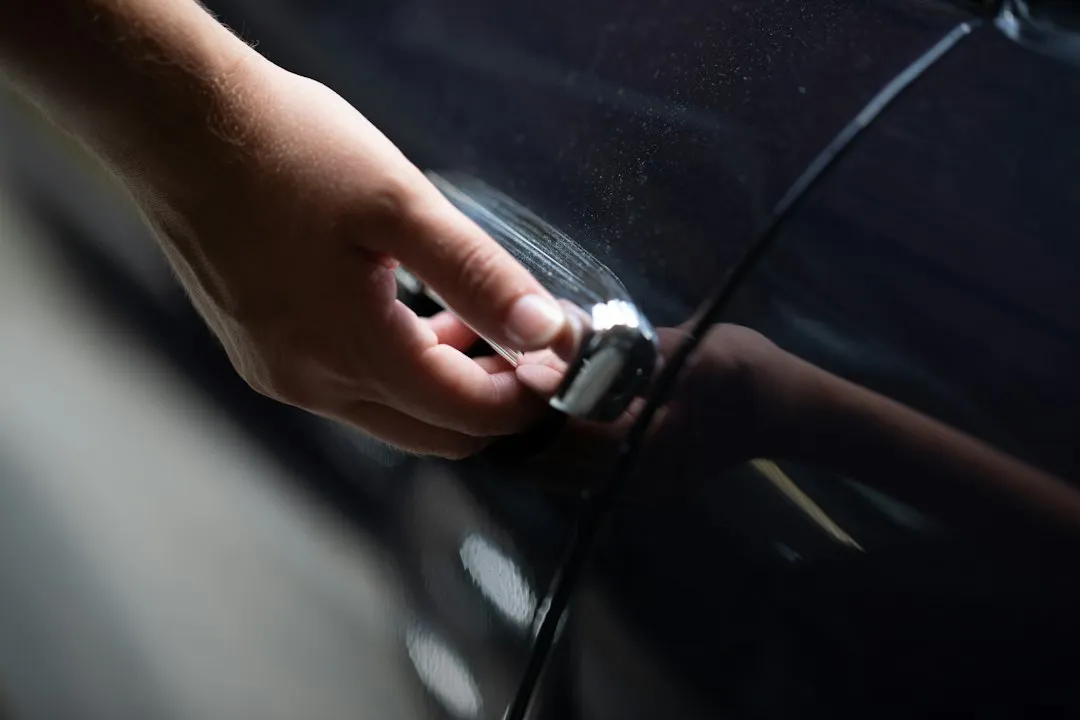
Many times thieves will simply look for unlocked cars and avoid smashing windows, but other times they’ll bust windows out with no hesitation. An unlocked door is a gift: no noise, no broken glass, no evidence until you return.
Another common mistake is leaving your key in the gas cap or wheel well. This is a very risky practice, as thieves know exactly where to look for keys. If they find your key, they can easily unlock your car and take everything inside.
Some hikers leave cars unlocked intentionally to avoid a smashed window, but that logic has a flaw. Ignore advice to leave the car unlocked to prevent a broken window. You’re more likely to lose your stereo or the entire car.
7. Signs That You’ll Be Gone for a Long Time
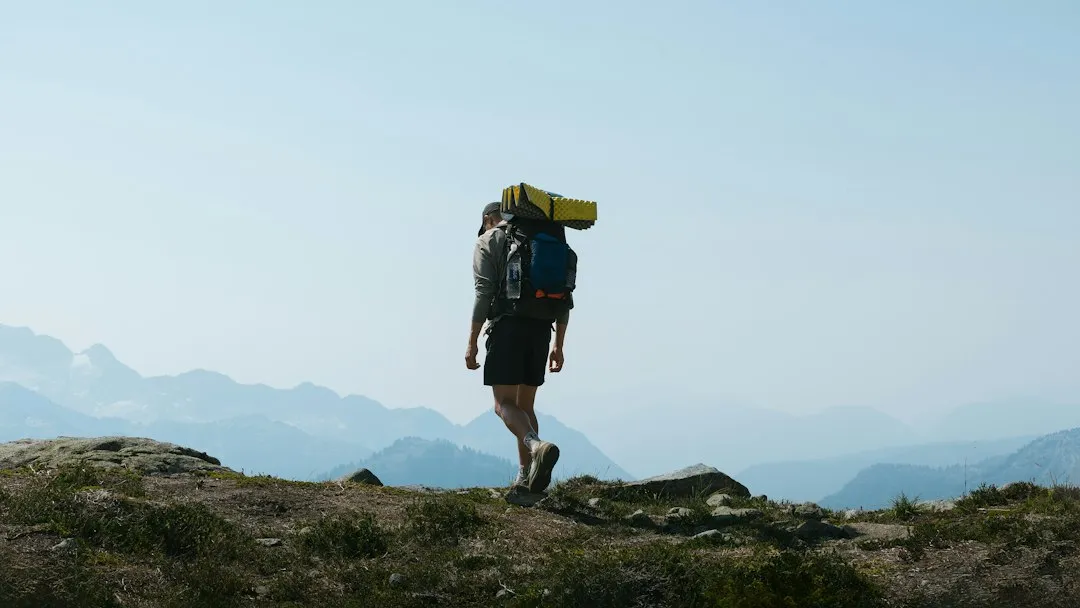
Thieves are patient observers. They may ask you how long you plan to be gone, what trail you are taking, where you are from, or other seemingly harmless questions. While they do this, they may be looking for clues about what’s in your car or where you have hidden your key.
A permit itinerary left on the dashboard, a trailhead sign-in sheet, or even a visible trail map can tell a thief that you won’t be back for hours. Trailhead thieves also rely on a simple psychological trick: hikers are focused on preparation. You are thinking about water, snacks, weather, and whether you remembered the map. The last thing on your mind is what your back seat looks like through the rear window.
That distraction is what criminals count on. A multi-day backpacking trip, for example, gives thieves a wide, uninterrupted window of time that they can and do exploit.
8. Gear That Can Be Quickly Resold

Hiking and outdoor gear has a robust secondhand market, and thieves are aware of it. Trailhead thieves aren’t looking to steal cars, they’re looking for credit cards and electronic equipment they can quickly sell for cash. Quality cameras, GPS devices, and camping equipment fall into the same category.
A bait car in one federal sting was loaded with a cell phone, GPS device, satellite phone, digital camera, and camping gear and equipment – and it worked precisely because these are exactly the items thieves expect to find at a trailhead. The outdoor gear market makes resale easy and fast.
Firearms, electronics, and easily resellable goods should never be left behind. Anything with a brand name and a functioning battery is worth something to someone willing to move it quickly through a secondhand marketplace.
9. Credit and Debit Cards
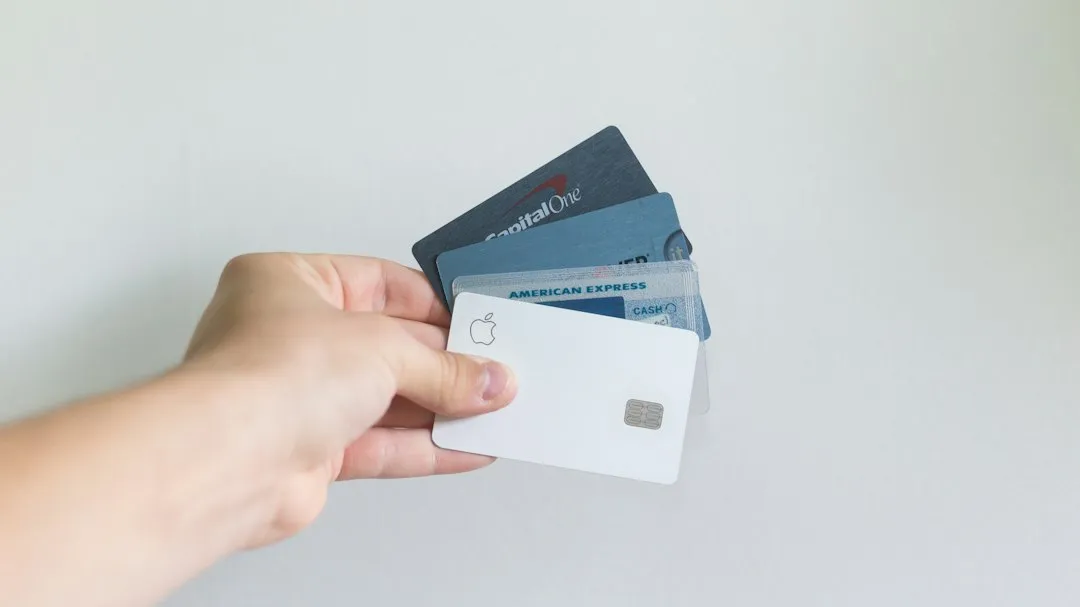
Thieves often target credit and debit cards since they’re easy to use quickly. A stolen card can be run at a gas station or convenience store within minutes of a break-in, long before most victims even return to the parking lot. The window between the crime and a victim’s awareness is a thief’s most valuable asset.
As much as $7,000 was charged on a single stolen card lifted from a Poo Poo Point trailhead, according to a report from KOMO News and the King County Sheriff’s Office. That figure illustrates just how quickly the damage can escalate from a single opportunistic grab.
Taking cards with you on the trail is the obvious fix. A small, lightweight wallet worn on your body costs almost nothing and removes the risk entirely.
10. The Overall Pattern of the Parking Lot

Trailhead break-ins doubled in a single year in Western Washington. Thieves who work these areas repeatedly tend to know the busiest lots, the longest trails, and the times when cars sit longest. They aren’t always random actors – some are repeat offenders who know the terrain as well as the hikers do.
A repeat offender prosecuted in federal court in Western Washington was tied to prowls at four-dozen-plus vehicles across at least seven different trailheads. In a single April-to-April window, Whatcom County logged 92 reported incidents at trailheads – about 24% of the county’s total reported car prowls for that period.
It’s not easy to find reliable statistics about trailhead break-ins. Trails fall within a constellation of jurisdictions, so there is no central source for information. Still, the pattern is consistent across states: remote lots, long hikes, and inattentive hikers create a reliable opportunity that organized thieves know how to exploit.
The Practical Takeaway
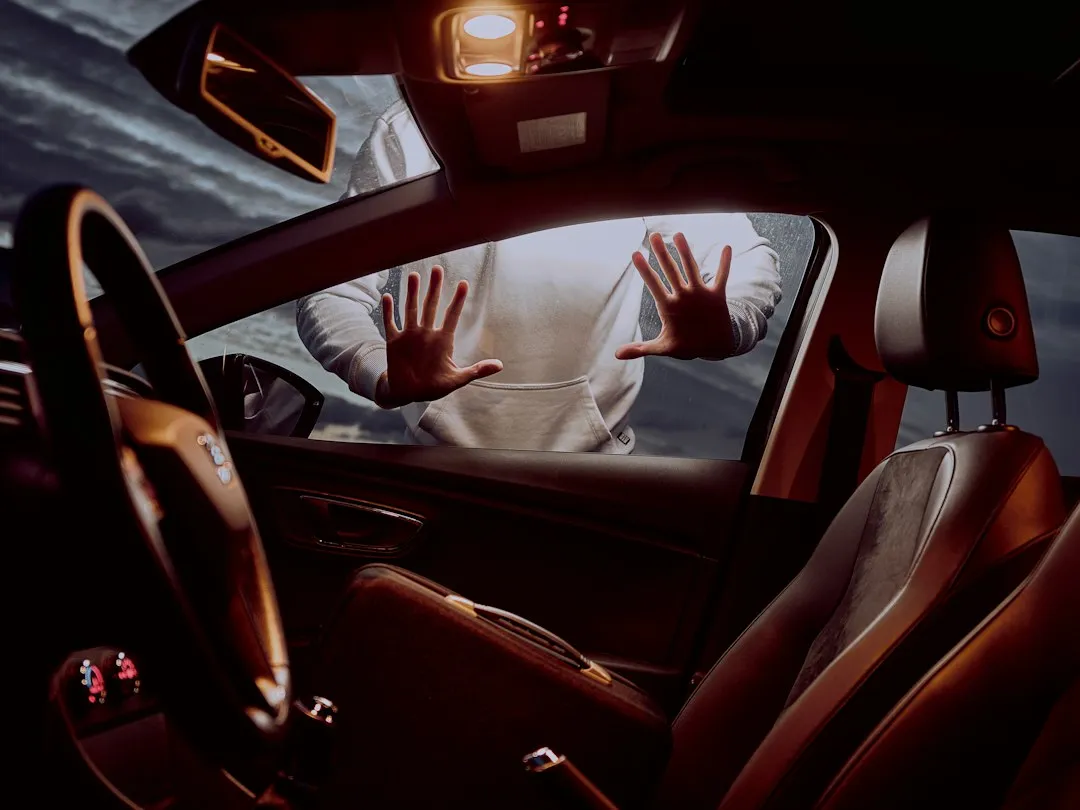
The picture that emerges from all of this is less about sophisticated criminal masterminds and more about simple opportunity. Deputies have seen an increase in calls involving trespass into parked cars and theft of items at recreation sites. Each spring, as trail use increases, the Sheriff’s Office typically sees a rise in these crimes of opportunity at popular locations.
The most effective defenses are the boring ones: take valuables with you, clean out your car before you arrive, disable Bluetooth on any devices you must leave behind, and remove your garage opener. The traditional recommendations still apply: lock your vehicle, and keep valuables out of sight.
A trailhead should be the start of something good, not the beginning of a frustrating afternoon on the phone with your bank. The gap between a car that gets hit and one that doesn’t is often just a few minutes of preparation before you ever put on your pack.
AI Disclaimer: This article was created with the assistance of AI tools and reviewed by a human editor.