
They Simply Don’t Dissolve
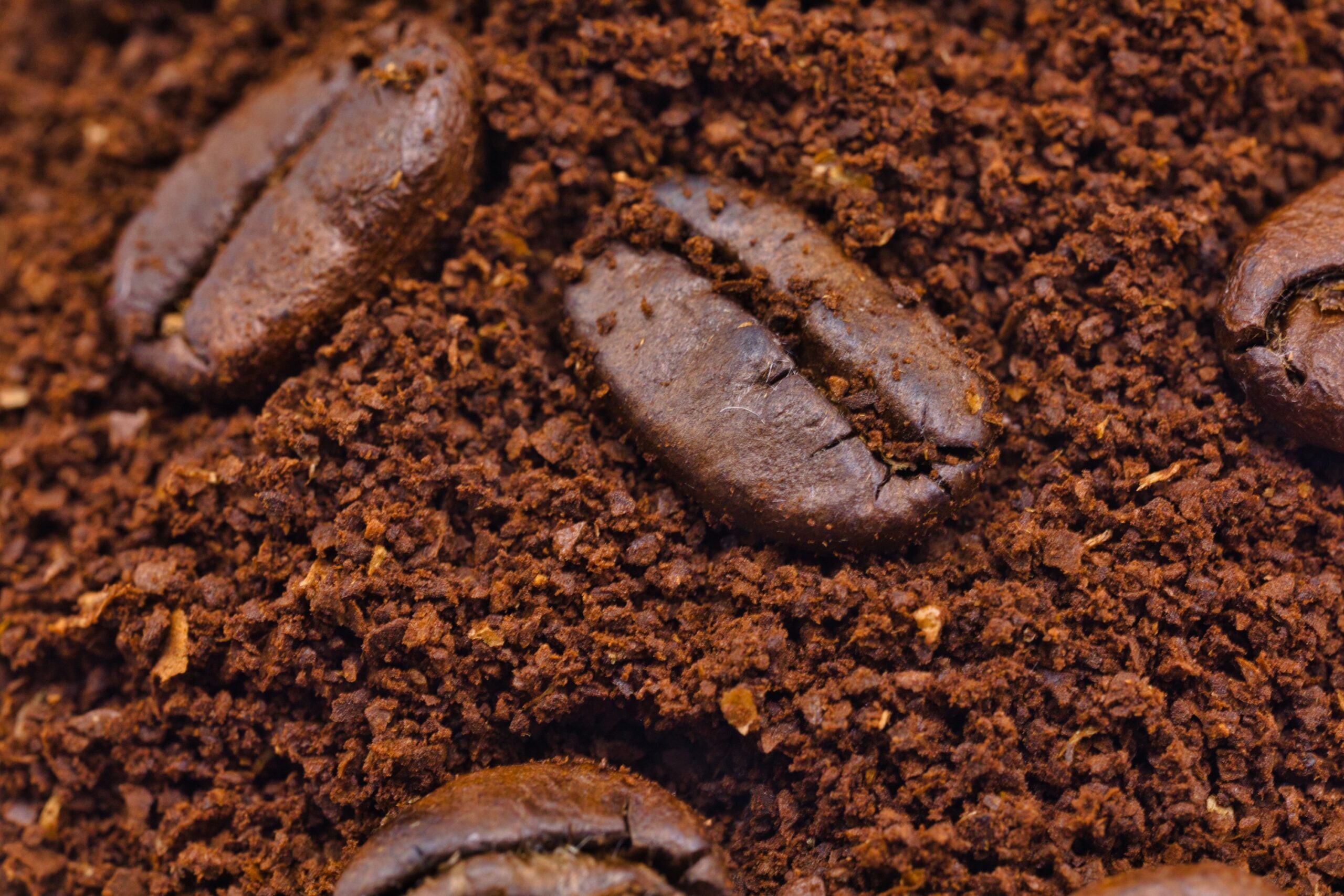
The core problem is straightforward: coffee grounds do not dissolve in water. Instead, they clump together, absorb water and grease, and form a dense, sludgy mass inside your pipes.
Even after being brewed, coffee grounds are still hard, fibrous, and gritty particles. They are not water-soluble. Unlike sugar or salt, they will never dissolve, no matter how much hot water you run.
Coffee grounds do not dissolve easily in water, vinegar, hot water, or any common household liquid. That rules out the most obvious DIY fix right from the start.
The P-Trap Problem
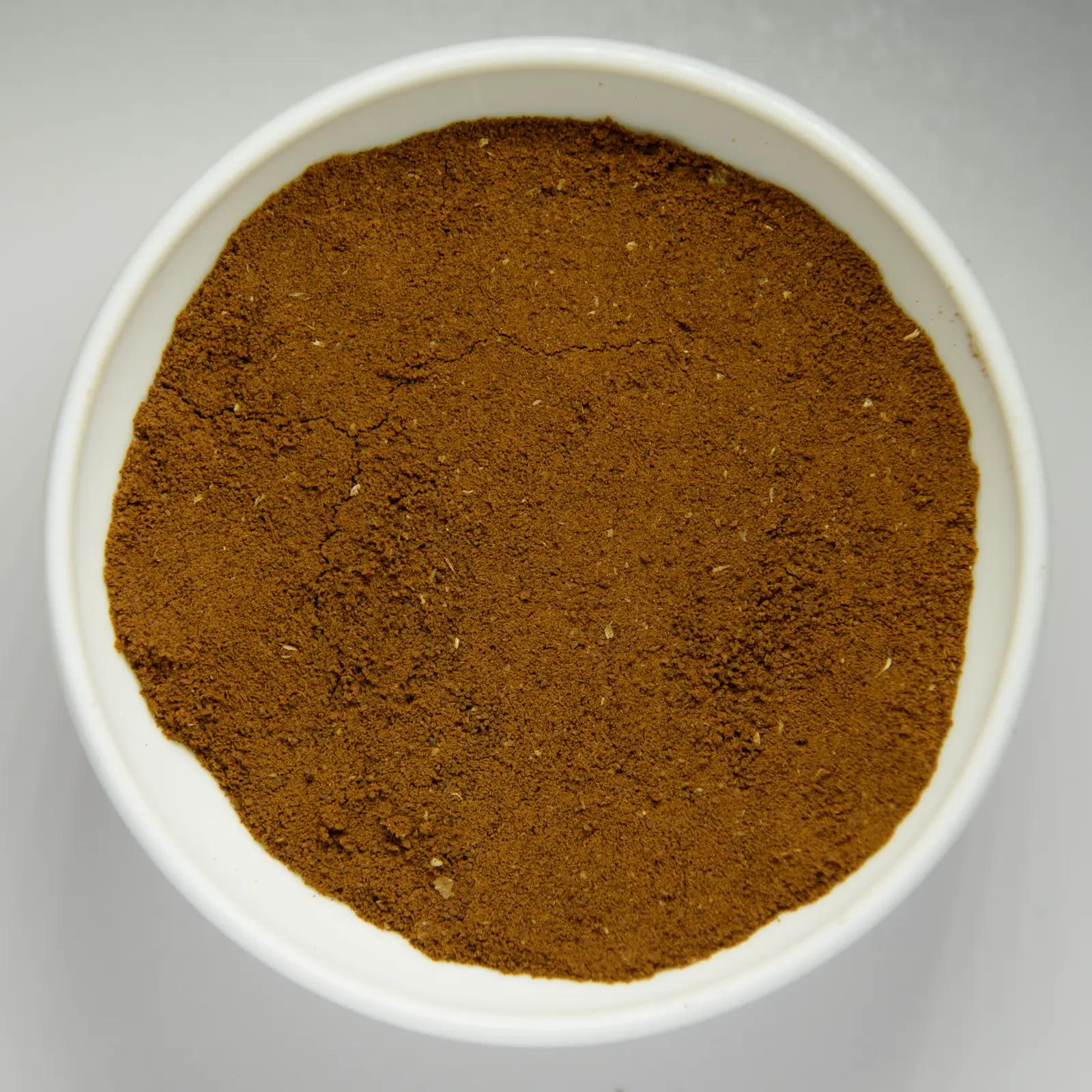
The problem is that coffee grounds don’t dissolve in water and can clump together and build up in your pipes, leading to blockages. Unlike other food items that don’t clump the same way, coffee grounds tend to accumulate at the low points or bends of a drain system, such as P-traps.
Unlike other food items, coffee grounds tend to accumulate in the low points or bends of a drain system, such as P-traps. Coffee grounds are generally more dense than water, so they sink into these low points and stay there.
The P-trap is the curved section of pipe directly beneath your sink. It’s designed to hold water and block sewer gases, not to trap sediment. Once grounds settle there, they rarely move on their own.
How They Team Up with Grease
Coffee grounds act like fine sand: they don’t dissolve in water but settle in the low spots of your plumbing. They’re also hydrophobic, repelling water, yet absorbing oils and fats that go down your sink. When those combine, the result is a thick, paste-like sludge that coats your pipes and builds up over time.
Coffee grounds are particularly problematic because they tend to combine with other common culprits including grease, oil, fat, and soap scum, creating a thick, glue-like substance.
Coffee grounds and animal fat make for a particularly severe clog. A clog which is deep down your drain line can be very labor-intensive and costly to clear.
The Buildup Is Cumulative, Not Sudden
While a tiny amount might not cause an immediate backup, the problem is cumulative. Each time you rinse grounds down the sink, you’re contributing to a future blockage.
Unlike other food scraps that break down when mixed with water, coffee grounds clump together. Instead of dispersing, they form a dense and sludgy mass that blocks and clogs your kitchen sink. If this habit continues every single morning brew, they will eventually adhere to the interior of your drainpipes rather than being washed away. This material accumulates over time, obstructing water flow and potentially resulting in complete blockages.
Clogs Can Form Faster Than You’d Expect
Water flow in pipes relies on smooth surfaces. Coffee grounds increase friction and turbulence, leading to sediment buildup. Plumbers report clogs forming in as little as a few months with regular dumping, especially in older homes with narrower pipes.
This blockage starts as slow drainage, then becomes a complete clog if the buildup continues. The problem is worse if you have older pipes, narrow drain lines, or any existing buildup.
If your sink has been draining a little slower lately, grounds could already be the culprit, quietly accumulating well before any obvious backup occurs.
A Garbage Disposal Doesn’t Save You
Plumbers do not recommend putting coffee grounds down a garbage disposal either. A disposal doesn’t make coffee grounds disappear, it just grinds them into even smaller particles, which still settle and stick inside your pipes.
There isn’t anything for a disposal to “grind down” with coffee grounds, and the small particles will get trapped in the mechanical parts.
Coffee grounds can be sticky and cling to the sides of your pipes, causing buildup that can eventually clog the drain. This can be especially problematic if you have a garbage disposal, as the grounds can get caught in the blades and cause damage.
The “Odor-Fighting” Myth Is Just That
The idea that coffee grounds, whether damp or dried, can help clean a drain and remove odors is a myth. It’s easy to understand why people might think it’s true: the small grounds seem harmless, and they might seem to have some scrubbing action.
The idea that coffee grounds are good for your pipes is a myth. Contrary to what some may say, they do not help in grinding food waste or cleaning pipes but pose a significant risk of clogging and damage.
The pleasant smell of fresh grounds doesn’t translate into any actual drain-cleaning benefit. If anything, grounds that sit trapped in a P-trap will eventually contribute to odor rather than eliminate it.
Running Extra Water Isn’t Enough of a Fix
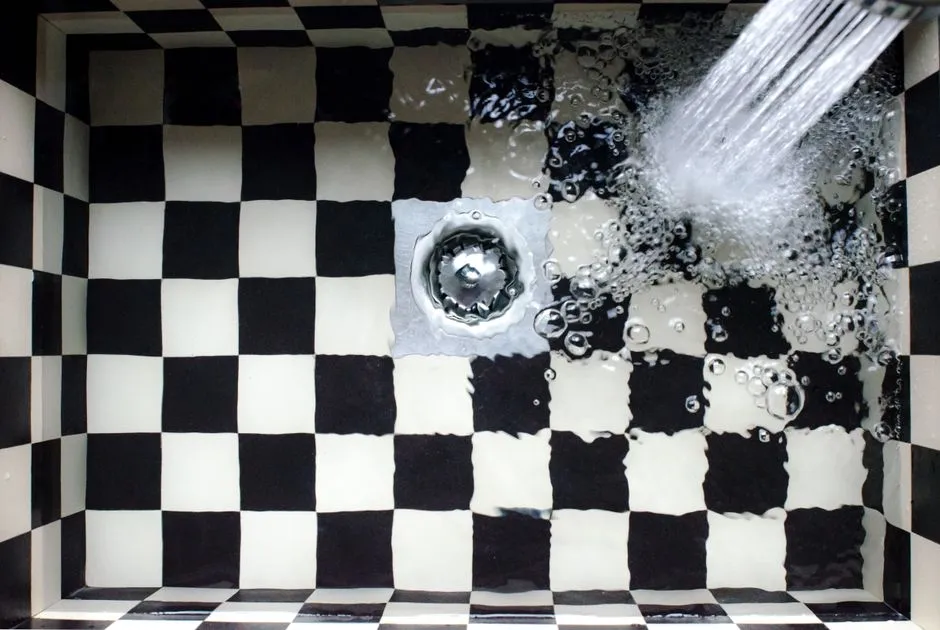
Some plumbers say coffee grounds down the drain are acceptable if you run enough water to flush them completely out of the plumbing system. It takes a lot of water in most houses to rinse them that far.
If you put them down the sink, you might want to set aside money every time, so you have funds to pay the plumber to clear the drains when the time comes. Unless you’re using a lot of water to rinse them down, in which case you’re wasting water.
Either way, it’s not a sustainable habit. You’re either accepting a future clog or wasting water to postpone one.
The Environmental Angle
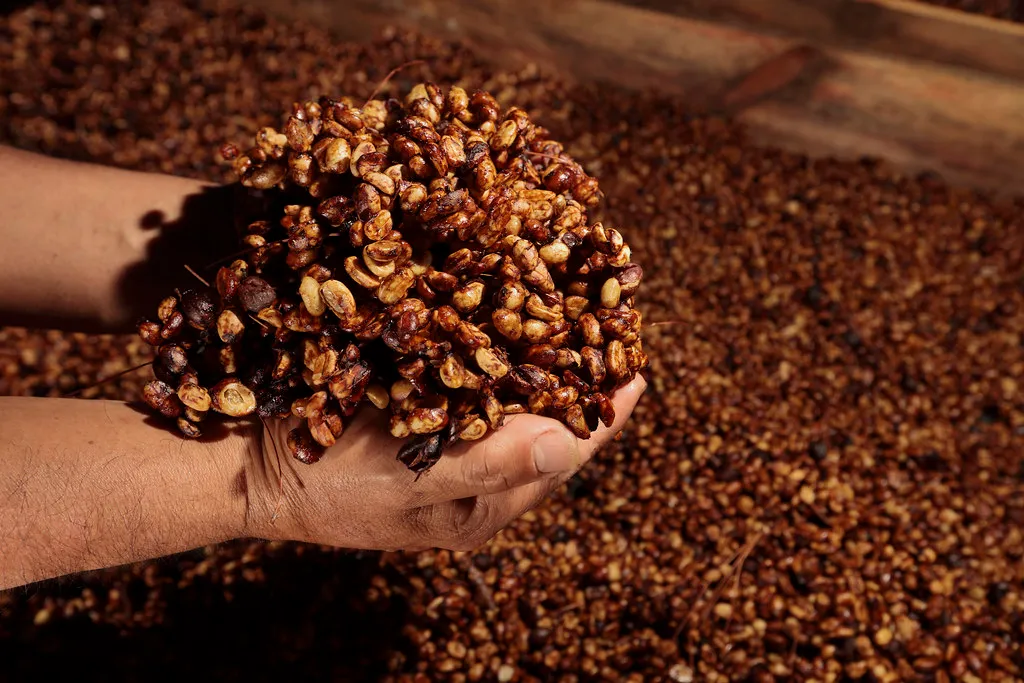
There’s also an environmental concern. Liquids from brewed coffee, including caffeine and organic compounds, can make their way through wastewater systems and, if not fully removed by treatment plants, reach waterways. In some cases, these compounds have been detected in rivers and lakes and may stress aquatic life.
An estimated 400 billion to 1 trillion cups of coffee are consumed worldwide each year. That’s a lot of grounds that might otherwise end up in the waste stream. Redirecting them to better uses is both practical and responsible.
What to Do with Grounds Instead

Spent coffee grounds are rich in three essential nutrients for plant growth: nitrogen, phosphorus, and potassium. They also contain a range of other nutrients that help produce healthy foliage, root systems, and flowers in plants.
According to soil scientist Linda Brewer of the Oregon State University Extension Service, coffee grounds can be valuable for gardens and compost piles if used in moderation. Used coffee grounds contain bioactive compounds that may help fertilize garden soil, accelerate composting, and repel insects such as ants and mosquitoes.
The best ways to dispose of coffee grounds are to compost them, add them to a food waste bin, or throw them in the trash. All three options take seconds longer than rinsing them down the drain, and none of them come with a plumbing bill attached.
The Takeaway
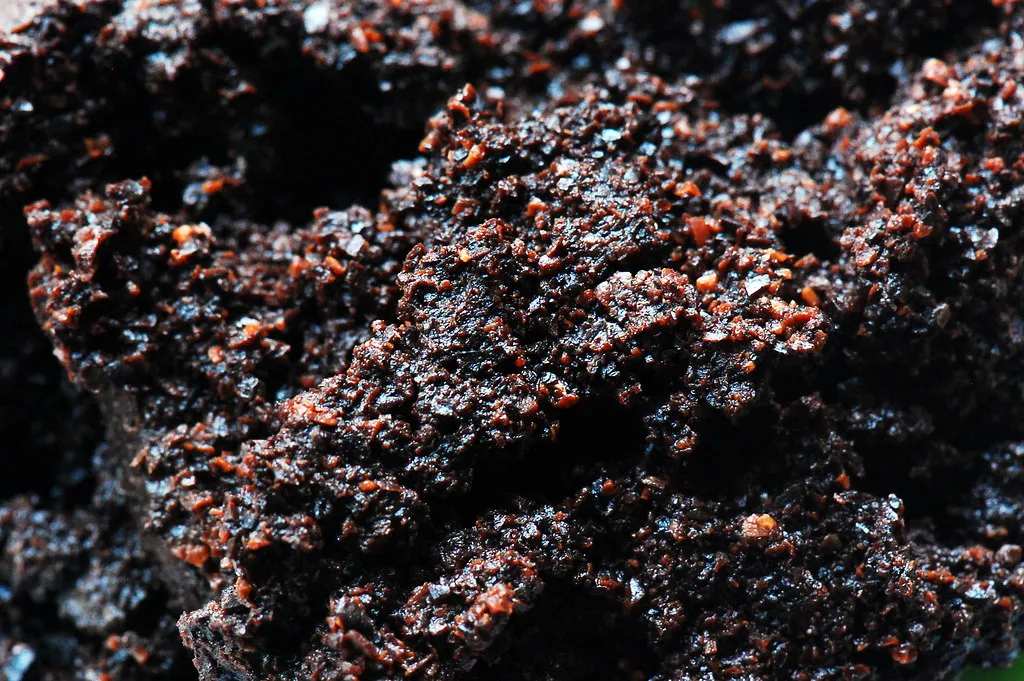
Coffee grounds are one of those kitchen habits that feel completely harmless right up until they aren’t. The damage is invisible and gradual, which is exactly why plumbers see it so often.
Coffee lovers can fall into the habit of pouring coffee grounds down the drain, but this can seriously damage pipes. Throwing grounds into the compost or trash is the recommended alternative. Coffee grounds can accumulate in pipes, causing clogs and expensive future repairs.
The fix is genuinely simple: keep a small container next to the coffee maker and toss the grounds into it each morning. What goes into your compost or garden bed instead of your drain could save you a real headache, and a real bill, down the line.
AI Disclaimer: This article was created with the assistance of AI tools and reviewed by a human editor.