
1. Smoked Paprika and Garlic Powder
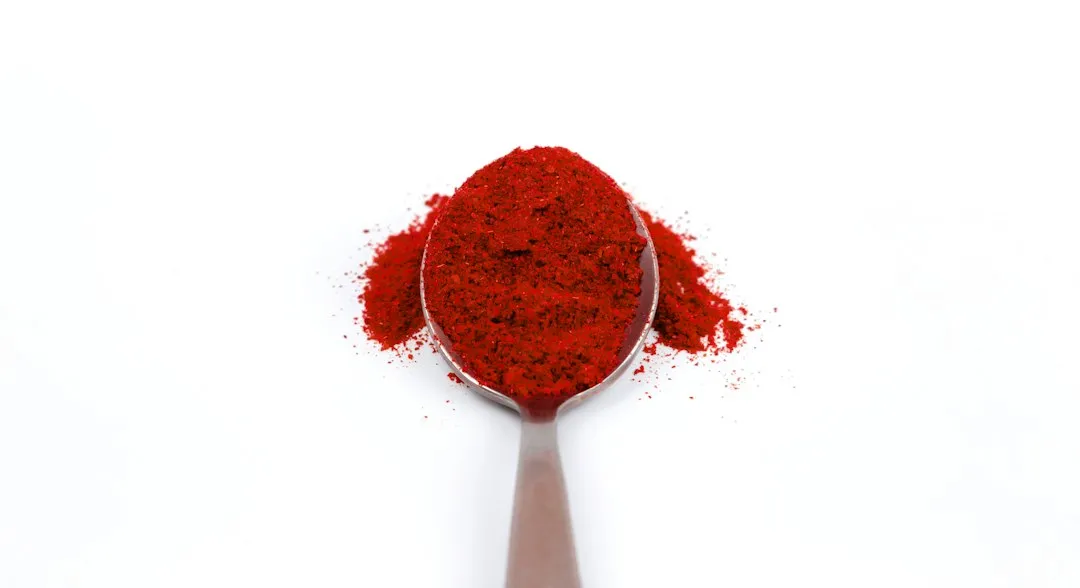
This duo might be the most reliable upgrade you can make. Smoked paprika and garlic powder are one of the most adaptable spice pairings available, with smoked paprika adding a layer of rich, smoky flavor that makes any dish visually striking and deeply savory.
Cumin’s warm, nutty compounds bind with the smoky guaiacol in paprika and smooth the smoke into something rich and rounded rather than sharp, and the same logic applies when garlic powder is in the mix. Garlic powder delivers a consistent, umami-rich base that supports smoked paprika without overwhelming it.
Roasted pumpkin seeds seasoned with olive oil, smoked paprika, garlic, and cayenne are a proven combination that shows up across kitchens for good reason. The smokiness clings to the seed shell beautifully, and the garlic rounds it out without any harshness.
2. Cinnamon and Maple Syrup
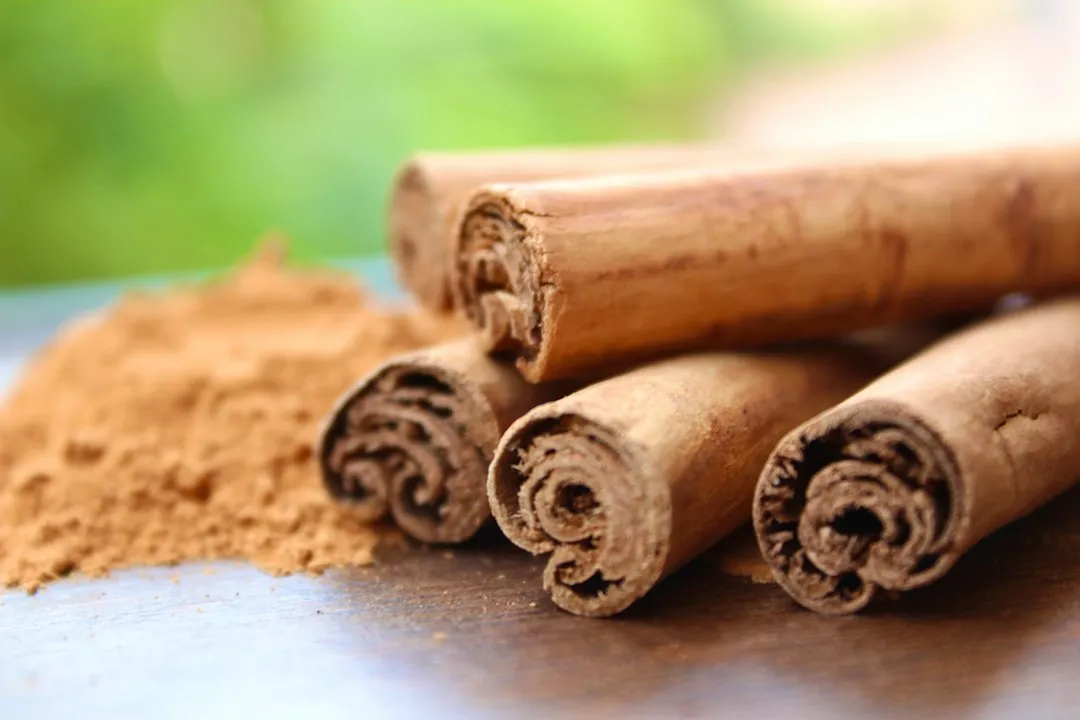
For a sweet version, ground cinnamon or pumpkin spice along with a tablespoon of maple syrup transforms pumpkin seeds into something that feels more like a light snack than a health food obligation. The natural sweetness balances the earthy nuttiness of the seed in a way that plain sugar simply cannot match.
The honey cinnamon flavor provides about 18 grams of heart-healthy fat per serving, which is great for feeling satisfied and keeping heart health in check. Cinnamon itself brings warmth and a gentle spice that enhances rather than masks the seed’s natural flavor. One thing to watch: the sweetener will darken quickly in the oven, so remove the pan after about 15 minutes.
3. Cumin and Coriander
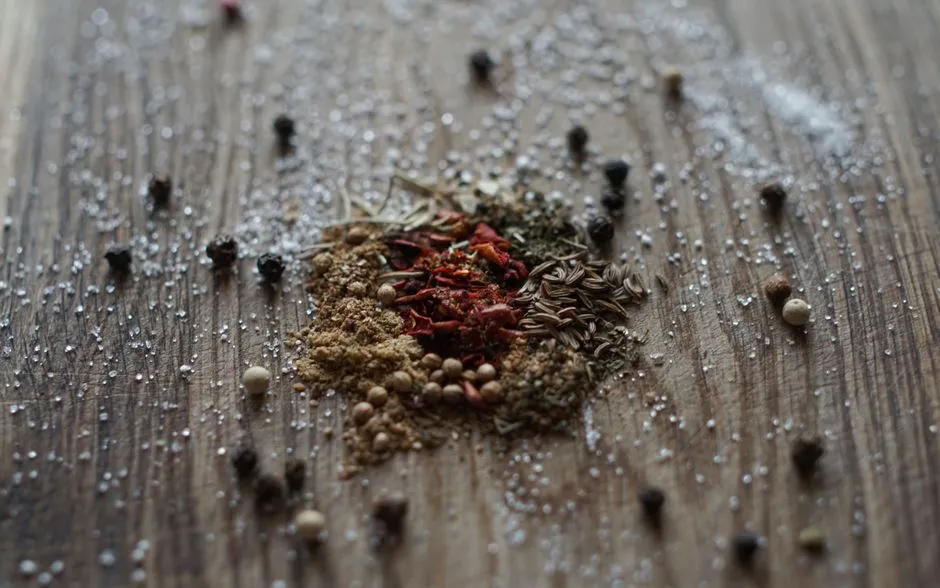
Cumin and coriander make for complex and perfectly balanced flavors without a lot of effort. Cumin adds a base of earthy and nutty flavors, while coriander brightens things up with subtle citrus notes. Together, they create a seasoning that feels layered and interesting rather than one-dimensional.
This combination works particularly well on pumpkin seeds because the seeds already have a natural earthiness that cumin enhances rather than competes with. Cumin is a well-established savory spice for roasted pumpkin seeds, popular across a range of culinary traditions from Mexican to South Asian cooking. A small drizzle of olive oil helps the blend stick evenly to every seed.
4. Cayenne Pepper and Lime Zest
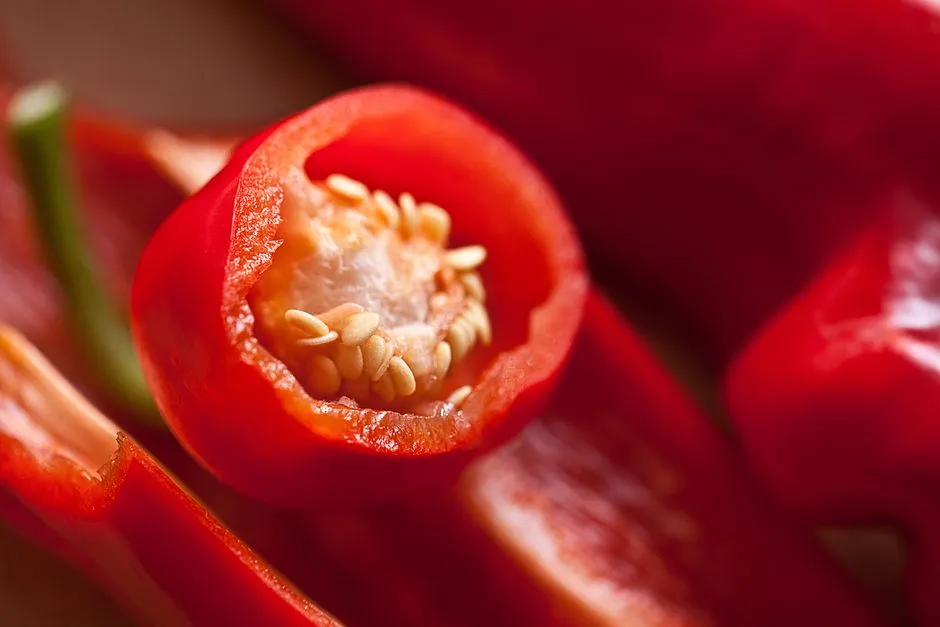
Heat and acid are a classic snack pairing, and pumpkin seeds respond to it exceptionally well. If you prefer a milder result, simply omit the cayenne and you’ll still get well-seasoned seeds, but if you enjoy spicy foods, you can double the cayenne for real kick. Adding fresh lime zest right after the seeds come out of the oven gives a bright, citrusy lift that balances the heat.
Plain roasted pumpkin seeds with savory spices like smoked paprika, garlic, or chile-lime are fully compliant with low carb and slow carb dietary plans, making this an especially versatile choice. The chile-lime combination is also a staple in Mexican snack culture, where pepitas have been used for centuries.
5. Curry Powder
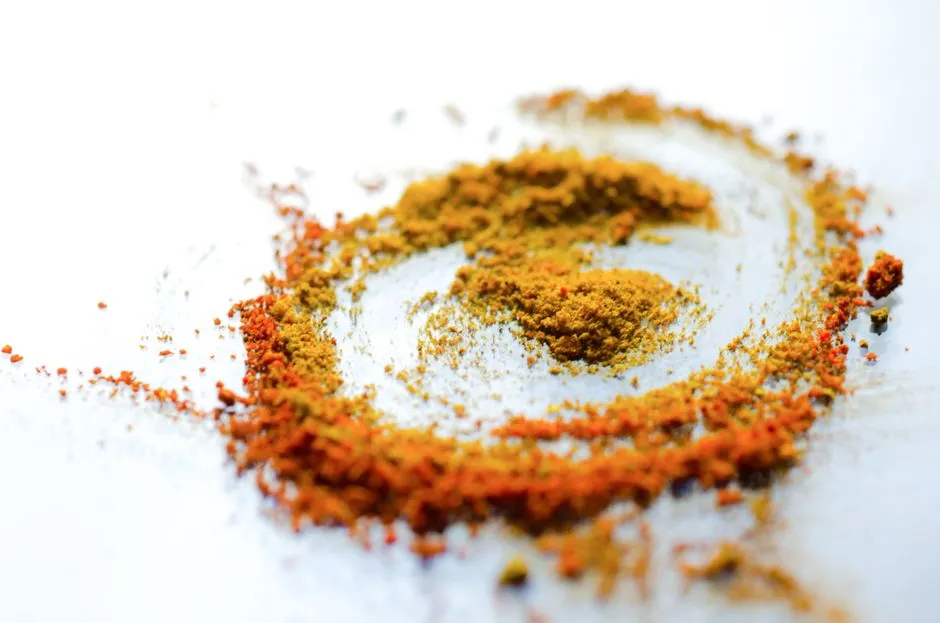
Curry powder on pumpkin seeds sounds unconventional until you try it. The blend of turmeric, cumin, coriander, and warming spices in a good curry powder creates a complex, golden coating that makes the seeds feel genuinely exciting. For a savory or spicy flavor, curry powder is among the best choices alongside chili powder and cumin.
Curry powder is listed alongside garlic powder and smoked paprika as one of the go-to seasoning choices for roasted pumpkin seeds by experienced home cooks. It pairs well with a neutral oil like avocado oil, which lets the spices speak for themselves. The turmeric component also adds a natural anti-inflammatory compound to what is already a nutritionally solid snack.
6. Everything Bagel Seasoning

Everything bagel seasoning has moved well beyond bagels at this point. The blend typically includes sesame seeds, dried garlic, dried onion, poppy seeds, and a touch of salt, and it layers a savory, toasted complexity onto pumpkin seeds that plain salt could never achieve on its own. Two trays of everything bagel seasoned pumpkin seeds in the oven at once is a real thing people do, which tells you how popular this combination has become.
One of the best things about roasting pumpkin seeds is that you can customize them to your liking, making them sweet, savory, or both, with warm spices, a fiery kick, or even a citrusy tang. Everything bagel seasoning covers the savory end of that spectrum completely. It also sticks well when a small amount of olive oil or melted butter is used as a base.
7. Worcestershire Sauce, Garlic, and Chili Powder
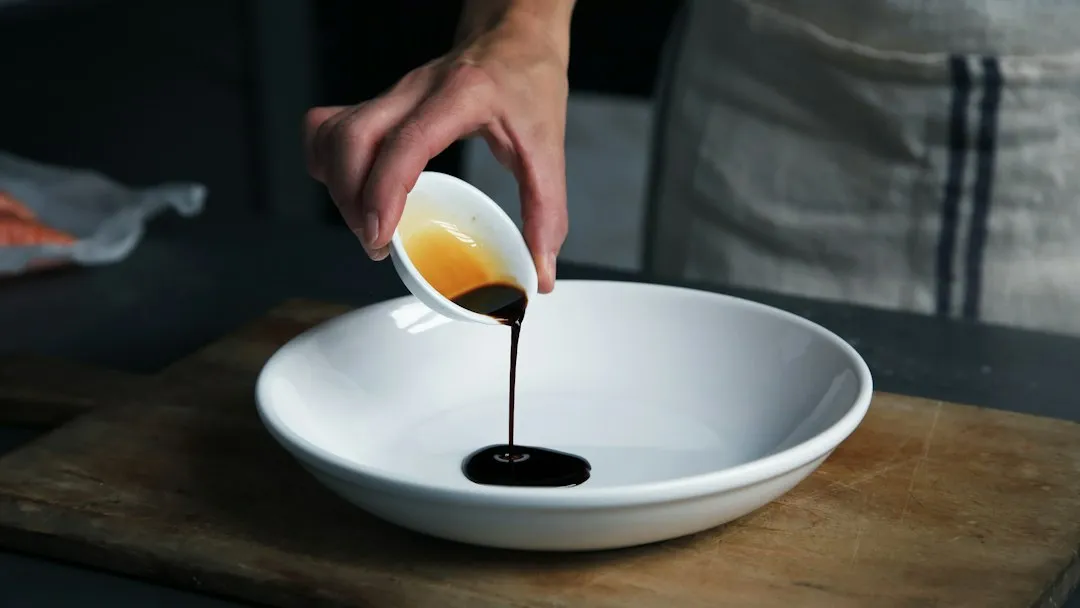
Tossed with melted butter, Worcestershire sauce, and seasonings, pumpkin seeds become a healthy snack that does not disappoint. Worcestershire sauce brings an umami depth that is hard to replicate with dry spices alone. Its slight sweetness, vinegar tang, and fermented complexity all work together to coat the seeds with something that tastes genuinely developed.
Seasoning salt, chili powder, and garlic powder form a solid base spice blend, and you can easily adjust these savory seasonings to include cumin, cayenne pepper, onion powder, or coriander. The liquid Worcestershire helps all the dry spices cling evenly to every seed surface, so you get consistent flavor in every bite rather than pockets of plain seeds. This combination is especially satisfying straight out of the oven while still warm.
Why the Seasoning Choice Actually Matters
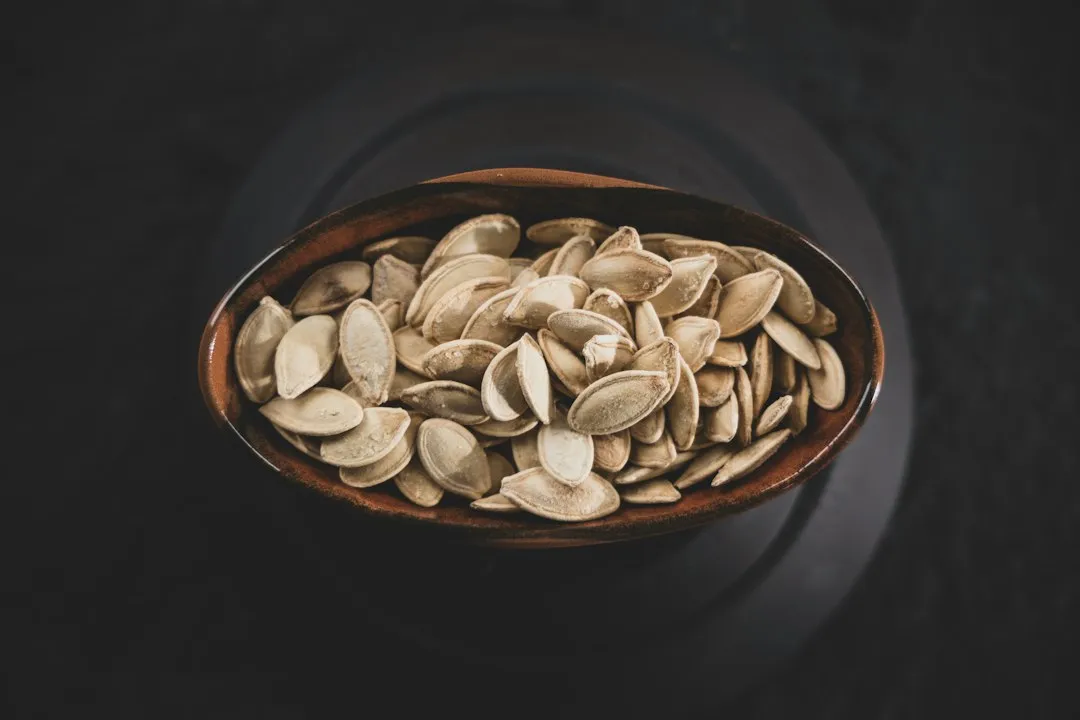
Store-bought pumpkin seeds may be loaded with sodium, but when they come straight from the source, pumpkin seeds are lower in sodium and retain more of the minerals that make them so nutritious. Seasoning your own batch at home means you control exactly how much salt goes in, and you can add far more interesting flavors in its place.
Roasting at certain temperatures can increase the sensory and nutritional attributes of pumpkin seeds, with concentrations of total phenols, total flavonoids, and antioxidant properties improving after roasting. That means the seeds you’re seasoning are already nutritionally enhanced by the roasting process itself. Research suggests the optimum roasting temperature is around 160 degrees Celsius to obtain protein with better nutritional quality.
Getting the Base Right Before Seasoning
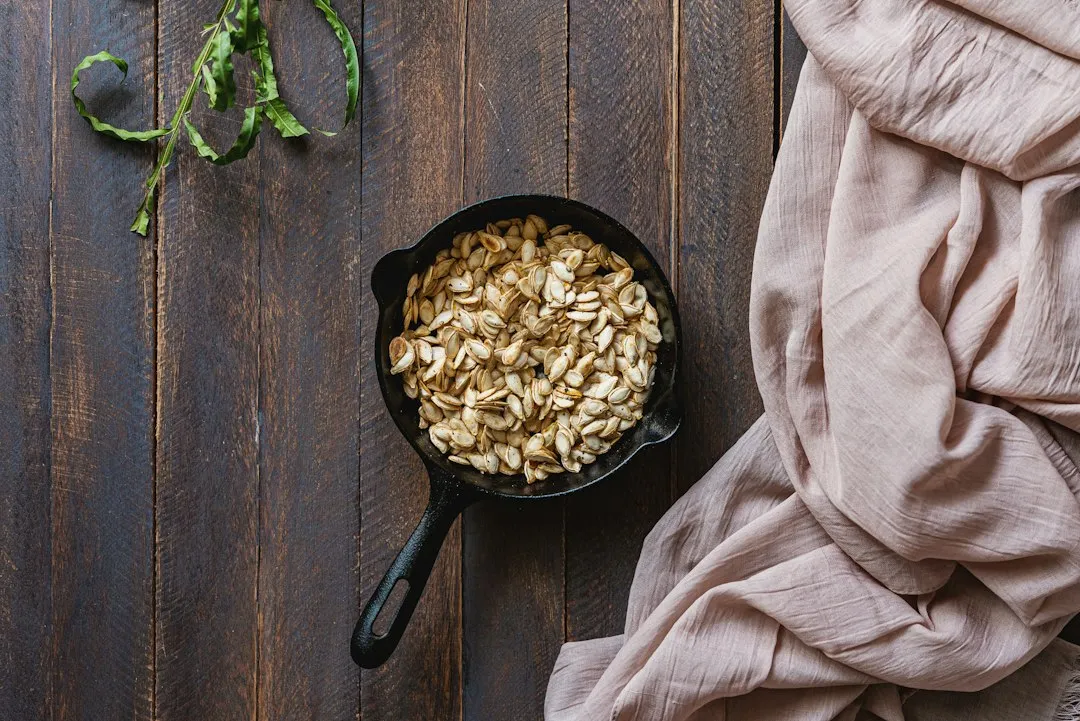
Olive oil is a solid choice for roasting pumpkin seeds because it helps them crisp up evenly, makes the seasoning stick, and adds a light, fruity flavor. The fat content matters more than most people think. Without it, dry spices tend to burn unevenly and fall off the seeds before they’ve had a chance to toast properly.
Pumpkin seeds are rich in magnesium, zinc, and protein, with a quarter cup of shelled pepitas containing about 180 calories and 9 grams of protein, along with healthy fats. Roasting with a small amount of oil keeps them nutritious while adding crunch. This balance between health and flavor is part of what makes seasoned pumpkin seeds such a smart snack choice for everyday eating.
How to Store Seasoned Pumpkin Seeds
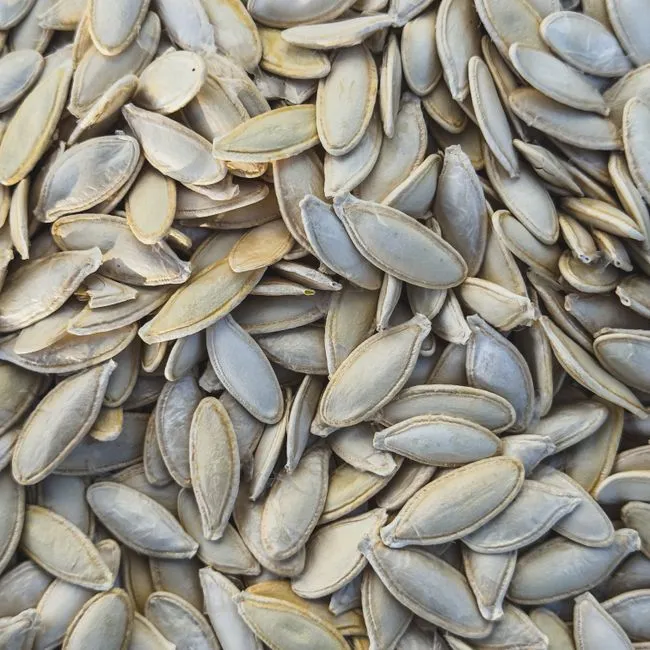
Freshly seasoned and roasted pumpkin seeds are best when eaten within the first few days, while the crunch is at its peak. It’s worth watching the added salt or sugar in any seasoning mix, and homemade versions are ideal for controlling ingredients and maximizing health benefits.
Once cooled completely, store them in an airtight container at room temperature. Most seasoned batches hold their texture and flavor for up to two weeks, though in most households they disappear well before that point. Avoid adding wet ingredients like Worcestershire or maple syrup in large quantities if you want a longer shelf life, as moisture shortens the window significantly.
The Nutritional Picture Behind the Snack
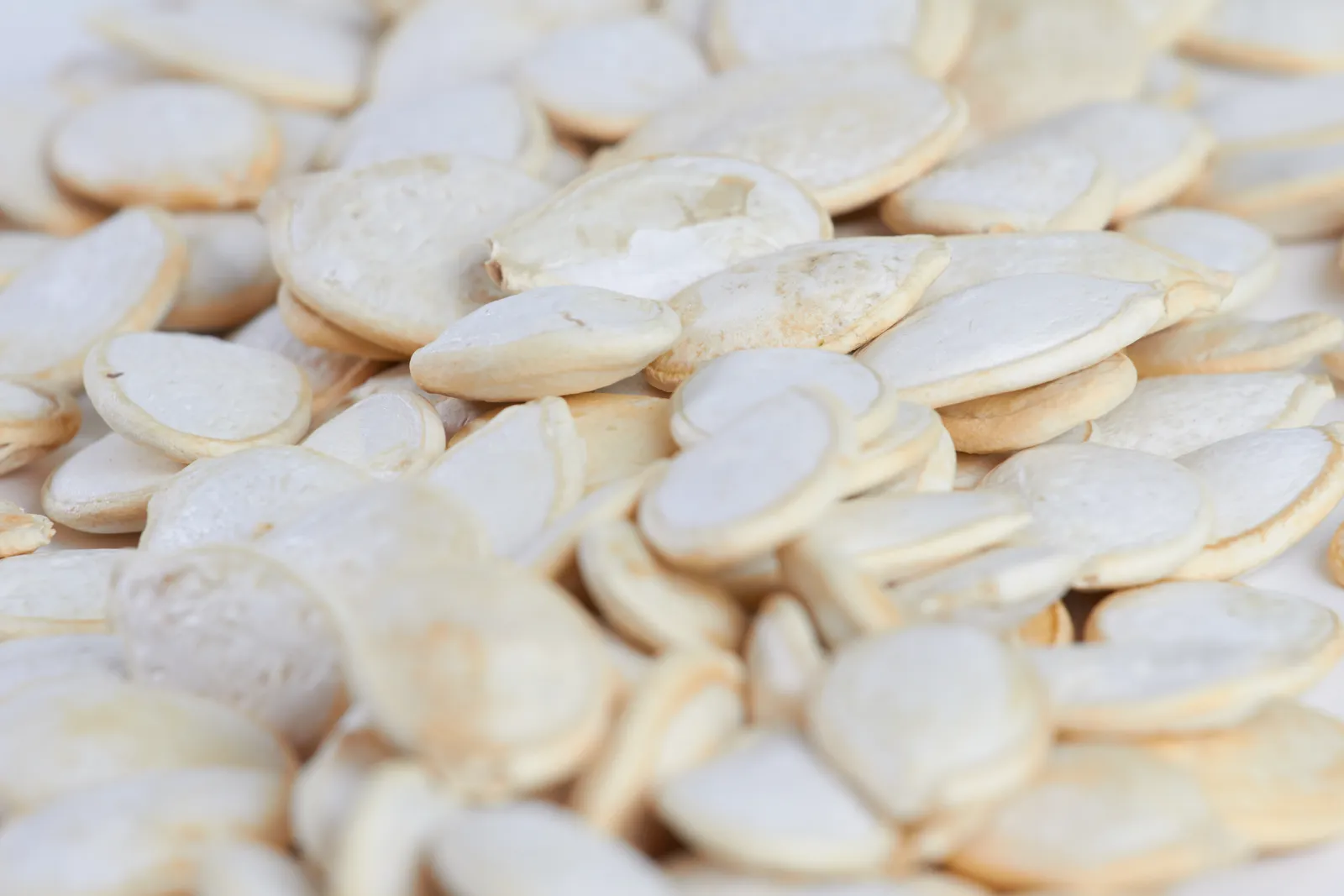
Pumpkin seeds contain phytosterols, antioxidants including vitamin E and carotenoids, cucurbitacins, lignans, and tryptophan, which have been associated with cholesterol reduction, oxidative stress mitigation, anti-inflammatory effects, hormonal regulation, and neurochemical benefits in preclinical studies. That is an impressive range of activity for a snack that fits in your palm.
Beyond fats and proteins, pumpkin seeds are rich in dietary fiber, promoting regular bowel movements and supporting a healthy gut microbiome. They are also rich in calcium, magnesium, potassium, phosphorus, and manganese, and are comparatively low in sodium. Choosing bold seasonings over heavy salt means you’re adding flavor without undoing those natural mineral advantages.
Final Thoughts
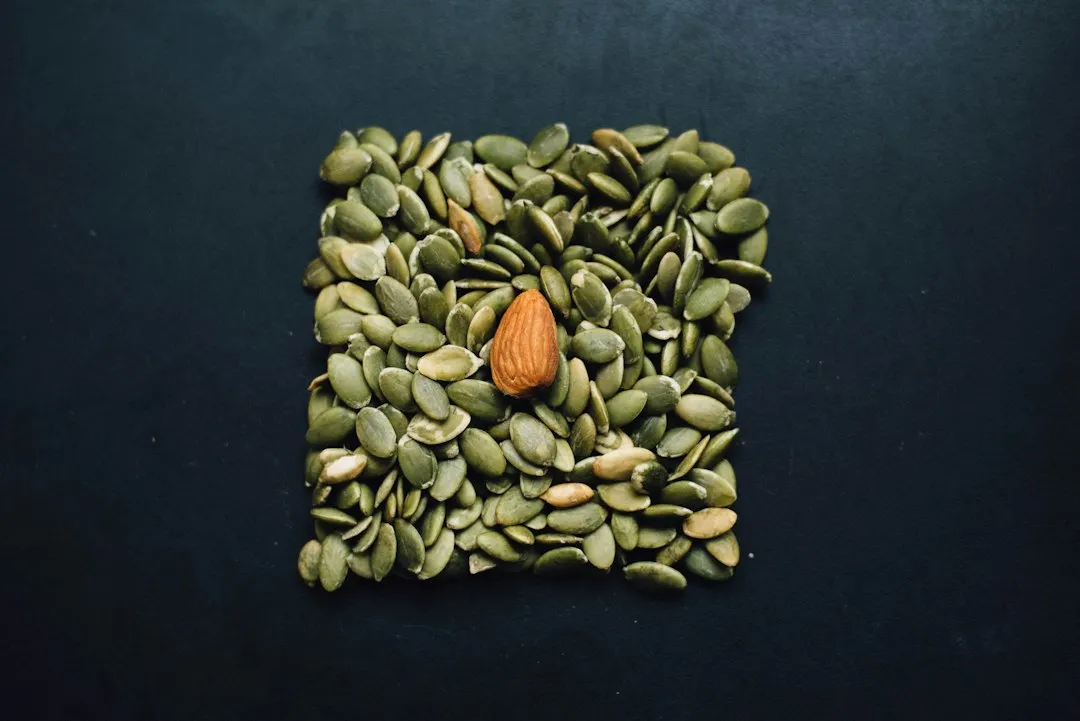
Plain salt isn’t wrong. It’s just a missed opportunity. Pumpkin seeds are naturally earthy, nutty, and rich enough to carry complex flavors well, and the seven seasonings covered here range from deeply savory to warmly sweet, so there’s a direction for every preference and occasion.
The simplest shift, swapping plain salt for smoked paprika and garlic or a cumin-coriander blend, costs nothing extra and takes maybe thirty additional seconds of prep. From strengthening your immune system to promoting healthy digestion and strong bones, roasted pumpkin seeds are a tasty and nutrient-dense snack regardless of what you put on them. The seasoning just makes you reach for another handful.
AI Disclaimer: This article was created with the assistance of AI tools and reviewed by a human editor.