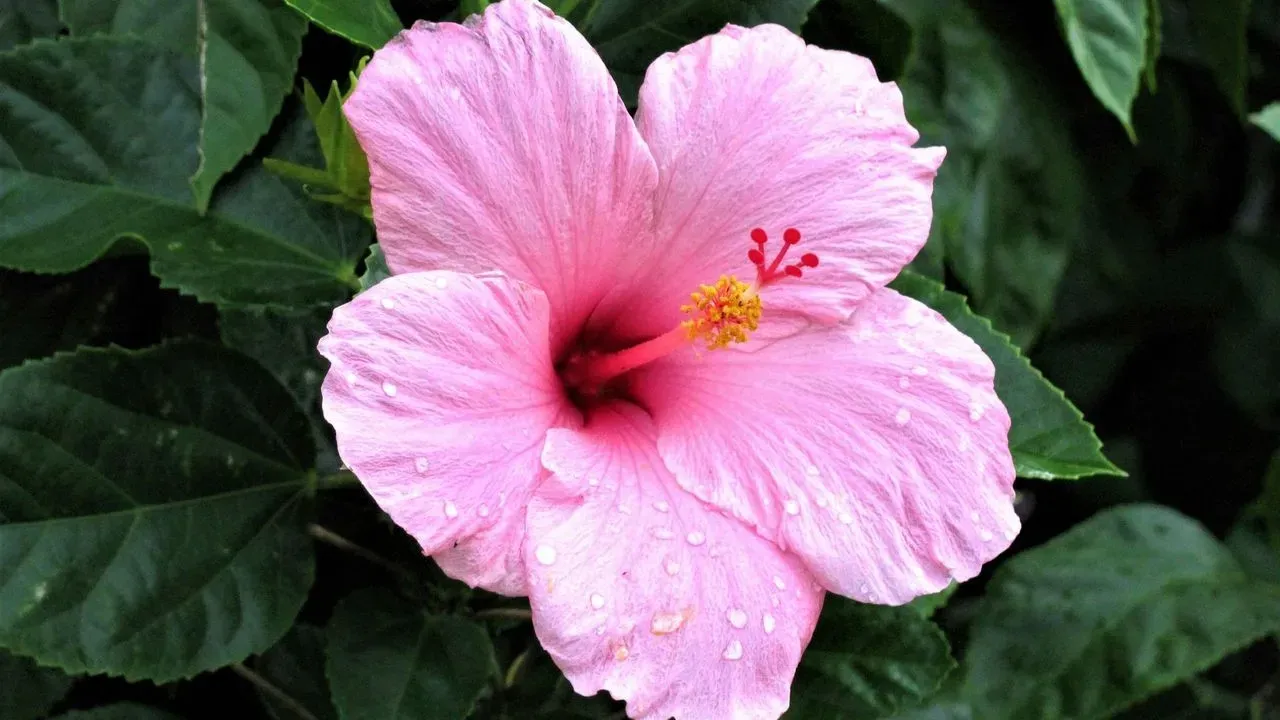

Gardeners across much of the country face a familiar deadline each fall. Tropical hibiscus plants thrive in daytime temperatures between 65°F and 75°F, yet they cannot tolerate freezing conditions. Bringing them inside before the first hard frost offers the best chance of preserving the vibrant blooms that return with warmer weather.
Why Timing Matters for Tropical Varieties
Tropical hibiscus cannot survive outdoors once nighttime temperatures dip below 50°F on a regular basis. In many regions that window arrives in late September or early October. Exposure to anything below 40°F risks permanent damage, so waiting for the first frost is too late. Gradual acclimation helps the plant adjust to lower light levels and prevents shock when it moves from full sun to an indoor spot. Hardy hibiscus types handle cold better and often return on their own. Most ornamental plants sold for containers, however, are the tropical kind that require protection. Proper overwintering lets these plants survive and resume growth once spring arrives.
Three Practical Approaches to Indoor Survival
Gardeners have several reliable options depending on available space and effort. Treating the plant as a houseplant keeps it actively growing near a bright window or under supplemental lights. A second route encourages dormancy in a cool, dark location such as a basement or unheated garage. The third method involves taking cuttings to root new plants for spring rather than moving the full specimen. Each approach demands attention to light, water, and temperature. Houseplant care favors consistent warmth around 60°F to 70°F with bright indirect light. Dormant plants need cooler conditions near 50°F to 60°F and far less frequent watering. Cuttings root readily in water when kept in a warm, bright spot and transplanted once roots form.
Daily Care Adjustments That Make the Difference
Indoor winter conditions differ sharply from summer outdoors. Reduced natural light and drier air call for targeted changes. Place the plant near a south-facing window or add grow lights to maintain health. Water only when the top inch of soil feels dry, and mist leaves or use a humidifier to hold humidity near 50 to 60 percent. Avoid drafts from windows or heat vents that create sudden temperature swings. Pest checks before moving the plant inside prevent problems from spreading to other houseplants. Yellow or dropping leaves often appear during the transition and usually signal normal adjustment rather than failure.
Returning the Plant Outdoors in Spring
Reverse the process gradually once nighttime temperatures stay reliably above 50°F, typically late April or early May in many areas. Start by setting the hibiscus in shade for a few hours daily, then increase exposure over two weeks. Resume regular watering and feeding as new growth appears. Local forecasts remain the final guide, since late frosts can still occur. With steady preparation, a well-cared-for hibiscus returns to outdoor life ready to produce its signature flowers once more. The effort preserves a favorite plant through the cold months and rewards patience when color returns to the garden.
AI Disclaimer: This article was created with the assistance of AI tools and reviewed by a human editor.