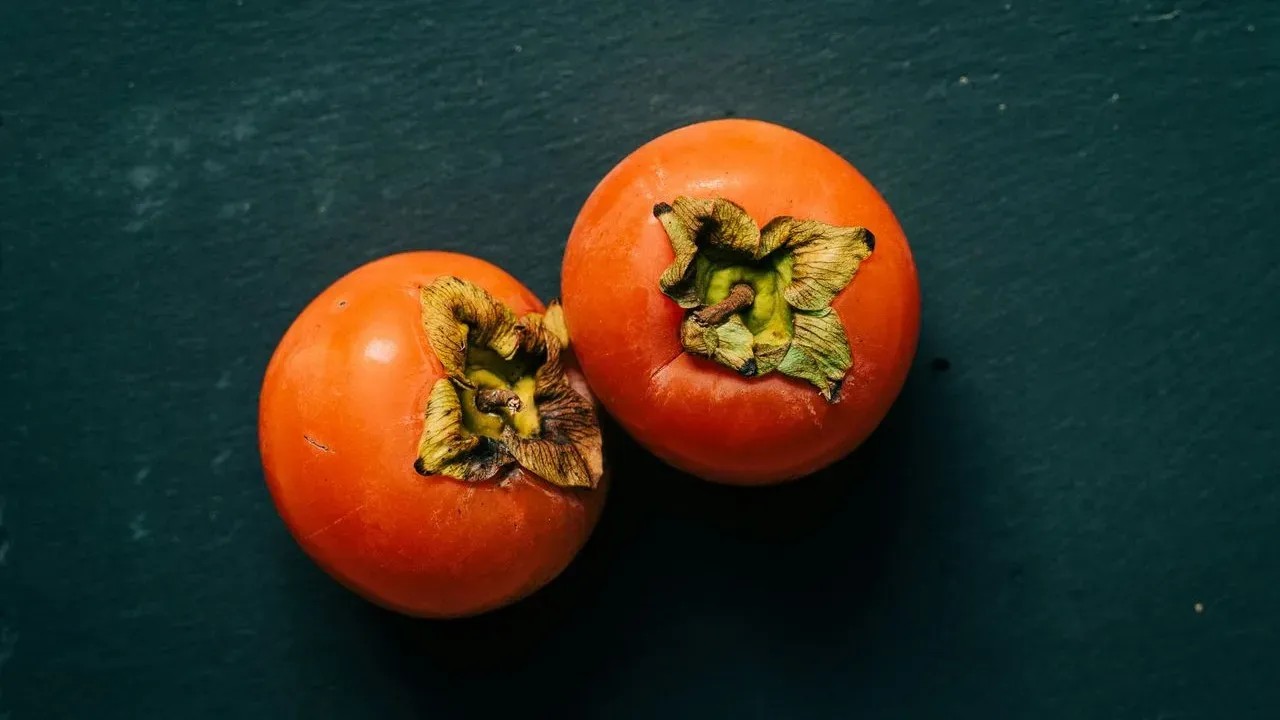

Persimmons ripen in the cooler months, offering a sweet, juicy fruit that many gardeners and foragers encounter in abundance each autumn. Turning that harvest into vinegar requires patience, as the process unfolds slowly through the winter in a cool setting. The result is a bright, delicate sweet-and-sour condiment that stands apart from ordinary vinegars. This approach comes from an excerpt adapted for Chelsea Green Publishing.
The Allure of Persimmons
North American persimmons, small and caramelly when fully ripe, grow wild in places like Tennessee, where foragers collect them from the forest floor between September and December. Each tree produces fruit with its own subtle character, and ripeness matters greatly because unripe persimmons carry an unpleasant astringency. Asian varieties such as Fuyu and Hachiya work equally well and are widely available in stores during the same season. The fermentation itself mellows any remaining tannins, yielding a versatile liquid prized for its distinctive flavor. ([1])
Minimal Equipment and Ingredients
Only ripe persimmons are needed, roughly two pounds for a batch that yields about two cups of finished vinegar. A nonreactive vessel such as a ceramic crock or bowl holds the fruit, while a cloth cover secured with string or a rubber band keeps insects away. A fine strainer lined with muslin helps separate the liquid later, and narrow-neck bottles store the final product. No additional starters or sugars enter the mix; the fruit’s natural sugars drive the transformation from sweet juice to alcohol and then to vinegar.
The Long, Slow Fermentation
After removing the calyx from each fruit, the persimmons rest in the covered vessel, ideally in a sunny spot at first. Within days the skins soften and juice begins to appear, prompting daily stirring that encourages bubbling and gradual flavor shifts. Once the liquid tastes lightly alcoholic, the vessel stays covered for several months while acidity develops. Tasting every week or two reveals the progress, and the cloth allows breathing without exposure to flies. Harvest occurs before warm weather returns, typically after two or three months of quiet fermentation.
Putting the Byproduct to Work
The leftover pulp serves as a flavorful pickling medium for vegetables such as daikon, carrots, or cucumbers. Root vegetables benefit from several days of sun-drying beforehand to reduce moisture and improve flavor absorption. Chunks are salted lightly, buried in the mash, and left for two or three days before removal and serving. The bed can be reused once or twice, though flavor fades and sourness increases with each cycle. This step extends the value of the original harvest into another preservation project.
The method rewards those who plan ahead, transforming a seasonal glut into a pantry staple that carries persimmon character well beyond winter.
AI Disclaimer: This article was created with the assistance of AI tools and reviewed by a human editor.