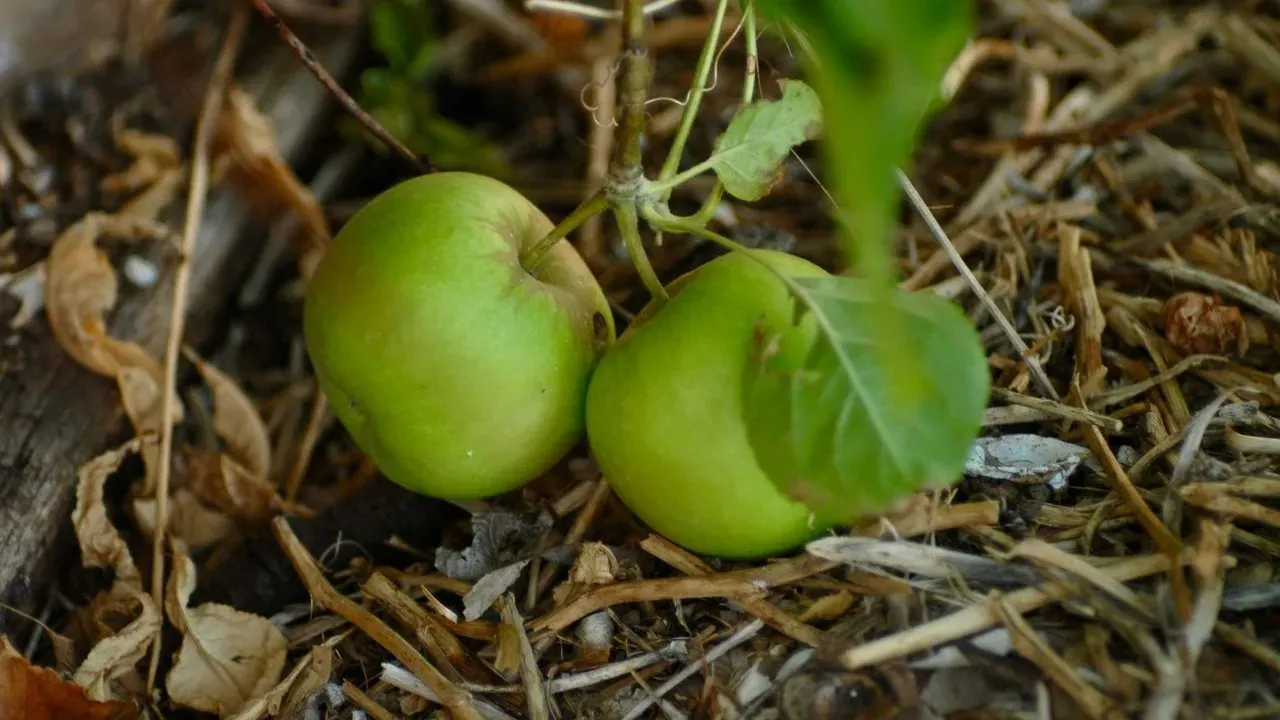

Fall baking brings a familiar frustration for many home cooks. An apple that tastes crisp and fresh from the refrigerator can collapse into a soft, watery filling once it meets the heat of the oven. The difference often comes down to variety, ripeness and how the fruit’s natural pectin and acidity respond to baking temperatures. University extension programs and testing kitchens have identified clear patterns in which apples maintain distinct slices and which ones break down. ([1])
Why Texture Matters in Baked Desserts
Pectin acts as the glue holding apple cell walls together. Higher acidity slows the breakdown of that pectin during cooking, while air pockets between cells expand with steam and can cause collapse in some fruits. Tart, firm-fleshed varieties therefore tend to stay intact longer. Softer or mealier apples lose structure quickly, turning the filling into something closer to sauce. The choice between firm slices and a softer texture depends on the recipe. Pies, tarts and crisps usually benefit from slices that remain recognizable. Baked whole apples or certain quick breads tolerate more breakdown. Ripeness and storage conditions also play roles, since an overripe or warm-stored apple will soften faster regardless of type.
Four Varieties That Hold Their Shape
Testing from America’s Test Kitchen and recommendations from several university extension services point to four standouts for pies that keep their structure. Granny Smith apples deliver reliable tartness and firmness. Braeburn offers a balanced sweet-tart profile with good staying power. Honeycrisp brings sweetness and crunch that survives the oven. Pink Lady rounds out the group with bright acidity and dense flesh. Each of these can work on its own in a single-variety pie. Bakers who prefer more layered flavor often combine two or three, using one of the firmer options as the base. The result is a filling with both distinct pieces and enough softer bits to fill gaps without becoming mushy.
When Softer Apples Have Their Place
Not every recipe calls for slices that stay separate. McIntosh and Red Delicious soften rapidly and suit applications where a looser, sauce-like consistency is desired, such as certain applesauces or rustic fillings. Golden Delicious falls in the middle range and can serve as the gentler component in a blend. Gala, Jonagold and Empire occupy a useful middle ground. They soften more than the top four but still hold better than the quickest-to-breakdown varieties. For double-crust pies, some cooks precook the filling slightly to reduce shrinkage and improve contact with the top crust. Even slice thickness helps everything cook at the same rate.
Selecting and Storing for Best Results
Freshness makes a noticeable difference. Choose apples that feel firm, show smooth skin suited to their variety and lack bruises or soft spots. Background color offers limited clues because it varies widely by type. Once purchased, keep the fruit refrigerated in a crisper drawer or unsealed bag until baking time. Room-temperature storage causes faster loss of crispness and flavor. Apples release ethylene gas, so store them away from other produce to avoid speeding ripening in neighboring items. Handle the fruit gently during preparation, since bruises accelerate softening. These steps preserve the qualities that help the chosen varieties perform well in the oven.
- Granny Smith, Braeburn, Honeycrisp and Pink Lady maintain distinct slices in pies.
- Mixing varieties adds flavor depth while preserving texture.
- Softer apples like McIntosh work best when a sauce-like filling is the goal.
- Refrigerate fresh, firm fruit until ready to bake.
The right apple turns a common baking risk into a reliable result. With attention to variety and a few handling details, fall pies can deliver the slices and flavor balance that make the effort worthwhile.
AI Disclaimer: This article was created with the assistance of AI tools and reviewed by a human editor.