
A Surprisingly Common and Costly Problem

According to State Farm Insurance statistics, washing machine hose failures cause approximately $170 million in damages to homes in the United States and Canada. That figure only covers reported claims, so the true cost is likely higher.
State Farm reported over 7,500 water damage claims from broken washing machine hoses in 2020 alone, with claims ranging from a few hundred dollars to over $100,000.
Washing machine hose failure is one of the top ten leading causes of residential water losses. For something so small and inexpensive to replace, that ranking is remarkable.
Three Hoses, Three Points of Failure
Washing machines have three hoses: one for hot water, one for cold water, and one drain hose, meaning there are three separate points that have the potential to burst or leak.
The drain hose is the least dangerous because it only carries water when the machine is actively draining. The water supply lines, on the other hand, are under the full pressure of the home’s water system around the clock.
A washing machine hose is under pressure about 99 percent of the time, even though full pressure is only needed during those few minutes when the machine is actually filling. That constant strain is exactly what wears them out.
What Actually Happens When a Hose Fails
Contrary to popular belief, hoses do not simply burst due to high water pressure. Rather than exploding, washer water hoses tend to fail at a very specific point: the coupling.
Standard hose couplings are rolled and stamped from a thin sheet of copper alloy, and in time water flow hones them to a fine edge. When the hose bends at the coupling, that sharp edge is forced into the exterior wall of the hose and slices it open, a process called “razoring.”
Most often, a hose failure is the result of sustained high pressure over time. As the hose ages, it becomes brittle, swollen, or otherwise weakened, and it ultimately fails by splitting or separating from a hose end fitting.
How Much Water a Burst Hose Can Release
Washing machine hoses hold about 70 pounds of pressure, and the rubber weakens with age, eventually bursting if not replaced. When they do go, the volume of water released is genuinely alarming.
A bursting hose can displace 650 gallons of water per hour. If a home is unoccupied for 30 hours, that equates to roughly 20,000 gallons – about the volume of an average in-ground swimming pool.
Even 30 minutes of unattended leaking from a supply hose at full pressure can cause catastrophic damage resulting in thousands of dollars in repairs. The math gets uncomfortable very quickly.
The Replacement Window Most Homeowners Miss
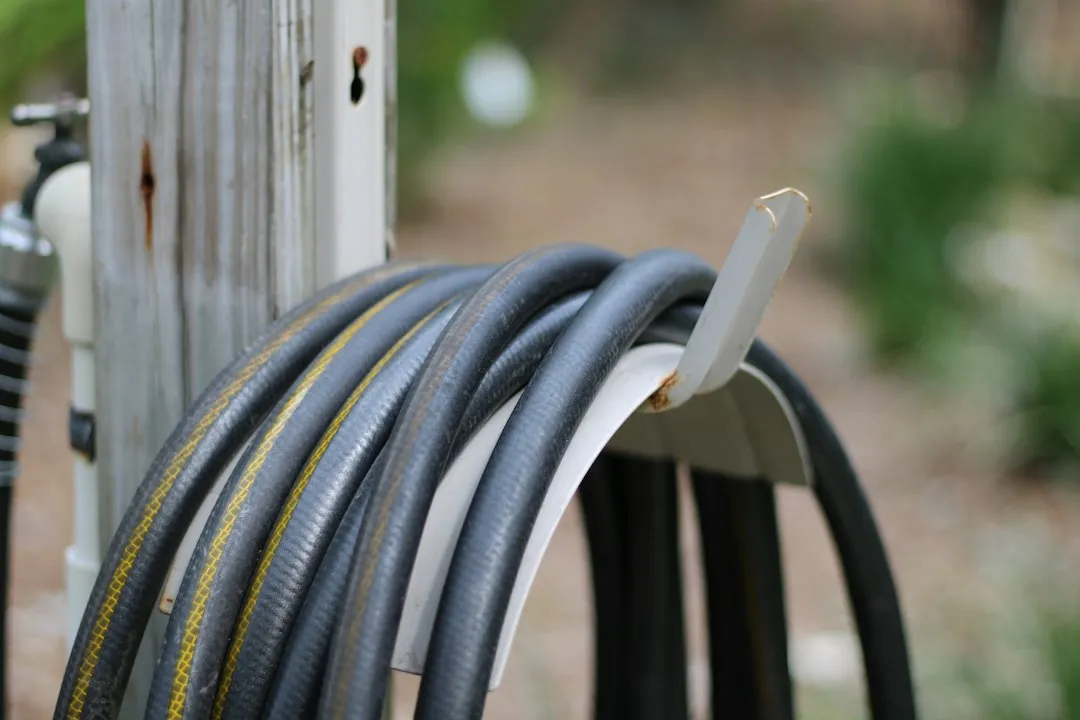
Most experts recommend changing washing machine hoses every three to five years, yet the vast majority of homeowners never do this on any set schedule.
Some signs of deterioration occur from the inside out and may not be visible until it is too late. That internal degradation is the core problem with relying on visual inspection alone.
Experts recommend replacing all three washing machine hoses every three to five years. The tubes wear out easily, and the damage isn’t always visible on the surface. Some failures come from the inside rather than the outside, so replacing them even when they still look fine is the smarter move.
Rubber Hoses Are the Weakest Link
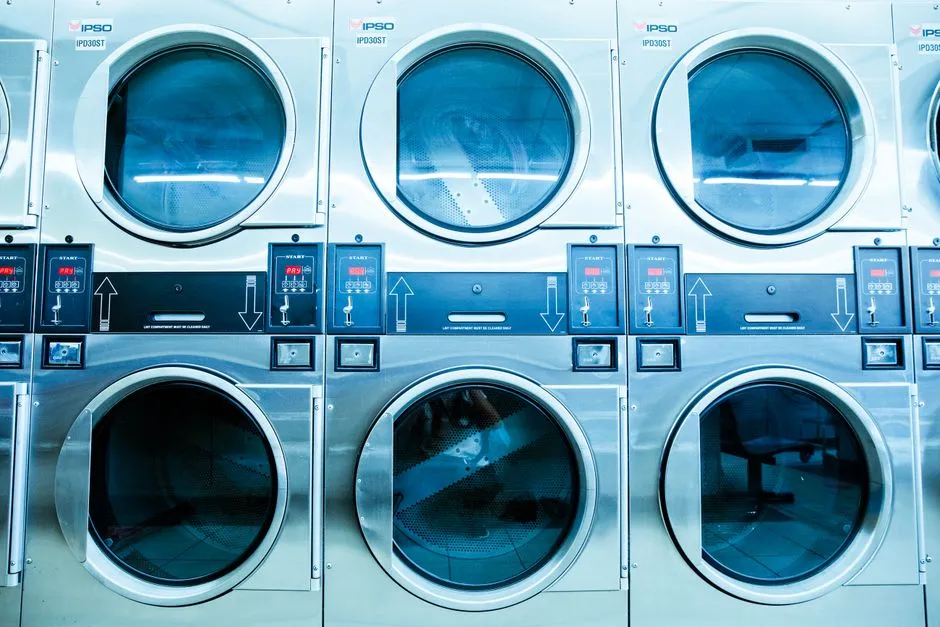
Standard washing machine hoses are made of black rubber. Unfortunately, these hoses only last a few years and will eventually fail, causing a significant mess and costly water damage.
Standard rubber hoses are prone to cracking, kinking, and bursting over time due to high water pressure, high temperatures, and mineral deposits. Homes with hard water are especially vulnerable, since mineral buildup accelerates internal wear.
Rubber hoses are susceptible to bubbling and dry-rotting over time. This is especially dangerous because the water valves for washing machines are often left open constantly, keeping the hoses under continuous hydrostatic pressure even when the machine is not running.
Braided Steel Hoses: A Better Option, Not a Permanent One
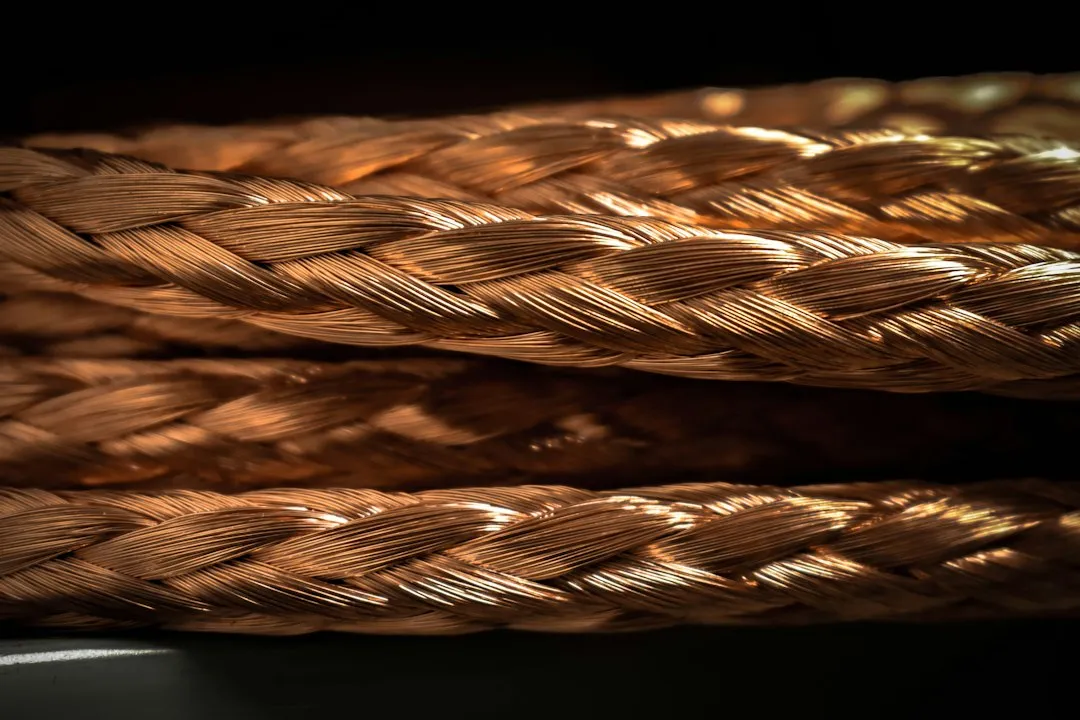
Braided hoses feature an inner rubber or PVC core encased in woven stainless steel, making the hose highly resistant to kinks, punctures, and bursting under high water pressure.
While rubber hoses need frequent replacement, braided hoses can last ten to fifteen years or longer, making them a genuine long-term investment. The price difference at the hardware store is usually minimal.
The inner rubber core in a braided hose can still deteriorate with age and eventually leak at the fittings, so the braid changes how the hose tends to fail rather than eliminating the need for eventual replacement. Even the better option still needs attention.
Warning Signs That a Hose Is Near the End
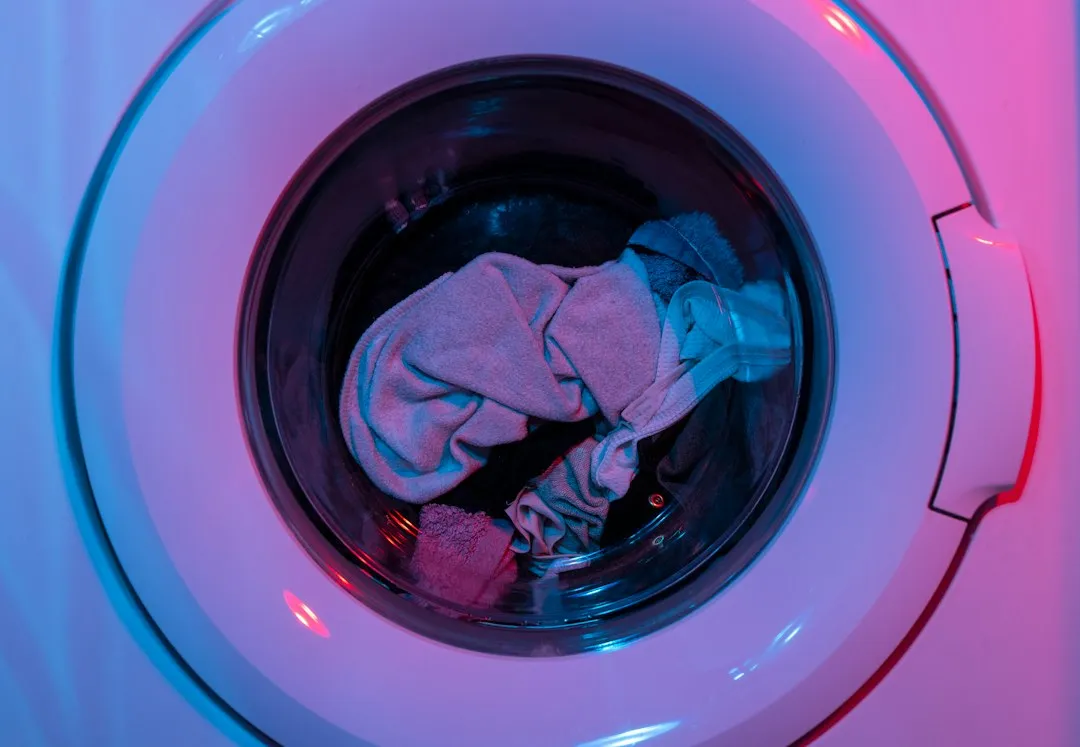
When a washing machine hose leaks at its connection point, it’s time to get a new hose. If it leaks from other areas along its length, the connection may simply need tightening. Clear signs of needed replacement include excessive black mold or mildew around the hose opening and visible bulging of the hose itself.
Washing machine hoses experience repeated pressure changes during every wash cycle. As they age, the material may gradually weaken, crack, bulge, or corrode. Kinks behind the washer and vibration from the appliance itself also place additional stress on the hose connections.
Regular inspections every six months help catch signs of damage like cracks, bulges, or corrosion before they become a full emergency. It takes only a few minutes to pull the machine out and take a look.
The Hidden Mold Risk After a Slow Leak
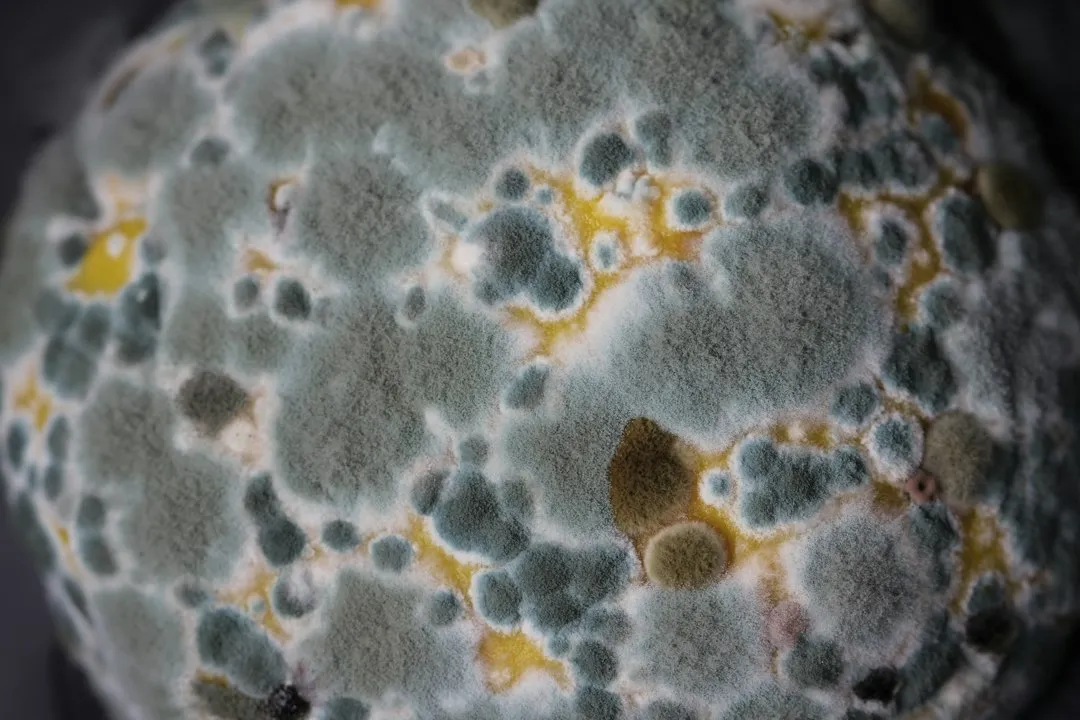
Most people underestimate the potential for water damage. If not caught immediately, surprisingly large amounts of water get trapped under the floor and behind walls. In just a couple of days that leads to bacteria and mold growth and progressive destruction of wood and drywall. Even when surfaces appear dry, progressive damage can continue for weeks.
Mold from an undetected slow leak is often classified as long-term neglect by insurance companies, meaning it is frequently not covered under a standard homeowner’s policy. That distinction matters enormously when you’re looking at a remediation bill.
A hose doesn’t have to burst dramatically to cause serious harm. A slow drip behind the machine, unnoticed for months, can silently rot the subfloor and trigger mold growth that costs far more to fix than any replacement hose ever would.
Simple Steps That Actually Prevent the Problem
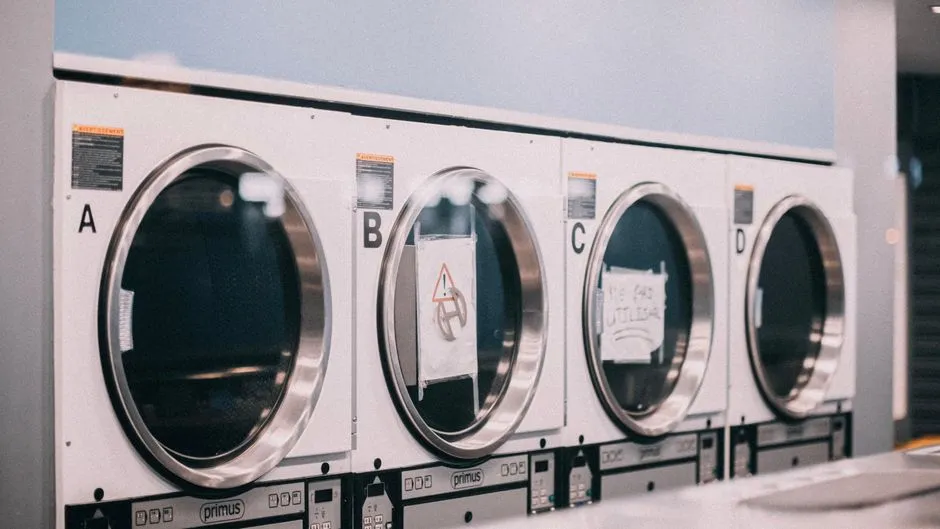
Marking the installation date directly on the hose label with a permanent marker and adding a calendar reminder is one of the simplest ways to keep this maintenance task from slipping through the cracks.
Installing a water hammer arrestor helps absorb the shock of water that spikes pressure within the hose after the washing machine cycle ends. Turning off the water supply to the washing machine when it isn’t in use can also meaningfully minimize the pressure the hoses are exposed to over time.
If you recently moved into a home and are unsure how old the hoses are, proactively replacing them offers an immediate improvement in peace of mind and is genuinely one of the cheapest preventive measures available in home maintenance.
The Takeaway
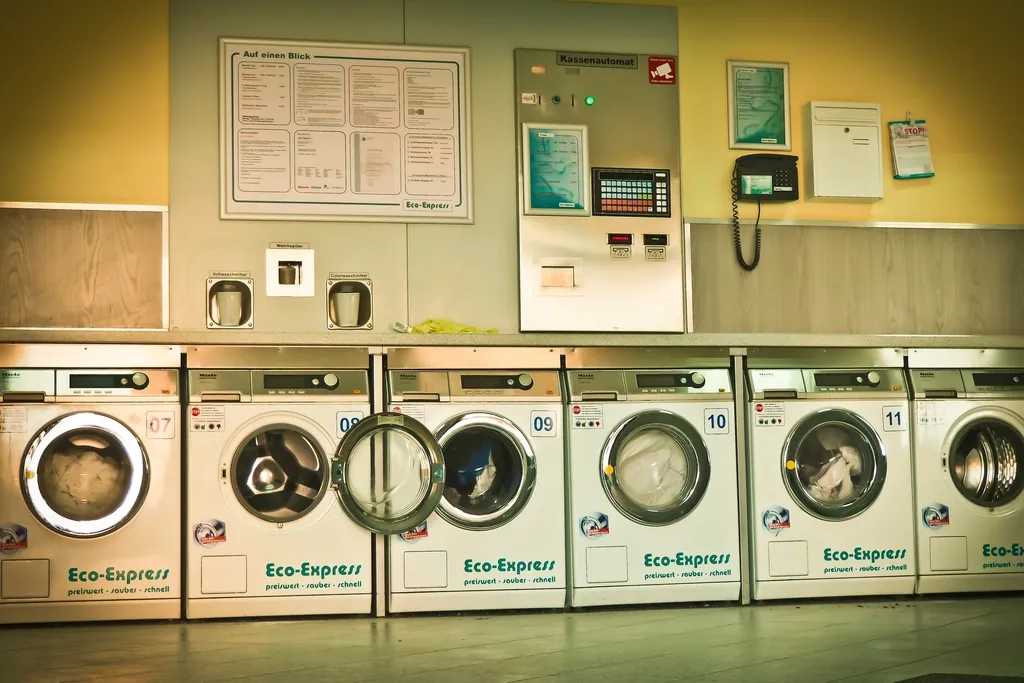
A washing machine hose costs somewhere between ten and thirty dollars. A flood caused by one that fails while you’re on vacation can cost tens of thousands. That gap makes this one of the most asymmetric maintenance tasks in any home.
Buying premium washer hoses every five years may seem like an unnecessary expense, but considering that water damage repairs from a burst hose commonly run to hundreds and even thousands of dollars, those hoses are a great bargain.
The hose you’ve never thought about is the one most likely to cause trouble. Checking it this weekend takes about ten minutes. Replacing it takes maybe thirty. The alternative, as thousands of homeowners learn each year, takes months and costs far more than anyone wants to think about.
AI Disclaimer: This article was created with the assistance of AI tools and reviewed by a human editor.