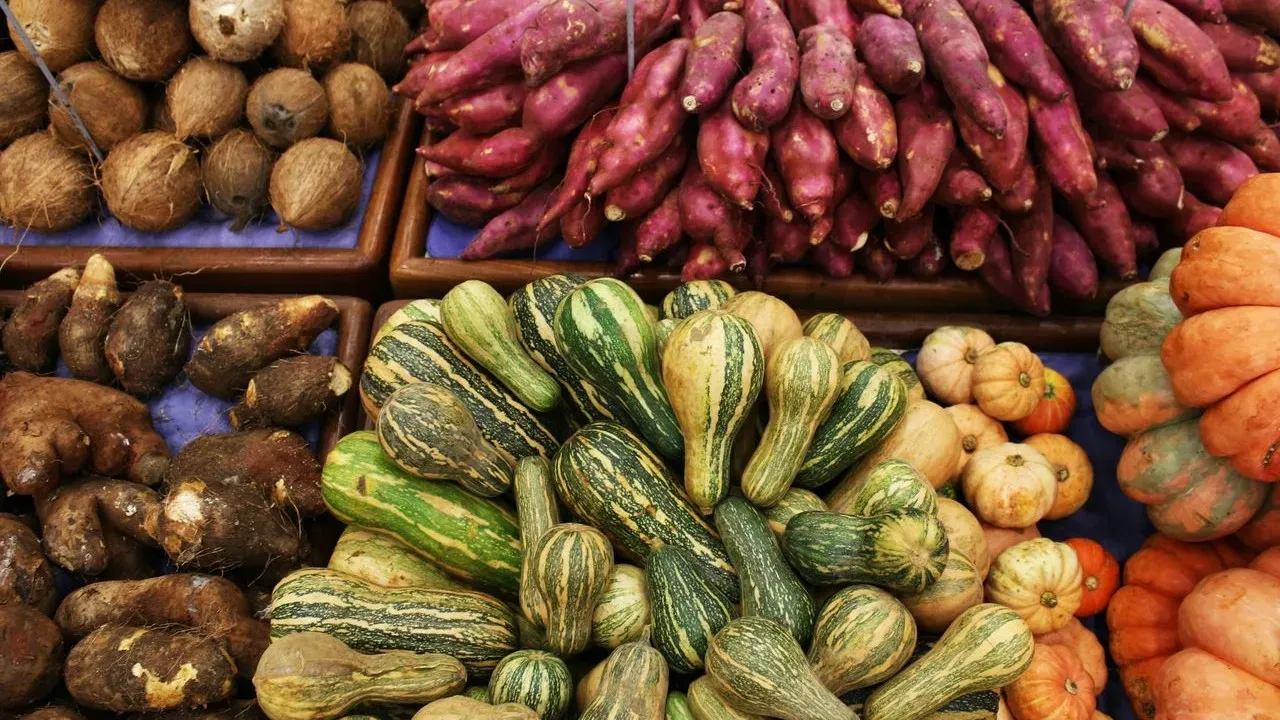

In parts of the southern United States, a root vegetable once endorsed by federal agriculture experts continues to demonstrate remarkable self-sufficiency. The greater yam, known scientifically as Dioscorea alata, spreads and produces with little ongoing attention once established. Gardeners have observed it thriving in food forests and semi-wild settings across Florida and the Gulf States. ([1])
A Common Case of Mistaken Identity
Most shoppers in the United States encounter sweet potatoes labeled as yams in grocery stores. Those orange-fleshed tubers belong to an entirely different plant family and require regular planting and care each season. True yams, by contrast, produce large underground tubers that can persist and multiply without annual replanting in favorable climates.
The distinction matters for anyone seeking dependable, low-input crops. Sweet potatoes offer reliable yields but demand consistent management. Greater yams shift the balance toward self-propagation, reducing labor while still delivering substantial harvests.
USDA Recognition More Than a Century Ago
Over 100 years ago, the U.S. Department of Agriculture highlighted the greater yam as a promising addition to southern agriculture. Officials at the time viewed the crop as well suited to the region’s climate and soils. The recommendation appeared in official bulletins that later faded from wider attention.
That early endorsement reflected practical observations about the plant’s resilience. The crop’s ability to establish itself and continue producing aligned with goals of stable food supplies. Despite the initial support, the greater yam never achieved widespread commercial adoption in the decades that followed.
Practical Advantages for Home Gardens
Once planted, greater yams can expand through natural tuber division and vine growth. In established food forests, the plants often appear almost wild, continuing to yield without intensive intervention. This trait reduces the need for yearly soil preparation or seed purchases.
The crop performs particularly well in the warm, humid conditions of Florida and neighboring Gulf States. Gardeners report consistent production even when other root vegetables struggle with heat or irregular rainfall. Its persistence supports longer-term food planning with fewer seasonal resets.
| Crop | Typical Management | Propagation Style |
|---|---|---|
| Greater Yam (Dioscorea alata) | Minimal after establishment | Self-spreading tubers and vines |
| Sweet Potato (often sold as yam) | Annual replanting required | Slips started each season |
Relevance for Household Food Security
Low-effort crops like the greater yam address practical needs for consistent home production. Households gain a buffer against supply disruptions or rising input costs. The plant’s history of federal interest underscores its potential value beyond ornamental or novelty gardening.
Interest in resilient, self-sustaining options has grown among gardeners focused on long-term stability. The greater yam fits that category through its documented ability to persist with reduced oversight. Its reappearance in modern food forests suggests renewed attention to crops once set aside.
AI Disclaimer: This article was created with the assistance of AI tools and reviewed by a human editor.