

1. A Mole That Has Started to Change
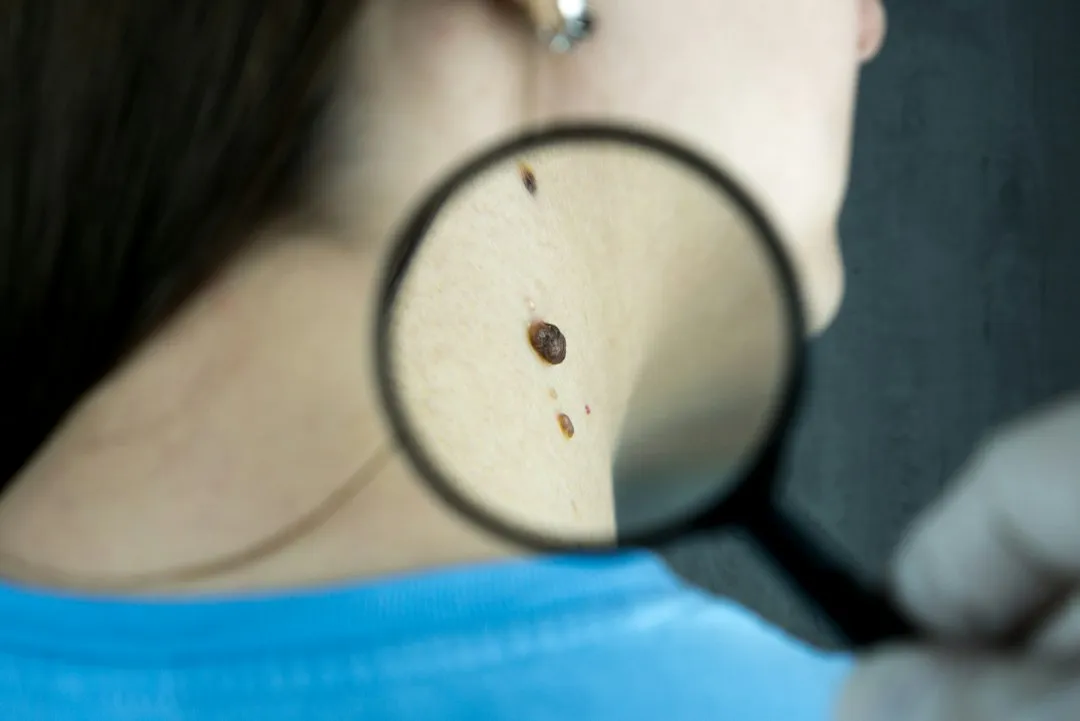
A mole that looks the same year after year is generally less concerning than one that suddenly behaves differently. The first sign of melanoma is often a mole that changes in size, shape, or color. That shift can happen gradually over months, which is exactly why dermatologists recommend keeping track of spots you’ve had for years.
The ABCDEs of melanoma are an easy way to remember what to look for in a suspicious mole: asymmetry, border, color, diameter, and evolving. The “E” for evolving is especially important. Any change in size, shape, color, or height, or new symptoms like itching or scabbing, should be checked by a provider.
While about 20 to 30 percent of melanomas develop in existing moles, the remaining 70 to 80 percent arise on seemingly normal skin. That statistic alone is worth keeping in mind during any self-exam.
2. A Sore That Simply Won’t Heal

Any new spot on your skin that doesn’t heal within a few weeks should be checked by a dermatologist. It’s easy to assume a persistent sore is an ingrown hair or a slow-healing scratch, but that assumption can cost valuable time. Non-healing sores are one of the more consistent early signs of both basal cell and squamous cell carcinoma.
Board-certified dermatologist Dr. Jennifer Holman notes that patients often describe basal and squamous cell carcinomas as a spot that bleeds easily. Typically, patients think they have a pimple, inflamed hair follicle, or bug bite, but the spot doesn’t heal and continues to grow and bleed.
A sore that has not healed in four weeks, or a spot that bleeds, itches, or crusts repeatedly, all need prompt professional review. Waiting it out rarely leads anywhere good.
3. Rough, Scaly Patches That Feel Like Sandpaper

Actinic keratoses are rough, scaly patches caused by years of sun exposure. They feel gritty or sandpapery to the touch and often appear on the face, scalp, forearms, and backs of hands. While not all actinic keratoses become cancerous, they are considered precancerous.
Actinic keratosis typically manifests as rough, scaly patches or bumps on the skin. In the early stages it can be difficult to see, but it often appears as an area of skin with a gritty texture that does not heal. Some people feel the texture before they can see anything clearly.
Actinic keratosis is a precancerous scaly spot found on sun-damaged skin, and the main concern is the potential increased risk of developing cutaneous squamous cell carcinoma. Doctors recommend early treatment to prevent the development of squamous cell skin cancer.
4. A New Dark Streak Under a Nail
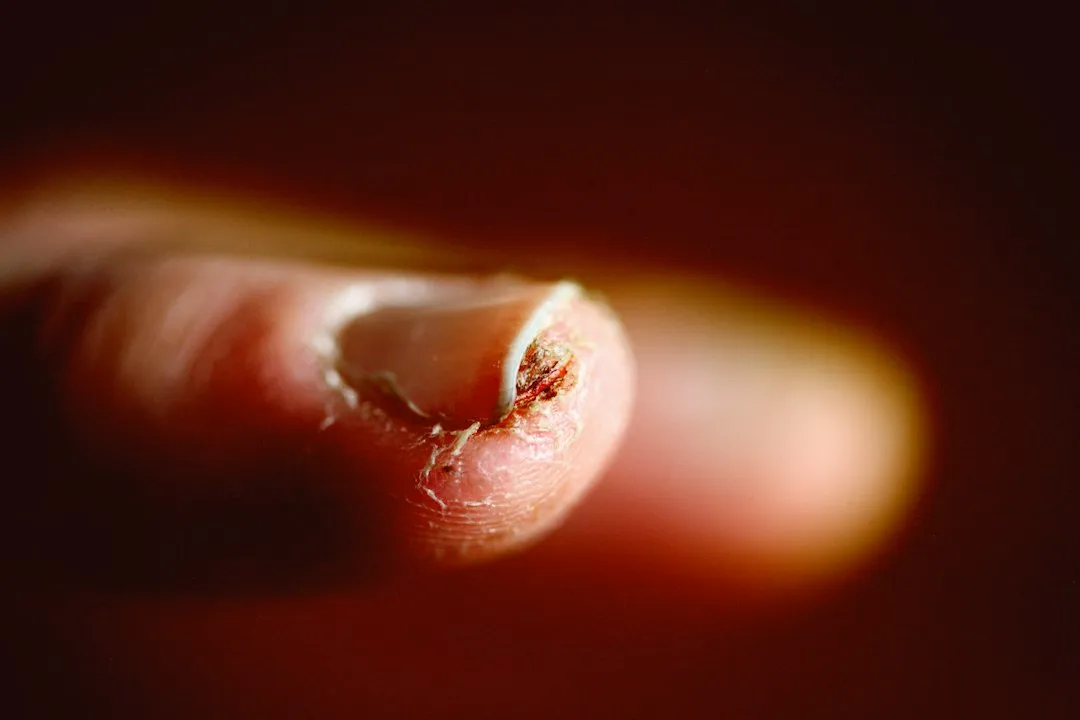
Most people never think to check under their nails. If you have more pigment in your skin, it’s especially important to check areas that may be overlooked, including under your nails and the soles of your feet, where skin changes may go unnoticed and progress before diagnosis.
If you notice a new dark streak, discoloration of the nail, or darkening of the surrounding skin, schedule an exam promptly, particularly if it’s on a single nail and you don’t remember an injury. A dark streak that appears without a clear cause is not something to monitor quietly at home.
A band wider than 3mm, pigmentation spreading to surrounding skin known as Hutchinson’s sign, irregular color or borders within the streak, and associated nail plate destruction are all critical indicators that require attention. These signs can point to subungual melanoma, a rare but serious form of the disease.
5. A Spot That Bleeds, Itches, or Feels Physically Different

It’s worth paying attention to how a spot feels, not just how it looks. Concerning symptoms include persistent itching or tenderness, spontaneous bleeding or oozing, and a rough or thickened area that catches on clothing. These changes don’t always mean cancer, but they are a good reason to have a dermatologist perform a full-skin exam.
Skin cancer warning signs include changes in size, shape, or color of a mole or other skin lesion, as well as a sore that doesn’t heal. If you notice any spots on your skin that are different from the others, or anything changing, itching, or bleeding, the American Academy of Dermatology recommends that you make an appointment with a board-certified dermatologist.
6. A Spot That Looks Noticeably Different From All Your Others

Dermatologists sometimes refer to this as the “ugly duckling” sign. The idea is straightforward: most moles and spots on a given person tend to look similar to each other. When one spot looks distinctly unlike anything else on your body, it stands out as a potential concern regardless of whether it technically fits the ABCDE criteria.
If you notice a new or changing mole, a sore that doesn’t heal, or any other suspicious lesion, the MD Anderson Cancer Center advises prompt evaluation by a dermatologist, regardless of your last screening date. The “ugly duckling” approach adds a useful layer of awareness on top of the standard rules.
See a dermatologist about a spot that follows any of the ABCDE rules, hurts, bleeds, itches, isn’t going away, looks unlike other spots, or is causing you significant worry. That last point matters more than people give it credit for.
7. Any Pearly, Shiny, or Waxy Bump That Persists
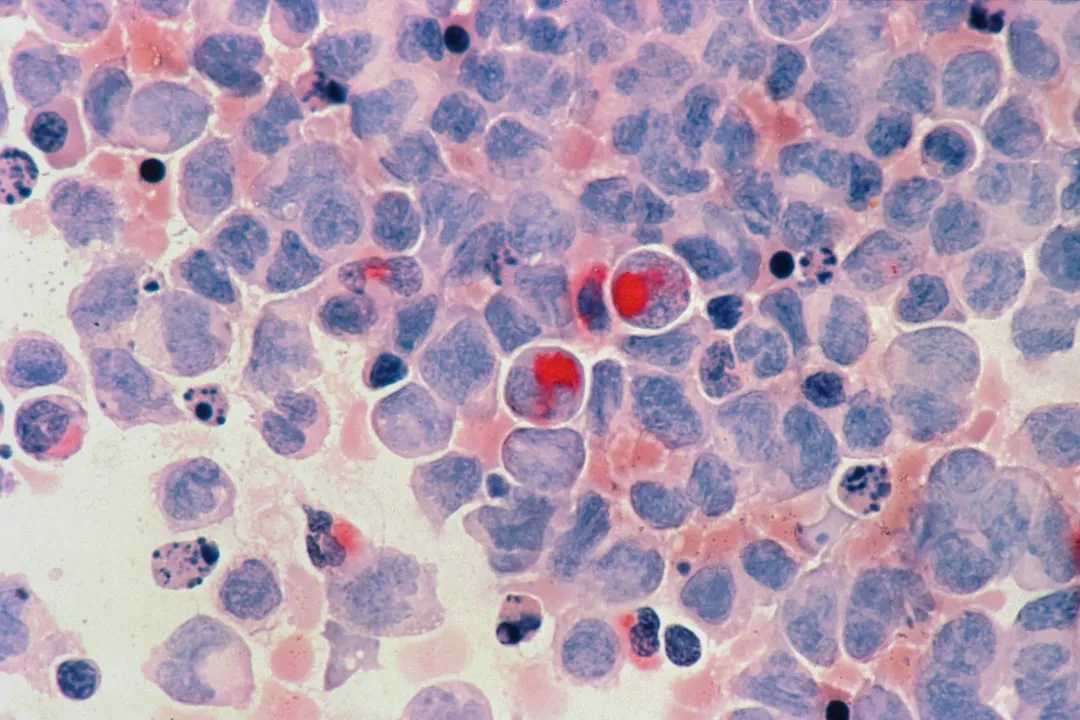
Basal cell carcinoma is a type of skin cancer that most often develops on areas of skin exposed to the sun, such as the face. It frequently presents as a small, shiny, or pearly bump that many people mistake for a pimple or a harmless cyst. The key difference is that it doesn’t resolve.
BCC and SCC together account for 5.4 million diagnoses each year among 3.3 million people in the U.S., according to the American Cancer Society. About 80 percent of non-melanoma skin cancers are BCC. Despite being the most common, basal cell carcinoma is often the least discussed.
Squamous cell carcinoma can appear as a firm red nodule, a scaly patch with a crusted surface, or a sore that heals and reopens. Early detection and treatment are crucial. If a bump has been there for more than a month and hasn’t changed or faded on its own, a professional look is warranted.
Who Should Get Checked and How Often

The American Cancer Society recommends a cancer-related checkup every one to three years for people aged 25 to 39, and yearly for those 40 and older, with skin exams included as part of that visit. That’s a reasonable baseline for most adults, though individual risk factors can shift that timeline significantly.
If you are at high risk of skin cancer, you should visit a dermatologist yearly, even if you don’t have any skin changes. If you have a skin change you’re worried could be skin cancer, try to see a dermatologist as soon as possible.
People with a family history of melanoma, a personal history of severe sunburns, or more than 50 moles should consider more frequent full-body skin exams regardless of symptoms. Timing matters, but so does knowing where you personally sit on the risk spectrum.
What to Do Between Appointments

Dermatologists recommend doing a head-to-toe skin self-exam about once a month. Use a full-length mirror and a hand mirror so you can see your back, scalp, and the backs of your legs. Look for anything new, changing, or unusual, and take photos of spots you’re watching so you can compare over time.
The encouraging news is that skin cancer is both largely preventable and highly treatable, especially when detected in its earliest stages. A monthly habit of self-examination, even a quick five-minute scan, is one of the more practical things anyone can do to stay ahead of a potential problem.
The Takeaway

Skin is the body’s largest organ, and it communicates clearly when something is off. The challenge is learning to listen. Most of the changes described here are not automatic signals of cancer, but they are signals worth taking seriously rather than pushing aside.
Promptly consulting a doctor about any suspicious skin changes can significantly improve survival rates, as early diagnosis and treatment of melanoma, in particular, greatly increase the chances of successful outcomes. That’s ultimately the clearest reason to act rather than wait.
Skin checks don’t require expertise, just consistency and the willingness to show up for an appointment when something seems off. The dermatologist can do the rest.
AI Disclaimer: This article was created with the assistance of AI tools and reviewed by a human editor.