

It All Starts with Genetics
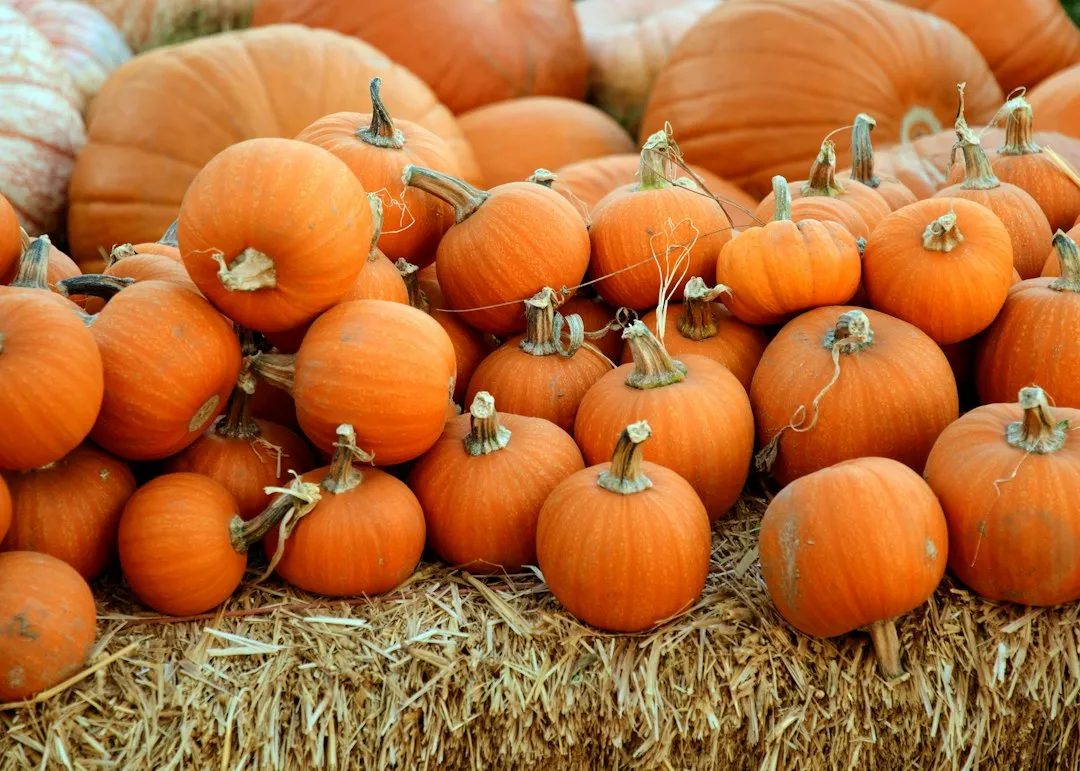
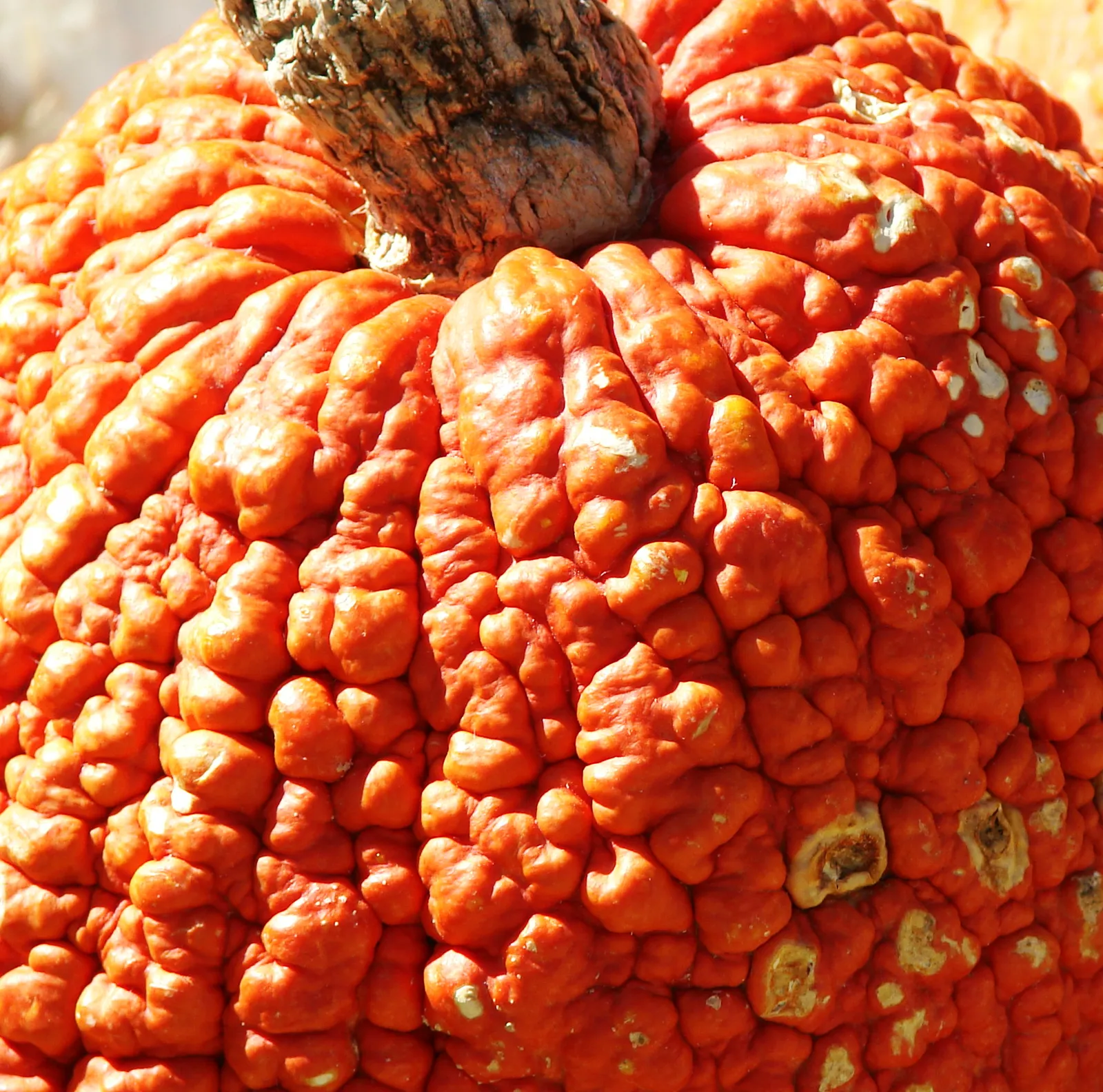
The appearance of bumps or warts on pumpkins can stem from multiple sources, ranging from natural genetic traits to environmental stressors and pathogens. For many varieties, warts are simply part of who they are. It is actually natural and not unusual for pumpkins to have bumps, but years of selective breeding have weeded out this natural tendency until what we now view as the norm are unblemished pumpkins.
Pumpkins belong to the gourd family, also called cucurbits, which produce separate male and female flowers on the same plant. This means they can cross-pollinate with other pumpkins, giving rise to all sorts of variation, including warts. That genetic flexibility is really at the root of much of the diversity you see in pumpkin patches today.
Selective Breeding: The Knucklehead Story
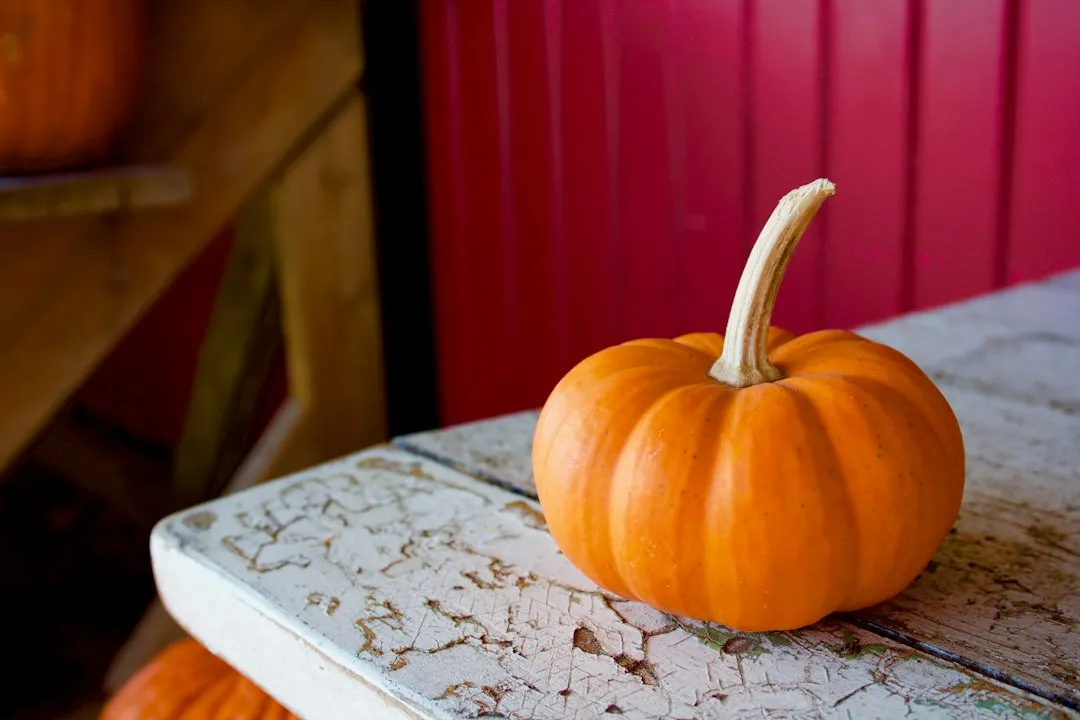
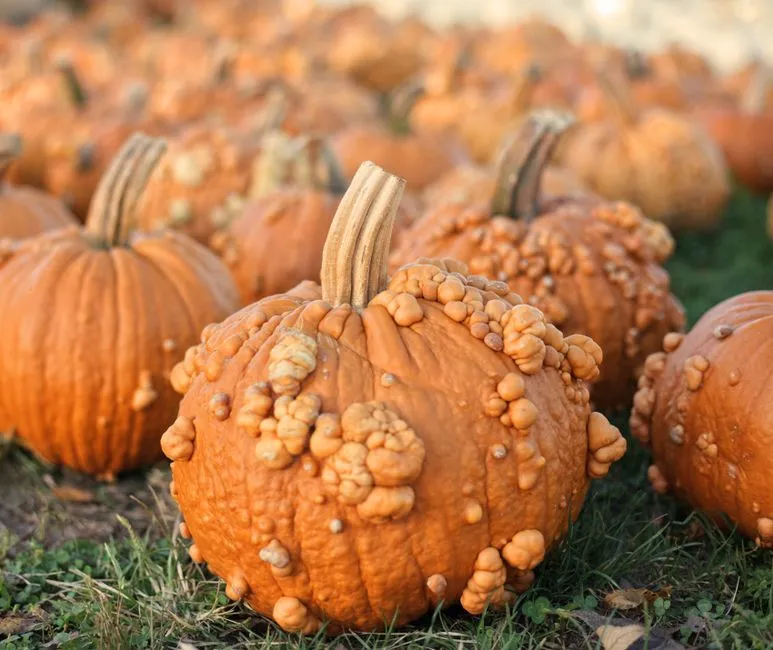
Knucklehead pumpkins were developed by the Siegers Seed Company in Holland, Michigan. A single wart-covered pumpkin was noticed in one of the company’s fields, and the seeds were saved and planted as a new variety. Over ten generations of crossbreeding were conducted to create the ideal wart-covered pumpkin. Knucklehead pumpkins were commercially released in 2008 and were known for their warts and size.
Other pumpkin varieties within the branded line include Goosebumps, Baby Bumps, Scarface, and Grizzly Bear, and gourds under names like Gremlins and Goonies. The demand for ornamental, spooky-looking produce has only grown since then. There is a growing trend to embrace the unusual when it comes to fall pumpkins. Colors such as white, gray, and green depart from the ubiquitous orange pumpkin color, and miniature sizes and flattened shapes are highly sought after. Pumpkins sporting warts and bumps are another hot trend.
Sugar Warts: When Sweetness Breaks Through the Skin
Galeux d’Eysines pumpkin seeds produce a lovely French heirloom pumpkin with salmon pink coloured skin covered in peanut-like warts caused by sugar swelling in the skins. This is one of the most striking examples of how internal chemistry shapes outward appearance. The warts are formed by sugar oozing out through the skin as it matures and grows sweeter.
These warts are created when the sugars in the pumpkin’s flesh leech through the skin, which causes swelling. The more sugar content there is in the pumpkin, the more wart-like bumps appear on the pumpkin’s skin. In other words, a heavily warted Galeux d’Eysines is often a sign that the flesh inside is exceptionally sweet. Through a process known as “corking,” the sugars break through the squash skin and form rough barnacles. The more barnacles, the sweeter the squash.
The Marina di Chioggia and Other Heirloom Sugar Warters
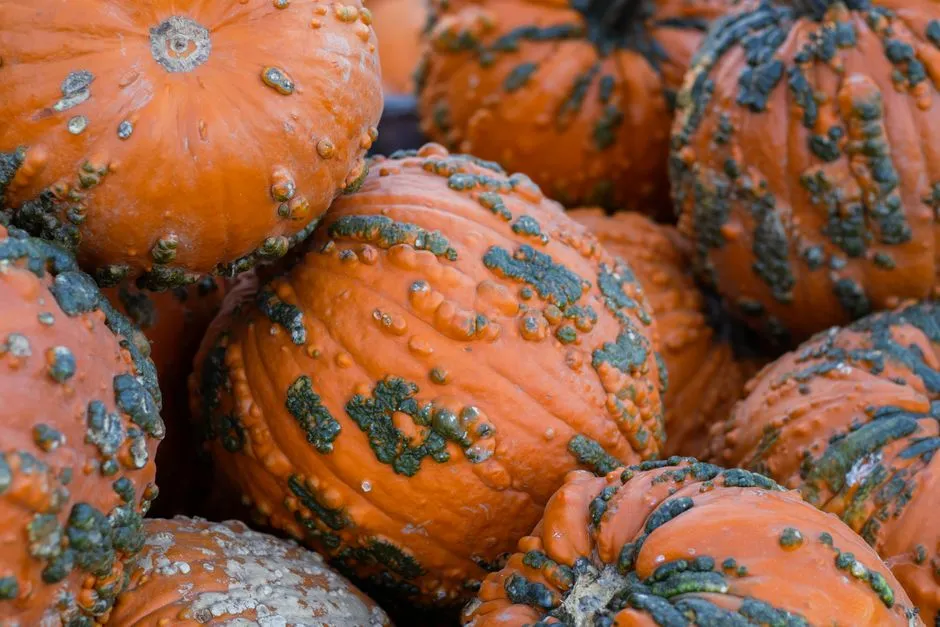
Marina di Chioggia has dark green to gray-blue skin, and is covered with warts called “sugar warts” because they develop due to the buildup of excess sugar in the skin and flesh of the squash. It’s an Italian heirloom with a long growing history and a flavor that justifies every single bump. The “Red Warty Thing” looks exactly as it sounds. A large cultivar, it has bright reddish-orange skin and is covered in thick, knobby warts. As with Galeux d’Eysines, these warts are the result of extra sugar in the pumpkin, which means the flesh is extra sweet.
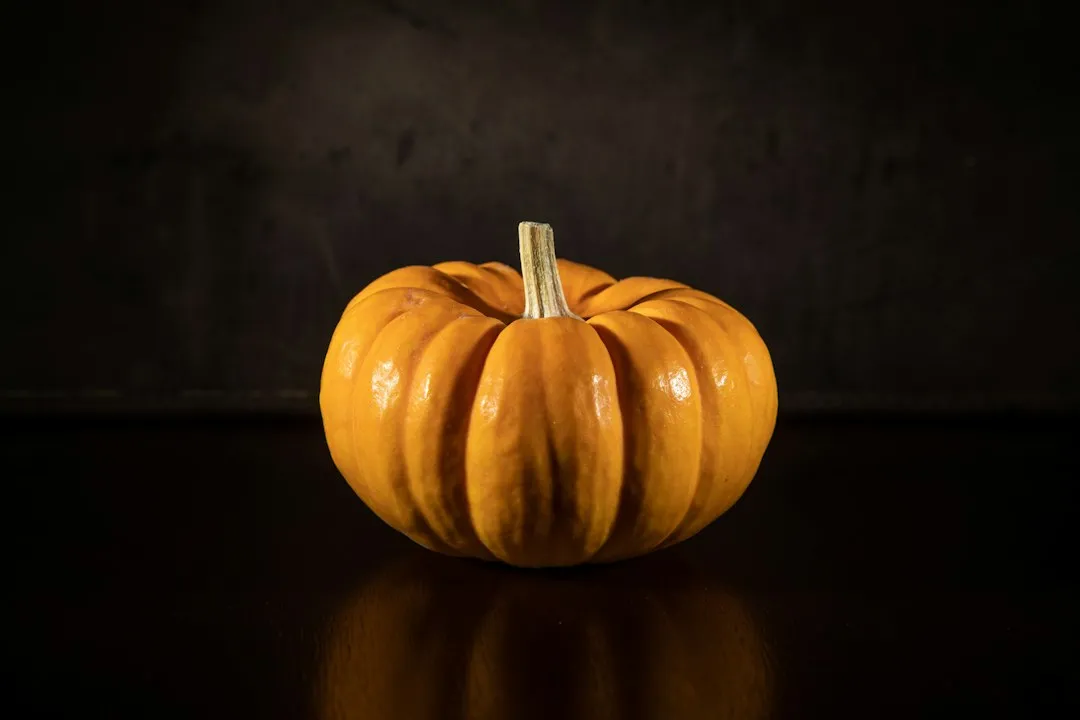
Pumpkins with no blemishes are now considered the norm, despite the fact that bumps on their skin are perfectly normal and even expected in nature. Heirloom varieties like these are a good reminder that what we consider “normal” in produce is often the result of commercial pressure rather than biology.
Mosaic Viruses: When Bumps Signal a Problem
Four mosaic viruses affect pumpkins: papaya ringspot virus, zucchini yellow mosaic virus, cucumber mosaic virus, and watermelon mosaic virus. The first two listed cause major deformities, with knobby lumps being a common symptom of the infections. These viruses can show up even when a gardener planted a perfectly smooth-skinned variety.
Some warts on pumpkins are due to mosaic viruses, which can also cause mottled coloration and stunted growth. Aphids are usually the culprit for transmitting mosaic viruses in pumpkins. Although mosaic viruses mean the fruit will be smaller and unusual looking, they don’t affect the shelf life or edibility of mature pumpkins.
How Common Are These Viruses in the Field?
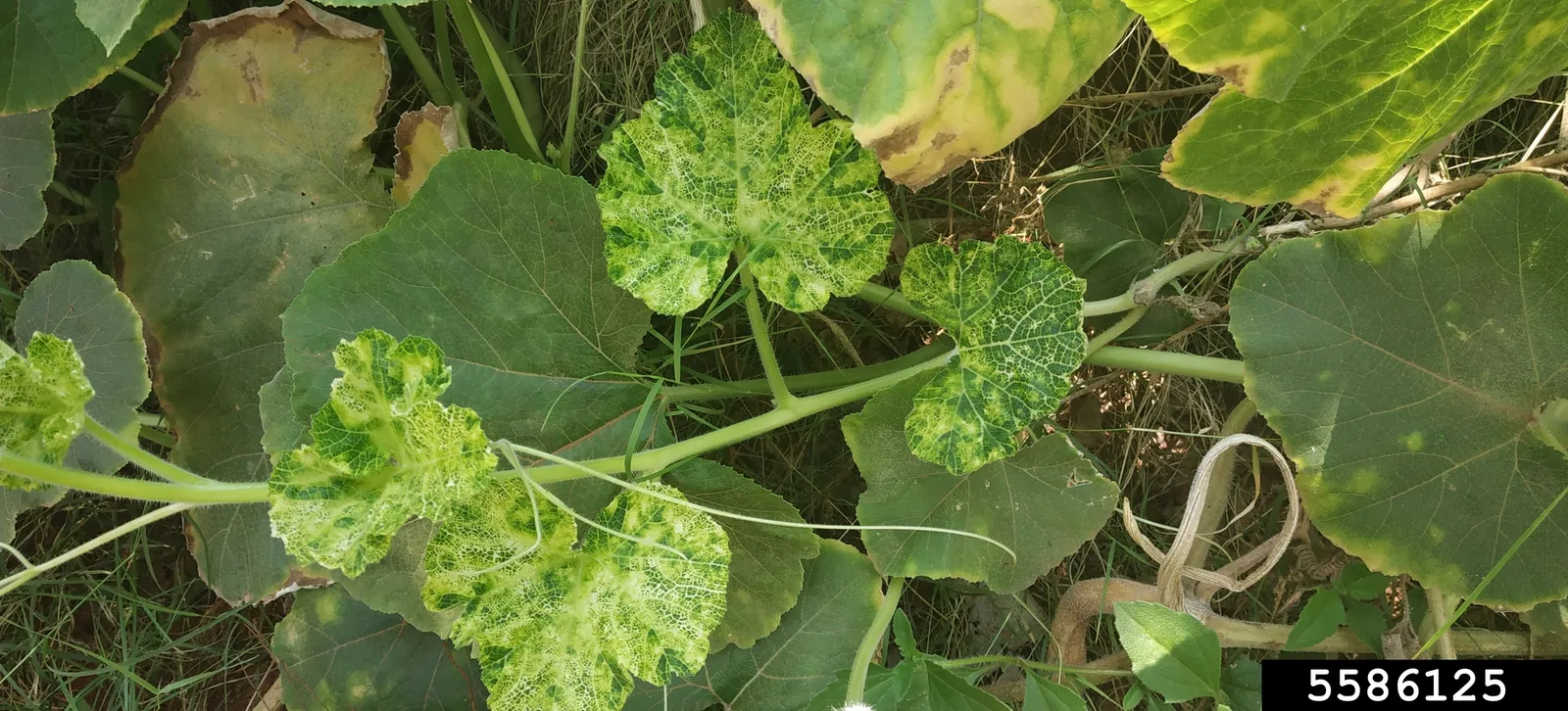
Research from the University of Georgia confirms just how prevalent these viruses can be. Pumpkin and winter squash showed severe virus-like symptoms during the fall of 2022 and 2023 in Georgia, USA. According to qPCR data from the fall of 2022, pumpkins experienced an incidence of roughly 56 percent for papaya ringspot virus (PRSV) and about 31 percent for zucchini yellow mosaic virus (ZYMV). Similarly, winter squash showed an incidence of roughly half for PRSV and about 32 percent for ZYMV.
The lumps caused by mosaic virus look like they arise from under the skin of the pumpkin, while genetically engineered warty pumpkins look like each protuberance sits atop the skin. Mosaic infection is spread by aphids, which results in smaller leaves and vines as well as leaves with dark and light blotching. That visual distinction is genuinely useful if you’re trying to figure out what you’re dealing with in your garden.
Insect Feeding Damage and Scarring
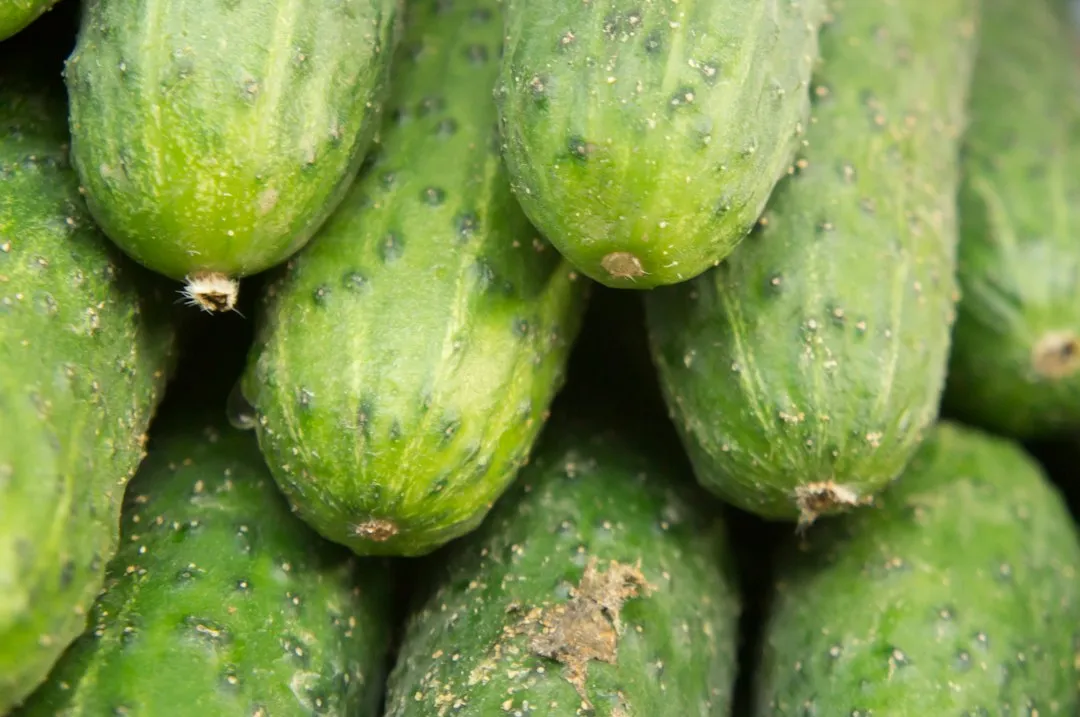
Insects feeding on young pumpkins before the shell hardens can result in scarring damage that may resemble bumps on the surface. The University of California Davis Integrated Pest Management website advises that cucumber beetles are usually the cause of this and pose a problem for all cucurbit crops.
Insects like cucumber beetles can also give pumpkins a bumpy appearance if they start feeding on them before their shells have had a chance to harden. The damage leaves behind scar tissue that firms up and raises as the pumpkin continues to grow, creating rough patches that look similar to genetic warts from a distance. The young of this insect also chew on the leaves and vines, and these beetles spread mosaic virus as well.
Edema: Too Much Water, Too Fast
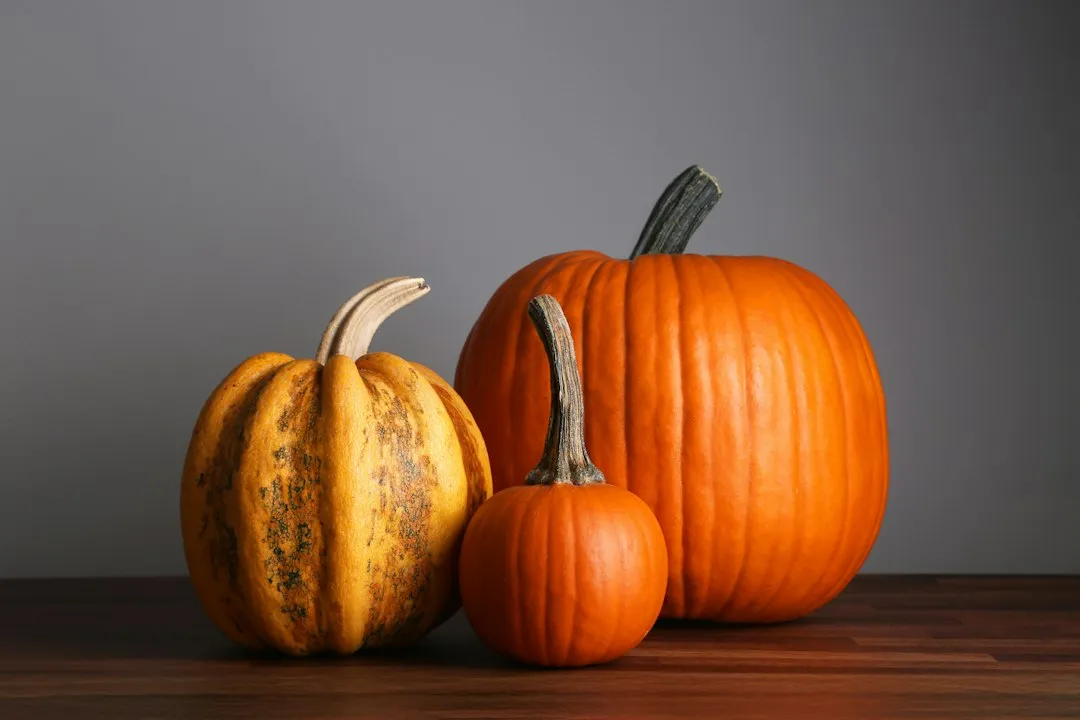
Pumpkins can also develop warts due to edema. The physiological condition occurs when the water in a plant doesn’t evaporate fast enough as it absorbs more water through its roots. The excess moisture leads to increased turgor pressure, causing the pumpkin’s inner cells to swell. The expansion of the inner cells damages and discolors exterior cells, which leaves the gourd with grayish-brown imperfections.
Edema is an accumulation of water within the pumpkin, caused by wet and cool weather conditions. Excess water creates enlarged cells that burst, causing the tissue to heal and create an enlarged, corky area on the skin. Edema usually affects the part of the pumpkin lying on the ground. Lifting pumpkins slightly off wet soil or ensuring proper drainage can help reduce how severely edema develops.
Cell Growth Disruption: The Cellular View
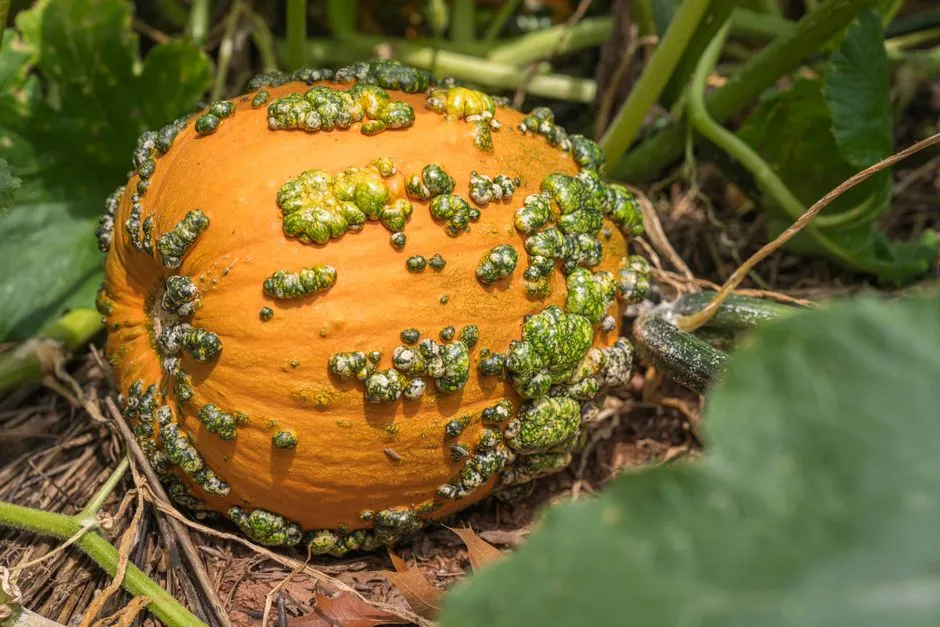
In a healthy pumpkin, cells grow at an even pace. Any disruptions caused to a cell can create lumpy areas which result in warts. This can happen for a wide range of reasons, from mechanical impact early in development to rapid growth spurts triggered by inconsistent watering. Knucklehead pumpkins were intentionally bred over time to be a larger, wart-covered variety designed for ornamental use. The skin develops this bumpy appearance through uneven, accelerated cell growth.
Pumpkins respond to adjustments of their surroundings, and factors like drought, severe temperatures, or nutrient imbalances within the soil can result in wart formation. Warts may appear because the plant adapts to these conditions. There’s a kind of elegant logic to it: the pumpkin’s skin is essentially recording the story of its growing season.
Are Warty Pumpkins Safe to Eat?
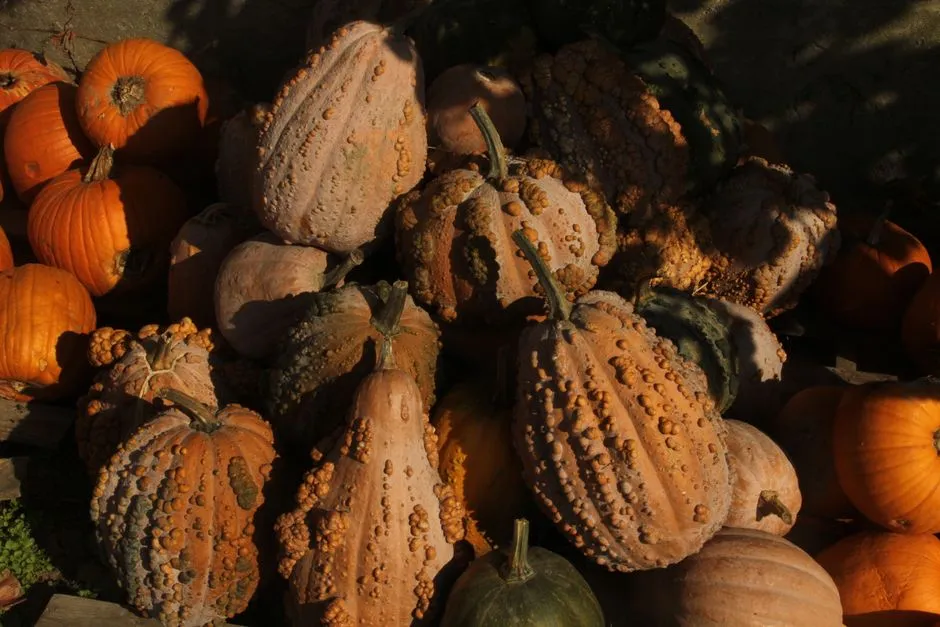
They may look weird, but warty pumpkins are perfectly fine to eat. Whether the bumps come from selective breeding or a sugar-rich interior, there’s no reason to pass them by at the market. Although mosaic viruses mean the fruit will be smaller and unusual looking, they don’t affect the shelf life or edibility of mature pumpkins. Some pumpkins affected by viruses may even make it to the market as novelty specimens.
While unsightly, mosaic-afflicted pumpkins can still be eaten, although they may be of lesser quality than unaffected fruit. For edema-affected or sugar-warted varieties like the Galeux d’Eysines, the eating experience can actually be better than a smooth-skinned pumpkin. It has a delicious flavour and very high sugar content at maturity, making it simply the best smooth-textured pumpkin for pies.
Final Thoughts
Pumpkin warts are one of those things that look alarming but usually aren’t. Whether they’re the result of generations of careful crossbreeding, sugar forcing its way through the skin, aphid-transmitted viruses, or a season that was simply too wet, those bumps carry a story about how the plant lived and grew.
The next time you see a knobby pumpkin sitting awkwardly in a pile of smooth ones, it might be worth picking it up. It could be the sweetest one in the batch. When it comes to selection, the more warts, the sweeter the pumpkin. That’s a piece of old horticultural wisdom that holds up surprisingly well.
AI Disclaimer: This article was created with the assistance of AI tools and reviewed by a human editor.