

What Is Actually Happening Inside Your Legs

Peripheral edema, another name for leg swelling, is the result of fluid buildup in your tissue due to a disturbance in the fluid balance among your cells. The term for this process is edema, and it describes fluid that has leaked out of blood vessels and settled in the surrounding soft tissue.
The body normally maintains a careful balance between fluid in blood vessels and fluid in tissues, and when this balance is disrupted, swelling results. That balance can tip for dozens of reasons, from something as simple as sitting at a desk all afternoon to something as serious as a failing heart valve.
Although edema can occur anywhere in the body, it is most commonly seen in the ankles, feet, and legs. Their position at the bottom of your body makes them the natural collecting point for anything that drains downward throughout the day.
The Role of Gravity: Why Evening Is the Worst Time

Gravity pulls fluid downward throughout the day, which explains why ankles often look worse by evening. Every hour you spend upright, whether standing or sitting, adds to the cumulative pressure pushing fluid toward your lower legs.
Throughout the day, gravity causes blood and fluid to drift toward the lower legs, especially when a person is sitting or standing for long periods. The veins must work harder to push blood upward toward the heart, and if they are not functioning properly, fluid can accumulate around the ankles.
To get blood back up to your heart, your body relies on your veins and the contraction of your calf muscles. When you stand or sit still for extended periods, those calf muscles remain inactive. Gravity then takes over, causing blood and fluid to pool in the lowest parts of your body.
The Calf Muscle Pump: Your Body’s Built-In Defense
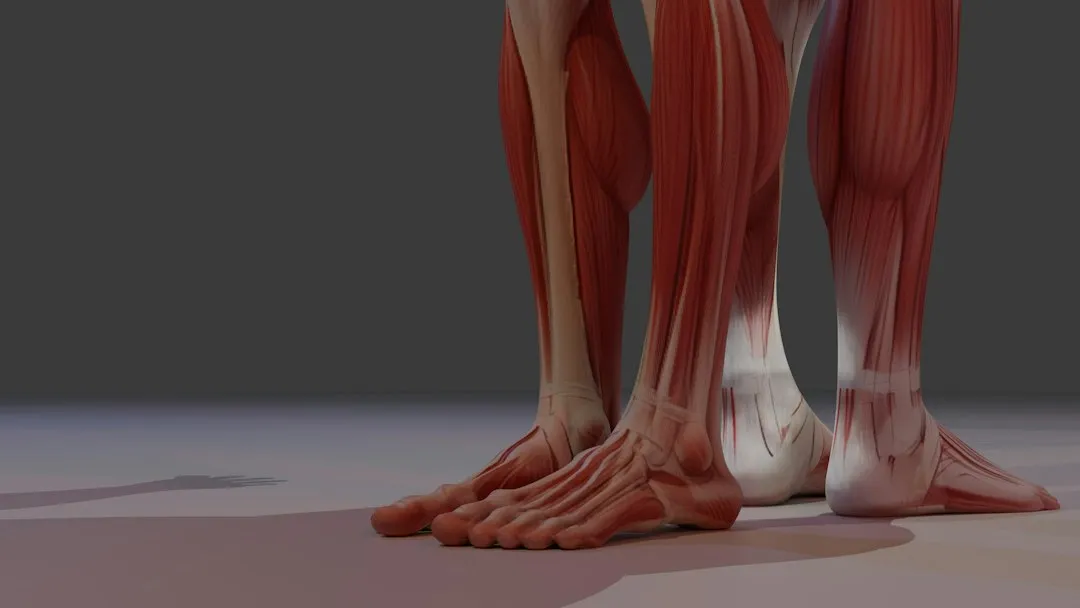
The calf muscles normally act as pumps, pushing blood back toward the heart with each step, and without movement, this pumping action stops, and fluid seeps into surrounding tissues. It’s one of the more elegant pieces of human physiology, and most of us take it completely for granted.
When you sit at a desk, calf-pump activity drops by about 75 percent, slowing venous return. That’s a significant drop, and it helps explain why a full day of desk work can leave your ankles looking markedly different by dinner time compared to a day when you were active and on your feet.
Your calf muscles act as a secondary pump, squeezing veins with each step. Less muscle mass means a weaker pump. This is one reason older adults tend to experience ankle swelling more frequently, even without any underlying disease.
Chronic Venous Insufficiency: The Most Common Culprit

The most common cause of evening swelling is chronic venous insufficiency. When the valves inside the leg veins become weak, blood flows backward and pools in the lower legs. This results in heaviness, aching, cramping, itching, and swelling that gradually worsens throughout the day.
Up to 40 percent of adults have some venous insufficiency; worn valves let blood pool in the lower legs by late day. That’s a substantial portion of the population quietly dealing with this every single evening.
If your ankles look normal in the morning and puffy by dinner, that timing pattern itself is a clue. It points toward a vein-related cause rather than a kidney, heart, or medication-related one, which tend to cause swelling that doesn’t reset overnight.
Salt, Diet, and the Fluid Retention Connection
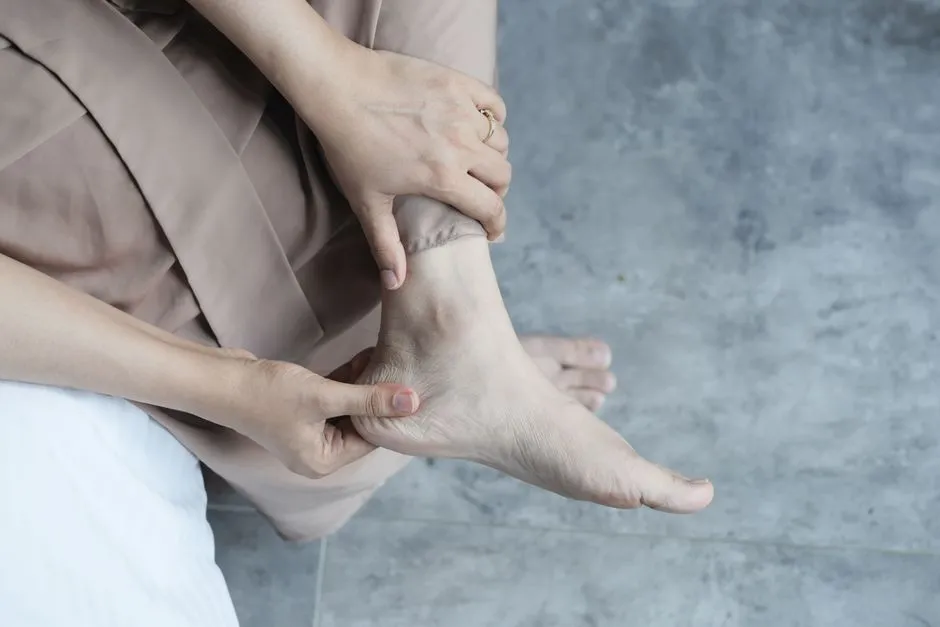
Eating a sodium-heavy meal triggers the body to retain water, and this retained fluid often shows up as ankle swelling within hours. This is one of the fastest dietary effects on visible body swelling you can observe in real time.
A high-sodium lunch can increase extracellular fluid volume by as much as one litre, exaggerating afternoon swelling. That’s a meaningful volume, especially when it’s concentrated in the tissues around your ankles and feet.
Ironically, when you don’t drink enough water, your body holds on to more fluid. High-sodium meals can worsen this, leading to puffy ankles by the end of the day. Staying well hydrated, perhaps counterintuitively, actually helps reduce fluid retention rather than add to it.
When Medications Are Part of the Problem

Certain medications, like blood pressure or steroid medications, can contribute to evening ankle swelling alongside hormonal changes, high-sodium diets, and prolonged sitting. It’s a factor that often goes unnoticed because patients don’t immediately connect a new prescription to a change in how their ankles look.
Your metabolic health also plays a role. Dietary choices, hydration levels, and hormonal fluctuations can cause your body to hold onto excess water. Progesterone in particular has a real effect on vessel tone, which explains why many women notice more swelling in the second half of their menstrual cycle.
Progesterone in the late menstrual cycle or pregnancy relaxes vessel walls, allowing more fluid leakage. Pregnancy-related ankle swelling is one of the most common forms of edema, and while usually benign, it can in some cases signal preeclampsia, which warrants medical review.
Heart, Kidney, and Liver Disease: When It’s Systemic

Heart failure is linked to swollen ankles and feet because the heart muscle is too weak or stiff to pump blood around your body properly. It can be one of the first signs of heart failure and can be an ongoing symptom of the condition.
Liver disease can affect the liver’s production of a protein called albumin, which keeps blood from leaking out of the blood vessels into the surrounding tissue. Not producing enough albumin can lead to fluid leakage. Gravity causes this excess fluid to collect in your feet, ankles, and sometimes even in your abdomen and chest.
The kidneys regulate fluid and salt balance. When they’re not working well, fluid can accumulate in the ankles. Kidney-related swelling often also appears around the eyes in the morning, which sets it apart from purely venous causes.
Deep Vein Thrombosis: The Swelling That Demands Urgent Attention

Sudden or severe swelling in one leg, especially with warmth or pain, should be evaluated urgently to rule out deep vein thrombosis (DVT). DVT is a blood clot forming inside a deep vein, usually in the calf or thigh, and it carries real risk if left untreated.
One-sided sudden swelling raises concern for DVT, injury, infection, or local venous disease. The distinction between one leg and both legs swelling is one of the first things a doctor will notice, because it dramatically narrows the list of likely causes.
Rapid or sudden swelling in one leg could indicate a blood clot or deep vein thrombosis, and this condition requires urgent care. If a clot breaks free and travels to the lungs, the result is a pulmonary embolism, which is a genuine medical emergency.
Pitting vs. Non-Pitting: A Simple Test That Matters
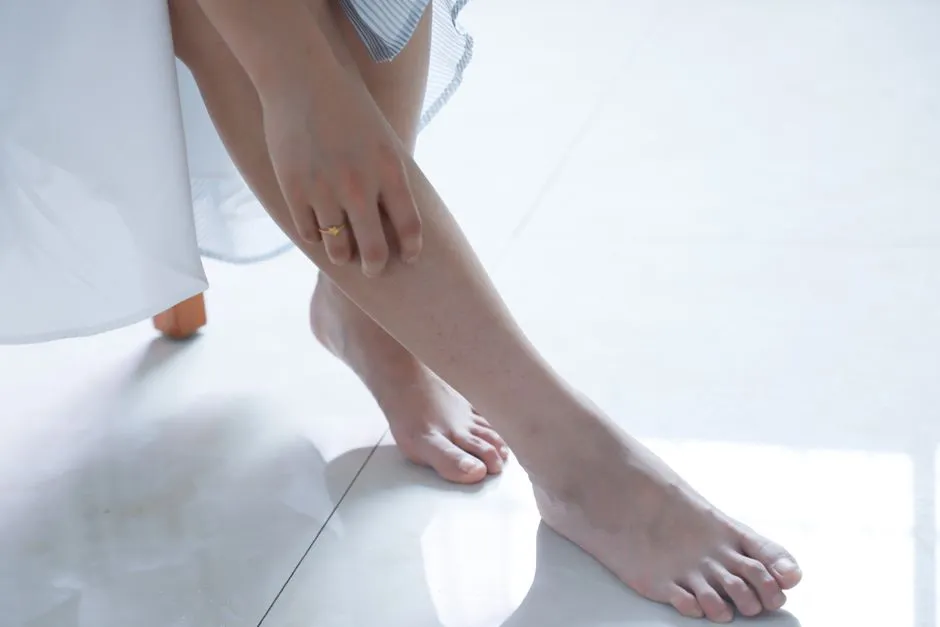
Pitting edema occurs when excess fluid builds up in the body, causing swelling; when pressure is applied to the swollen area, a “pit” or indentation will remain. This is something you can check at home simply by pressing a finger firmly against the swollen area for a few seconds and observing what happens when you release.
This typically indicates fluid that has accumulated in tissue spaces and can be displaced. It is common with heart failure, kidney disease, and venous problems. Non-pitting edema, where the skin springs back immediately, is more often associated with lymphedema or thyroid conditions.
Signs of edema to watch for include swelling or puffiness of the tissue directly under your skin, stretched or shiny skin, and skin that retains a dimple after being pressed for several seconds. Any of these alongside other symptoms warrants a conversation with a doctor rather than a wait-and-see approach.
When Doctors Say You Should Worry

Key warning signs include sudden swelling, swelling in only one leg, chest pain, shortness of breath, or skin discoloration, all of which may indicate a serious condition requiring urgent care. These are the situations where calling a doctor the same day, or going directly to an emergency department, is the right move.
Warning signs that heart failure may be involved include breathlessness, fatigue, reduced exercise tolerance, needing extra pillows at night, waking up breathless, rapid weight gain, or palpitations. Ankle swelling alone rarely tells the full story; it’s the company it keeps that raises or lowers the alarm.
Other reasons to see a doctor include swelling that keeps coming back, swelling that is affecting walking or daily life, skin changes, itching, wounds or discoloration, and swelling that began after starting or changing a medication. Persistent swelling that consistently resets overnight is worth monitoring, but swelling that fails to improve by morning is harder to dismiss.
Practical Steps That Actually Help

Simple fixes work for most people: walking breaks every hour, ankle circles while seated, and elevating feet when possible. These are low-effort interventions with a genuine physiological basis, not just folk wisdom.
Because gravity causes dependent edema, elevating the affected area to above heart level allows the excess fluid to drain toward the heart. If edema affects the feet, lying down and propping up the legs with cushions can help. Even twenty to thirty minutes of elevation after a long day makes a measurable difference for most people with benign evening swelling.
Taking medication to remove excess fluid and reducing the amount of salt in your food often relieves edema. For those with mild, lifestyle-driven swelling, these two changes alone, cutting sodium and getting daily movement, frequently resolve the issue without any further intervention.
The Takeaway
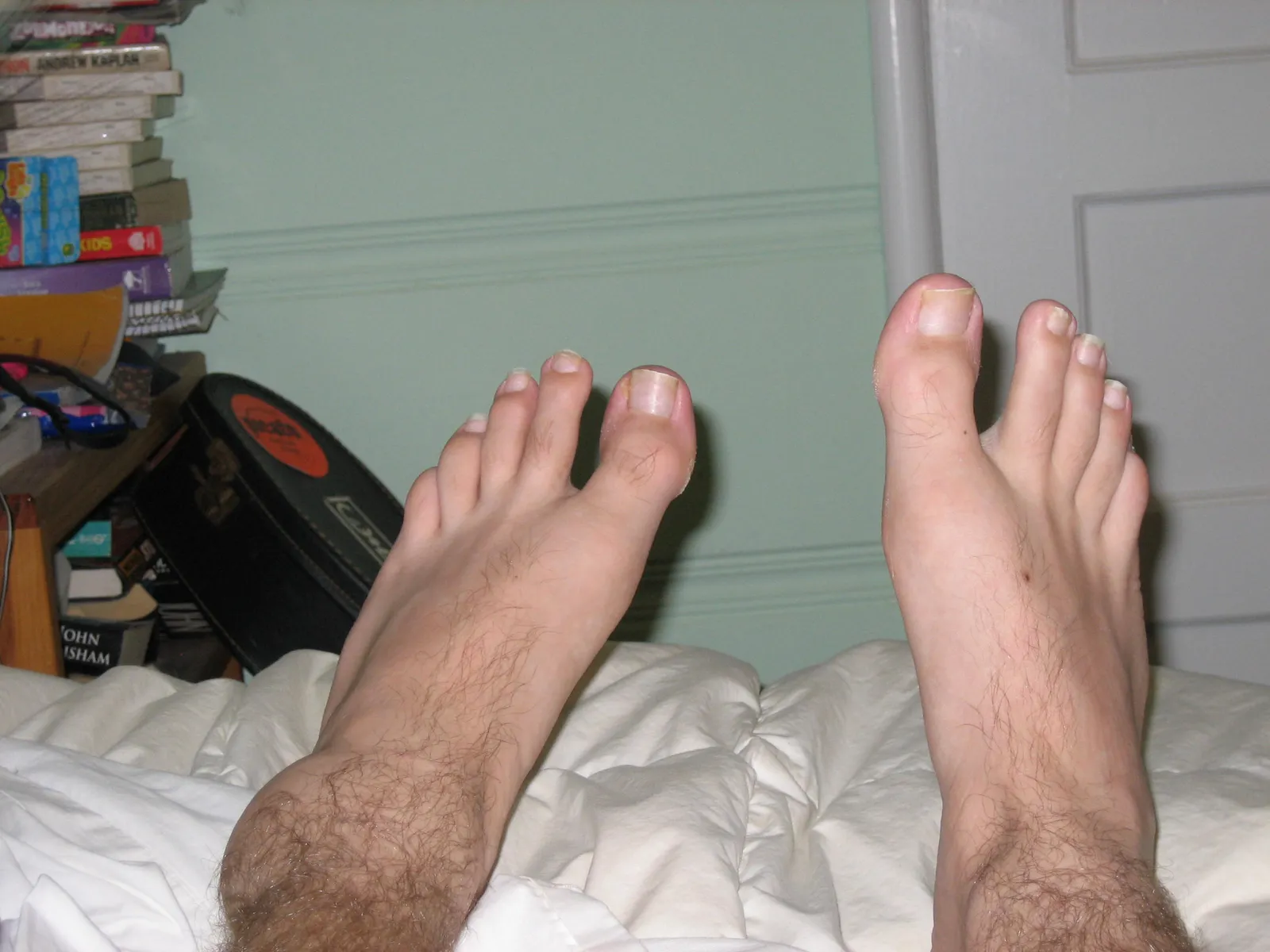
Evening ankle swelling is one of those things the body does reliably, and in the vast majority of cases, it’s simply the accumulated result of an upright day working against basic physics. Gravity, diet, sedentary habits, and mildly leaky vein valves account for most of what people experience.
The cases that genuinely deserve attention tend to announce themselves clearly: one swollen leg that hurts, breathlessness that arrived alongside the swelling, swelling that doesn’t reset by morning, or pitting edema that appeared without any obvious cause. Those details change the conversation entirely.
A body that swells mildly by evening and recovers overnight is largely doing what bodies do. A body that swells without explanation, without relief, or with accompanying symptoms, is asking you to pay closer attention. The difference between the two is usually not subtle, and that distinction is where doctors spend most of their time.
AI Disclaimer: This article was created with the assistance of AI tools and reviewed by a human editor.