

The Basic Mechanics: What Actually Happens When a Hand Goes Numb

The most common reason your hands go numb while you sleep is nerve compression caused by your sleeping position. Bending your wrists, tucking your hands under your body or pillow, or sleeping with your elbows sharply bent can put enough pressure on the nerves running through your arms and hands to cut off normal signaling.
Nerve compression happens when something puts extra pressure on a nerve. If your hand is numb, it’s likely due to compression of your ulnar, radial, or median nerves. Each of these nerves starts at your neck and runs down your arms and through your hands.
In most cases, the numbness resolves within seconds or minutes of shifting position. But when it happens frequently or persists after waking, an underlying condition may be involved.
Sleep Position Is the Most Common Culprit

The most common and harmless reason for hand numbness while sleeping is a poor sleeping position, which can lead to temporary circulation issues. Back and side sleepers often place their arm under their head or pillow, which can pinch nerves and restrict blood flow.
During the day, you constantly shift your arms and hands without thinking about it. At night, you stay in one position for long stretches, and that sustained pressure is exactly what irritates the nerves.
Waking up with numbness only in your hands and fingers typically isn’t a cause for concern if you don’t have other symptoms. Sleeping in a different position or keeping your wrists and elbows straight while you sleep may be enough to improve numbness.
Carpal Tunnel Syndrome: The Most Well-Known Medical Cause
The most common medical cause of nighttime hand numbness is carpal tunnel syndrome. A narrow passageway of bone and ligament in your wrist, called the carpal tunnel, houses the median nerve along with several tendons. When anything swells or takes up extra space inside that tunnel, it squeezes the median nerve.
The symptoms are typically worse at night and characteristically awaken affected patients from sleep. Research published in a 2022 neurology journal noted that approximately 80% of patients with carpal tunnel syndrome wake during the night due to symptoms.
The estimated prevalence of carpal tunnel syndrome in the general population is between one and five percent. It is more frequent in females, with a female-to-male ratio of approximately three to one. According to a 2024 global meta-analysis, studies analyzing over five million individuals revealed a prevalence of carpal tunnel syndrome ranging widely, with an overall pooled estimate of around fourteen percent based on thirty studies.
Cubital Tunnel Syndrome: The Elbow’s Role

If the numbness is mainly in your pinky and ring finger, the ulnar nerve is the more likely culprit. This nerve runs along the inner edge of your elbow, the spot that stings when you hit your “funny bone,” and stretches every time you bend your arm. When your elbow stays bent past 90 degrees for a long time, which is easy to do while sleeping, the nerve loses blood supply and sends distress signals as numbness and tingling.
If the numbness is concentrated in your ring finger and pinky, the ulnar nerve is more likely being compressed. This nerve runs along the inner side of your elbow, in the groove you know as the “funny bone.” Sleeping with your elbow bent beyond 90 degrees stretches and compresses the ulnar nerve against the bone.
What Your Fingers Are Actually Telling You

The location of numbness matters. It can originate at your wrist in carpal tunnel syndrome, at your elbow in cubital tunnel syndrome, or in your neck from cervical nerve compression.
The hallmark of classic carpal tunnel syndrome is pain or numbness in a distribution that includes the median nerve territory, with involvement of the first three digits and the radial half of the fourth digit. In other words, if your thumb, index, and middle fingers are the ones that go numb, the median nerve at your wrist is almost certainly involved.
If it’s your ring finger and pinky, that points to the ulnar nerve and the elbow instead. Paying attention to which specific fingers are affected can meaningfully shorten the road to a correct diagnosis.
Diabetes and Peripheral Neuropathy

Chronically elevated blood sugar damages nerves directly and weakens the tiny blood vessels that supply those nerves with oxygen. This process, called diabetic neuropathy, typically starts in the feet and legs but can progress to the hands and arms. Symptoms are often worse at night and include numbness, tingling, and burning sensations.
Diabetic neuropathy is one of the most frequent complications of diabetes, affecting nearly half of all people with diabetes during their lifetime. According to a 2025 update from the American Association of Neuromuscular and Electrodiagnostic Medicine, in type 2 diabetes, up to thirty percent of patients show evidence of nerve injury within the first five years of diagnosis.
Diabetes also increases the risk of developing carpal tunnel syndrome, because peripheral nerves in people with diabetes are more susceptible to compression. That means the two conditions can occur together, sometimes making diagnosis more complicated.
Cervical Spondylosis: When the Problem Starts in the Neck

In the United States, more than roughly eight and a half out of ten people over 60 have some form of cervical spondylosis. The condition is a general term for age-related breakdown of the cervical vertebrae.
When the disks between vertebrae erode and shift out of place, the resulting compression can cause numbness practically anywhere in the body, including the hands. What makes this tricky is that the source of the problem is the neck, not the hand itself. Many people spend a long time treating the wrong location before the real cause is identified.
Few case reports have demonstrated how cervical myelopathy can convincingly mimic more benign peripheral nerve diseases such as carpal tunnel syndrome, and early recognition can be genuinely difficult.
Vitamin B12 Deficiency and Nutritional Causes

Vitamin B12 is essential for maintaining the protective coating around your nerves. When that coating, called the myelin sheath, begins to break down due to low B12 levels, nerve signals become erratic. The hands and feet are typically among the first places where this shows up as tingling or numbness.
Vitamin B12 deficiency can produce nerve symptoms similar to other causes of nighttime hand numbness. People who follow strict vegan diets, take certain medications long term such as acid reflux drugs, or have absorption problems are at higher risk.
Vitamin B12 deficiency is the nutritional cause most commonly associated with nerve symptoms. Numbness from this cause usually involves both hands and often the feet rather than a specific finger pattern, and is identified through blood work.
Pregnancy and Temporary Hormonal Causes

Thyroid disorders, particularly an underactive thyroid, can also cause tissue swelling that compresses nerves in the wrist. Pregnancy is another well-established trigger. Fluid retention during pregnancy increases pressure within the carpal tunnel, often causing nighttime numbness that can feel alarming but usually resolves after delivery.
Low levels of potassium, magnesium, or calcium can also increase the chance of numbness. These factors usually cause mild and occasional tingling, but they can add to other causes of hand numbness if they happen often.
When to Stop Ignoring It and See a Doctor

Unexplained numbness in your hands can be an alarming symptom to wake up with, but it’s usually nothing to worry about if that’s your only symptom. The occasional numb hand after an awkward night’s sleep is genuinely common and not a reason to panic.
However, if you have numbness in your hands alongside any other unusual symptoms, like numbness elsewhere, make an appointment with your healthcare provider. Persistent or worsening symptoms, especially those involving weakness, loss of coordination, or numbness spreading to other body parts, deserve prompt evaluation.
A nerve conduction study can help identify whether a nerve is compressed at the wrist, elbow, or another location. An EMG may assess the electrical activity of muscles and help distinguish peripheral nerve compression from cervical nerve-root involvement.
What You Can Do Right Now

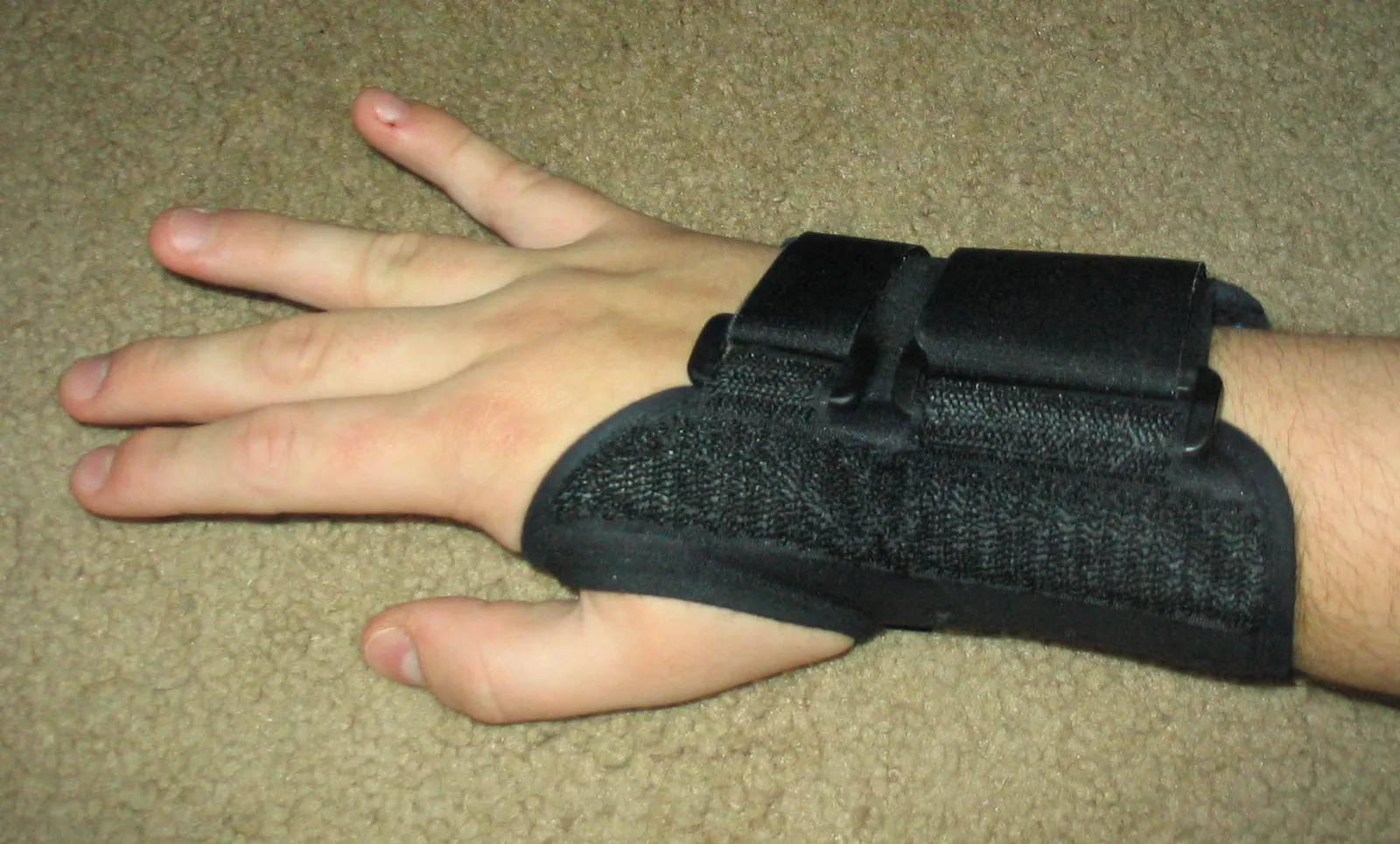
Current mainstream non-surgical treatments for carpal tunnel syndrome include rest, restriction from activities that aggravate symptoms, splinting the wrist in a neutral position, anti-inflammatory medication, and cortisone injections. For positional causes, the fix is sometimes as simple as adjusting how you hold your arm during sleep.
Sleeping in a different position or keeping your wrists and elbows straight while you sleep may be enough to improve numbness. Wrist splints worn at night are widely recommended for carpal tunnel syndrome specifically, as they prevent the wrist from bending into positions that increase pressure on the median nerve.
For systemic causes like diabetes or vitamin deficiency, treatment is focused on the underlying condition rather than the hand itself. Getting the root cause right matters more than chasing the symptom.
The Takeaway

Waking up with numb hands is far more common than most people realize, and in the majority of cases, the explanation is straightforward. Sleeping position, nerve compression, and carpal tunnel syndrome account for a large share of the experiences people have every night.
Still, repetition is worth paying attention to. A hand that goes numb once is probably just an awkward night. A hand that goes numb three or four times a week, especially with tingling that lingers after waking, is the body doing its best to flag something worth checking out. The good news is that most causes are treatable once correctly identified.
Sleep is too important to sacrifice to something that, in many cases, has a clear solution. If the nightly shaking and waiting is becoming routine, that routine is reason enough to act.
AI Disclaimer: This article was created with the assistance of AI tools and reviewed by a human editor.