

It’s a Normal Process, Not a Death Sentence
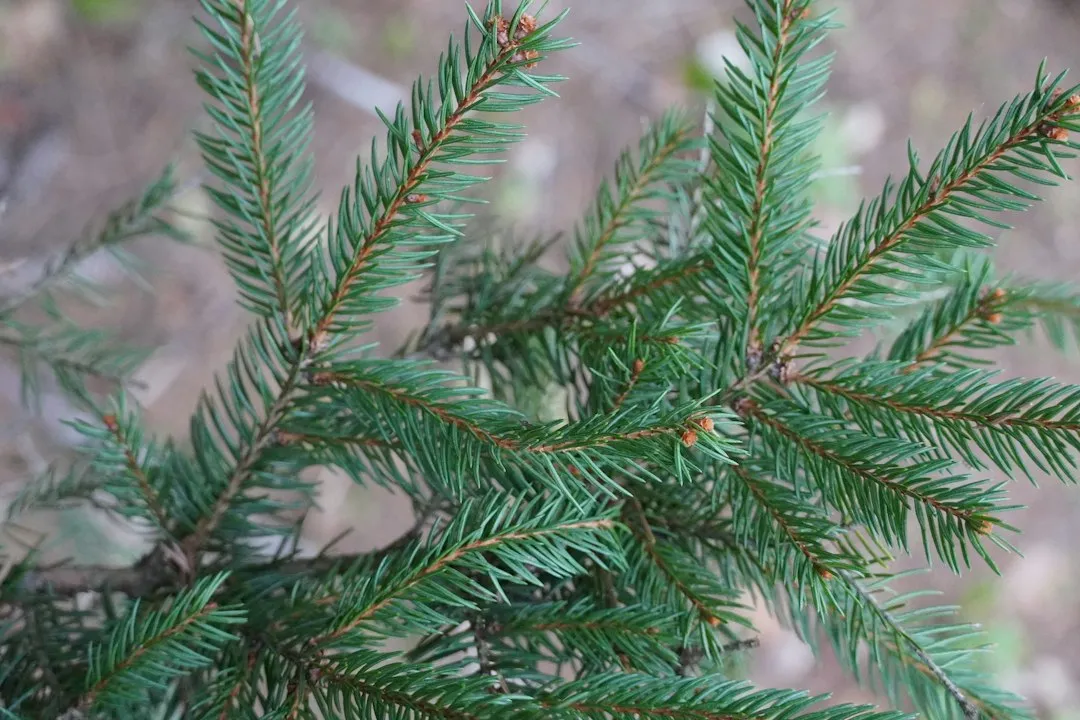
Yellowing and loss of old needles in the fall is normal for pine, spruce, arborvitae, hemlock, and most evergreen conifers in the midwest. The sight of interior yellowing startles people because we associate evergreens with, well, ever-green. Most folks understand and look forward to the fall color change in maples, oaks, hickories, and other hardwood trees. Fall needle drop in conifers is just as normal as leaf drop in deciduous trees.
Fall needle drop is a very natural process during the fall season and it’s not a sign of the tree being stressed. The natural needle loss only affects the inside of the tree. The outer edges and branch tips remain green throughout the whole process, which is exactly the key sign to look for.
Where the Yellow Appears Tells You Everything
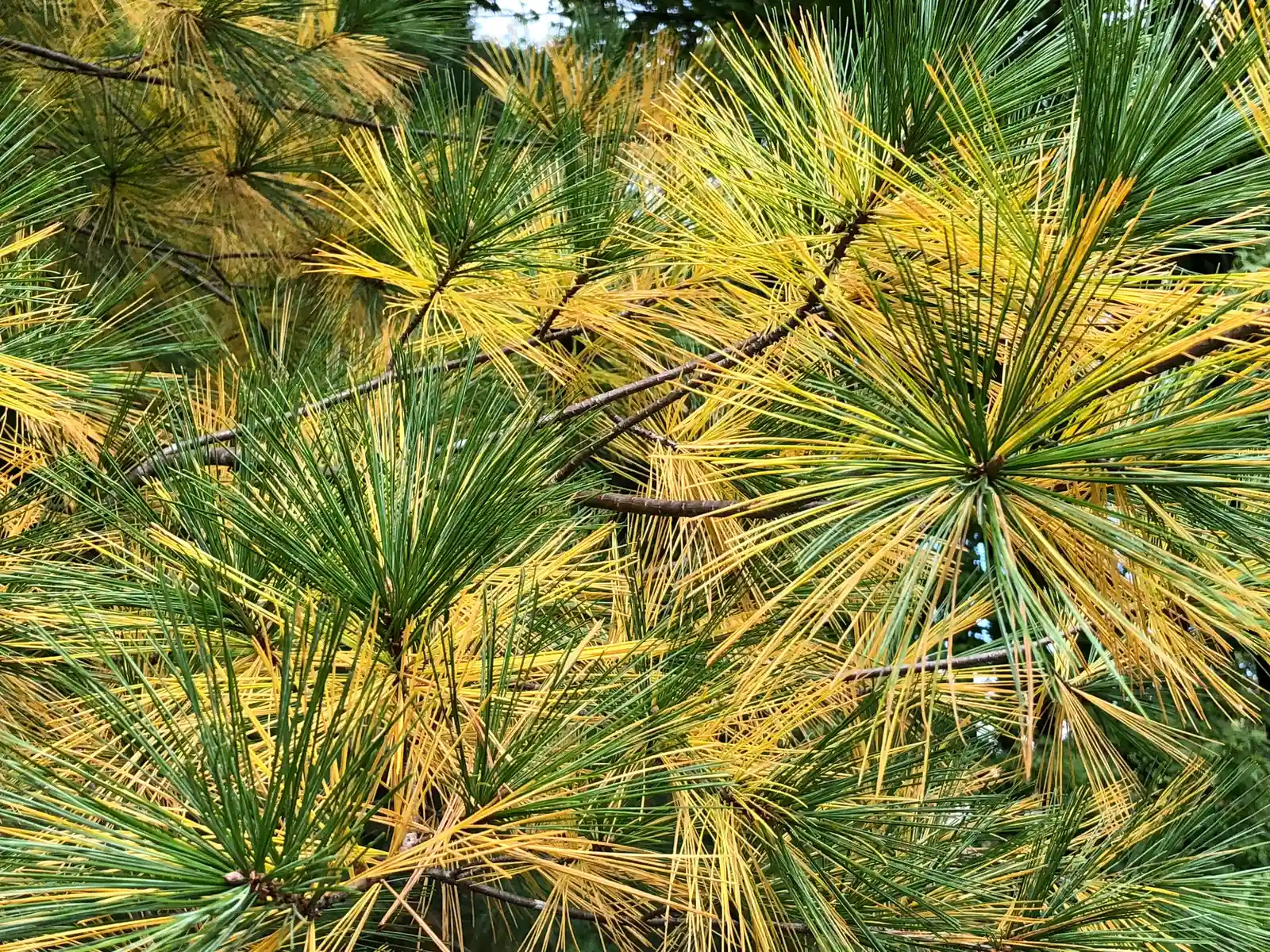
Healthy conifers produce new needles at the ends of their branches while older needles remain farther back, closer to the trunk. Eventually those older needles have done their job. In fall, they may turn yellow, tan, reddish-brown, or rusty before dropping.
That pattern is the big clue: yellowing on the inside, green growth at the tips. University of Minnesota Extension describes normal seasonal needle drop in pines as older inner needles turning completely yellow, usually without spots, and then falling in autumn. If you see spots, lesions, or yellowing that starts at the branch tips rather than the interior, that’s a different and more serious story.
The Science Behind the Yellow Color
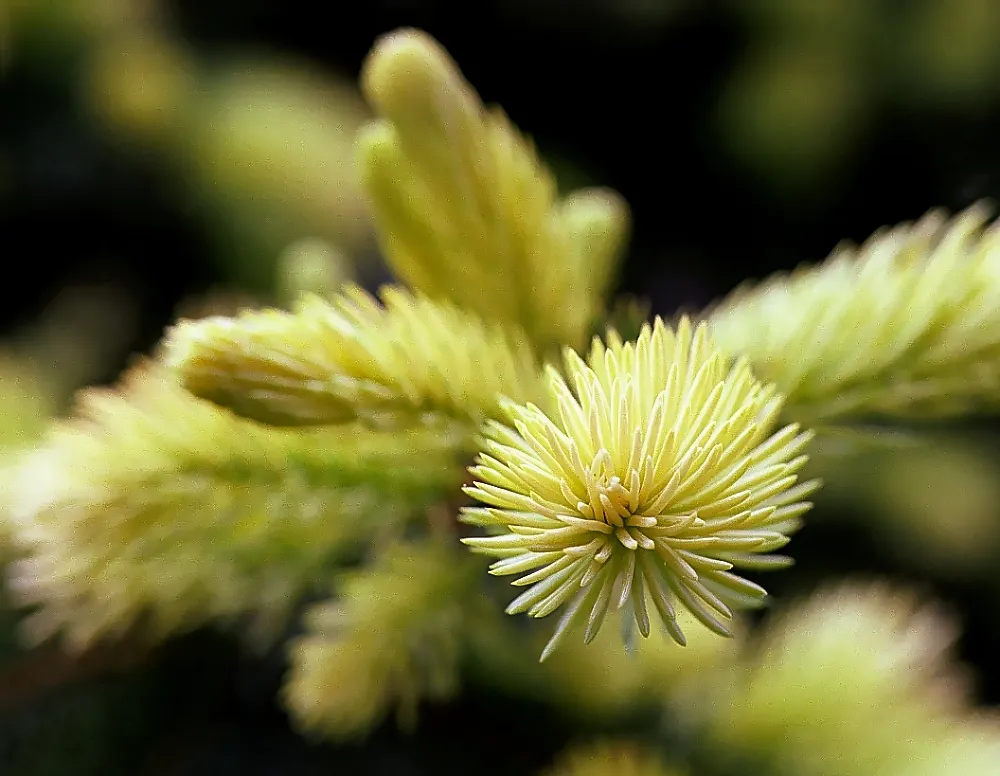
Over time, pine needles enter a phase of functional decline. Chlorophyll and proteins gradually degrade, and their appearance changes from dark green to yellowish-green or brownish-yellow. During this process, a significant nutrient reflux occurs, where mobile nutrients such as nitrogen and phosphorus are translocated to branches or new growth tissues.
As the green chlorophyll breaks down and various chemicals are drawn from the needles, the yellow and orange colors are revealed. It’s almost identical to what happens in deciduous leaves every fall. The green pigment was always masking the yellow underneath. Once chlorophyll breaks down, the underlying pigments become visible.
How Old Are These Needles, Exactly?
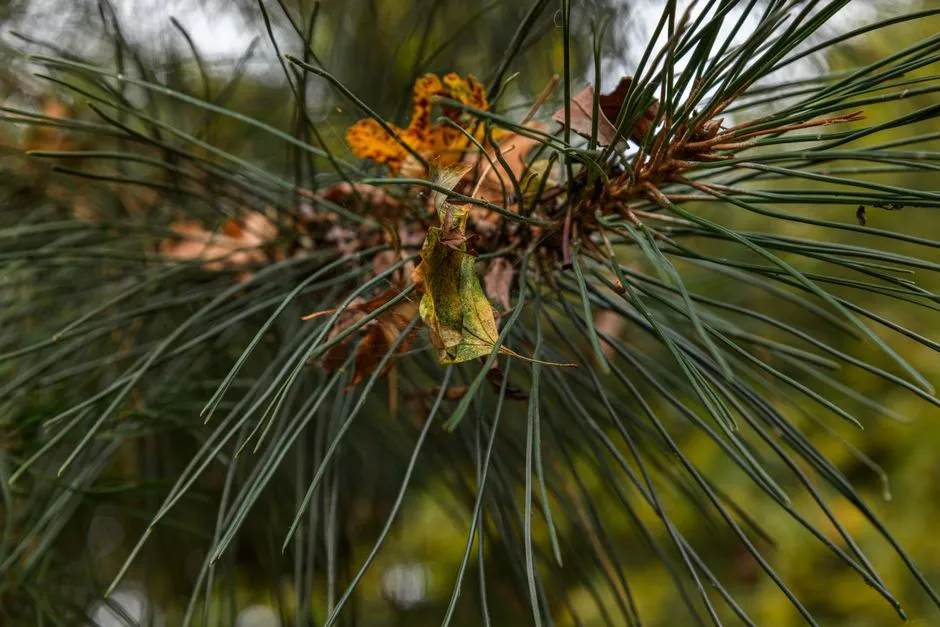
The annual loss of needles can be especially alarming on mature white pines, as the number of yellow needles outnumbers the current season’s green growth. Typically, white pines will retain needles for three years, but in autumn, two- or three-year-old needles will change color and drop, leaving only the current season’s growth still attached.
Austrian and Scots pines usually retain their needles for three years. Red pine drops its needles in the fourth year. Other conifers like Fraser fir, Concolor fir, Douglas fir, and spruces hold their needles for five or more years, so it is unusual to find shedding of interior needles in late September or October. The differences between species explain a lot about why some trees look far more dramatic in the fall than others.
Why the Tree Bothers Shedding at All
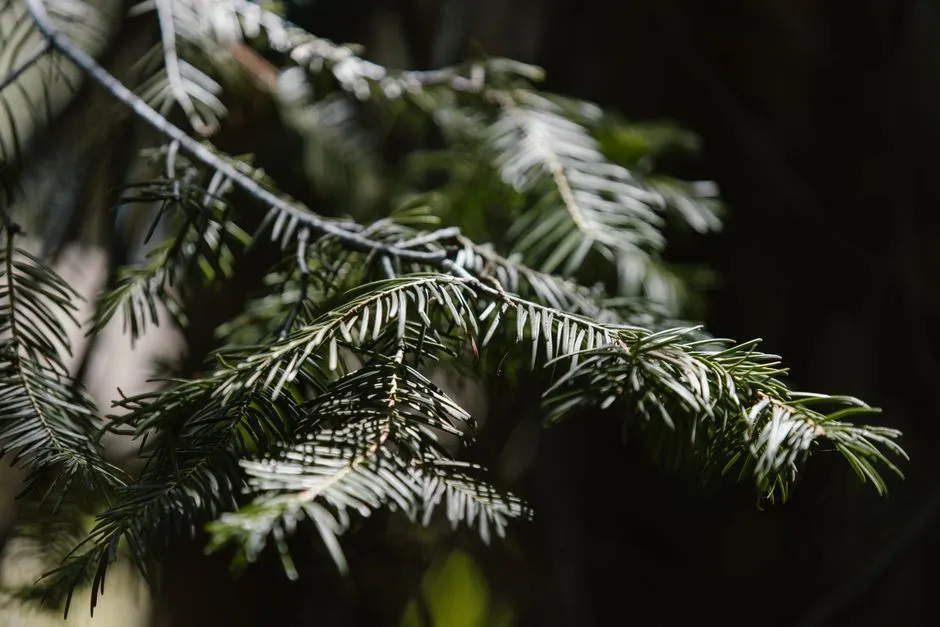
As conifers grow, the older interior needles become shaded by new outer growth. This lack of sunlight causes those interior needles to become less efficient in photosynthesis, prompting the tree to release them. The process is similar to deciduous trees shedding leaves in fall, except that evergreens retain their outer layers of green needles.
Conifers drop their needles to conserve energy for surviving the winter. All living tissue on trees requires stored sugars and water to survive during cold. Also, as the trees grow, these oldest needles are often shaded by newer growth on the outer portions and not able to photosynthesize efficiently. The tree sheds these “useless” needles to save energy.
What Triggers the Timing Each Year
The change in color and eventual drop of foliage is simply a physiological response to the shorter days and cooler temperatures as trees prepare themselves for the winter. It’s not frost itself that sets things in motion. It’s the gradual shortening of daylight hours that pines detect first.
The trigger for this mass shedding is not primarily cold weather, but the measurable decrease in daylight hours combined with cooling temperatures. The most significant and noticeable shedding of pine needles, which creates the bulk of pine straw, occurs during the late summer and autumn months. For most regions in the Northern Hemisphere, this heavy drop typically peaks between September and November.
The Nutrient Recovery System Hidden in the Process
Pine trees effectively recycle nutrients such as nitrogen and phosphorus from the needles, drawing them back into the tree, similar to the process broad-leaved trees go through in the fall. This is a living function for the tree as it prepares to cast off the oldest needles that have served for almost three seasons.
Nutrients such as calcium and magnesium do not translocate and remain in the needles when they fall. So the tree is selective about what it reclaims. Mobile nutrients get pulled back in; others stay with the needle and eventually decompose into the soil below, enriching the ground around the tree’s own roots.
How Much Needle Loss Is Too Much?
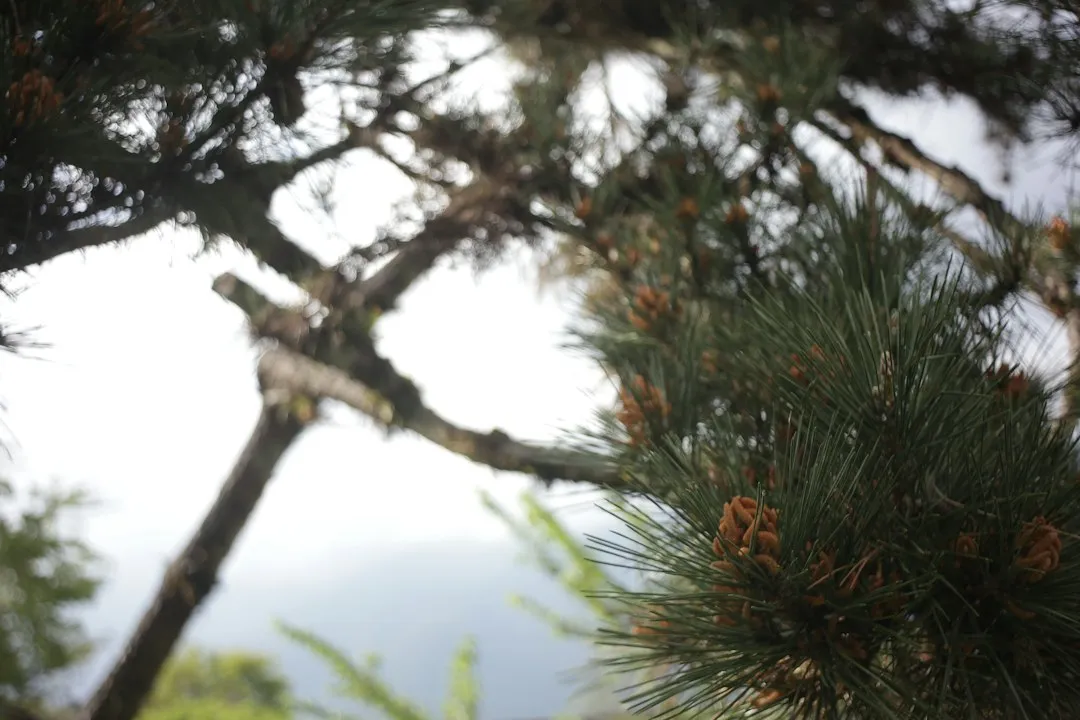
A typical pine tree can lose up to roughly one third of its needles each year. This is normal development in that tree. If your pine tree has browning needles toward the center of the tree, this is no cause for concern.
Needles on the lower portions of the crown or closest to the trunk are most commonly shed, but trees stressed due to drought or root damage may shed more needles to keep the tree in balance with its root system. Soon-to-be shed needles typically yellow first; then, they turn a reddish-orange or brown color before dropping off. Trees can have varying levels of needle shed, even within the same property or general area. So comparing two neighboring pines and finding different levels of yellowing is perfectly expected.
When Drought Accelerates the Process
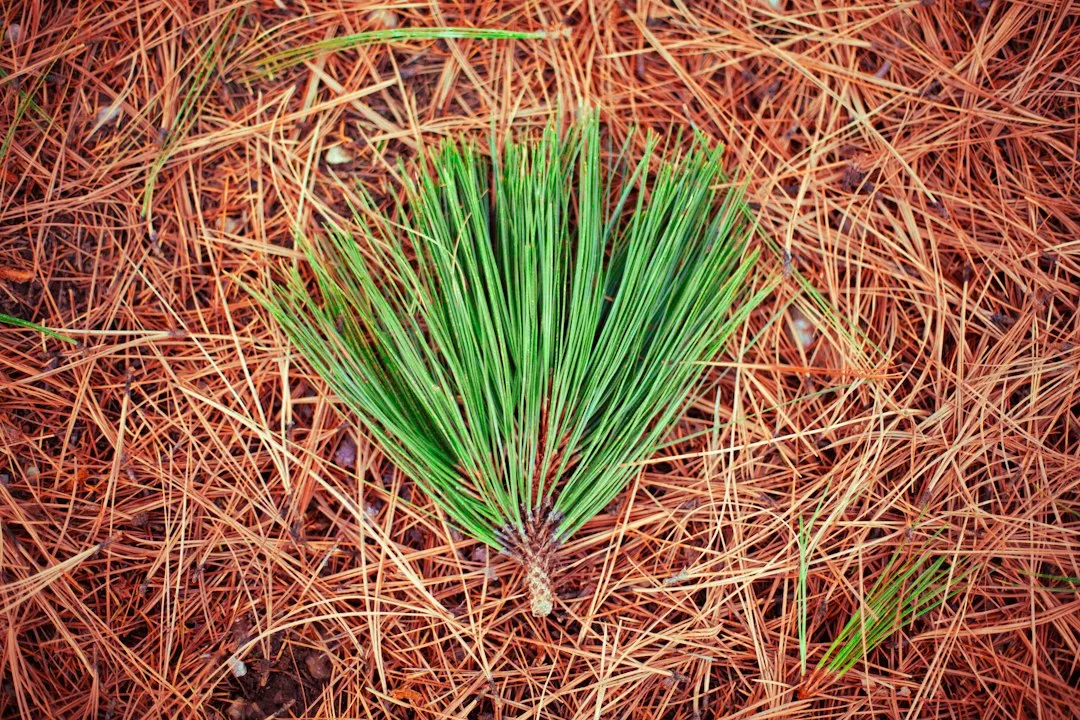
When conifers such as white pines experience stress from heat or drought, they naturally shed older needles to reduce water loss and energy demand. The Mid-Atlantic region often sees this occur following stretches of hot, dry weather in August and early September. Shedding interior needles allows the tree to conserve resources and maintain overall health.
In times of drought, needle discoloration may be particularly noticeable, because more needles are shed in response to environmental stress. The fundamental biology is the same, just compressed. The tree isn’t waiting for October. It’s responding to the conditions already stressing it, shedding weight early to survive.
How to Tell Normal Drop from a Real Problem
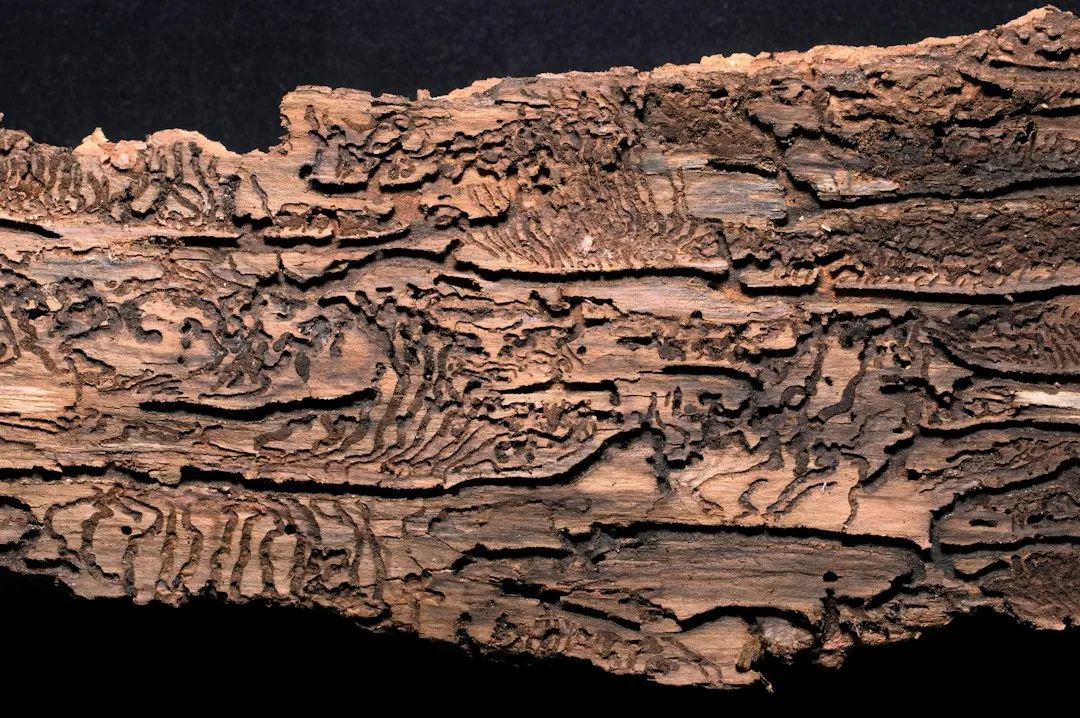
Evergreen trees that shed fall needles have a different appearance than trees infested by bark beetles. The needles on a beetle-infested tree typically change color throughout the entire tree, initially starting with an off shade of green and turning to reddish-orange by the following summer.
Disease can also cause defoliation, “but signs and symptoms of the causal fungus will be apparent on the needles by the observation of leaf spots. Foliage diseases will cause all ages of needles to turn brown.” If you have an issue with the entire branch turning brown or a conifer dying from the outside toward the inside, then you have other more involved issues. The direction of decline matters enormously. Inside to outside is natural. Outside to inside is a warning sign.
The Takeaway
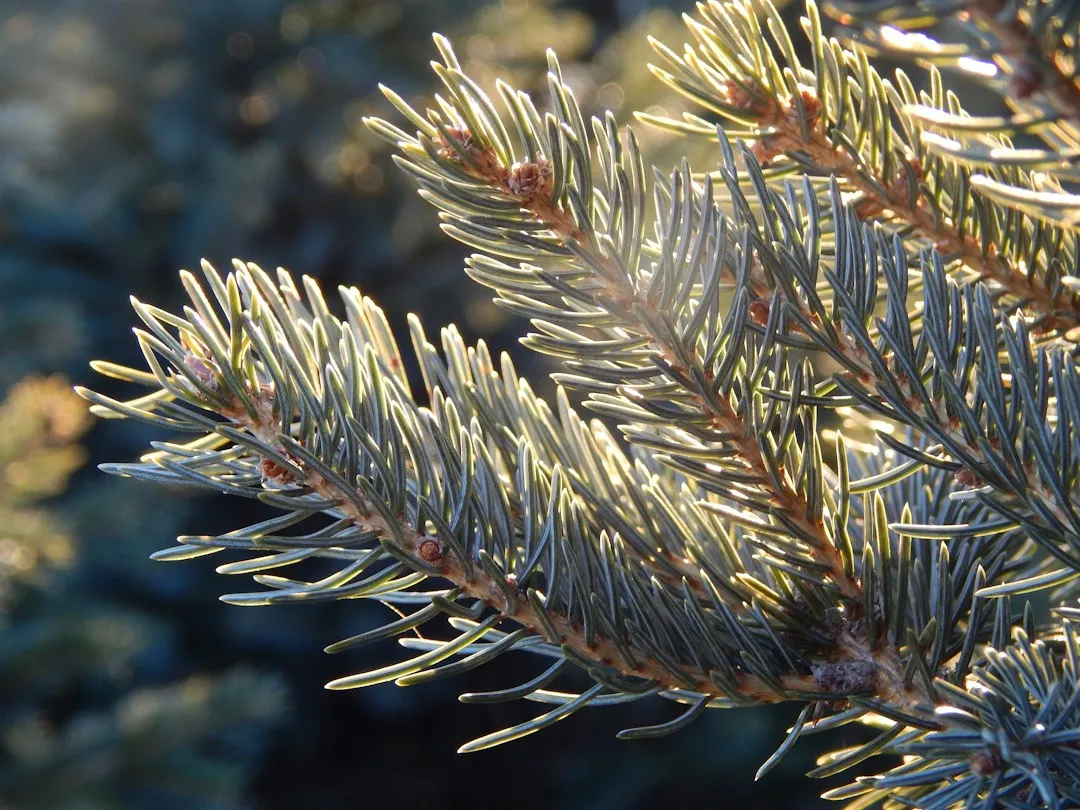
Pine trees turning yellow on the inside each fall is one of those natural events that looks unsettling precisely because evergreens are supposed to be immune to autumn change. They’re not. This natural process is an indication of a healthy tree going through a normal annual progression. The bright yellow color is still attractive, but is normally overwhelmed by the remaining green needles of the tree.
The next time you spot that inner glow of gold tucked beneath the green canopy of a pine, there’s no need to call an arborist in a panic. The tree is doing exactly what it’s designed to do, quietly recycling its oldest needles, pulling back resources, and preparing itself for winter with a calm efficiency that has been perfected over millions of years.
AI Disclaimer: This article was created with the assistance of AI tools and reviewed by a human editor.