

The 3,000-Year-Old Proof in Egyptian Tombs
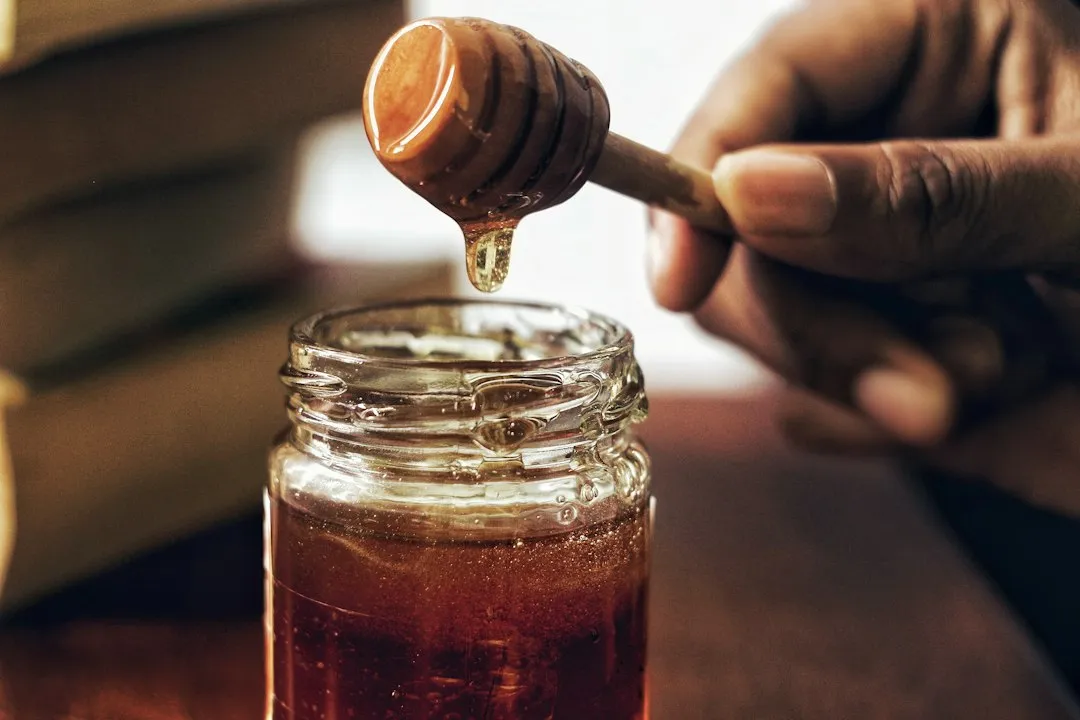
Archaeologists have found edible 3,000-year-old honey in Egyptian tombs, proving its remarkable shelf stability when stored properly. That’s not a legend or an exaggeration passed down through the centuries. Honey discovered in ancient Egyptian burial sites has been tested and confirmed to be safe, and even sweet, after three millennia underground. No other food on Earth can match that record.
Honey is the only food that never spoils under proper storage conditions. The reasons are rooted in a specific combination of chemistry, microbiology, and biology, none of which maple syrup shares to the same degree.
The Critical Role of Water Content
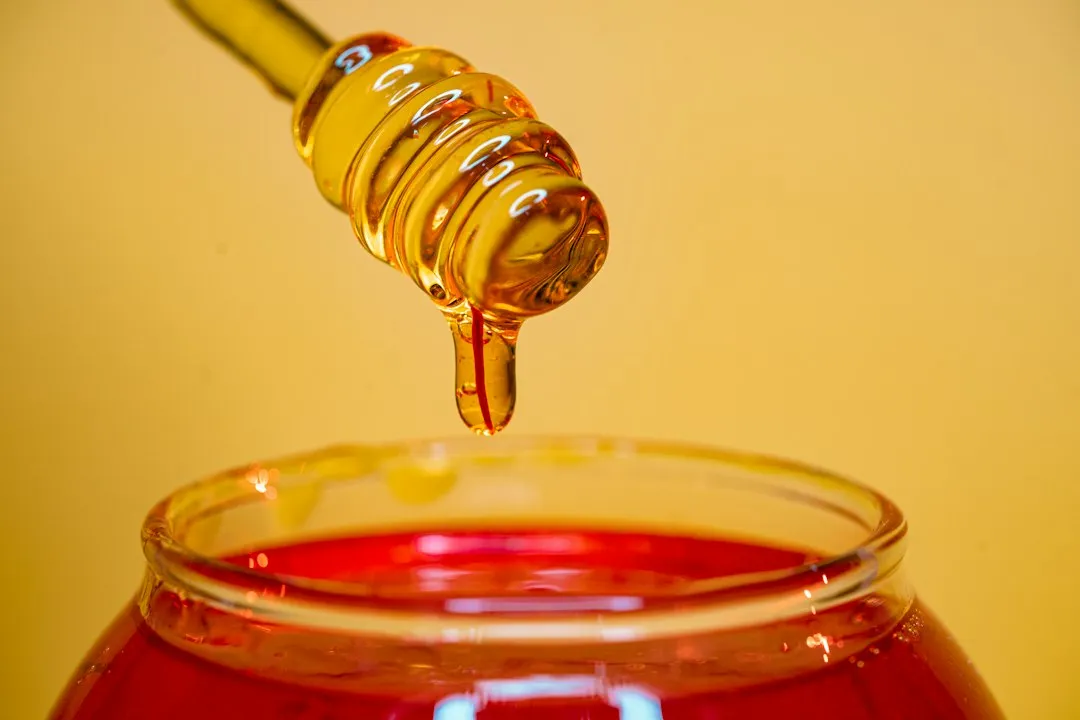
One of the most critical reasons why honey does not spoil is its low water content. Typically, honey contains less than 18% water, which creates an inhospitable environment for bacteria and microorganisms. Maple syrup, by comparison, sits at roughly one third water content, which is a significant difference in practical terms.
The low water content is the primary defense. Bacteria and fungi need water to grow. Honey’s water activity level sits around 0.6, well below the 0.9 threshold most spoilage organisms require. Maple syrup, by contrast, typically has a water activity of about 0.87 to 0.88, making it pretty hostile to most molds, but not entirely immune.
Water Activity: The Number That Really Matters
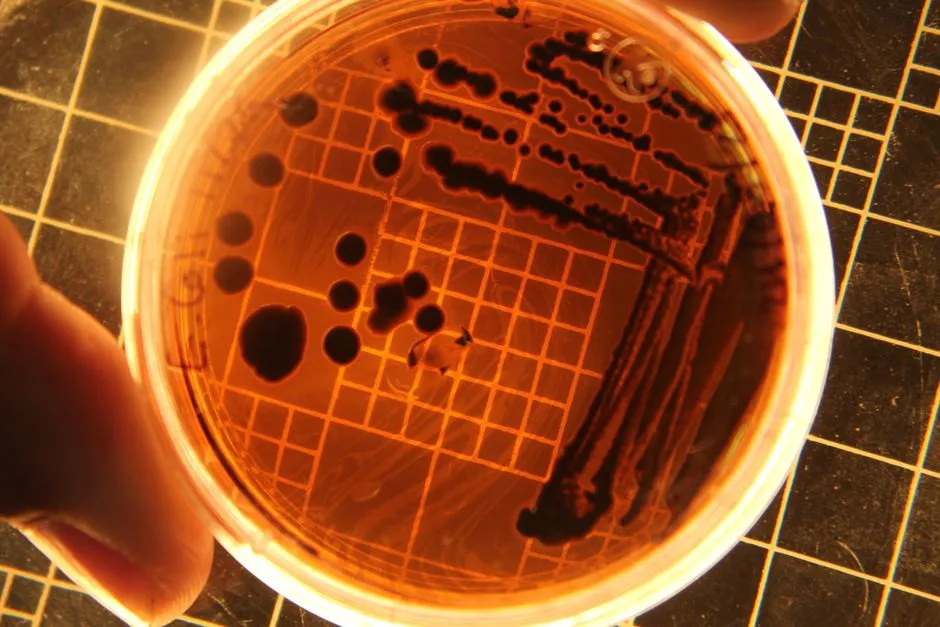
While moisture content tells you the total percentage of water in honey, water activity measures something more specific: how much of that water is available for chemical reactions and microbial growth. Water bound to sugar molecules is not available to support bacteria or yeast. Only “free” water, molecules not bound to the honey’s sugar matrix, can participate in microbial growth.
Water activity is a physical property measured in the food industry which helps predict shelf life and microbial activity. Honey normally has a water activity less than 0.6, but this can vary with the amount of crystallization in solution. That 0.6 figure is the number food scientists point to when explaining why honey simply doesn’t give microbes a chance.
Sugar Concentration and Osmotic Pressure
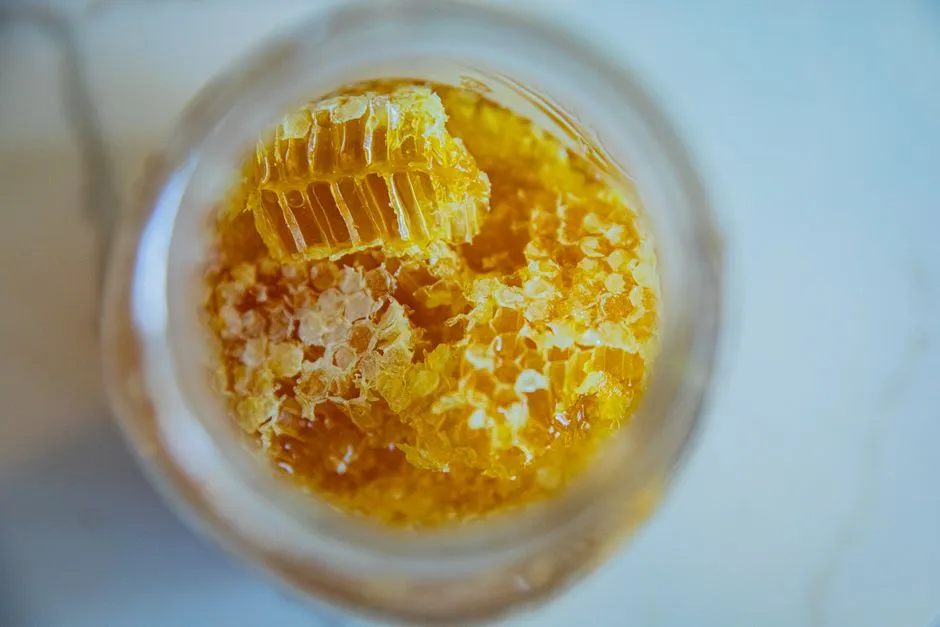
At its core, honey is made up of about 80% natural sugars, mainly fructose and glucose, and less than 20% water. This balance is crucial: with so little water, there’s not enough moisture for bacteria or fungi to grow. The mechanism at work is called osmotic pressure, and it’s ruthlessly effective.
When honey comes into contact with microorganisms, it draws water out of their cells through osmotic pressure. The cells collapse and die. This is the same principle that makes salt and sugar effective preservatives, but honey does it more aggressively. Maple syrup also has a high sugar concentration, but its extra water content means the osmotic effect is notably weaker.
Honey’s Natural Acidity
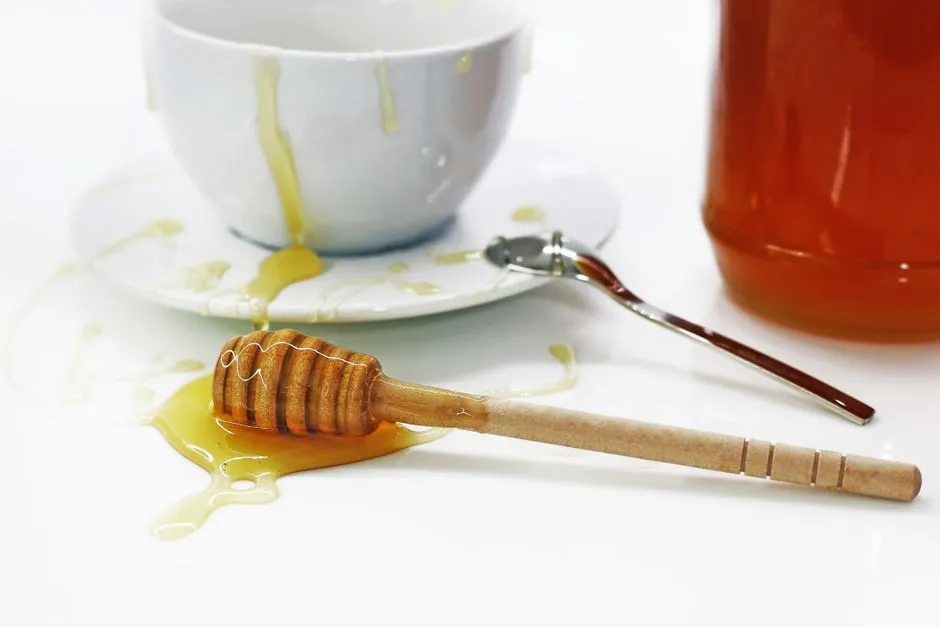
In addition to being unfriendly to microorganisms, honey possesses a naturally acidic pH, generally fluctuating between 3.2 and 4.5. This acidity enhances its antimicrobial properties. To put it in perspective, lemon juice shares a comparable pH, and this degree of acidity is sufficient to inhibit most bacterial activities.
The acidity adds a second barrier. Few pathogenic bacteria can survive in an environment with a pH below 4.0. Maple syrup doesn’t carry this kind of natural acid protection, which leaves it more exposed once opened and stored in warm conditions.
The Hydrogen Peroxide Produced by Bees
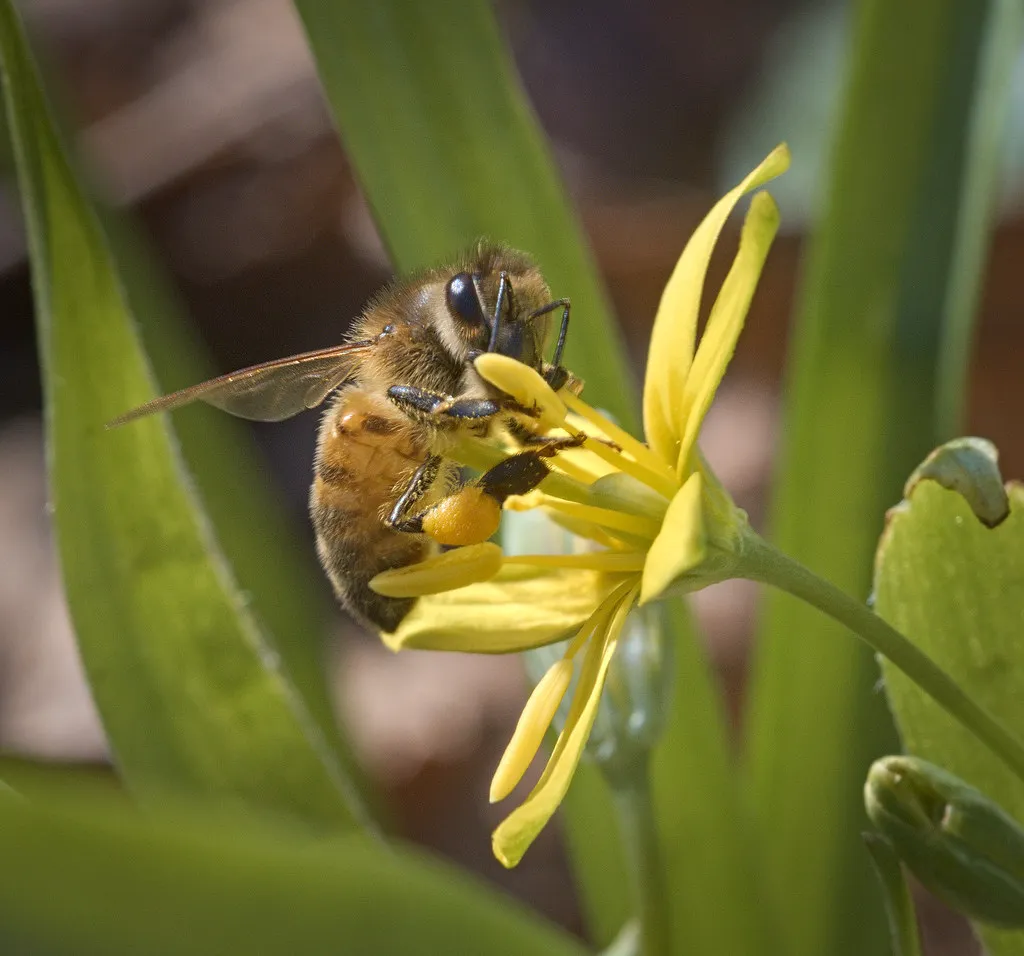
When bees process nectar, they add an enzyme called glucose oxidase from their hypopharyngeal glands. This enzyme remains dormant in concentrated honey but activates when honey is diluted, such as when it contacts moisture or wound tissue. Upon activation, glucose oxidase catalyzes a reaction that produces hydrogen peroxide, a well-known antiseptic.
Diluted honey can produce hydrogen peroxide concentrations sufficient to inhibit a broad spectrum of bacteria, including antibiotic-resistant strains like MRSA. This is a property that maple syrup simply doesn’t replicate. Honey has stronger and better-documented antibacterial properties than maple syrup.
Why Maple Syrup Is Vulnerable to Mold
Mold spores are present everywhere in the environment. Because of their small size, they cannot be removed by filtration. Maple syrup is particularly susceptible to types of molds that can grow in high-sugar environments. These aren’t ordinary molds either. They’re specialists.
Not many molds can grow in syrup, but those that can are deemed xerophiles because they’ve adapted to grow in harsh conditions. Some fungi are specialized for low-moisture, high-sugar environments, and xerophilic growth in maple syrup has been linked to Wallemia. This genus of fungus essentially evolved to thrive where other organisms cannot, making it a persistent challenge for syrup producers.
What Triggers Mold Growth in Maple Syrup
Mold grows when syrup is exposed to oxygen, stored at room temperature, packed in unsterilized containers, or when the sugar content is too low. In practice, mold usually starts where syrup meets air at the surface or bottle neck, so oxygen exposure and storage temperature matter more than total sugar content alone.
Often, when mold grows in syrup it’s due to a production error. The syrup’s water content may be too high, opening the door to mold growth. Spores could have landed in the syrup or jug during processing and bottling. In short, it’s a combination of environmental factors that honey’s chemistry simply forecloses.
Is Maple Syrup Mold Actually Dangerous?
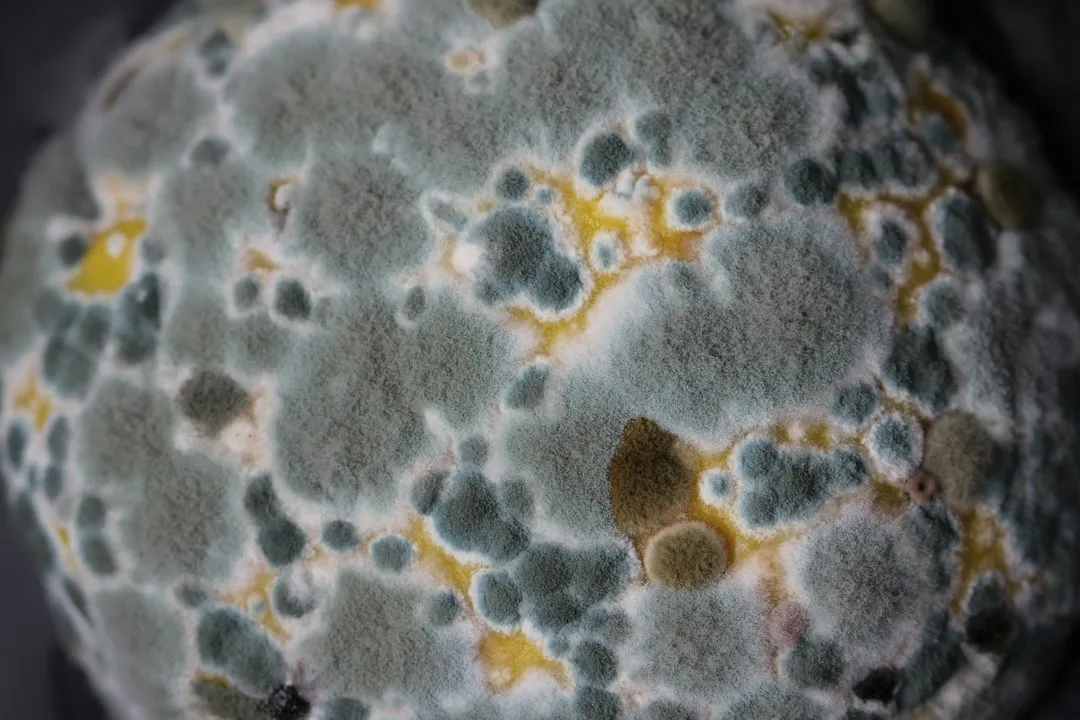
In the vast majority of cases involving pure maple syrup, this growth is a harmless, surface-level mold that develops due to high sugar content and slight exposure to oxygen. The high sugar concentration in true maple syrup, typically 66 to 67 Brix, creates an environment where most dangerous bacteria cannot thrive; this specific mold is usually an opportunistic, osmophilic fungus that settles on the surface.
The mold that grows in maple syrup is non-toxic. That means that if you splurged on a pricey bottle of the stuff and it got moldy, you don’t have to throw it out. Pure maple syrup will only grow mold on the top layer, so anything beneath should be safe to consume. Skimming the surface layer and then briefly reheating the syrup is a widely recommended fix.
How to Store Each One Properly
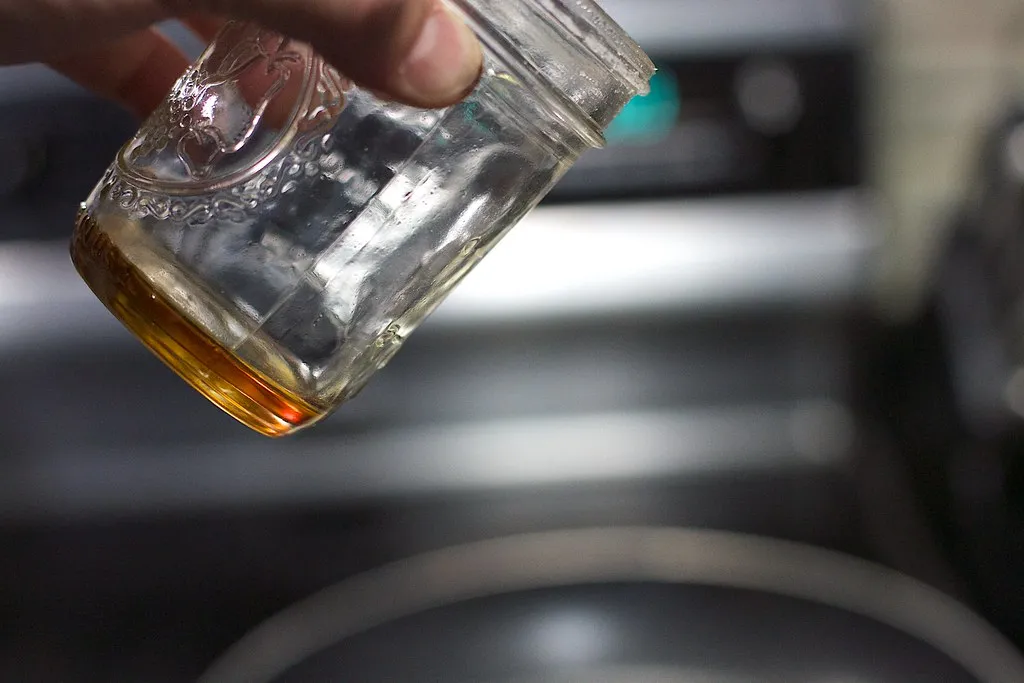
The United States has no federal law requiring expiration dates on honey or most shelf-stable foods. The dates you see on jars are manufacturer quality estimates, not safety mandates. The FDA does not require honey to carry an expiration date because honey, by its nature, does not support the growth of spoilage organisms. Keep it sealed, keep it dry, and it will essentially last indefinitely.
Maple syrup demands more care. Many people keep their syrup in the pantry. Unless it’s factory-sealed and unopened, syrup should be refrigerated. Mold loves warmth and moisture, and even a cool pantry can invite trouble over time. The traditional thick-walled, high-density polyethylene plastic jugs used to store maple syrup are somewhat permeable to oxygen, which allows mold to grow. Refrigeration after opening is the single most effective step you can take.
The Takeaway
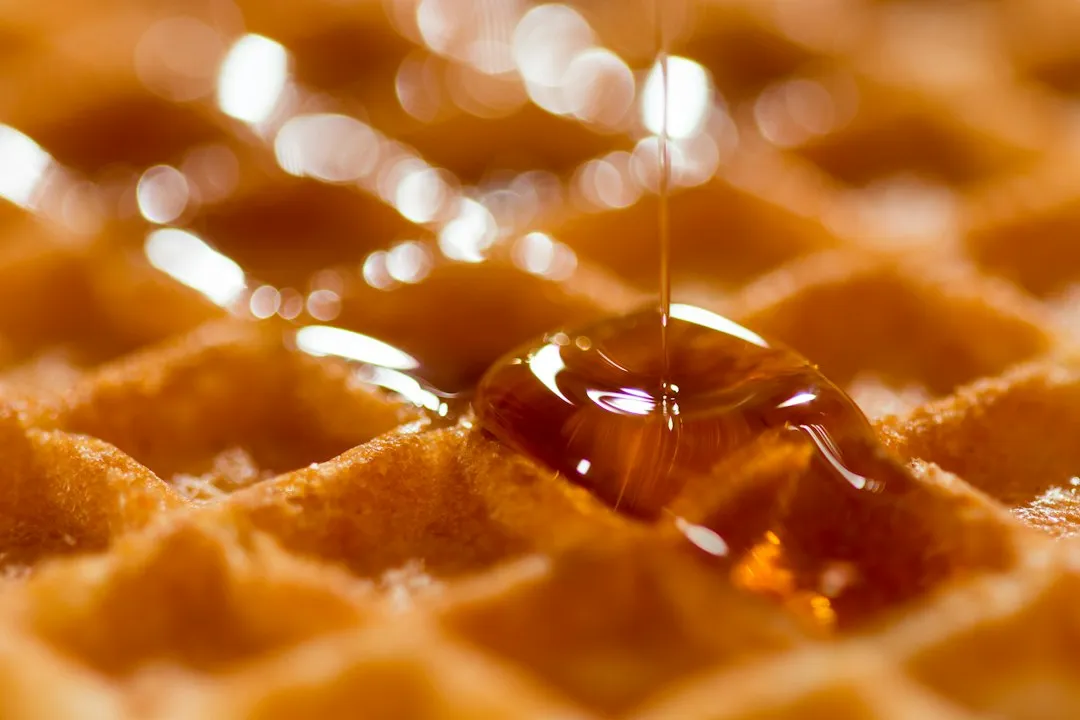
The gap between honey and maple syrup comes down to a few decisive chemical properties: water activity, osmotic pressure, acidity, and the presence of naturally produced antimicrobials. Honey stacks all of these advantages at once. Maple syrup has some of them, to a lesser degree, which is enough to keep most bacteria away but not enough to stop a determined xerophilic fungus with a taste for high-sugar environments.
What’s worth appreciating is that both sweeteners represent genuinely sophisticated natural products. Honey just happens to be, by any reasonable scientific measure, one of the most shelf-stable foods ever documented. Maple syrup, for all its richness and complexity, needs a little more looking after. Knowing why makes it easier to respect what each one actually is.
AI Disclaimer: This article was created with the assistance of AI tools and reviewed by a human editor.