

Most people treat their fingernails as an afterthought, something to trim, polish, and occasionally worry about when one breaks. What doesn’t get enough attention is how much those small slivers of keratin can quietly reveal about what’s happening inside the body. Doctors and dermatologists have long used nails as a diagnostic window, one that opens up on the circulatory system, the liver, the lungs, and beyond.
Nail disease is not only a cosmetic issue. Nail changes can indicate the presence of a serious underlying systemic disease, infection, or malignancy. Knowing what to look for isn’t about alarming yourself every time you chip a nail. It’s about recognizing the patterns that warrant a real conversation with your doctor.
1. Dark Vertical Streaks: A Potential Sign of Melanoma
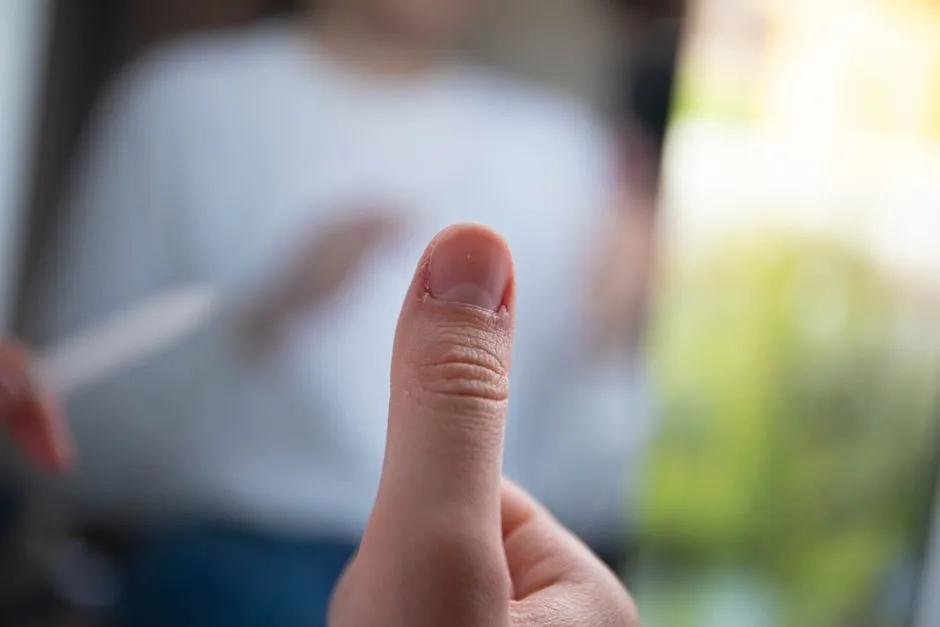
Vertical dark lines or bands that appear suddenly on your nails deserve immediate medical attention, especially if they occur on a single nail or continue to darken over time. These pigmented streaks can indicate melanoma, a serious form of skin cancer that can develop under the nail.
This type of nail melanoma, known as subungual melanoma, is particularly dangerous because it’s often mistaken for a bruise or ignored completely. The condition can affect both fingernails and toenails, though it’s more commonly seen in the thumb, big toe, or index finger.
If a fingernail or toenail has a new or changing dark streak, it’s time to see a dermatologist for a skin cancer check. That dark streak could be melanoma, the most serious type of skin cancer. Not every dark streak is a melanoma, but it’s always good to have a dermatologist examine one.
2. Clubbed Nails: When the Fingertips Swell and Curve

Nail clubbing happens when the tips of the fingers get bigger and the nails curve around the fingertips. It usually develops over several years. Because it progresses so gradually, many people simply don’t notice it at first.
Clubbing occurs in many conditions, with roughly four out of five cases of simple clubbing having an acquired thoracic cause, including lung cancer, bronchiectasis, and cystic fibrosis, with about five percent due to acquired gastrointestinal conditions including esophageal and gastric malignancies and inflammatory bowel disease.
Clubbed nails can be caused by respiratory disease, chronic lung infections, or a heart issue, likely because these conditions compromise the blood flow that nails rely on to stay healthy. It’s one of the oldest documented clinical signs, first described by Hippocrates centuries ago.
3. Spoon-Shaped Nails: A Classic Signal of Iron Problems
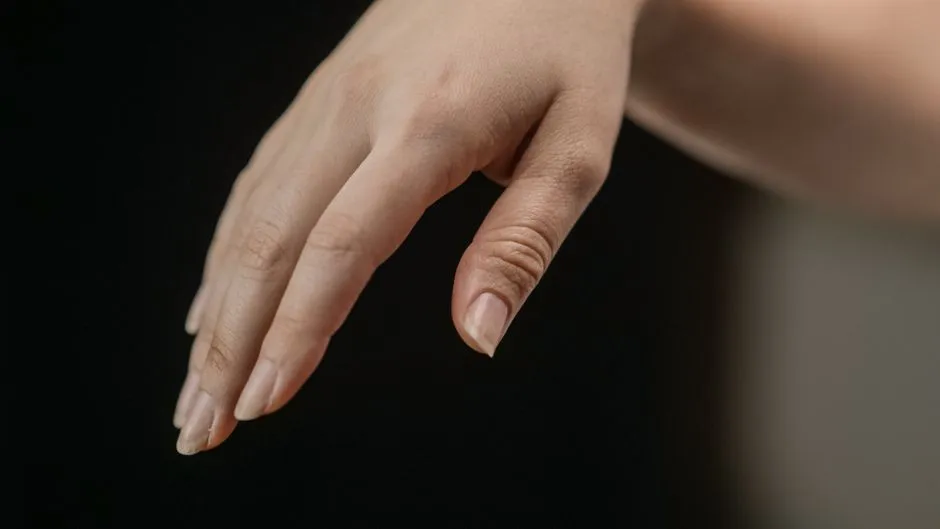
Spoon nails are soft nails turned up around the edges. This condition is also called koilonychia. Spoon nails are often a symptom of iron deficiency anemia.
Low iron can cause poor blood flow, which may weaken the tissue connecting your nails to your fingers and cause spoon-shaped divots in the nail bed. The shape is distinctive enough that it’s sometimes the first thing a doctor notices before a blood test even confirms it.
Spoon nails may also be due to a liver problem called hemochromatosis. In people who have that condition, the body absorbs too much iron from food. Either way, seeing a spoon-shaped nail is a reason to get your iron levels checked sooner rather than later.
4. Yellow Nails: Possible Lung or Lymphatic Disease
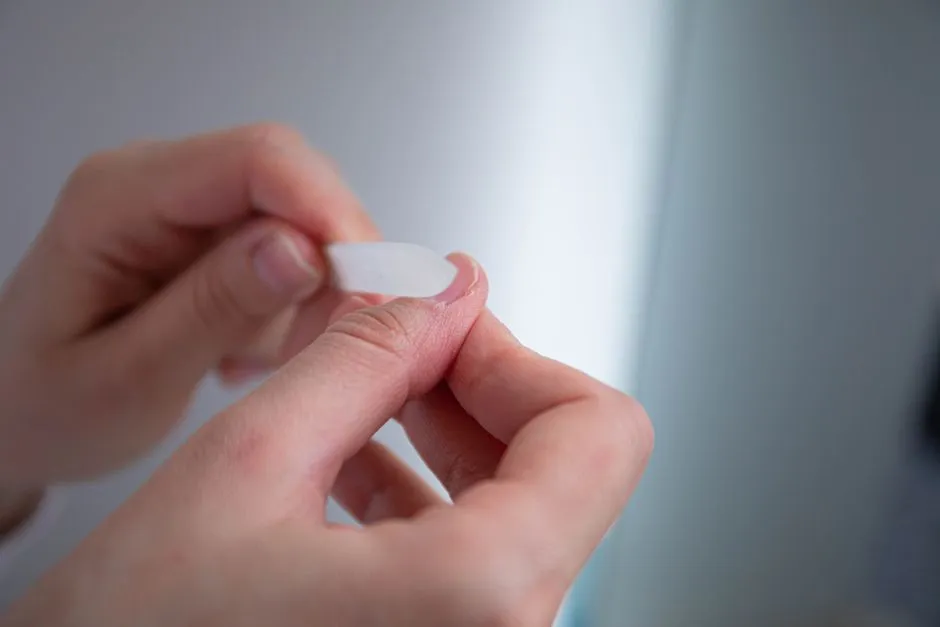
Yellow nail syndrome is a rare condition that causes nails to become thick, yellow, and slow-growing. This condition can be associated with respiratory problems, lymphatic disorders, or autoimmune conditions that require specialized treatment.
If your nails turn yellow, thicken, and seem to stop growing, it could be a sign of something going on inside your body. Lung disease and rheumatoid arthritis can cause yellow nails. It’s worth noting that cosmetic habits like wearing nail polish without a base coat or smoking can also cause yellowing, so context matters here.
Yellow nail color changes can be associated with nail infection like onychomycosis, lung disease like recurrent pneumonia or pulmonary fibrosis, or nicotine staining. Persistent yellowing that doesn’t clear up on its own is the key flag to watch for.
5. Beau’s Lines: Grooves That Record Past Illness
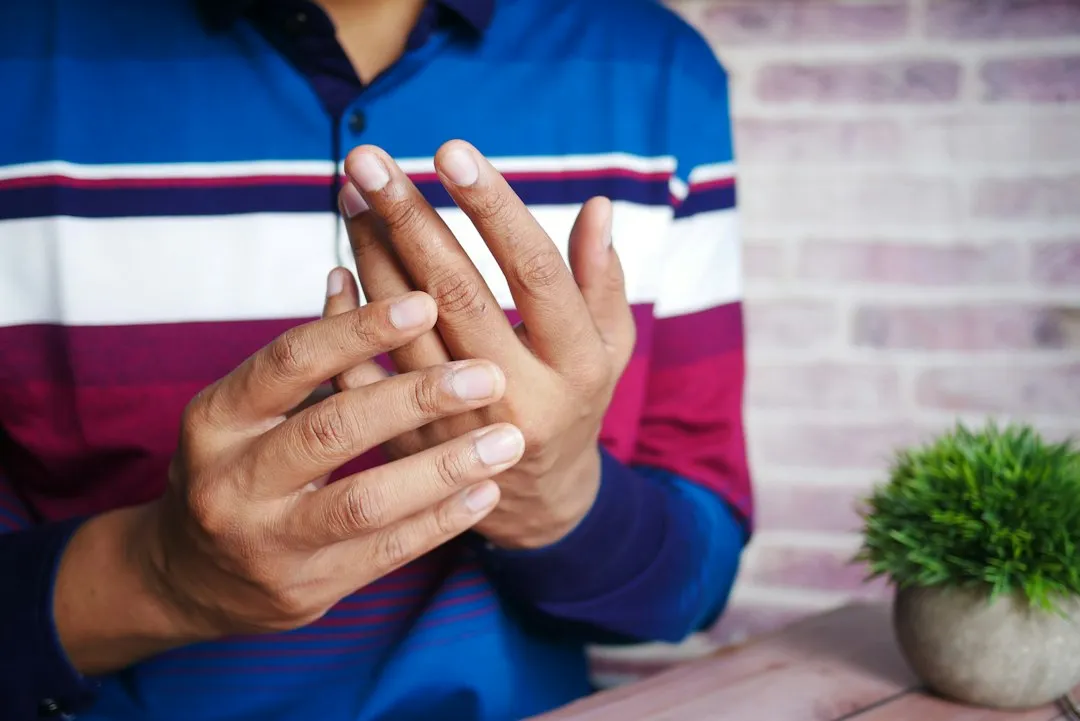
Beau’s lines are grooves that run across the nails. They can appear when nail growth temporarily stops due to injury or illness. Think of them a bit like tree rings, each groove marking a moment when the body was under serious stress.
Beau’s lines are horizontal grooves on the nail plate and generally involve most or all of the nails. They reflect an interruption of nail bed mitosis caused by severe illness, pemphigus, high fever, or chemotherapy. Beau’s lines also occur in patients with Raynaud’s disease.
Beau’s lines can be associated with diabetes that is not well controlled, or with conditions in which narrowed blood vessels lower blood flow to the arms and legs, which is called peripheral artery disease. If you notice horizontal grooves appearing across multiple nails without an obvious cause, it’s worth discussing with a physician.
6. White Nails: Possible Liver or Kidney Trouble
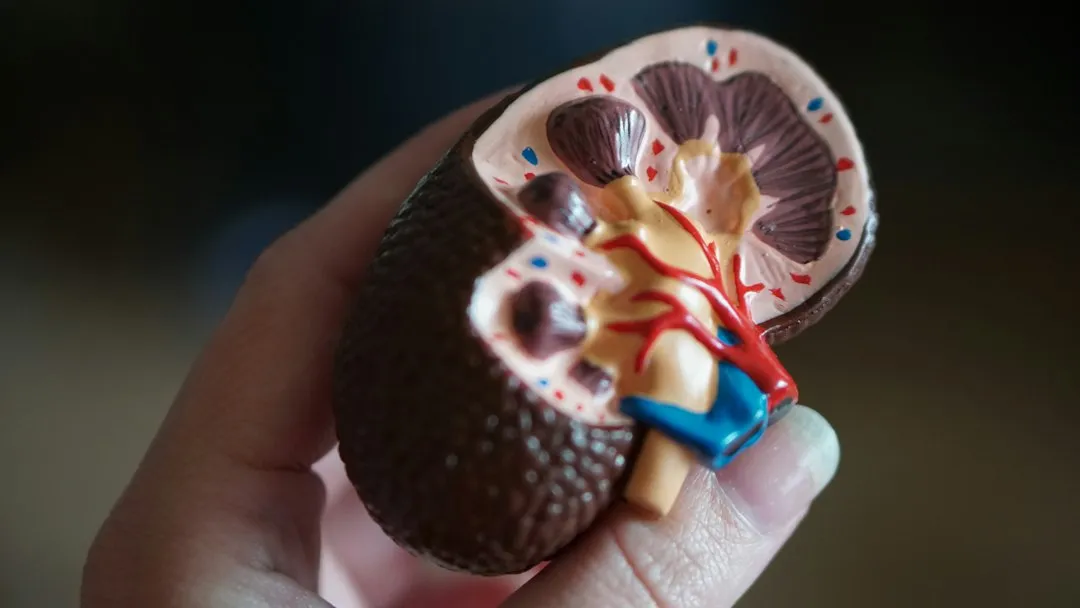
In patients with Terry’s nails, most of the nail plate turns white with the appearance of ground glass, and the lunula is obliterated. The condition may occur on only one finger, but more commonly all fingers are affected.
Terry’s nails are characterized by a near-complete whitening of the nail bed. They are most commonly associated with hepatic cirrhosis, and in one multicenter study of patients with cirrhosis, roughly one in four patients had Terry’s nails.
White nail color changes may also be associated with diabetes, chronic kidney failure, and congestive heart failure. The uniformity and persistence of the whitening is what sets a concerning change apart from the kind of harmless white marks that come and go.
7. Blue or Purple Nails: Low Oxygen in the Blood

Blue nail color changes may signal low blood oxygen levels as seen in breathing problems, poor blood circulation like Raynaud’s phenomenon, or heart problems including low blood pressure and heart failure. The underlying term for this is cyanosis, and it reflects the body’s struggle to deliver enough oxygen to peripheral tissues.
Heart issues can change nail tissue in several ways, mainly because of poor blood flow and oxygen delivery. When the heart doesn’t work properly, it can change how nails look, including color, texture, and how fast they grow.
Blue or purplish discoloration that appears suddenly, especially alongside shortness of breath or chest discomfort, should be treated as urgent. This isn’t the kind of symptom to monitor for a week and see what happens.
8. Pitting: A Telltale Pattern of Psoriasis and Arthritis

Nail pitting refers to small indentations in the nail. Nail pitting can indicate nail psoriasis. People with nail psoriasis may also have skin symptoms of psoriasis, which can vary depending on the type. Some people may also have joint issues due to psoriatic arthritis.
Nail findings can provide clues to many systemic diseases, and it’s essential to recognize specific nail changes. Onychodystrophy or nail abnormalities include altered nail color, shape, or texture with morphology and growth patterns often related to local anatomic factors such as edema, vascular supply, and neurologic innervation.
Pitting is often overlooked because individual small dents can seem minor. When pitting appears across multiple nails in a regular pattern, however, it becomes a meaningful clinical sign, one that commonly sends dermatologists in the direction of psoriatic disease.
9. Splinter Hemorrhages: Tiny Lines With Big Implications
Also called a splinter hemorrhage, black lines that can appear brown or dark red look like splinters. They sit beneath the nail surface and often go entirely unnoticed until a doctor points them out during an examination.
Splinter hemorrhages may herald endocarditis, although other causes should be considered. Endocarditis is an infection of the heart’s inner lining, and it can be life-threatening if not caught early. Splinter hemorrhages are one of the few visible external clues it can leave behind.
In one study of patients with connective tissue diseases, nail unit changes were present in roughly seven out of ten patients. Among the abnormalities observed were splinter hemorrhages, periungual telangiectasia, and longitudinal ridging, among others. Isolated splinter hemorrhages can come from trauma, but multiple lines on several nails warrant prompt evaluation.
10. Changes in the Lunula: The Half-Moon Tells Its Own Story
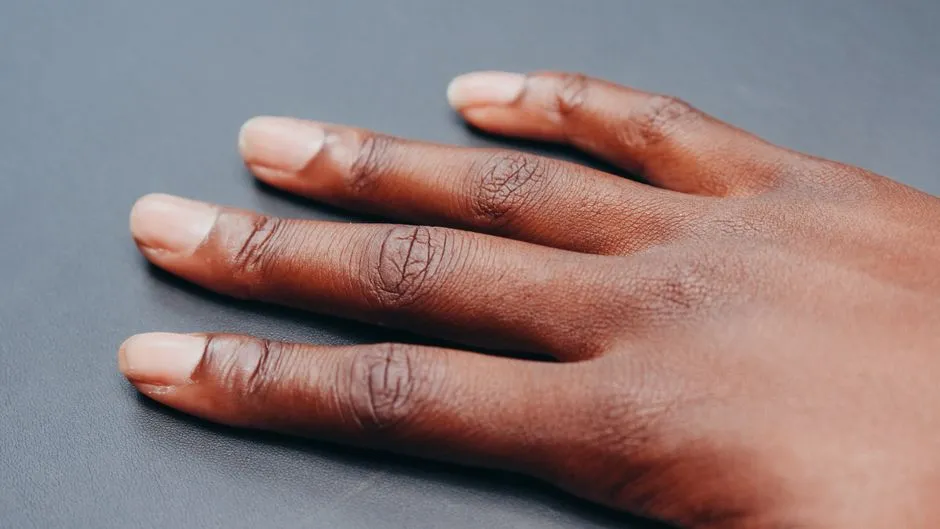
If the lunula extends almost to the end of the nail, making the majority of the nail white except for a narrow band at the top, it could signal cirrhosis, chronic renal failure, or congestive heart failure.
Changes in the color of the lunula can be revealing. In patients with Wilson’s disease, the area takes on a blue coloration, a phenomenon called azure lunula. Heart failure can turn the lunula red.
Lunulae that have a blueish tint could suggest Wilson’s disease, a rare inherited genetic disorder in which copper accumulates in the liver, brain, and other organs. The lunula is often dismissed as purely cosmetic, but its size, color, and consistency can reflect real shifts in systemic health that are worth paying attention to.
When to Take Your Nails Seriously

Most nail changes are harmless and stem from everyday wear, aging, or minor nutritional fluctuations. Pay attention to anything on or around your fingernails or toenails that suddenly appears different, such as color, texture, or shape. This may be a sign of issues like a fungal infection, vitamin deficiency, arthritis, psoriasis, or melanoma.
Changes worth discussing with a doctor include changes in nail shape, discoloration, changes in thickness, brittle nails, and pitted nails. The pattern, persistence, and combination of symptoms matter more than any single isolated observation.
Nails grow slowly, which means changes often accumulate before they become obvious. That gradual quality makes it easy to dismiss them, but it also means that by the time a visible change is noticeable, it may have been building for weeks or months. As dermatologist Christine Poblete-Lopez, MD, notes, nail health is a very good reflection of overall health, and many things can occur in the nails that can signify systemic or skin problems. Taking a closer look at your fingertips every now and then might be one of the simplest health checks you can do entirely on your own.
AI Disclaimer: This article was created with the assistance of AI tools and reviewed by a human editor.