

Letting It “Breathe” Is One of the Oldest Myths in Wound Care
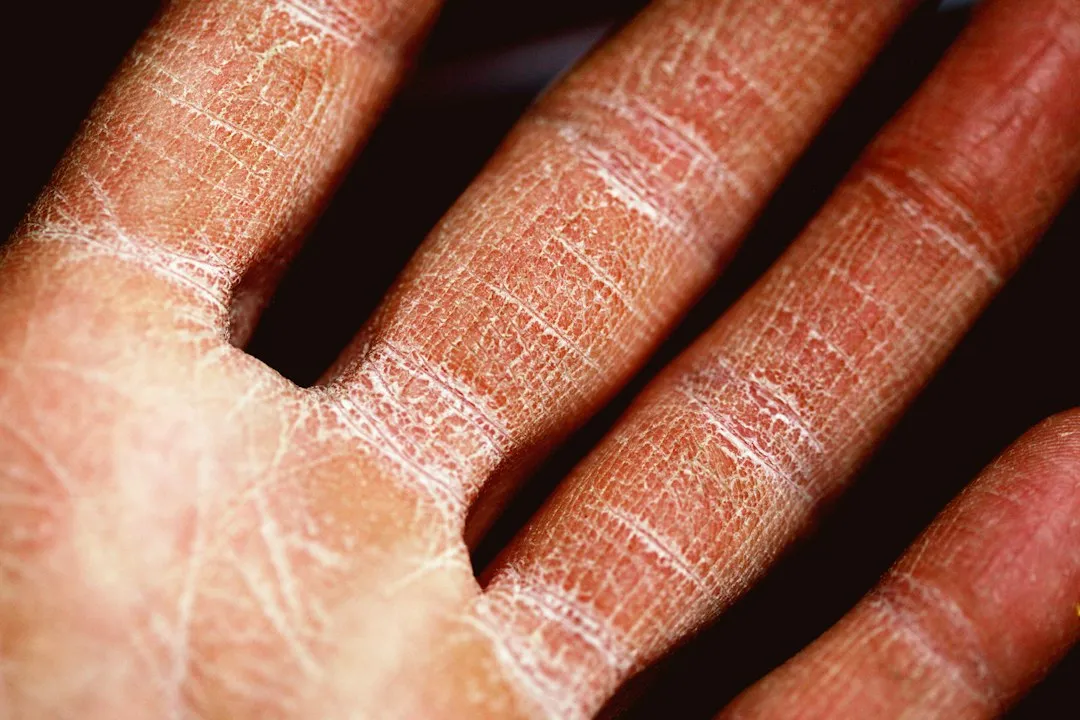
For generations, leaving a wound uncovered so it could “breathe” was treated as common sense. Many of us grew up being told to leave wounds uncovered, when in reality wounds heal faster and with less scarring when kept moist and covered. The idea that air accelerates healing has no strong scientific backing, and considerable evidence points in the opposite direction.
The concept of moist wound healing was first introduced in 1962 by British scientist George D. Winter, who found that wounds healed twice as fast in a moist environment compared to dry conditions. That finding reshaped clinical practice over the following decades, though the message has been slow to reach everyday consumers.
The cells responsible for closing wounds, known as keratinocytes, migrate across a wound surface far more efficiently when that surface is moist than when it has dried and crusted over. Exposure to open air does not speed that process. It slows it.
The Wrong Bandage Choice Can Create a Healing Barrier
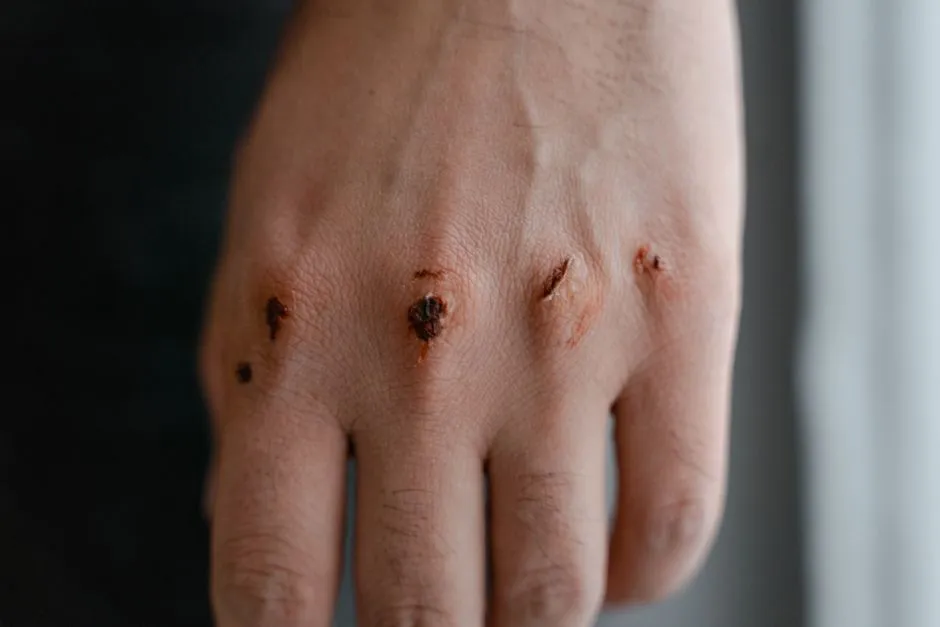
Covering a wound too long without changes can backfire. If the skin under the bandage looks white, soggy, or wrinkled, it’s a sign of overhydration. That waterlogged state creates its own problem, one that is just as disruptive as dryness but less talked about.
The goal is balanced moisture, not dryness or saturation. Choosing a bandage without thinking about what the wound actually needs, whether that is a basic adhesive strip, a hydrocolloid dressing, or a foam pad, is one of the most common oversights people make at home.
Dry wound healing creates a slower environment due to scab formation, which impedes cell movement, whereas moist wound healing allows epithelial cells to migrate easily across moist surfaces, reducing pain, scarring, and infection risk. The right dressing type matters enormously, and most people simply grab whatever is in the medicine cabinet.
Changing Bandages Too Rarely (or Too Often) Both Cause Problems
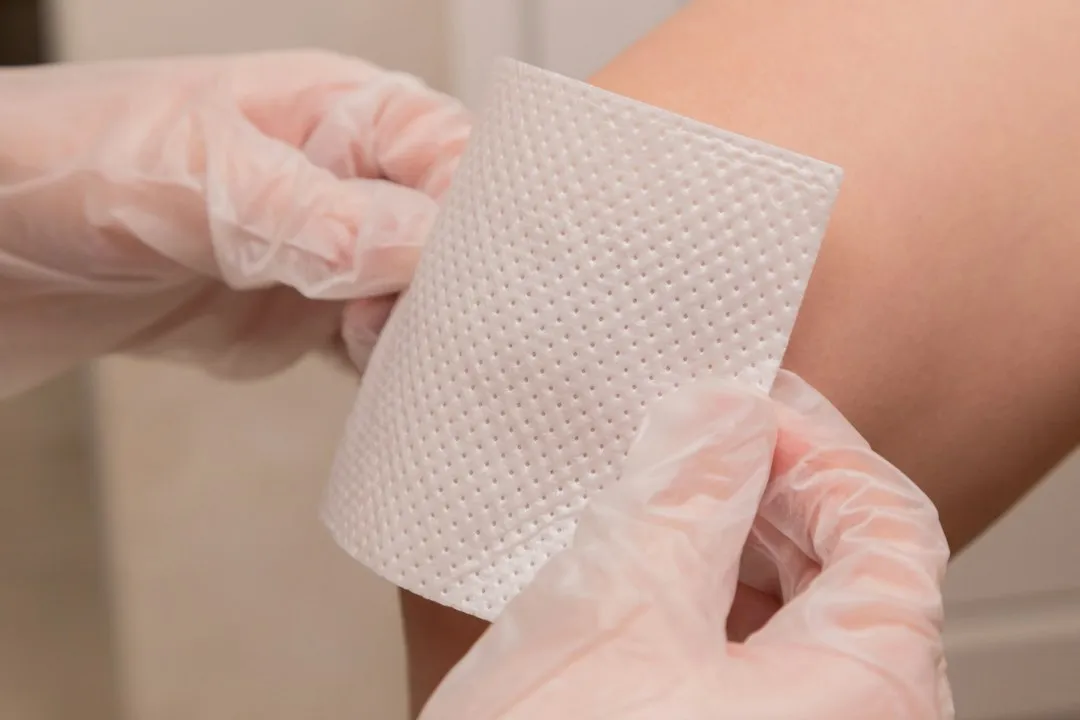
One of the worst wound care decisions a person can make is not changing the bandages or dressings regularly. The wound can dry out and become more resistant to treatment, and reusing old bandages keeps existing bacteria in the mix, prolonging healing and increasing the risk of infection.
The opposite extreme causes its own damage. Frequent dressing changes not only risk disrupting newly formed tissue and delaying the healing process but also reduce patient compliance, ultimately limiting their therapeutic efficacy. Every unnecessary peel risks tearing off delicate new tissue that the body worked to build.
Traditional wound care methods require regular dressing changes and do not provide real-time feedback on the condition of the wound, limiting further intervention when abnormalities occur. Additionally, frequent replacement of medical gauze can potentially harm the wound. Finding the right rhythm for changes depends on the type of wound and dressing used.
Using Hydrogen Peroxide Is a Deeply Ingrained but Harmful Habit
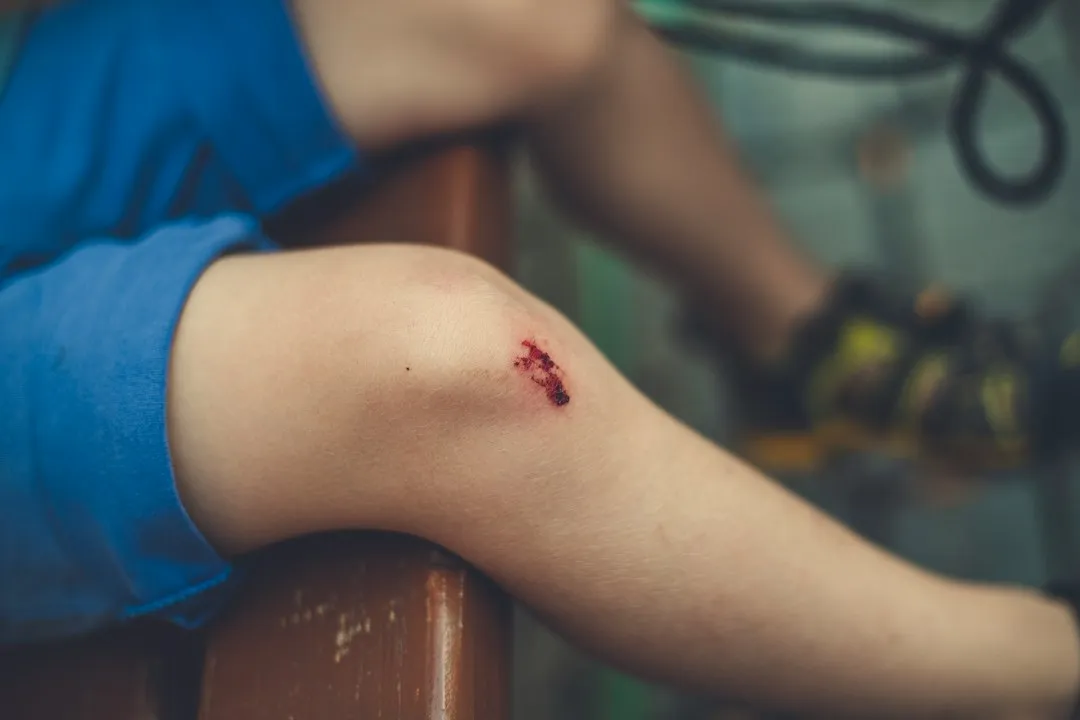
Using hydrogen peroxide or rubbing alcohol to clean an injury can actually harm the tissue and delay healing. The best way to clean a minor wound is with cool running water and mild soap. That guidance, reviewed medically by WebMD professionals in 2024, contradicts what many people still reach for instinctively.
Hydrogen peroxide can actually slow wound healing by damaging healthy tissue. Experts now recommend gently rinsing the wound with clean water, avoiding harsh antiseptics, applying a thin layer of petroleum jelly to keep it moist, and covering it with a clean bandage.
Studies show hydrogen peroxide delays, and can even entirely prevent, the migration of keratinocytes in a wound. This can hamper the wound’s closure and make infections more likely as it heals. The bubbling action looks reassuring, which is part of why the habit persists, but the visual effect does not equate to better healing.
Iodine Overuse Stalls the Healing Process
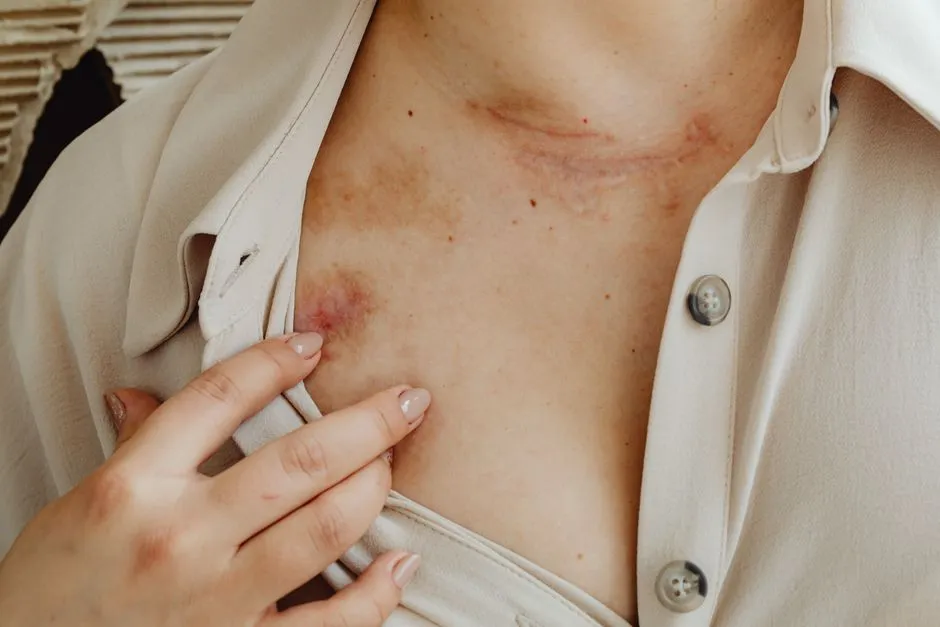
While specific antimicrobial agents such as iodine have beneficial properties when used appropriately, their misuse can compromise wound healing and cause harm due to adverse effects, including dryness of the wound bed or cytotoxicity to new cells if used improperly.
The safety profile of iodine is well established, yet it becomes harmful when used in concentrations at or above five percent or for prolonged periods. Iodine can impair wound healing due to its cytotoxic effects on healing tissue. Many people apply it repeatedly out of caution, not realizing that persistence is exactly the problem.
Clinical professionals writing for Wound Care Canada in 2024 noted observations of prolonged iodine misuse in patients resulting in delayed healing. The right antiseptic at the right time and concentration is useful. Routine, repeated application is not.
Dry Scabs Are Not a Sign of Progress
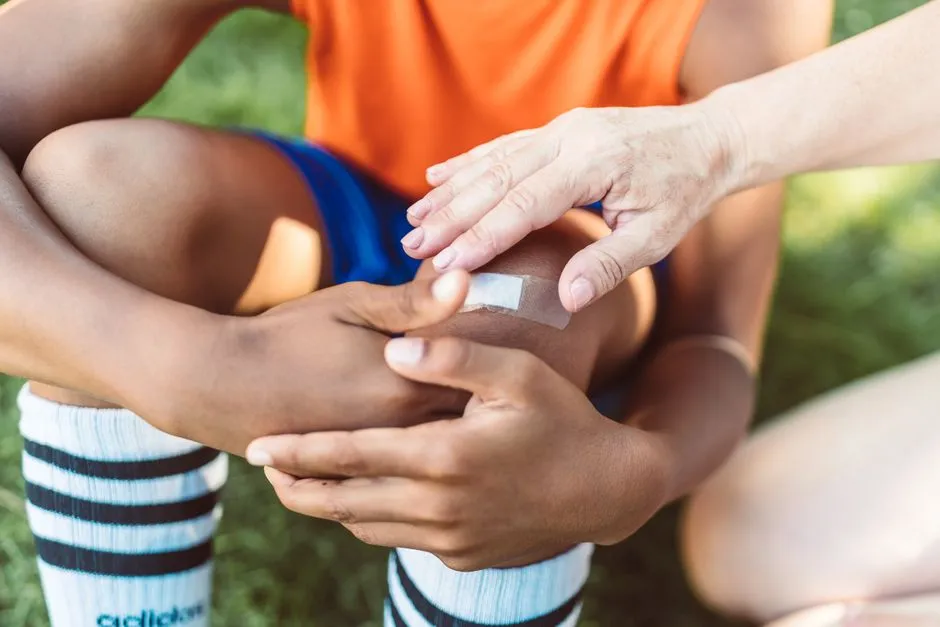
Maintaining proper hydration prevents the formation of a dry, rigid scab that can actually impede healing. When wounds remain moist, new blood vessels can form more readily, and the delicate process of tissue reconstruction proceeds without the mechanical barriers that dry healing creates.
A 1993 systematic review by Hutchinson and McGuckin, published in the Journal of the American Academy of Dermatology, analyzed 36 clinical trials and concluded that moist wound care dressings reduced healing time by 30 to 50 percent compared to dry conditions. That evidence base has only grown since.
Studies indicate that moist wound healing results in less inflammation compared to dry healing. Excessive inflammation can impede the healing process and result in larger scars. By maintaining a moist environment, it is possible to help control the inflammatory response, resulting in better healing outcomes.
Applying Too Much Pressure When Bandaging
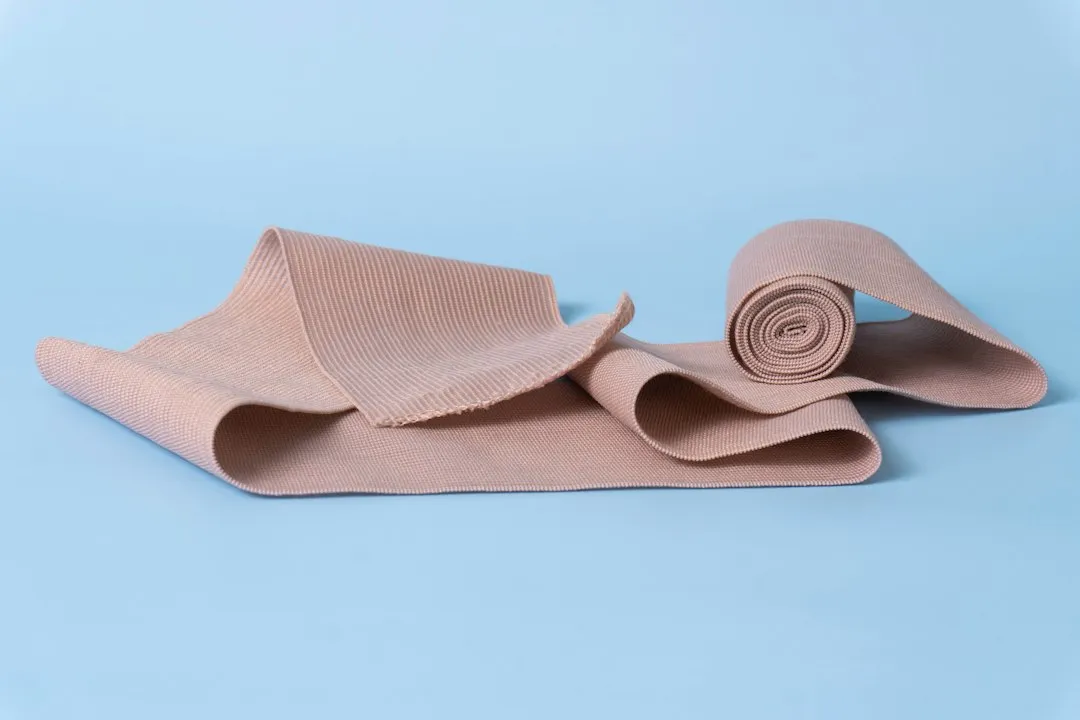
The way you apply a dressing or bandage a wound matters significantly. Many people think a lot of pressure is the best option. That instinct comes from the logic of stopping bleeding, but sustained excessive pressure on a closed or healing wound cuts off the circulation the tissue needs to repair itself.
Good bandaging should be snug enough to stay in place and protect the wound from contamination, but not so tight that it restricts blood flow to the surrounding area. Pale or bluish skin near the bandage edge, numbness, or throbbing are all warning signs that the wrap is too tight.
Wounds heal from the inside out, and healthy blood flow delivers the oxygen, nutrients, and immune cells that make that possible. Compressing the vessels feeding the wound site works directly against what the body is trying to do.
Ignoring Signs of Infection While Waiting for the Bandage to “Do Its Job”
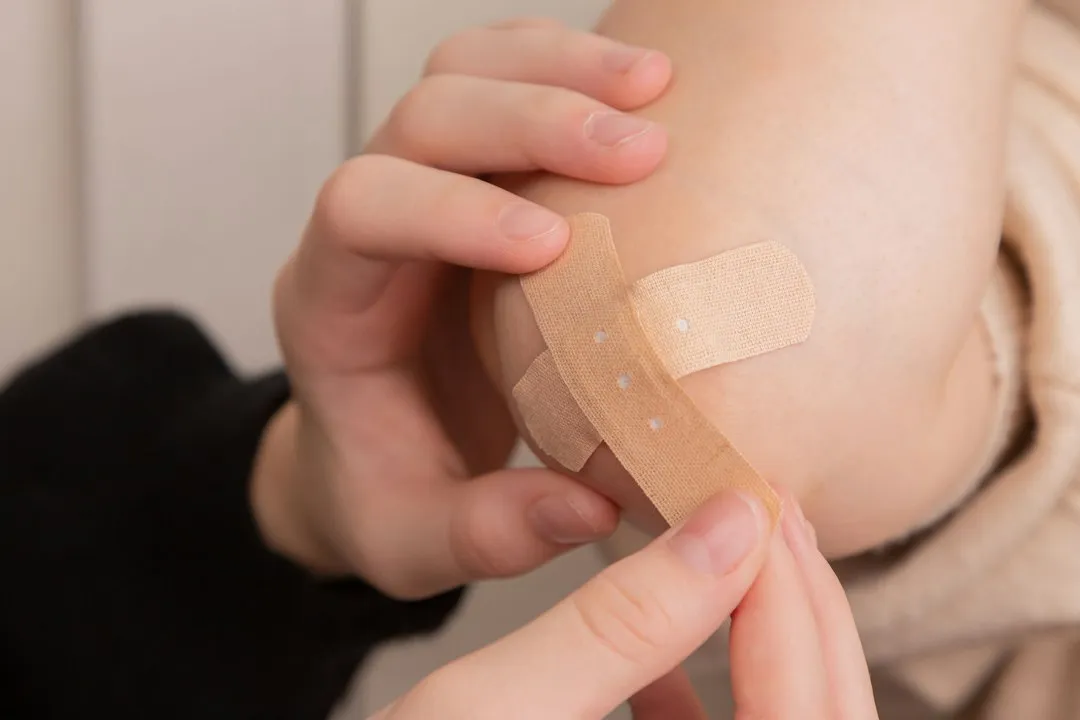
Research from Australian health researchers suggests that there are widespread gaps in wound care knowledge, leading to mistakes that can slow healing, increase infection risk, and even result in chronic wounds. One of the most dangerous gaps is assuming that a covered wound is a healing wound.
Pathogenic microorganisms colonize between roughly sixty and eighty percent of chronic wounds, further delaying healing and worsening patient outcomes. A bandage that traps moisture alongside bacteria without adequate antiseptic management creates a warm, enclosed environment where infection can quietly establish itself.
Signs that warrant medical attention include redness spreading outward from the wound, pus or yellow discharge, and persistent or increasing pain. Waiting too long to act on these signals, while continuing to simply re-bandage, is a common and avoidable mistake.
Mismatching the Dressing Type to the Wound
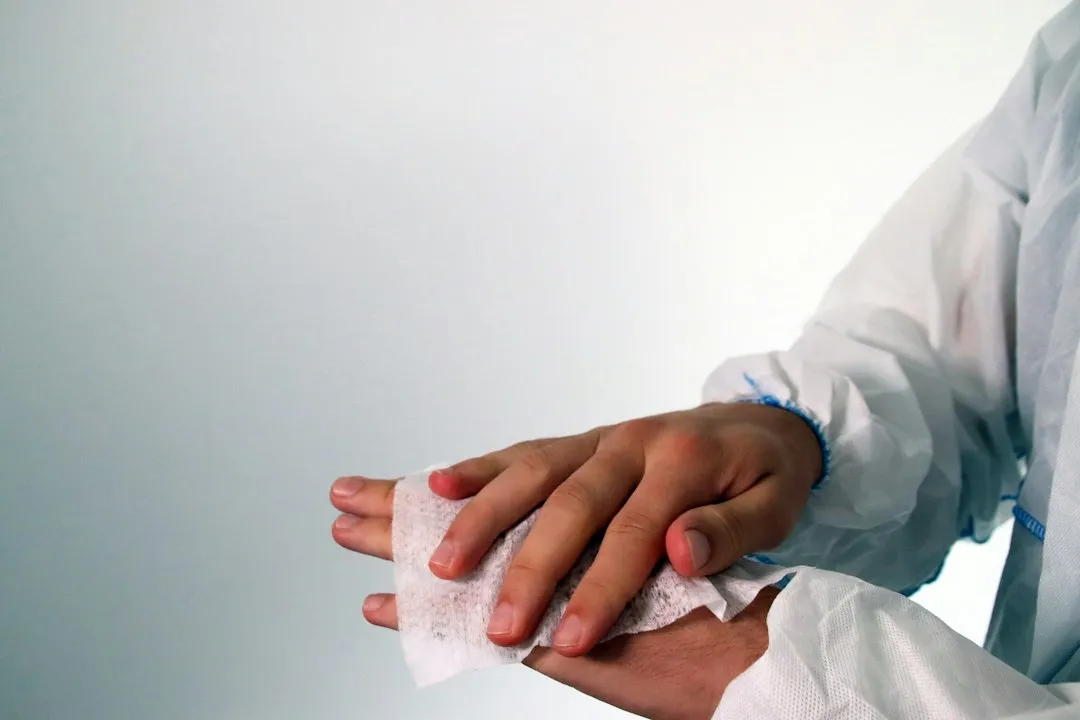
Not all wounds are the same. A small paper cut and a deep gash are worlds apart. Some wounds need medical attention, especially if they’re deep, won’t stop bleeding, or show signs of infection such as redness, swelling, pus, or increasing pain.
Chronic wounds represent a major global health problem, causing staggering economic and social burdens. The pursuit of effective wound healing strategies demands a multidisciplinary approach, and advances in material sciences and bioengineering have paved the way for the development of novel wound healing biomaterials and technologies. Standard adhesive bandages are designed for minor, superficial wounds and are genuinely inadequate for anything deeper or infected.
The modern, evidence-based approach is to clean the wound, keep it moist and covered, and match the dressing to the wound’s needs. That last part, matching the dressing to the wound, is where most people fall short simply because they have never been taught how to do it.
Outdated Advice Passed Down Through Families Persists Longer Than It Should

Research shows that many people are still relying on outdated advice or myths passed down through generations. These habits feel authoritative because they come from trusted sources, parents, grandparents, coaches, well-meaning coworkers, rather than from clinical evidence.
Several factors explain the gap between clinical evidence and consumer practice. Consumer wound care products have not been subject to the same evidence-based update cycles as hospital protocols. This means products that reinforce old assumptions remain on pharmacy shelves alongside the guidance to use them incorrectly.
Wound care is more than just first aid. It prevents infections and supports the body’s natural healing process, making chronic wounds a thing of the past when done correctly. That fuller picture, understanding wound care as a biological process rather than a mechanical fix, is the shift most people still need to make.
What Good Wound Care Actually Looks Like
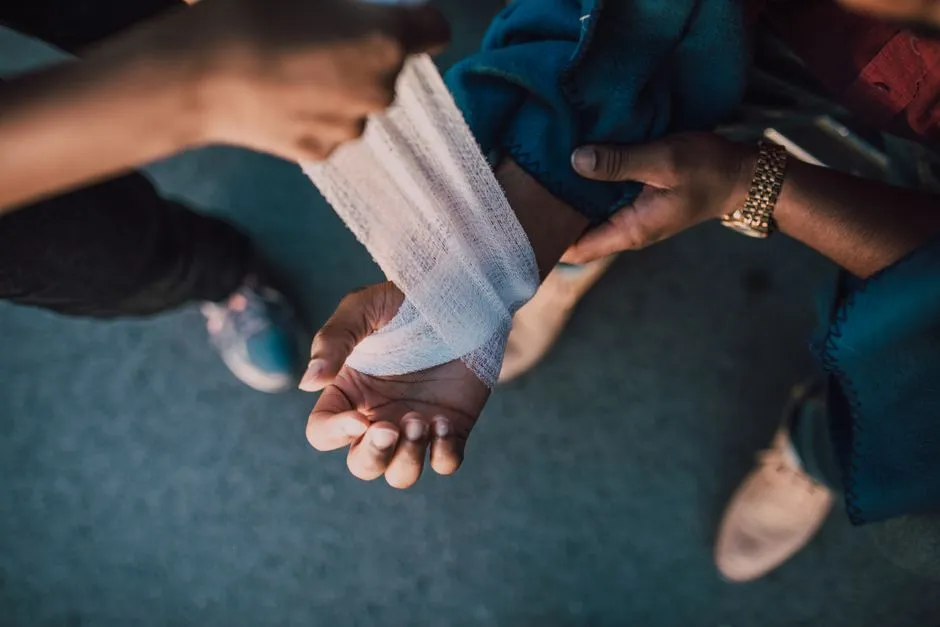
The principles that modern wound science supports are not complicated, but they do require unlearning a few things. Clean the wound gently with cool running water and mild soap. Skip the hydrogen peroxide and iodine for routine minor wounds. Apply a thin barrier like petroleum jelly to maintain moisture. Cover with an appropriate dressing and change it regularly without overdoing it.
Wet or moist treatment of wounds has been shown to promote re-epithelialization and result in reduced scar formation, as compared to treatment in a dry environment. That principle, supported consistently since the 1960s and reinforced by more recent clinical trials, remains the foundation of effective wound management.
Research shows that adequate hydration of the wound bed maintains the moist environment necessary for cellular migration and proliferation. The cells responsible for healing, including fibroblasts, keratinocytes, and endothelial cells, function optimally in a moist environment. Everything else, the bandage choice, the frequency of changes, the cleaning method, is in service of that one central condition.
The Takeaway
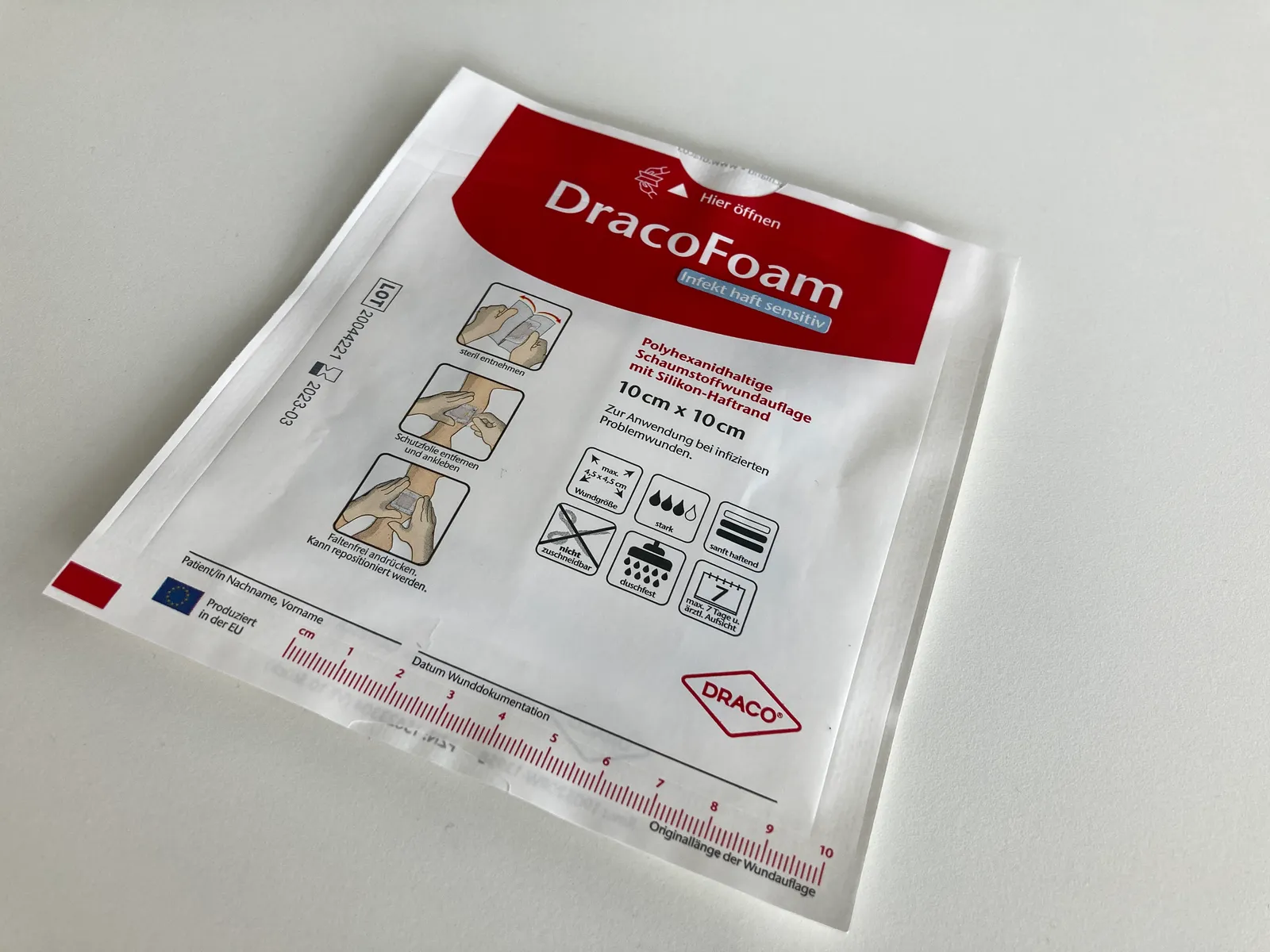
The bandage mistake that slows wound healing is rarely a single dramatic error. More often it is a cluster of small, inherited habits, too much hydrogen peroxide, a bandage left on too long, a wound left to “breathe,” a scab mistaken for recovery. Each one nudges the biology in the wrong direction.
What decades of wound research make clear is that the body already knows how to heal. The job of good wound care is not to replace that process but to give it the right environment to work. Moisture, cleanliness, appropriate coverage, and a willingness to update old assumptions are the tools that actually matter.
AI Disclaimer: This article was created with the assistance of AI tools and reviewed by a human editor.